
Finding the best headphones for a marathon means prioritizing comfort, secure fit, and durability above all else. This guide breaks down essential features, recommends types of headphones, and offers practical tips to ensure your music keeps you motivated without causing distractions, helping you focus on crossing that finish line.
Conquer Your Marathon with Unbeatable Comfort: The Best Headphones for Long Runs

Lacing up for a marathon is a huge accomplishment! Whether it’s your first or your tenth, having the right gear can make all the difference. When it comes to staying motivated and energized, your soundtrack plays a crucial role. But with all the jostling, sweat, and miles, your headphones need to be more than just great for sound; they need to be incredibly comfortable and stay put. Forget fiddly earbuds that fall out or headphones that pinch. We’re here to help you find the perfect audio companion that feels like an extension of yourself, mile after mile, so you can focus on your pace and enjoy the journey to the finish line.
Why Headphone Comfort is King for Marathon Runners

When you’re running a marathon, your body is under immense stress. Every ounce of discomfort can feel magnified over 26.2 miles. For headphones, this means:
- No Constant Adjustments: The last thing you want is to be pushing off your earbuds or readjusting a headband every few minutes. This wastes energy and breaks your rhythm.
- Preventing Pressure Points: Tight ear cups or an aggressive headband can lead to headaches or sore spots that, over hours, become unbearable.
- Managing Sweat: Marathon running means significant sweat. A comfortable fit also means materials that can handle moisture without becoming slippery or irritating.
- Secure Fit is Non-Negotiable: Bouncing or moving headphones are a distraction and can even be painful. They need to stay exactly where you put them, no matter the terrain or your stride.
- Lightweight Design: The less you feel them, the better. Heavy headphones can contribute to fatigue.
Comfort isn’t just about feeling good; it’s about performance. Minimizing distractions allows you to stay in the zone, conserve mental energy, and push your limits.
Key Features of Marathon-Ready Headphones

When you’re on the hunt for the best headphones for a marathon, keep these crucial features in mind:
1. Secure and Stable Fit
This is paramount. You need headphones that will stay put through every stride, jump, and even slight stumble. Look for:
- Ear Hooks/Wings: Many earbuds come with flexible silicone or rubber attachments that hook around or tuck into the unique shape of your ear.
- Behind-the-Neck Bands: For some, a lightweight, flexible band that rests on the back of the neck offers a secure alternative to earbuds, especially those with integrated ear fins.
- Adjustable Headbands: If opting for on-ear or over-ear styles, ensure the headband has ample adjustment points and a comfortable, non-slip material.
2. Sweat and Water Resistance
Marathons typically happen outdoors, and sweat is inevitable. You need headphones built to withstand moisture. Look for an IP (Ingress Protection) rating. An IPX4 rating is generally considered sweat-resistant, while higher ratings (IPX5, IPX7) offer even better protection against water and submersion (though submersion isn’t necessary for running).
3. Lightweight and Ergonomic Design
Heavy headphones can cause fatigue and discomfort over long distances. Opt for models known for their light build and, for earbuds, a design that doesn’t protrude awkwardly or put pressure inside your ear canal.
4. Long Battery Life
Conquering a marathon can take several hours. Your headphones need to last the distance. Aim for headphones that offer at least 6-8 hours of playback on a single charge, ideally more, or consider models with a compact charging case for on-the-go top-ups (though managing this during a race is impractical, it’s good for training). Many modern wireless headphones can easily exceed 10-12 hours.
5. Reliable Connectivity (Bluetooth)
For wireless listening, a stable Bluetooth connection is essential. Look for headphones that use newer Bluetooth versions (like Bluetooth 5.0 or higher) as they offer better range, stability, and battery efficiency. Read reviews about connection drops – a dropped connection during a race is incredibly frustrating.
6. Audio Quality (Balanced for Your Needs)
While comfort is king, you still want to enjoy your music! For running, a balanced sound profile is often best. You don’t necessarily need booming bass, but clear mids and highs will help your music cut through ambient noise and keep you motivated. Some runners prefer awareness for safety, so consider open-ear designs or ambient sound modes.
7. Easy Controls
Buttons or touch controls should be accessible and easy to operate without looking, even with gloves or sweaty fingers. Play/pause, volume adjustment, and track skipping are must-haves.
Types of Headphones Best Suited for Marathon Running

Not all headphone types are created equal when it comes to marathon comfort. Here’s a breakdown of the most popular options:
1. True Wireless Earbuds with Secure Fit
These have become incredibly popular for their wire-free convenience. For marathon runners, the key is finding models with secure ear hooks or specialized wingtips that lock them into place.
- Pros: Utter freedom of movement, portable, often come with charging cases.
- Cons: Can be prone to falling out if not a secure fit, battery life can be a concern for very long events without a case.
- Look For: Models specifically marketed for sports, with multiple ear tip and wing sizes included.
2. Neckband Wireless Headphones
These feature earbuds connected by a flexible band that rests around your neck. The band often houses the battery and controls, distributing weight evenly and preventing the earbuds from being lost if they slip out.
- Pros: Very secure fit, extended battery life, earbuds are tethered so less likely to be lost.
- Cons: Some people dislike the feeling of the band on their neck.
- Look For: Lightweight, flexible neckbands with comfortable earbud tips.
3. Bone Conduction Headphones
A game-changer for safety-conscious runners. Instead of traditional speakers, bone conduction headphones use transducers that rest on your cheekbones, transmitting sound vibrations directly to your inner ear. This leaves your ear canal open to hear your surroundings.
- Pros: Exceptional situational awareness, comfortable for long periods, often very lightweight and water-resistant.
- Cons: Sound quality is generally not as rich or detailed as traditional headphones, can cause a slight vibration sensation for some users.
- Look For: Models with good battery life and a secure fit that doesn’t press too hard on the cheekbones.
The American Automobile Association (AAA) emphasizes the importance of driver awareness and recommends minimizing distractions while driving, a principle applicable to runners needing to be aware of their environment. For runners, this translates directly to staying safe around traffic and other hazards. For more on situational awareness, you can check out resources on road safety. National Fire Sprinkler Association offers general safety tips that highlight awareness.
4. Open-Ear Headphones (Air Conduction)
Similar to bone conduction, these typically sit slightly off the ear, allowing ambient sound to enter. They use small speakers that direct sound into the ear canal without fully blocking it.
- Pros: Good balance between audio and ambient sound, generally comfortable.
- Cons: Sound leakage can be an issue (others might hear your music), not as secure as some earbud designs.
- Look For: Models that offer a snug fit and decent battery life.
What to Avoid
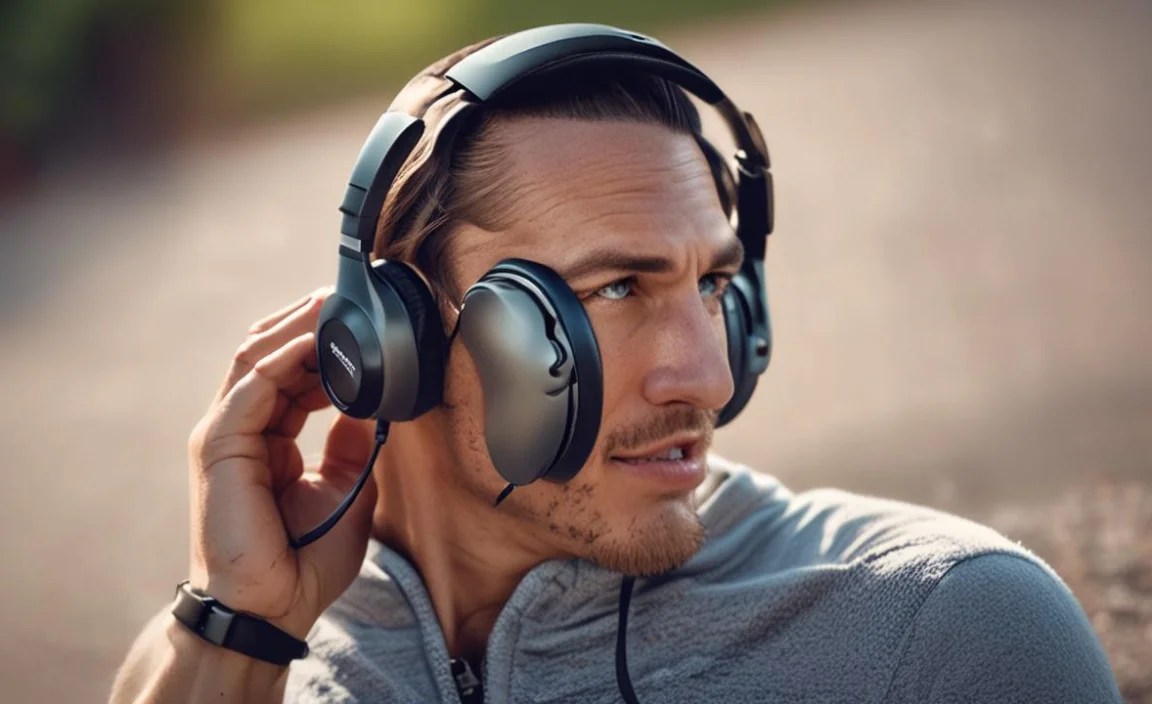
While personal preference varies, some headphone types are generally not ideal for marathon running:
- Standard On-Ear or Over-Ear Headphones: Unless specifically designed for sport with secure clamping and sweat-wicking materials, these tend to move, chafe, and trap heat and sweat, leading to discomfort.
- Basic Wired Earbuds: The cable can snag, bounce, and generally be a nuisance during a long race.
- True Wireless Earbuds without Secure Fit Features: If they lack ear hooks or robust wingtips, they’re likely to fall out.
Top Picks: Best Headphones for Marathon Comfort (Examples)

While models change, here are types of headphones that consistently perform well for marathon runners, focusing on comfort and secure fit. Always check recent reviews for the latest models!
Category: True Wireless Earbuds for Sport
These are designed to stay put no matter how intense your workout.
| Headphone Type | Key Comfort Features | Pros | Cons | Best For |
|---|---|---|---|---|
| Sport-Focused True Wireless Earbuds (e.g., Jabra Elite Active series, Jaybird Vista series) | Secure ear hooks/wings, IP57+ water/sweat resistance, compact and lightweight. | Excellent secure fit, good battery, durable. | Can be pricier, sound tuning might need personal adjustment. | Runners wanting ultimate freedom and a locked-in feel. |
Category: Neckband Wireless Headphones
Balancing security and convenience, these are a solid choice.
| Headphone Type | Key Comfort Features | Pros | Cons | Best For |
|---|---|---|---|---|
| Neckband Wireless Headphones (e.g., various JBL, Sony models) | Flexible neckband, often with magnetic earbuds, comfortable ear tips, good weight distribution. | Very secure, long battery life usually, earbuds won’t get lost if they fall out. | Neckband feel might not suit everyone. | Runners prioritizing stability and longer listening sessions. |
Category: Bone Conduction Headphones
For unparalleled awareness and a unique comfort experience.
| Headphone Type | Key Comfort Features | Pros | Cons | Best For |
|---|---|---|---|---|
| Bone Conduction Headphones (e.g., Shokz OpenRun Pro, AfterShokz Trekz Air) | Open-ear design, lightweight titanium frame, rests comfortably on cheekbones, IP67+ water resistance. | Maximum situational awareness, very comfortable for long-duration, unaffected by sweat. | Sound quality not as immersive, can have slight vibration for some. | Safety-first runners, those who want to hear their surroundings, or runners prone to ear irritation. |
Please note: Specific model availability and features change. Always research the latest versions and read contemporary reviews before purchasing.
Choosing the Right Fit: A Step-by-Step Guide

Let’s get you set up with headphones that feel like they were made for you. Follow these steps:
Step 1: Assess Your Running Style and Needs
Think about your typical runs:
- How long are your training runs? This dictates battery life needs.
- Do you run in busy areas? If yes, bone conduction or open-ear is highly recommended for safety.
- What kind of weather do you usually run in? This points to sweat/water resistance needs.
- What’s your budget? Prices can range significantly.
Step 2: Prioritize the “Feel Test”
If possible, try headphones on before buying. Pay attention to:
- Earbuds: Do they fit snugly in your ear canal without being painful? Do the ear hooks or wings feel secure?
- Neckbands: Is the band comfortable around your neck? Does it bounce?
- Bone Conduction/Open-Ear: Do they rest comfortably on your cheekbones or ears? Is the pressure too much?
Step 3: Check for Secure Fit Features
For earbuds, look for multiple sizes of ear tips and stability fins/wings. For any type, ensure there’s a way to adjust the fit, like adjustable straps or flexible materials.
Step 4: Examine Sweat and Water Resistance Ratings
Aim for at least an IPX4 rating. If you sweat profusely or run in the rain often, look for IPX5 or higher. The Consumer Reports explain IP ratings clearly, helping you understand what each level means for durability against water and moisture.
Step 5: Read Reviews from Other Runners
Search for reviews specifically from athletes or runners. They’ll often highlight how well the headphones hold up during intense activity and over long periods.
Step 6: Consider Battery Life
For marathon distances (over 4 hours), aim for at least 8 hours of playback. If a model offers less, check if it comes with a compact charging case for quick boosts during training, though this is less practical mid-race.
Tips for Maximizing Comfort During Your Marathon
Once you’ve chosen your go-to pair, here are a few tips to make your marathon audio experience even better:
- Experiment During Training: Don’t try brand-new headphones on race day! Use them on your longest training runs to identify any hot spots, pressure points, or fit issues.
- Clean Your Headphones Regularly: Sweat and earwax can build up, affecting both sound and fit. Clean your earbuds and ear tips according to the manufacturer’s instructions.
- Ensure a Proper Seal (for Isolating Earbuds): For earbuds that create a seal, a good fit means better sound and less need to turn up the volume, which can be less fatiguing.
- Manage Cables (if applicable): If you use any wired components or have charging cables, ensure they’re tucked away securely and won’t create drag or snag hazards.
- Check Battery Levels Before the Start: A silly mistake that can be avoided! Ensure your headphones are fully charged before you even get to the starting line.
Frequently Asked Questions (FAQ)
Q1: Can I use regular headphones for a marathon?
You can, but “regular” headphones (like standard consumer earbuds or over-ear headphones) are often not ideal. Marathon running requires specific features such as a super-secure fit, sweat resistance, and lightweight design that many casual headphones lack, leading to discomfort or dislodging during the race.
Q2: How important is sweat resistance for marathon headphones?
Extremely important. You will sweat significantly during a marathon. Headphones with at least an IPX4 rating (sweat and splash-proof) are crucial to prevent damage and skin irritation. Higher ratings offer even more protection.
Q3: What is the biggest mistake runners make when choosing headphones for a marathon?
The biggest mistake is not prioritizing comfort and fit. Many runners focus solely on sound quality or brand name, overlooking how the physical feel of the headphones will impact their performance over 26.2 miles. This often leads to distractions and discomfort.
Q4: Are bone conduction headphones truly safe for marathon running?
Yes, they are considered very safe, especially for runners who need to stay aware of their surroundings. Because they don’t block your ear canal, you can still hear traffic, other runners, and important announcements, which significantly enhances your safety when running near roads or in crowded areas.
Q5: How do I ensure my true wireless earbuds won’t fall out during a marathon?
Look for models specifically designed for sports that include ear hooks or extended wingtips. Also, ensure you use the correct size of ear tips for a snug, comfortable fit within your ear canal. Trying them during intense training runs is the best way to test their security.
Q6: How much battery life do I need for marathon headphones?
For a marathon, aim for a minimum of 6-8 hours of continuous playback. Many modern headphones offer more, which is beneficial. It’s wise to have a little buffer, as battery life can decrease in cold weather or with heavy use.
