
Quick Summary: Discover how to choose the best headphones for motorcycle riding to enhance your journey with clear audio, safety, and comfort. This guide covers essential features, types of headphones, installation tips, and legal considerations for an effortless riding experience.
Best Headphones Motorcycle: Effortless Riding Starts with the Right Audio
There’s nothing quite like the freedom of the open road on a motorcycle. The wind in your hair, the rumble of the engine – it’s an experience that touches all your senses. But what if you could also enjoy your favorite music, catch up on podcasts, or even take calls without compromising your ride? That’s where the best motorcycle headphones come in. Whether you’re a seasoned rider or just starting out, finding the right audio solution can transform your journey from just transportation to a truly immersive and enjoyable adventure. This guide will lead you through everything you need to know to select and use motorcycle headphones, ensuring your rides are more effortless, safer, and a lot more fun.
Why Invest in Motorcycle Headphones?

Riding a motorcycle is a dynamic experience, and the sounds of the road can be both exhilarating and, at times, overwhelming. Engine noise, wind rush, and traffic can make it difficult to hear essential alerts or simply enjoy your preferred audio. Motorcycle-specific headphones are designed to address these challenges head-on.
Here are a few key benefits:
- Enhanced Safety: Listen to GPS navigation prompts clearly, allowing you to keep your focus on the road ahead. You can also discreetly receive alerts for emergency vehicles or other important auditory cues.
- Improved Audio Experience: Block out wind noise and engine roar to enjoy music, podcasts, or audiobooks at a comfortable volume without straining your ears or resorting to excessively loud playback.
- Communication: Many motorcycle headphones come equipped with microphones, enabling hands-free calling and communication with fellow riders through intercom systems.
- Comfort and Convenience: Designed to fit comfortably within your helmet, they provide a secure and unobtrusive listening solution for long rides.
- Reduced Fatigue: By mitigating constant exposure to loud wind and engine noise, high-quality headphones can help reduce rider fatigue, making your journeys more enjoyable.
Types of Motorcycle Headphones: Finding Your Perfect Fit
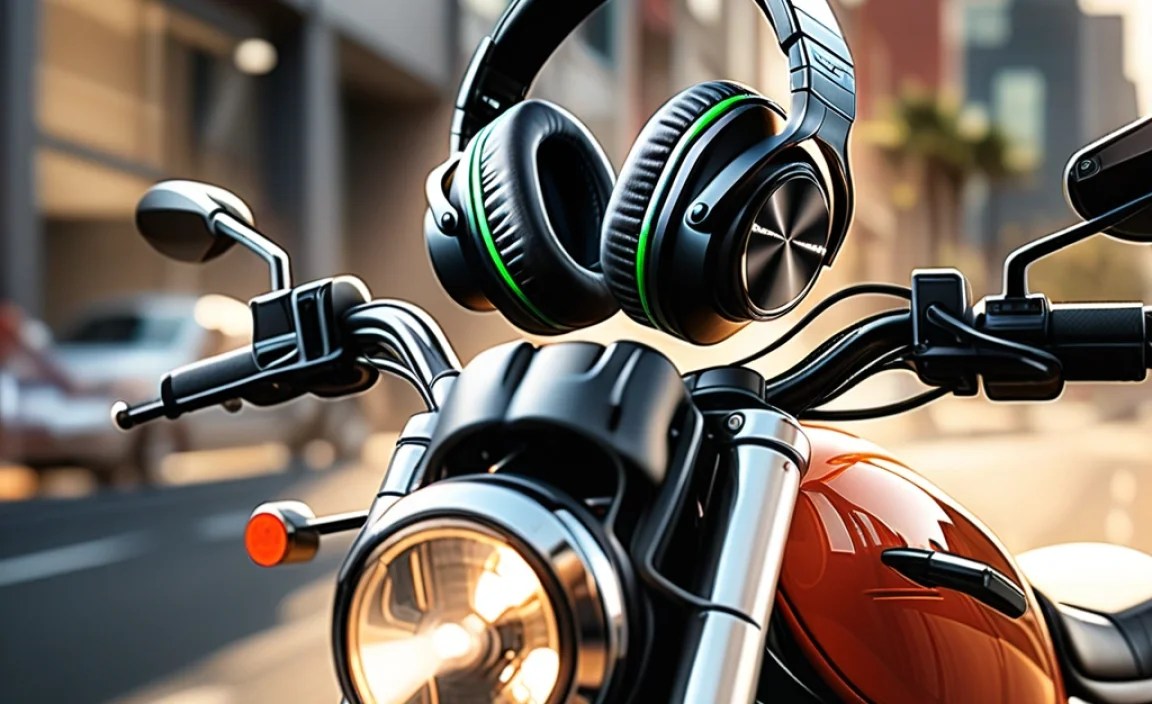
When it comes to motorcycle headphones, you’ll find a variety of designs, each with its own set of advantages. The best choice for you will depend on your helmet type, budget, and desired features. Let’s break down the most common options:
1. In-Ear Headphones (Earbuds)
These are compact and fit directly into your ear canal, offering good sound isolation. For motorcycle use, look for models specifically designed for comfort within a helmet and with a secure fit so they don’t shift.
Pros:
- Excellent noise isolation.
- Discreet and lightweight.
- Often more affordable.
Cons:
- Can become uncomfortable after long periods for some riders.
- May not fit all helmet interiors comfortably.
- Sound quality can vary widely.
2. On-Ear/Component Speakers (Helmet Speakers)
These are flat, often circular speakers that are designed to be mounted inside your helmet, typically near your ears. They connect to a central control unit or your Bluetooth device.
Pros:
- Designed for helmet integration, offering better comfort for long rides.
- Can provide a more open and natural soundstage.
- Easy to install in most helmets.
Cons:
- Noise isolation is generally not as good as in-ear options.
- Sound quality can be affected by wind noise if not properly sealed.
- Can be bulkier than earbuds.
3. Integrated Bluetooth Headsets
These are often built into helmets or are add-on systems that offer comprehensive Bluetooth connectivity. They typically include speakers, microphones, and control units, offering a seamless experience for music, calls, and intercom functions.
Pros:
- All-in-one solution for communication and audio.
- Easy integration with smartphones and other devices.
- Often include advanced features like noise cancellation and voice commands.
Cons:
- Can be the most expensive option.
- May require specific helmet models or professional installation for integrated systems.
Key Features to Look For

Beyond the type of headphone, several crucial features will determine how well it performs on your motorcycle. Prioritizing these will ensure you get the best value and functionality.
1. Durability and Weather Resistance
Motorcycle riding exposes your gear to the elements. Look for headphones or headsets that are at least water-resistant (IPX ratings can indicate this) and built with robust materials that can withstand vibrations and regular use.
2. Comfort and Fit
This is paramount. For in-ear options, ensure they come with multiple ear tip sizes. For helmet speakers, verify they are thin enough to fit comfortably without creating pressure points inside your helmet. A good fit prevents discomfort that can distract you from riding safely.
3. Sound Quality and Noise Cancellation
The ability to hear your audio clearly over wind and engine noise is critical. Features like active noise cancellation (ANC) can significantly improve your listening experience, but even passive noise isolation from a good seal is important. Look for clear mid-tones and crisp highs for vocals and navigation, and a decent bass response for music.
4. Battery Life
For longer journeys, battery life is a non-negotiable. Aim for headphones that offer at least 8-10 hours of continuous playback. Many Bluetooth headsets offer even more. Check how long they take to charge as well.
5. Connectivity (Bluetooth Version)
Bluetooth 5.0 or higher generally offers better range, power efficiency, and a more stable connection compared to older versions. This is crucial for seamless pairing with your phone or other devices.
6. Ease of Use and Controls
Can you operate the controls without removing your gloves? Buttons should be tactile and easy to find. Voice commands are also a great feature for hands-free operation. The simpler, the better when you’re in motion.
7. Microphone Quality
If you plan to make calls or use intercom features, a good microphone that can effectively pick up your voice above ambient noise is essential. Many motorcycle headsets feature wind-shielded microphones.
Installation Guide: Getting Started
Proper installation ensures you get the best performance and comfort from your chosen headphones. The process varies slightly depending on the type of headphone, but here’s a general overview:
For Helmet Speakers:
- Prepare Your Helmet: Most helmets have dedicated pockets or recesses for speakers. If not, you might need to carefully position them.
- Clean the Area: Ensure the inside of your helmet where the speakers will go is clean.
- Position the Speakers: Place each speaker in its designated spot, aligning it with your ear.
- Secure the Speakers: Use the adhesive pads provided, or Velcro strips, to firmly attach the speakers. Ensure they are well-seated and won’t move.
- Route the Wires: Carefully tuck the wires along the helmet’s interior lining, ensuring they don’t pinch or cause discomfort. Most helmet liners are designed to allow for wire routing.
- Connect to the Control Unit/Device: Connect the speaker wires to the headset’s main unit or directly to each other if they are separate.
- Test: Before closing up the helmet lining, test the audio and microphone to ensure everything is working correctly.
For In-Ear Headphones (Earbuds):
This is the simplest setup. You just need to ensure they fit your ears snugly and then put on your helmet. The key is to find ear tips that create a good seal, which helps with passive noise isolation.
For Integrated Bluetooth Headsets:
Many headsets are designed to clip onto the side of your helmet or integrate directly into a helmet chin bar. Follow the manufacturer’s specific instructions for mounting and pairing.
Legal Considerations: Staying Safe and Compliant
Riding with headphones is not universally legal, and laws can vary significantly by region. It’s crucial to understand and adhere to your local regulations to avoid fines and ensure rider safety.
General Guidelines:
- One Earbud Rule: Some areas permit the use of only one earbud, allowing you to keep one ear open to traffic sounds.
- No Headphones at All: Certain jurisdictions completely ban the use of headphones or earbuds while operating a motorcycle.
- Helmet-Integrated Systems: In some cases, helmet-integrated systems that don’t block ambient sound might be permitted where earbuds are not.
It is always best practice to research your local laws. For example, in the United States, organizations like the Insurance Information Institute provide information on state-specific helmet laws, which can sometimes be related to audio device usage. Always prioritize safety and compliance.
Top Features for Motorcycle Headphones Table Example
To help you compare, here’s a look at some common features and what they mean for your riding experience. This is a generalized table, actual specifications will vary by product.
| Feature | Benefit for Riders | What to Look For |
|---|---|---|
| Active Noise Cancellation (ANC) | Significantly reduces wind and engine noise, allowing for clearer audio at lower volumes. | Look for adaptive ANC or modes that can be adjusted on the fly. |
| Wind Noise Reduction (Microphone) | Ensures your voice is heard clearly during calls or when using intercom systems. | Specialized wind guards or algorithms designed for dynamic environments. |
| IPX Rating (Water Resistance) | Protects against rain, sweat, and splashes, ensuring device longevity. | IPX5 or higher is generally recommended for motorcycle use. |
| Long Battery Life | Supports extended rides without the need for frequent recharging. | Aim for 8+ hours of continuous playback. Fast charging is a bonus. |
| Bluetooth Multipoint Pairing | Allows connection to two devices simultaneously (e.g., phone and GPS), switching seamlessly. | Check the Bluetooth version (5.0+ recommended) and if it supports multipoint. |
| Easy Glove-Friendly Controls | Enables operation of volume, playback, and calls without removing gloves. | Large, tactile buttons or voice commands are ideal. |
Recommended Setup Scenarios
To make choosing even easier, let’s consider a few common rider profiles and what kind of headphone setup might suit them best:
Scenario 1: The Daily Commuter
Needs: Clear navigation, occasional calls, reasonable music playback, safety, and ease of use.
Recommendation: A quality Bluetooth headset with helmet speakers, integrated into a full-face or modular helmet. Look for systems with simple controls, good battery life, and decent microphone quality. Brands often offer specific retro-fit kits for various helmet brands.
Scenario 2: The Weekend Explorer
Needs: Immersive music, long-ride comfort, reliable Bluetooth connectivity for music and GPS, and potentially intercom with a riding buddy.
Recommendation: A premium Bluetooth communication system. These often feature superior audio drivers, advanced noise cancellation, longer battery life, and robust intercom capabilities (mesh intercom or standard Bluetooth intercom). Integrated speakers with well-designed padding are usually preferred for comfort.
Scenario 3: The Budget-Conscious Rider
Needs: Basic navigation prompts, occasional music, and a cost-effective solution.
Recommendation: Basic in-ear Bluetooth earbuds that fit securely and comfortably within the helmet. Alternatively, a simple set of helmet speakers that connect via Bluetooth to a phone. Focus on good passive noise isolation and a reliable Bluetooth connection.
Tips for Maximizing Your Motorcycle Headphone Experience
Once you’ve chosen and installed your headphones, there are a few extra steps you can take to ensure they perform at their best and enhance your riding:
- Proper Fit is King: For earbuds, experiment with different ear tip sizes until you find ones that create a good seal. For helmet speakers, ensure they are perfectly positioned in front of your ear canal.
- Test in Real Conditions: Never assume they sound great until you’ve tested them on your bike, at speed. Wind noise can drastically change audio perception.
- Manage Your Audio Sources: Group your audio apps. For example, ensure your GPS volume is set appropriately and won’t be drowned out by music. Many systems allow independent volume control.
- Keep Them Charged: A dead battery on a long ride is frustrating. Make it a habit to charge your headphones nightly.
- Clean Regularly: Earwax and debris can affect sound quality and even damage earbuds. Clean them gently according to the manufacturer’s instructions.
- Update Firmware: If you have a Bluetooth headset, check periodically for firmware updates from the manufacturer. These can improve performance, add features, and fix bugs.
Frequently Asked Questions (FAQ)
Q1: Are motorcycle headphones safe to use?
Yes, when used responsibly and legally. The primary safety benefit is enhanced awareness through clear audio for navigation. However, it’s crucial to be aware of local laws regarding headphone use on motorcycles and never let your audio distract you from the road. Always prioritize situational awareness.
Q2: Can I use regular headphones on my motorcycle?
You can, but they are often not ideal. Regular headphones may not fit comfortably inside a helmet, can shift during rides, and often lack the durability and water resistance needed for motorcycle use. Motorcycle-specific headphones are designed to address these issues.
Q3: How do I block out wind noise while riding?
Many motorcycle headphones feature active noise cancellation (ANC) or specialized foam/materials to passively block wind noise. Ensuring a snug fit with earbuds or proper installation of helmet speakers that seal against your ears can also help significantly. Some systems even have microphones designed to filter out wind noise for calls.
Q4: What is the best type of headphone for a full-face helmet?
For full-face helmets, integrated Bluetooth headsets or helmet speakers are generally the most comfortable and effective. They are designed to fit within the helmet’s shell and are often installed in dedicated pockets, ensuring a secure and unobtrusive fit without compromising comfort or safety.
Q5: How long should bicycle headphones battery last?
For quality motorcycle headphones, you should aim for a battery life of at least 8-10 hours of continuous playback. Many premium Bluetooth communication systems can offer 12-20 hours or even more. Always check the manufacturer’s specifications for expected battery life under typical usage.
Q6: Can I use my motorcycle headphones for more than just music?
Absolutely! Most modern motorcycle headphones and Bluetooth headsets are designed for a range of uses, including listening to GPS navigation instructions, receiving notifications, making and taking phone calls, and communicating with other riders via an intercom system. Some advanced systems even support voice assistants.
Conclusion: Elevate Your Ride with Crystal Clear Audio
Choosing the best headphones for your motorcycle is more than just about enjoying your favorite tunes; it’s an investment in safety, comfort, and an overall more enjoyable riding experience. By understanding the different types of headphones, the key features to look for, and how to install them correctly, you can confidently select a solution that perfectly complements your riding style and helmet. Remember to always check your local laws and prioritize situational awareness. With the right audio companions, every ride can become an effortless journey, filled with the sounds you love and the clarity you need to stay safe on the road. Happy riding!
