
Quick Summary: Choosing the best headphones for mountain biking means prioritizing safety, durability, and situational awareness. Look for open-ear designs, secure fits, sweat resistance, and long battery life. This guide helps you select audio gear that enhances your ride without compromising your connection to the trail.
Best Headphones For Mountain Biking: Essential Gear to Elevate Your Ride

Hey there, fellow riders and music lovers! Edward Cavitt here from headphonehorizon. Hitting the trails on your mountain bike is an exhilarating experience, a perfect blend of nature, fitness, and adrenaline. And for many of us, a killer soundtrack can elevate that experience even further. But what’s the best way to enjoy your tunes without missing crucial trail sounds or risking your safety? It’s a common question, and one many beginners find a little daunting. This guide is all about finding that sweet spot – the perfect audio companion for your off-road adventures. We’ll break down what to look for, recommended types, and how to choose the gear that keeps you safe, connected, and grooving on every single ride.
Why Headphones While Mountain Biking?

Before diving into the specifics, let’s address the elephant in the room: safety. Listening to music while cycling, especially mountain biking, requires a conscious effort to remain aware of your surroundings. However, when done correctly, headphones can enhance your ride in several ways:
- Motivation and Rhythm: A well-timed beat can push you through tough climbs and keep your cadence strong on flats.
- Enjoyment: Immersing yourself in your favorite music or podcasts can make long rides more enjoyable and less monotonous.
- Focus: For some, a consistent audio stream can help them enter a “flow state,” concentrating on the ride and their performance.
- Information: Some advanced headphones can provide real-time coaching or navigation cues.
The key is to select headphones that allow you to hear enough of your environment to stay safe. This means prioritizing open-ear designs or bone conduction technology over traditional noise-canceling buds.
Understanding the Mountain Biking Landscape: What We Need in Headphones

Mountain biking isn’t just about smooth asphalt. It involves varied terrain, unpredictable obstacles, and the need for constant awareness. Therefore, your headphones need to be more than just good sound producers. They need to be built for the trail.
Key Features to Look For:
- Situational Awareness: This is paramount. You need to hear approaching riders, wildlife, trail hazards (like falling rocks or branches), and other ambient sounds.
- Secure Fit: Your headphones shouldn’t bounce, slip, or fall out, even on the roughest descents.
- Durability and Weather Resistance: Trails mean dust, mud, sweat, and the occasional unexpected shower. Your audio gear needs to withstand these elements. Look for IP ratings (Ingress Protection) for water and dust resistance. An IPX4 rating is generally considered sweat and splash-proof, while higher ratings offer more robust protection.
- Comfort: You’ll be wearing them for extended periods, often with a helmet. They need to be lightweight and comfortable.
- Battery Life: Long rides require long-lasting battery power. Check the advertised playtime and consider if it suits your typical ride duration.
- Ease of Control: You might need to adjust volume or skip tracks without fumbling. Intuitive controls are a big plus.
Types of Headphones for Mountain Biking

Not all headphones are created equal, especially when it comes to the demands of mountain biking. Here are the primary types you’ll encounter, along with their pros and cons for trail use.
1. Bone Conduction Headphones
These are often considered the gold standard for situational awareness. Bone conduction headphones don’t cover your ears. Instead, they use small transducers to send vibrations through your cheekbones directly to your inner ear, leaving your ear canals completely open.
Pros:
- Superior Situational Awareness: Your ears are completely free to hear your surroundings.
- Comfortable with Helmets: They typically sit in front of or behind the ears, making them helmet-compatible.
- Secure Fit: Usually wrap around the head, offering a stable fit.
- Good for Calls: Many models feature effective microphones.
Cons:
- Sound Quality: Music playback can sometimes lack the depth and richness of traditional headphones, especially for bass.
- Vibrations: Some users find the vibrations noticeable or slightly uncomfortable at very high volumes.
- Sound Leakage: At higher volumes, others nearby might be able to hear what you’re listening to.
2. Open-Ear Earbuds (Non-Bone Conduction)
These are earbuds that don’t seal your ear canal but use a small speaker or vent to direct sound towards your ear. They still allow some ambient sound to filter through.
Pros:
- Better Situational Awareness than Traditional Earbuds: You can still hear some ambient noise.
- Comfortable: Many are lightweight and designed for an unobtrusive fit.
- Potentially Better Sound Quality than Bone Conduction: Some models offer a more balanced audio profile.
Cons:
- Compromised Situational Awareness: While better than sealed buds, they block more ambient sound than bone conduction.
- Fit Issues: Can be less secure than other options if not designed well.
- Helmet Compatibility: Some designs might interfere with helmet fit.
3. Open-Back Headphones (Less Common for Biking)
These are standard over-ear or on-ear headphones with an open design on the back of the earcups. This allows sound to pass through freely, offering excellent ambient awareness.
Pros:
- Excellent Sound Quality: Often provide the best audio fidelity.
- Good Situational Awareness: Sound leaks out, but also lets ambient noise in.
Cons:
- Not Practical for Biking: They are bulky, can interfere with helmets, are prone to sweat damage, and are generally not secure enough for dynamic movements.
- Durability: Often not built for the ruggedness required by mountain biking.
What to AVOID for Mountain Biking
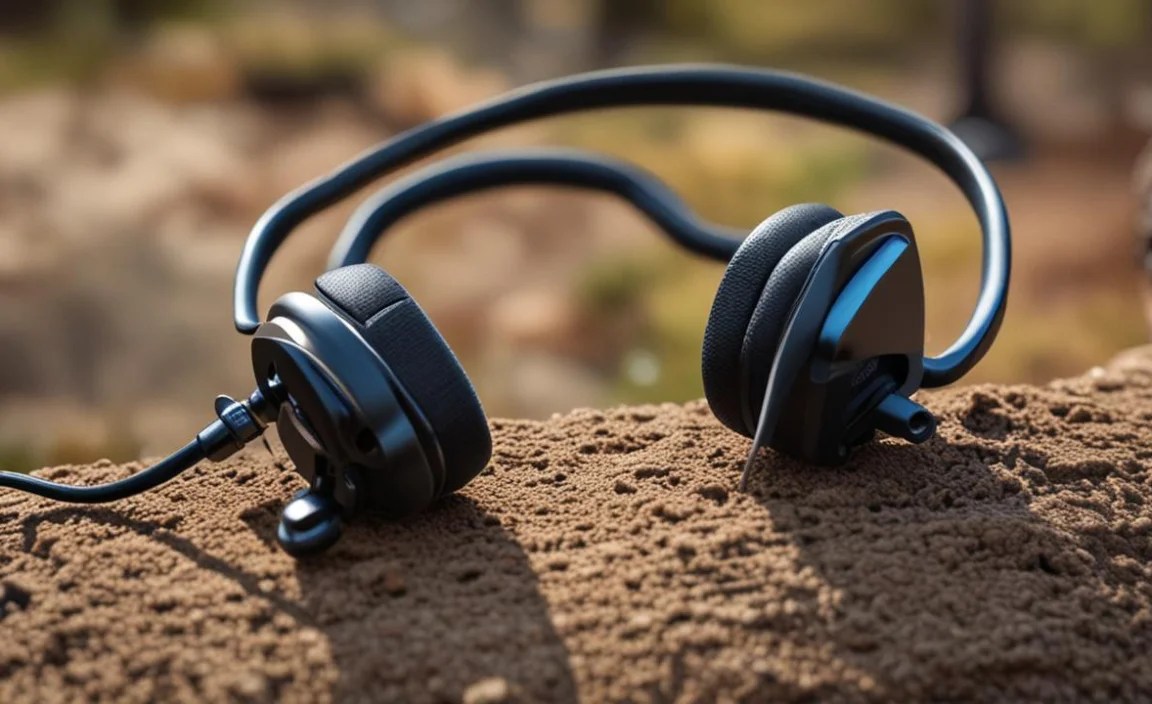
This is just as important as knowing what to look for. Some headphone types are simply not suited for trail riding and can pose a significant risk.
- Noise-Canceling (ANC) Headphones: These are designed to block out external noise, which is the exact opposite of what you need for situational awareness on the trail.
- In-Ear, Noise-Isolating Earbuds: Earbuds that create a seal in your ear canal will muffle trail sounds, making it hard to hear approaching dangers or your environment.
- Wired Headphones: While not inherently unsafe, dangling wires can get caught on branches, helmets, or even your bike, posing a snag hazard. Wireless is the way to go for freedom and safety.
Top Picks: Best Headphones for Mountain Biking

Based on the criteria above, bone conduction headphones are generally the top recommendation for most mountain bikers. Here are a few highly-regarded models and their standout features:
Recommended Brands and Models (Examples):
- Shokz (formerly AfterShokz) OpenRun Pro: Often lauded for their excellent sound quality for bone conduction, comfortable fit, and secure wraparound design. They offer extended battery life and good durability.
- Shokz OpenRun: A slightly more budget-friendly option from Shokz, still offering great situational awareness and a secure and comfortable fit.
- Jabra Elite 4 Active (Use with Caution & Low Volume): While these are true wireless earbuds, they are designed for active use and have a decent fit. However, their noise-isolating nature means you must use them at very low volumes and be extremely vigilant about ambient sound. Not ideal, but a compromise some might consider if they primarily ride less technical terrain.
Note: The market for audio gear is constantly evolving. It’s always a good idea to read recent reviews and check specifications before making a purchase. Ensure any model you consider is rated for at least IPX4 for sweat and splash resistance.
How to Choose Your Perfect Pair: A Step-by-Step Guide

Ready to find the best audio companion for your rides? Follow these simple steps:
Step 1: Prioritize Your Needs
What’s most important to you? Is it maximum safety and awareness? Best possible sound quality for music? Longest battery life? Or a combination? For mountain biking, safety and awareness should always come first. This will lead you towards open-ear or bone conduction designs.
Step 2: Determine Your Budget
Headphones for mountain biking can range from $50 to $200+. Bone conduction models generally fall in the mid to higher range due to their specialized technology. Decide how much you’re willing to invest.
Step 3: Research Types and Features
Based on Step 1, narrow down the type of headphones (likely bone conduction). Then, look for specific features:
- IP Rating: Aim for IPX4 or higher.
- Battery Life: Ensure it meets or exceeds your longest planned rides.
- Comfort and Fit: Read reviews focusing on how well they stay on during activity and their compatibility with helmets.
- Bluetooth Version: Newer Bluetooth versions (5.0 and up) offer better stability and power efficiency.
Step 4: Read Reviews and Compare Models
Don’t just look at specs. Read reviews from other mountain bikers or athletes. Pay attention to:
- Sound quality relative to other bone conduction options.
- How secure they feel on bumpy terrain.
- Comfort with different helmet types.
- Microphone quality for calls (if important).
- Durability over time.
A comparison table can be very helpful here. Let’s create one for the exemplary models:
| Feature | Shokz OpenRun Pro | Shokz OpenRun | Jabra Elite 4 Active (Proceed with Caution) |
|---|---|---|---|
| Type | Bone Conduction | Bone Conduction | True Wireless, In-Ear (with transparency mode) |
| Situational Awareness | Excellent (Ears Open) | Excellent (Ears Open) | Good (with transparency mode, but still blocks more than bone conduction) |
| Comfort with Helmets | Excellent | Excellent | Moderate (can interfere) |
| IP Rating | IP55 (Dust & Water Resistant) | IP55 (Dust & Water Resistant) | IP57 (Water & Dustproof) |
| Battery Life (Playtime) | Up to 10 hours | Up to 8 hours | Up to 7 hours (earbuds) + 24 hours (case) |
| Sound Quality | Very Good for Bone Conduction | Good for Bone Conduction | Good (for in-ear) |
| Price Range | $$$ | $$ | $$ |
Step 5: Make Your Purchase
Once you feel confident about your choice, make the purchase. Many retailers offer return policies, so if they don’t feel right or fit well with your helmet, you may be able to exchange them.
Step 6: Test Them Out (Safely!)
Before hitting a challenging trail, test your new headphones on a familiar, less technical route or even just around your neighborhood. Get used to the volume levels and how they affect your awareness. Practice controlling them while riding.
Safety First: Best Practices for Listening on the Trail
Even with the best gear, responsible listening is crucial. Here’s how to ensure you’re staying safe:
- Keep the Volume Low: This is non-negotiable. Your primary goal should be situational awareness. If you can’t hear what’s happening around you, turn it down. A good rule of thumb is to keep the volume at a level where you can still clearly hear ambient sounds like birds, wind, or approaching individuals.
- Be Hyper-Aware in Specific Situations:
- Blind Corners/Tight Turns: Lower or pause your music.
- Downhill Sections: Focus on the trail and what you need to navigate. Music can be a distraction here.
- Areas with Wildlife: You need to hear potential animal encounters.
- Passing/Being Passed: Ensure clear communication.
- Know Your Own Limits: Some trail sections are inherently more dangerous. If a section demands your absolute full attention, it’s best to do without audio accompaniment.
- Inform Other Riders (If Applicable): If you’re riding with others who don’t mind you listening, let them know you have headphones on. This can help avoid surprises.
- Consider Podcast or Audiobooks at Lower Volume: For some, spoken word content at lower volumes is less distracting and can still provide awareness of surroundings, especially on longer, less technical rides.
The National Highway Traffic Safety Administration (NHTSA) emphasizes distraction avoidance for all road users. While mountain biking isn’t on public roads, the principle of minimizing distractions to maintain safety is universally applicable.
Maintaining Your Mountain Biking Headphones
Your headphones will face a beating on the trail. A little care goes a long way in keeping them functional:
Cleaning Tips:
- Wipe Down After Every Ride: Use a dry or slightly damp microfiber cloth to remove sweat, dust, and mud.
- Clean Ports and Grilles: If your headphones have charging ports or speaker grilles, use a dry, soft brush (like a toothbrush) to gently clean out any debris. Be careful not to push dirt further in.
- Check Your IP Rating Standards: Always consult the manufacturer’s instructions on how to clean them. Some are more sensitive than others. For IPX5 or higher ratings, you might be able to use a damp cloth that’s not dripping wet, but avoid submerging unless explicitly stated.
- Avoid Harsh Chemicals: Steer clear of alcohol, solvents, or abrasive cleaners, as they can damage the materials.
Storage:
- Store your headphones in a cool, dry place away from direct sunlight when not in use.
- If they come with a carrying case, use it. This protects them from bumps and dust.
Charging:
- Follow the manufacturer’s charging recommendations.
- Avoid charging in extreme temperatures.
- Ensure the charging port is dry before connecting any cables.
Frequently Asked Questions (FAQ)
Q1: Are headphones even legal for mountain biking?
Legality regarding headphone use while cycling can vary significantly by region and jurisdiction, especially if you ride on or near public roads. For off-road trails, it’s usually a matter of trail etiquette and personal safety rather than strict law. However, always check local regulations if you anticipate riding on roads at any point.
Q2: Can I use my regular Bluetooth earbuds for mountain biking?
While you can, it’s generally not recommended. Regular earbuds often create a seal that blocks ambient noise, which is essential for awareness on the trail. They can also be less secure and less durable. If you do use them, keep the volume extremely low and be exceptionally vigilant.
Q3: How important is the IP rating for biking headphones?
Very important! Mountain biking involves sweat and often dust and mud. An IPX4 rating means your headphones can handle sweat and splashes. Higher ratings (like IPX5 to IPX7) offer even better protection against water and dust, ensuring your gear lasts longer and performs reliably.
Q4: What’s the difference between bone conduction and open-ear headphones?
Bone conduction headphones transmit sound through vibrations via your cheekbones, leaving your ear canals completely open. Open-ear (non-bone conduction) headphones typically have speakers that direct sound into your ear but are designed not to seal the ear canal, allowing some ambient sound in. Bone conduction generally offers better awareness.
