
Quick Summary: Discover the best headphones for music lovers! This guide breaks down essential features, types of headphones, and key considerations like sound quality, comfort, and durability. Find your perfect audio companion for an immersive music experience.
Best Headphones For Music Lovers: Your Proven Essential Guide
Hey everyone, Edward Cavitt here from headphonehorizon! As music lovers, we all crave that moment when the first notes of our favorite song hit us, and it feels like the artist is playing just for us. The right headphones can turn that wish into a reality, transforming casual listening into a truly immersive experience. But with so many options out there, from sleek earbuds to powerful over-ear cans, how do you choose the ones that will become your audio soulmates? Don’t worry, I’m here to simplify everything! We’ll explore what truly makes headphones great for enjoying music and pinpoint some proven essentials that will have you rediscovering your playlist.
Understanding the Basics: What Makes Headphones “Good” for Music?

Before we dive into specific recommendations, let’s chat about what separates a decent pair of headphones from a truly exceptional one for music enjoyment. It’s not just about brand names or fancy lights; it’s about how they deliver sound and how they feel when you wear them.
Sound Quality: The Heart of the Matter
This is where the magic happens. For music lovers, sound quality is paramount. We’re talking about:
- Clarity: Can you hear every subtle strum of a guitar, every breath of a singer? Clear headphones let you hear the nuances.
- Balance: Do the bass, mids (vocals and instruments), and treble (higher frequencies) all play nicely together? A balanced sound profile prevents any one part from overpowering the others.
- Soundstage: This is like the imaginary space where the music exists. A wider soundstage makes you feel like you’re in a concert hall, not just with earbuds stuck in your ears.
- Detail: The ability to pick out individual instruments and layers within a complex track indicates good detail retrieval.
Comfort and Fit: Your Ears Will Thank You
You might have the best-sounding headphones in the world, but if they hurt your ears after an hour, they’re not doing you any favors. Comfort is key for long listening sessions. Consider:
- Weight: Lighter headphones are generally more comfortable for extended wear.
- Ear Cup Material: Plush, breathable materials like velour or soft leather prevent your ears from getting too warm.
- Clamping Force: How snugly do the headphones grip your head? Too tight is uncomfortable, too loose means they’ll slip.
- Eartip Material (for earbuds): Silicone or foam? Different sizes and materials offer different levels of seal and comfort.
Durability and Build Quality: Built to Last
Music is a long-term companion, and your headphones should be too. Look for headphones made with robust materials that feel solid and well-constructed. This often means metal parts, strong plastics, and sturdy hinges.
Connectivity and Features: Convenience Matters
While sound is king, modern headphones offer features that enhance the listening experience:
- Wired vs. Wireless: Wired connections often offer the purest sound, while wireless (Bluetooth) provides freedom of movement.
- Noise Cancellation: Active Noise Cancellation (ANC) is a game-changer for commuters or those in noisy environments, letting you focus on the music.
- Battery Life: Crucial for wireless headphones.
- Microphone Quality: Important if you use your headphones for calls.
Types of Headphones: Finding Your Perfect Match

The world of headphones can be broadly categorized by their design. Each type offers a unique listening experience and is suited for different situations.
1. Over-Ear Headphones (Circumaural)
These headphones have earcups that completely enclose your ears. They are typically the largest but often offer the most comfortable fit and best sound quality due to their larger drivers and better passive isolation.
- Pros: Excellent sound quality, superior comfort for long sessions, great passive noise isolation.
- Cons: Can be bulky, may cause ears to feel warm after extended use, generally less portable.
- Best for: Critical listening at home, audiophiles, long music sessions.
2. On-Ear Headphones (Supra-aural)
On-ear headphones have earcups that rest directly on your ears. They are a compromise between over-ear and in-ear, offering a smaller form factor than over-ears but generally less isolation and comfort.
- Pros: More portable than over-ears, less heat buildup than over-ears, can offer a wider soundstage than earbuds.
- Cons: Can cause ear fatigue due to pressure, offer less noise isolation than over-ears, sound leakage can be an issue.
- Best for: Casual listening, commuters who want more awareness than closed-back headphones offer.
3. In-Ear Monitors (IEMs) / Earbuds
These sit inside your ear canal, creating a seal that provides excellent noise isolation naturally. IEMs range from simple earbuds to professional-grade monitors.
- Pros: Highly portable, excellent passive noise isolation, discreet.
- Cons: Can be less comfortable for some, soundstage might be narrower than over-ears, prone to earwax buildup.
- Best for: Fitness, commuting, portability, those who prefer a secure fit.
Key Features to Look For in Headphones for Music Lovers

Now that we understand the types, let’s drill down into the specific features that will make a difference for your music enjoyment.
1. Driver Size and Type
Drivers are the speakers inside your headphones that produce sound. Larger drivers can potentially move more air, leading to better bass performance and a wider dynamic range. Common types include:
- Dynamic Drivers: The most common type. They use a magnet and a coil to move a diaphragm and produce sound. They are known for good bass response and efficiency.
- Balanced Armature Drivers: Smaller and more precise, often found in IEMs. They excel at delivering detailed mids and treble. Multi-driver IEMs often combine dynamic and balanced armature drivers.
- Planar Magnetic Drivers: These use a thin, flat diaphragm suspended in a magnetic field. They are known for exceptional detail, speed, and a very natural sound, but are typically found in more expensive, larger over-ear headphones.
For music lovers, a good pair of dynamic drivers or a well-tuned multi-driver setup in IEMs can offer a fantastic balance of detail and impact.
2. Impedance and Sensitivity
These technical specs matter, especially if you’re not just plugging into your smartphone.
- Impedance (measured in Ohms, Ω): This measures how much resistance the headphones offer to the electrical signal.
- Low Impedance (under 32Ω): Easy to drive, perfect for smartphones and portable devices.
- High Impedance (over 100Ω): Require a stronger amplifier to reach optimal volume and sound quality. Not ideal for direct phone use.
- Sensitivity (measured in dB): This indicates how loud the headphones will get with a given amount of power. Higher sensitivity means they are easier to drive.
For most everyday listeners using smartphones, headphones with low impedance (under 32Ω) and good sensitivity are recommended for ample volume and clear sound without needing extra equipment.
3. Frequency Response Chart
This chart shows how well the headphones reproduce different frequencies (bass, mids, treble). While graphs can be misleading, a relatively flat or “neutral” response generally indicates a more accurate reproduction of the music as the artist intended.
A V-shaped curve, where bass and treble are boosted, is popular for energizing music but can mask details in the mids. For critical listening, a more neutral response is often preferred. You can often find frequency response graphs for headphones on reputable audio review sites like Rtings.com.
4. Open-Back vs. Closed-Back Designs
This is a crucial distinction within over-ear and some on-ear headphones:
-
Closed-Back: These have a sealed earcup.
- Pros: Excellent noise isolation (keeps sound in and out), strong bass emphasis.
- Cons: Sound can feel “closed-in,” less natural soundstage.
- Best for: Commuting, offices, recording studios, environments where you don’t want sound leakage.
-
Open-Back: These have perforated earcups, allowing air and sound to pass through.
- Pros: Wider, more natural soundstage; more transparent and airy sound.
- Cons: Poor noise isolation (lets sound in and out), not suitable for noisy environments.
- Best for: Critical listening in quiet environments, home use, audiophiles craving space in their sound.
5. Active Noise Cancellation (ANC)
ANC uses microphones to detect ambient noise and generate opposing sound waves to cancel it out. It’s fantastic for travel or busy offices.
- Pros: Significantly reduces low-frequency ambient noise (engines, hums), allows music to be heard at lower volumes.
- Cons: Can sometimes slightly alter the sound signature, may not be as effective on sudden, high-frequency noises, drains battery faster.
If you’re a frequent flyer or commuter, ANC is a feature worth investing in for uninterrupted listening. Sources like the Consumer Reports tests on noise-cancelling headphones can offer valuable insights.
Top Picks: Proven Essential Headphones for Music Lovers

Choosing the “best” is subjective and depends on your budget and priorities. However, certain models consistently deliver exceptional performance for music lovers across different categories. Here are a few proven essentials:
For Ultimate Immersion & Audiophile Bliss (Over-Ear)
Sennheiser HD 600/HD 650/HD 660 S2
These open-back headphones have been audiophile staples for decades. Known for their natural, detailed, and spacious sound, they are perfect for critical listening at home. The HD 600 offers a very neutral sound, while the HD 650 (or HD 660 S2) has a slightly warmer, more relaxed presentation. They require a decent amplifier to shine.
Beyerdynamic DT 900 PRO X
A more modern take on open-back design, offering excellent clarity, detail, and a spacious soundstage. They are also more versatile and easier to drive than their legendary predecessors like the DT 990 Pro.
For Versatile Performance & Everyday Greatness (Over-Ear, Closed-Back)
Sony WH-1000XM5
The latest in Sony’s acclaimed line, these headphones offer industry-leading noise cancellation, superb comfort, and a highly engaging, detailed sound. They are incredibly versatile for travel, work, and casual listening.
Bose QuietComfort Ultra Headphones
Another top-tier choice for ANC and comfort. Bose is renowned for its user-friendly design and effective noise cancellation, coupled with a pleasing, consumer-friendly sound profile that makes music enjoyable.
For Portable Excellence & On-the-Go Listening (In-Ear Monitors – IEMs)
Moondrop Blessing 3
These multi-driver IEMs offer astonishing clarity, detail, and a relatively balanced sound profile at their price point. They provide an audiophile-grade experience in a tiny package, revealing new layers in your music.
Etymotic ER2XR / ER2SE
Etymotic is known for its accurate, detailed sound. The ER2XR offers a slightly warmer, bass-emphasized sound, while the ER2SE is more neutral and analytical. Their deep insertion fit provides excellent isolation.
For Budget-Friendly Brilliance
Audio-Technica ATH-M30x
A fantastic entry into the world of studio monitoring headphones. They offer a balanced, detailed sound at an accessible price, making them great for discovering nuances in your music without breaking the bank.
Sony MDR-7506
A long-standing industry standard. While a bit bright for some, they offer incredible detail and clarity for their price, making them a go-to for many professionals and aspiring audiophiles on a budget.
How to Choose: A Step-by-Step Process
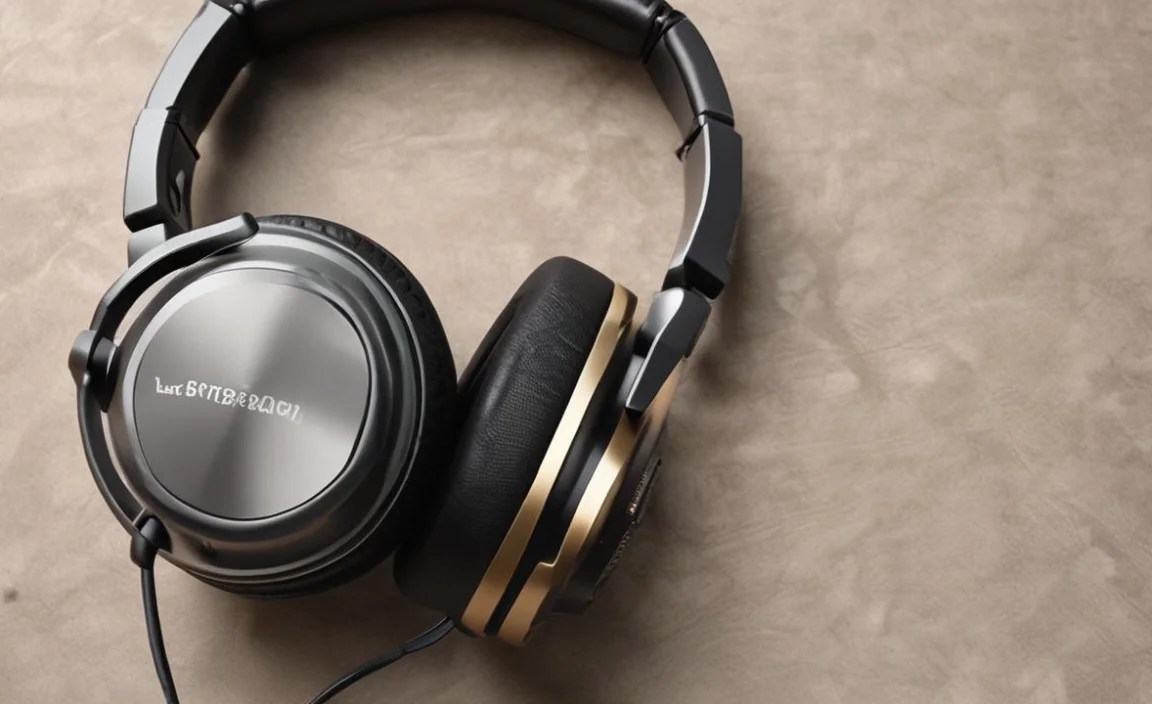
Feeling a bit overwhelmed? Don’t be! Let’s break down how to make your decision with a few simple steps.
-
Define Your Primary Use Case:
- Will you be using them mainly at home for quiet listening? (Open-back over-ears might be ideal).
- Are you commuting or traveling frequently? (Closed-back over-ears with ANC or quality IEMs are great).
- Do you need them for workouts or active lifestyles? (IEMs with a secure fit are usually best).
-
Set Your Budget:
Headphones can range from $20 to over $1000. Decide how much you’re comfortable spending. This will narrow down your options significantly. Remember, there are excellent choices at every price point.
-
Consider Your Listening Environment:
If you’re often in noisy places, noise isolation (passive or active) is a priority. If you listen in a quiet room, open-back designs can offer a more engaging soundstage.
-
Think About Comfort:
If you listen for hours on end, comfort is non-negotiable. Read reviews, and if possible, try headphones on before buying. Pay attention to earcup material, clamping force, and overall weight.
-
Read Reviews from Trusted Sources:
Look for in-depth reviews from websites that specialize in audio, like Head-Fi.org, AudiophileON, or professional tech reviewers. Pay attention to what they say about sound signature, build quality, and comfort.
-
Prioritize Sound Signature (If You Know It):
Do you like boosted bass, or do you prefer a neutral, accurate sound to hear instruments as they were recorded? This is more of an advanced consideration, but if you know you prefer a certain type of sound, factor that in.
Comparison Table: Key Features at a Glance
Let’s put some of the popular categories side-by-side to help you visualize the differences.
| Headphone Type | Best For | Soundstage | Noise Isolation | Portability | Typical Price Range |
|---|---|---|---|---|---|
| Open-Back Over-Ear | Critical listening at home, audiophiles | Wide & Natural | Poor | Low | $$ – $$$$ |
| Closed-Back Over-Ear | Versatile use, travel, office | Moderate | Good (Passive) | Moderate | $$ – $$$$ |
| On-Ear | Casual listening, compromise between portability and over-ear | Moderate | Fair | Good | $ – $$$ |
| In-Ear Monitors (IEMs) | Portability, fitness, commuting | Narrower (can vary) | Excellent (Passive) | Excellent | $ – $$$$ |
| ANC Headphones | Travel, noisy environments | Variable (can be compressed by ANC) | Excellent (Active & Passive) | Good | $$ – $$$$ |
Headphone Maintenance: Keeping Your Music Sounding Fresh
To ensure your new favorite headphones last and maintain their sound quality, a little care goes a long way. It’s simpler than you think!
