
Quick Summary: Finding the best headphones for music and movies involves understanding your listening habits and preferences. This guide breaks down types of headphones, key features like sound quality and comfort, and budget considerations, helping you make an informed choice for an immersive audio experience at home or on the go.
Best Headphones For Music And Movies: Your Essential Deep Dive
Hey there, audio adventurers! Edward Cavitt here from headphonehorizon. Ever felt like your favorite music just isn’t hitting the right notes, or that explosion in your movie is more of a pop? The culprit might just be your headphones. Choosing the right pair can transform mundane listening into a truly captivating experience. But with so many options out there, it’s easy to get lost in the jargon. Don’t worry, that’s where I come in! This guide is designed to be your friendly neighborhood audio expert, cutting through the noise to help you find the perfect headphones for both your music playlists and cinematic adventures.
Understanding Headphone Types: What’s the Big Difference?
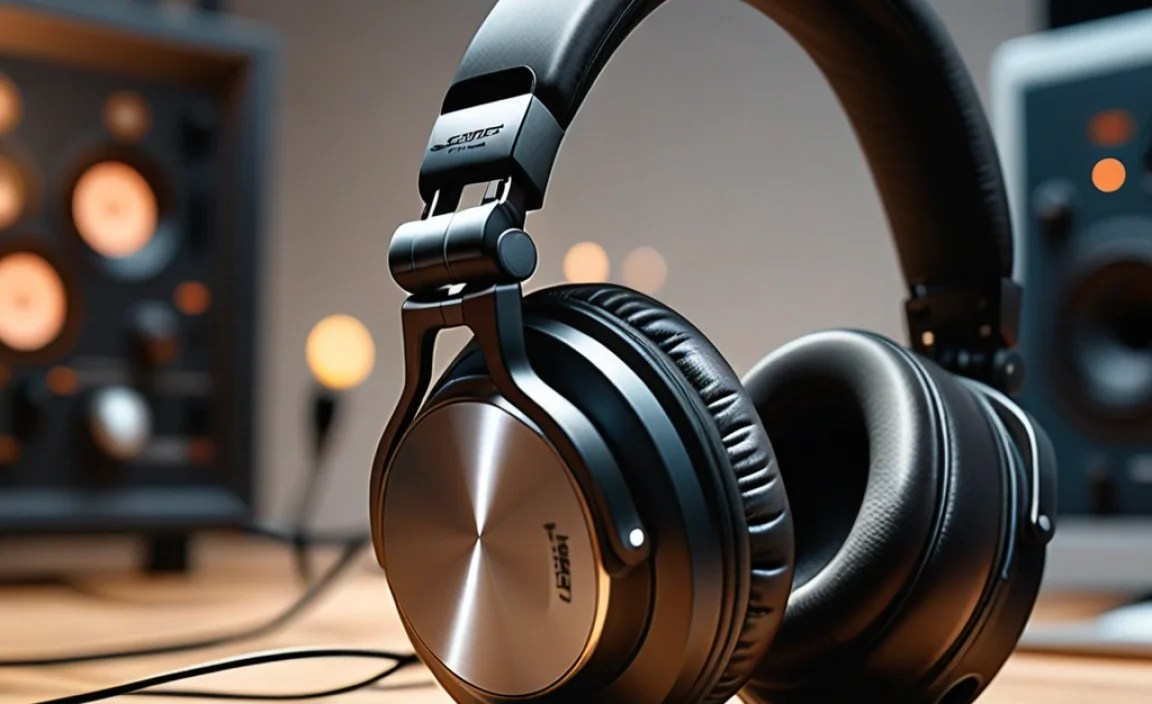
Before we dive into specific features, let’s get acquainted with the main players in the headphone world. Each type offers a different listening experience, making them better suited for certain situations.
1. Over-Ear Headphones
These are the classic, cups-that-surround-your-ears style. They offer a comfortable fit for long listening sessions and tend to provide the best sound isolation and immersion. They’re fantastic for both detailed music listening and getting lost in movie soundscapes.
- Closed-Back: The earcups are sealed. This means great noise isolation, preventing sound from leaking out and keeping outside distractions at bay. Perfect for noisy environments or when you don’t want to disturb others.
- Open-Back: The earcups have perforations, allowing air and sound to pass through. This creates a wider, more natural soundstage, often preferred for critical music listening in quiet environments. However, they offer little to no noise isolation and sound can leak out.
2. On-Ear Headphones
Smaller than over-ear, these rest directly on your ears. They’re generally more portable and can be more comfortable for some users, but they might not offer the same level of immersion or noise isolation as over-ear models. Sound leakage can also be more noticeable.
3. In-Ear Monitors (IEMs) / Earbuds
These go inside your ear canal, creating a seal that offers excellent noise isolation. They are incredibly portable and great for active lifestyles, commuting, or when you need a discreet listening option. While some high-end IEMs offer incredible audio fidelity, smaller models can sometimes lack the broader soundstage of over-ear headphones.
Key Features for Music and Movie Lovers

Now that we know the types, let’s talk about what really makes a headphone shine for your specific needs:
1. Sound Quality: The Heart of the Matter
This is arguably the most crucial factor. You want headphones that reproduce sound accurately and pleasingly, whether it’s the subtle strum of a guitar or the booming roar of a dragon.
- Frequency Response: This refers to the range of sound frequencies a headphone can reproduce, measured in Hertz (Hz). A wider range (e.g., 20Hz to 20,000Hz, which is roughly the range of human hearing) is generally better. For music, you might want a headphone that emphasizes either a thumping bass, clear mids (for vocals and instruments), or crisp highs. For movies, a good balance, with emphasis on dynamic range (the difference between the loudest and quietest sounds), is key.
- Soundstage: This is how “wide” or “spacious” the sound feels. Open-back headphones typically excel here, making you feel like the sound is coming from around you, not just inside your head. This is fantastic for movies, creating a more immersive, theater-like experience.
- Imaging: This refers to the headphone’s ability to accurately place individual sounds within the soundstage – where is that whisper coming from? Where did that bullet whiz past? Excellent imaging enhances both music and movie enjoyment.
- Distortion: Lower distortion means cleaner, more accurate sound, especially at higher volumes.
2. Comfort: For Extended Listening Sessions
If your headphones aren’t comfortable, you won’t want to wear them, no matter how good they sound. For long movie marathons or extended music listening, comfort is paramount.
- Earcups and Pads: Look for plush, breathable materials like memory foam or velour. Over-ear headphones should have cups large enough to not press on your ears.
- Headband: It should be padded and adjustable, distributing weight evenly without pinching.
- Weight: Lighter headphones are generally more comfortable for longer periods.
- Clamping Force: The pressure exerted by the headphones to stay on your head. Too tight and it’s uncomfortable; too loose and they’ll fall off.
3. Noise Isolation and Cancellation
This is where the rubber meets the road for immersion. How well do they block out the outside world?
- Passive Noise Isolation: Achieved through the physical design of the headphones – a good seal on in-ear monitors or closed-back over-ear designs.
- Active Noise Cancellation (ANC): This technology uses microphones to detect ambient noise and generate counter-frequencies to cancel it out. It’s incredibly effective for commuting or noisy environments but can sometimes slightly alter the sound quality and adds to the cost. For pure movie immersion in a quiet room, ANC might not be as critical as a great seal.
4. Connectivity: Wired vs. Wireless
This choice depends on your lifestyle and priorities.
- Wired: Generally offer the best sound quality for the price, with no latency issues. Essential for audiophiles and professional use. You’ll need to consider the cable length and its durability.
- Wireless (Bluetooth): Offer freedom of movement. Look for Bluetooth versions (e.g., Bluetooth 5.0 or higher) for better stability and range. Codecs like aptX HD and LDAC can improve audio quality over wireless, but your source device (phone, laptop) also needs to support them. Battery life is a key consideration here.
- True Wireless: Completely cable-free earbuds. Excellent for portability and sports, but battery life and sound quality can vary greatly.
5. Durability and Build Quality
You want headphones that will last. Look for good materials (metal, sturdy plastic), solid hinges, and a well-constructed cable if you go wired.
Top Headphone Picks for Music and Movies (Beginner-Friendly Categories)

Let’s break down some excellent choices based on what you might be looking for. Prices can vary, so this is a general guide.
Category 1: Best All-Around (Great for Both Music & Movies)
These headphones strike a brilliant balance between detailed audio reproduction for music and immersive sound for movies. They’re often closed-back over-ear designs for good isolation.
| Feature | Example Models (Illustrative) | Why They Shine |
|---|---|---|
| Sound Quality | Sony WH-1000XM5, Bose QuietComfort Ultra Headphones | Excellent clarity, good bass response, balanced mids and highs. ANC helps block distractions for deeper immersion. |
| Comfort | [Same as above] | Plush earcups, well-padded headbands, generally lightweight for extended wear. |
| Noise Isolation | [Same as above] | Industry-leading Active Noise Cancellation is fantastic for blocking out the world. |
| Connectivity | Wireless (Bluetooth) with multipoint pairing (connect to two devices at once). | Convenient for switching between your phone and laptop or TV. |
| Best For | Commuters, frequent travelers, home users wanting a premium, versatile experience. | You get top-tier ANC and superb audio for both entertainment and general listening. |
Category 2: Best for Immersive Movie Experiences (Home Theater Feel)
If you prioritize that cinematic “wow” factor and enjoy detailed soundscapes, these might be for you. Open-back designs often win here, but some closed-back can also deliver.
| Feature | Example Models (Illustrative) | Why They Shine |
|---|---|---|
| Sound Quality | Sennheiser HD 560S (Open-Back), Beyerdynamic DT 770 Pro (Closed-Back) | Wide, natural soundstage (especially open-back) that places you in the middle of the action. Excellent detail retrieval for dialogue and effects. |
| Comfort | [Same as above] | Designed for long periods of wear, often with comfortable velour pads. |
| Noise Isolation | Low (Open-back), Good (Closed-back) | Open-back models offer fantastic fidelity but let sound in and out. Closed-back offers better isolation if you need it. |
| Connectivity | Primarily Wired | Ensures the highest audio fidelity without compression. |
| Best For | Home cinema enthusiasts, gamers, critical music listeners in quiet environments. | These headphones aim to recreate the feeling of being in a theater or at a live concert. |
Category 3: Best Value (Great Sound Without Breaking the Bank)
You don’t need to spend a fortune for good audio. These options offer a fantastic bang for your buck, delivering enjoyable sound for music and movies.
| Feature | Example Models (Illustrative) | Why They Shine |
|---|---|---|
| Sound Quality | Audio-Technica ATH-M40x, Anker Soundcore Q45 | Balanced, clear sound that’s enjoyable for various content. Good bass presence without being overpowering. |
| Comfort | [Same as above] | Decent padding and a comfortable fit for their price point. |
| Noise Isolation | Good (Closed-back) | Effectively blocks out moderate ambient noise. |
| Connectivity | Wired and Wireless options available. | Versatile for different uses. |
| Best For | Students, budget-conscious buyers, anyone looking for a solid, reliable daily driver. | Get a great listening experience without a premium price tag. |
Category 4: Best True Wireless Earbuds (Portability & Convenience)
For ultimate freedom and portability, these are king. Newer models offer impressive sound and features.
| Feature | Example Models (Illustrative) | Why They Shine |
|---|---|---|
| Sound Quality | Apple AirPods Pro (2nd Gen), Sony WF-1000XM5, Jabra Elite 8 Active | Surprisingly good audio for their size, with decent bass and clarity. Some offer spatial audio for immersive movie sound. |
| Comfort | [Same as above] | Small, lightweight, and come with multiple ear tip sizes for a secure fit. |
| Noise Isolation | Excellent (Passive and Active Noise Cancellation) | The in-ear seal provides good isolation, enhanced by ANC on premium models. |
| Connectivity | Wireless (Bluetooth) with charging cases for extended battery life. | Super convenient for everyday use and on-the-go listening. |
| Best For | Commuters, gym-goers, travelers, anyone prioritizing wire-free convenience. | Compact power for excellent audio wherever life takes you. |
Essential Features Explained in Plain English
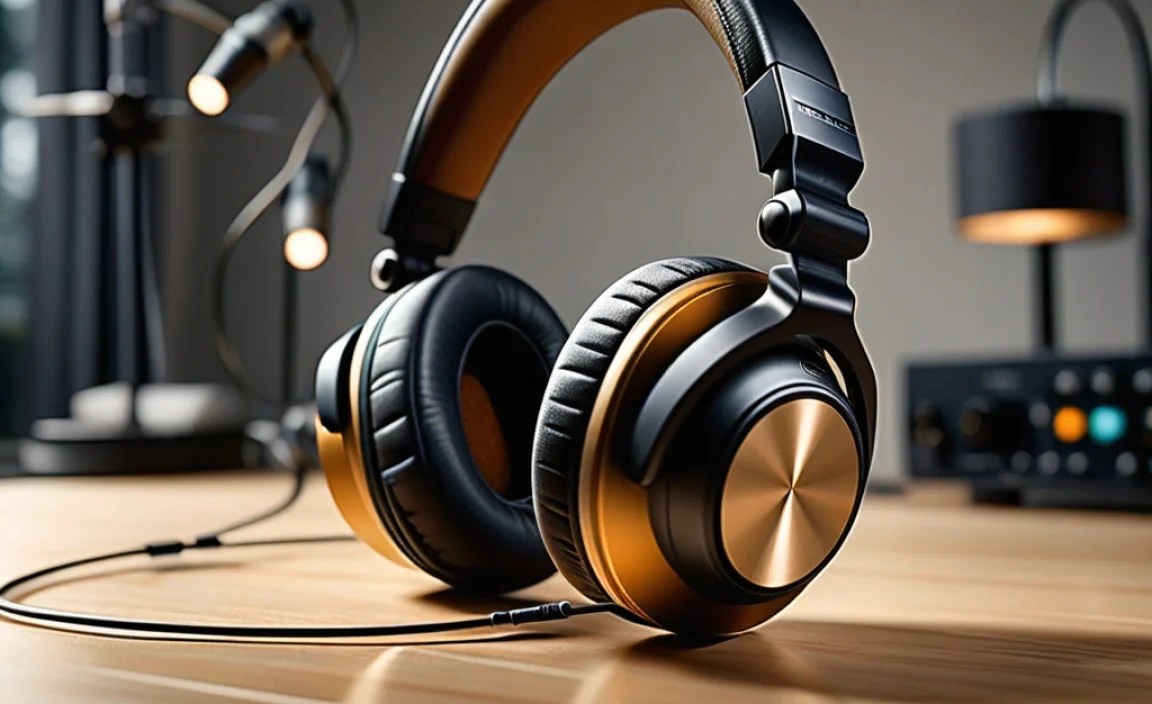
Let’s demystify some terms you’ll hear when shopping:
1. Drivers: The Heartbeat of Your Headphones
These are the small speakers inside your headphones that actually produce sound. The size and type of driver significantly impact sound quality. Larger drivers generally produce more powerful bass and a wider frequency range. You’ll often see terms like “dynamic drivers” (most common, good all-around) or “balanced armature drivers” (often found in IEMs, known for intricate detail).
2. Impedance (Ohms): How Much Power They Need
This measure tells you how much electrical resistance the headphone drivers have. Lower impedance (e.g., 32 ohms) means they can be easily driven by most devices like smartphones and laptops. Higher impedance (e.g., 80 ohms or more) often indicates a headphone designed to sound its best when paired with a dedicated amplifier, which can give you cleaner, more powerful sound for sensitive home setups.
For beginners, sticking to headphones with impedance around 32 ohms or less is usually a safe bet for compatibility with most devices.
3. Sensitivity (dB): How Loud They Get
This indicates how loud the headphones can get for a given amount of power. Higher sensitivity (e.g., 100 dB or more) means they’ll get relatively loud even from a phone or basic audio player. Lower sensitivity might require more power from your source or an amplifier.
4. Bluetooth Codecs: The Wireless Language
When you go wireless, your headphones and device communicate using “codecs.” Think of them as the ‘languages’ they speak. Common ones include:
- SBC: The basic, universal codec. Works with all Bluetooth devices but offers the lowest quality.
- AAC: Popular with Apple devices, offering better quality than SBC.
- aptX / aptX HD: Common on Android devices, providing higher quality audio than SBC and AAC. aptX HD is even better.
- LDAC: Sony’s high-resolution codec, capable of delivering the most detailed wireless audio, but requires both device and headphones to support it, and a stable connection.
For the best wireless sound, look for support for aptX HD or LDAC if your phone or computer also supports them.
Tips for Getting the Best Experience
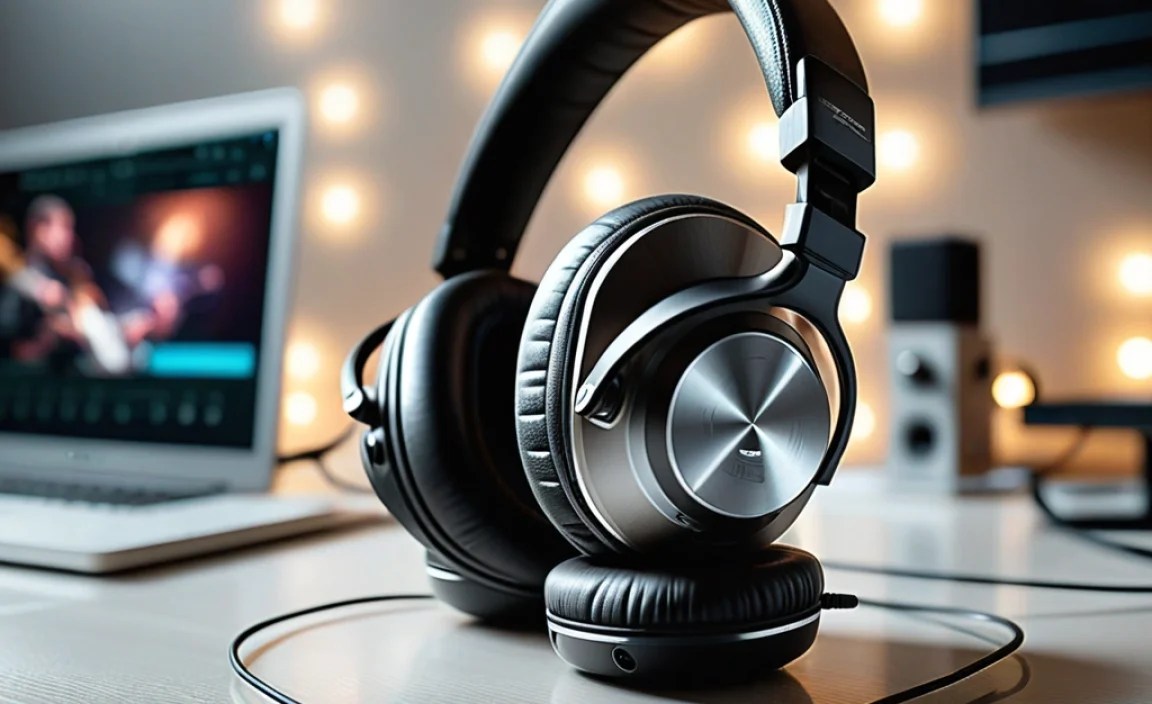
Once you’ve chosen your headphones, here are some ways to maximize your enjoyment:
- Get a Proper Fit: For both on-ear and in-ear headphones, a good seal is crucial for sound quality (especially bass) and noise isolation. Experiment with different ear tips or ear pads until you achieve a comfortable, secure fit.
- Equalization (EQ): Many headphones, especially wireless ones, have companion apps that allow you to adjust the sound to your liking. If music sounds too bass-heavy or vocals are too quiet, try tweaking the EQ settings. A great resource for understanding sound frequency can be found on the Auditory Neuroscience website, which explains the range of human hearing.
- Check Your Source Quality: Even the best headphones can’t work miracles with low-quality audio files (like heavily compressed MP3s). Consider using higher-fidelity streaming services or lossless audio files for music when possible. For movies, ensure your streaming service is set to the highest quality audio.
- Break Them In (Sometimes): Some headphones, particularly those with newer drivers, can sound slightly different after a few hours of use. While not as dramatic as with older audio equipment, it’s worth noting that sound can subtly change and settle in.
- Placement Matters: For open-back headphones, being in a quiet environment is key to appreciating their wide soundstage. For closed-back or ANC headphones, wear them properly to ensure the best seal and noise cancellation effectiveness.
Troubleshooting Common Headphone Issues
Don’t let minor problems ruin your listening. Here are some quick fixes:
- One Earbud/Headphone Not Working:
- Wireless: Try cleaning the charging contacts on the earbud and in the case. Re-pair the earbuds to your device.
- Wired: Check the cable connection at both the headphone and the device. Inspect the cable for any visible damage. Try different devices to see if the issue persists.
- Low Volume:
- Ensure your device’s volume is turned up.
- Check if the headphones are connected via Bluetooth and
