
Choosing the best headphones for PC gaming enhances immersion and communication. This guide breaks down essential features like audio quality, comfort, microphone performance, and connectivity. We cover wired vs. wireless, surround sound, and budget considerations to help you find the perfect pair for your gaming adventures.
Best Headphones PC Gaming: Your Essential Guide for Ultimate Immersion

Hey everyone, Edward Cavitt here from headphonehorizon! Diving into the world of PC gaming is an adventure, and the right pair of headphones can transform your experience from good to absolutely epic.
Think about it: pinpointing enemy footsteps, feeling the rumble of an explosion, and chatting clearly with your teammates – that all hinges on your audio gear. But with so many options out there, it can feel a little overwhelming, right?
Don’t worry, that’s exactly why I’m here! We’re going to demystify the jargon and walk through everything you need to know to pick the best headphones PC gaming has to offer, ensuring you get the most immersive and enjoyable gaming sessions possible. Let’s get started!
Why Your Headphones Matter for PC Gaming

It’s easy to overlook just how crucial good headphones are for PC gaming. They aren’t just for listening; they are your sensory gateway into the game’s world. High-quality audio allows you to:
- Enhance Immersion: Hear the subtle nuances of the game environment, from rustling leaves to distant thunder, making you feel truly present.
- Gain a Competitive Edge: Precisely locate enemy positions based on sound cues. Knowing if that footstep is to your left, right, above, or below can be the difference between victory and defeat.
- Improve Communication: A clear microphone ensures your teammates hear your callouts and strategies without frustration, fostering better teamwork.
- Enjoy a Richer Experience: Music, dialogue, and sound effects are delivered with detail and depth, making the overall gaming experience more enjoyable and engaging.
Investing in the right pair of headphones isn’t just a luxury; it’s an essential component for any serious PC gamer looking to maximize their enjoyment and performance. Imagine experiencing cinematic soundscapes and executing perfect flanking maneuvers because you heard every detail – that’s the power of good gaming audio.
Key Features to Consider When Buying PC Gaming Headphones

When you’re on the hunt for the best headphones PC gaming has to offer, several key features will guide your decision. Let’s break them down in simple terms:
1. Audio Quality: The Heart of the Sound
This is paramount! Good audio quality means you can hear the game as the developers intended. We’re looking for clarity, accuracy, and a good soundstage.
- Frequency Response: Headphones reproduce a range of sound frequencies. A wider range (e.g., 20Hz to 20kHz, which is the typical human hearing range) usually means better detail. For gaming, clear mids and highs are crucial for footsteps and dialogue, while good bass adds impact to explosions.
- Soundstage: This refers to how “spacious” the audio sounds. A wide soundstage helps you pinpoint where sounds are coming from in the game world, crucial for tactical awareness.
- Driver Size: Drivers are the small speakers inside the headphones. Larger drivers (typically 40mm or 50mm) often produce a more robust and detailed sound, with better bass response.
2. Comfort: For Those Marathon Sessions
You’re going to be wearing these for hours, so comfort is non-negotiable. Uncomfortable headphones can be a major distraction and can even lead to headaches or ear strain. When looking for the best headphones PC gaming setup, prioritize:
- Earcup Material: Look for breathable materials like velour or fabric. Leather or pleather can feel nice initially but can get warm and sweaty over long periods.
- Headband Padding: A well-padded headband distributes weight evenly across your head, preventing pressure points.
- Clamping Force: The headphones should fit snugly but not too tight. Too much force can cause discomfort, while too little means they might slip off.
- Weight: Lighter headphones are generally more comfortable for extended wear.
3. Microphone Performance: Talk Like a Pro
If you play multiplayer games, a good microphone is vital for seamless communication. You want your voice to be heard clearly by your teammates.
- Clarity and Noise Cancellation: A good mic will pick up your voice without excessive background noise (like keyboard clicks or fan hum). Many gaming headsets feature noise-canceling technology to isolate your voice.
- Detachable/Retractable Mics: This is a great feature if you also use your headphones for music or general use, as you can tuck the mic away when not needed.
- Mic Placement: A flexible boom mic that can be positioned close to your mouth ensures the best voice pickup.
4. Connectivity: Wired vs. Wireless
This is a big one, and it often comes down to personal preference and budget.
- Wired Headphones:
- Pros: Generally offer the best audio quality for the price, no latency (delay), no need to charge.
- Cons: Cable can be restrictive and get tangled.
- Wireless Headphones:
- Pros: Freedom of movement, no tangled cables.
- Cons: Can be more expensive, require charging, potential for latency (though modern wireless tech is very good), may have slightly lower audio quality than equivalent wired models at the same price point.
For competitive gaming where split-second reaction times matter, wired is often preferred due to zero latency. For more casual or immersive single-player experiences, high-quality wireless can be fantastic.
5. Surround Sound: Is It Worth It?
Surround sound in headphones can be a game-changer for immersion and directional audio accuracy. There are a few types:
- Virtual Surround Sound (vSS): This is the most common. The headphone’s software or hardware processes stereo audio to simulate sounds coming from different directions. It’s good for creating a wider soundstage and a sense of positional audio. Look for technologies like Dolby Atmos for Headphones or DTS Headphone:X, which offer highly customizable virtual surround sound experiences. You can learn more about the benefits of spatial audio at Dolby’s official site.
- True Surround Sound: Some very high-end headphones might have multiple small drivers in each earcup to simulate true surround sound channels (like 5.1 or 7.1). These are less common and can sometimes sound directional or less cohesive than well-implemented virtual surround.
For most gamers, a good set of stereo headphones with excellent virtual surround sound capabilities will provide a fantastic positional audio experience.
6. Durability and Build Quality
Gaming can be intense, and our gear takes a beating. Look for headphones built with robust materials. Metal construction for the headband or yokes is a good sign of longevity compared to all-plastic designs. Hinges and adjustable parts should feel solid.
7. Price Point: Finding the Sweet Spot
Headphones for PC gaming range from under $50 to well over $300. It’s about finding the best value for your budget. You don’t necessarily need the most expensive pair to get a great experience. For beginners, aiming for the $75-$150 range often provides an excellent balance of features, performance, and comfort.
Types of PC Gaming Headphones: A Quick Rundown

When you’re browsing, you’ll notice different styles. Here’s a quick look:
- Gaming Headsets: These are purpose-built for gaming and almost always include a microphone. They often feature enhanced features like RGB lighting, virtual surround sound software, and specific gaming-focused audio profiles.
- Audiophile Headphones: These are designed primarily for pristine music reproduction. They often have superior sound quality and comfort but may lack a built-in microphone. Gamers who prioritize absolute sound fidelity and already own a separate microphone (like a USB mic) might opt for these.
- In-Ear Monitors (IEMs): Also known as earbuds, these fit inside your ear canal. They offer excellent portability and can provide surprisingly good sound and noise isolation. Some have microphones. They are a great option for those who dislike over-ear headphones or need something compact.
Wired vs. Wireless: A Deeper Dive for Gamers
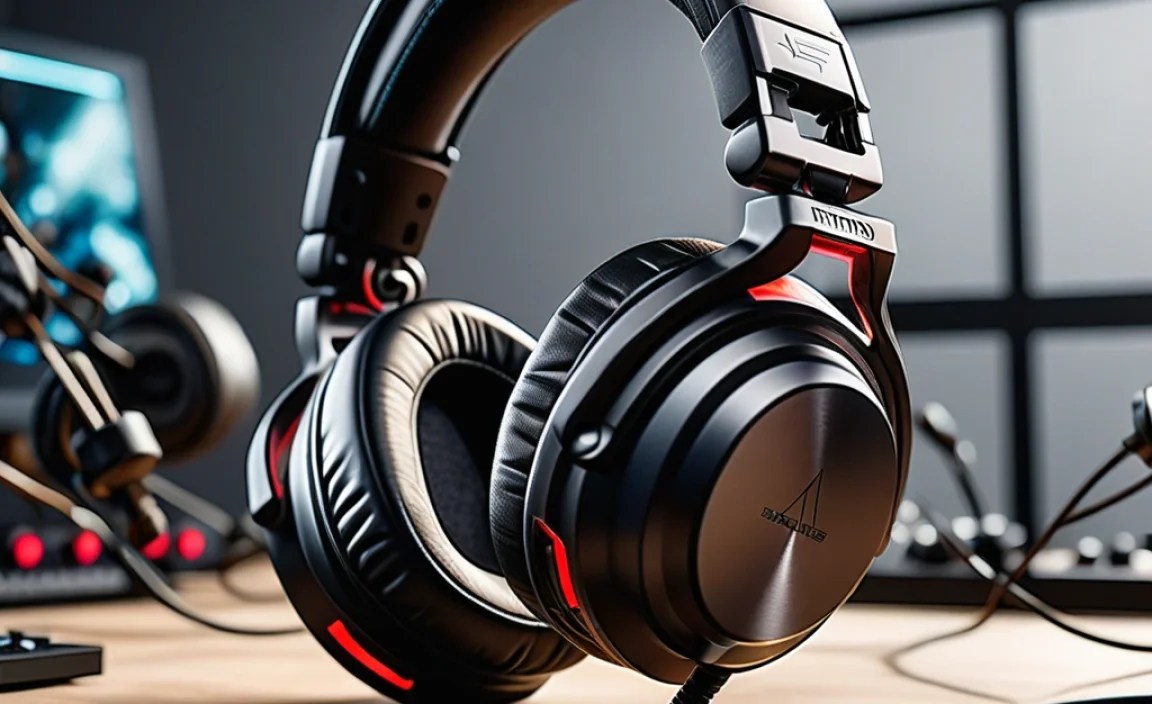
Let’s unpack the wired vs. wireless debate a bit further, as it’s a crucial fork in the road for many gamers.
Wired Advantages for PC Gaming
Wired headphones have been the reliable standard for decades, and for good reason:
- Zero Latency: This is the biggest win for wired. The sound reaches your ears the instant it’s generated by your PC. In fast-paced games like First-Person Shooters (FPS) or rhythm games, even a millisecond of delay can impact your reaction time. You can rely on that audio cue without question.
- Consistent Performance: No battery to worry about, no software dongles to connect (usually), and no worries about signal interference. They just work.
- Cost-Effectiveness: Generally, you get more audio performance per dollar with wired headphones compared to their wireless counterparts. The money saved can go towards better drivers or materials for audio quality.
- Universal Compatibility: Most wired headphones connect via a standard 3.5mm audio jack or USB, meaning they’ll work with virtually any PC, console, or even a smartphone with the right adapter.
Wireless Advantages for PC Gaming
Wireless technology has advanced dramatically, making it a compelling option for many:
- Unparalleled Freedom: The ability to get up, stretch, or grab a drink without being tethered to your PC is a significant convenience. This is especially true if you game on a large monitor where you might sit further away from your PC.
- Reduced Cable Clutter: A clean desk setup is something many of us strive for. Wireless headphones eliminate one more cable from the equation.
- Modern Connectivity: Many wireless gaming headsets use dedicated USB dongles that utilize low-latency 2.4GHz wireless technology. This is specifically designed to minimize audio delay, making them very competitive with wired options. Some also support Bluetooth, which is great for connecting to other devices but often has higher latency, making it less ideal for critical gaming.
- Convenience Features: Wireless models often incorporate features like on-ear controls for volume and microphone muting, which can be very handy.
Choosing Between Wired and Wireless
Here’s a quick way to decide:
Choose Wired if: You are a highly competitive gamer, play rhythm games, are on a tighter budget, or simply despise the idea of ever having to charge your headphones.
Choose Wireless if: You value convenience and freedom of movement, play more casual or story-driven games, and are willing to invest a bit more for the cable-free experience, ensuring you choose a model known for low latency.
Don’t forget to check out resources like Rtings.com’s headphone latency benchmarks for detailed comparisons of real-world delay across various models.
Essential Features and Technologies Spotlight
Beyond the basics, some specific technologies can elevate your gaming audio experience.
Open-Back vs. Closed-Back Designs
This refers to how the earcup is constructed:
- Closed-Back Headphones:
- Pros: They seal sound in, providing excellent noise isolation. This means less ambient noise gets in, and your game audio doesn’t leak out for others to hear. They also tend to have more pronounced bass.
- Cons: Can feel a bit stuffy or warm on the ears over time. The soundstage might feel less expansive than open-back designs.
- Open-Back Headphones:
- Pros: They have perforated earcups that allow air and sound to pass through. This creates a wider, more natural, and immersive soundstage, similar to listening to speakers. They are also generally more breathable and comfortable.
- Cons: Very poor noise isolation. Anyone around you will hear your game, and you’ll hear everything around you. Not ideal for noisy environments or for playing at night when others are sleeping.
For most PC gaming scenarios, especially in shared living spaces or if you want to block out distractions, closed-back headphones are the more practical choice. If you game in a quiet, private room and crave the most natural sound, open-back headphones are worth considering.
Detachable Cables and Modular Components
A feature that adds great value is a detachable cable. If the cable frays or gets damaged, you can simply unplug it and replace it instead of the entire headset. Similarly, some high-end headsets offer detachable microphones or swappable earpads, extending the life and versatility of your equipment.
USB vs. 3.5mm Jack Connectivity
- 3.5mm Jack: This is your standard analog audio connection. It’s widely compatible and simple. The audio quality depends heavily on your PC’s built-in sound card (motherboard audio).
- USB: Headphones that connect via USB often have a built-in Digital-to-Analog Converter (DAC) and amplifier. This can bypass your PC’s often less-than-stellar onboard audio, potentially providing cleaner, better-sounding audio. Many USB headsets also come with dedicated software for customization.
If your PC’s onboard audio isn’t great, a USB headset or a good pair of 3.5mm headphones paired with a dedicated external DAC/amp (like a Schiit Fulla, for example) can significantly improve sound quality.
Top Features for Different Gaming Genres
Do you play a variety of games? Different genres might benefit from specific headphone features:
- First-Person Shooters (FPS) / Tactical Shooters: Prioritize excellent directional audio and a wide soundstage for pinpointing enemy locations. Virtual surround sound is a big plus here.
- MMORPGs / Story-Rich Games: Focus on immersive audio quality, clear voice acting, and comfortable wear for long sessions. A good balance of all frequencies is important to appreciate the game world’s sound design.
- Sports Games / Racing Games: Clear, impactful audio for crowd noise, engine sounds, and commentary is key. A good dynamic range is beneficial.
- Rhythm Games: Absolutely zero latency is critical. Wired headphones are almost always the way to go here.
Putting it All Together: A Buyer’s Checklist
Here’s a handy checklist to help you evaluate your options and make the best decision:
- Define Your Budget: How much are you willing to spend?
- Wired or Wireless? Consider your priorities: latency, freedom, or cost.
- Comfort is King: Read reviews focusing on long-term wearability. Check earcup material and headband padding.
- Audio Fidelity: Look for descriptions of soundstage and clarity. Do you prefer a neutral sound or something with more punchy bass?
- Microphone Quality: If voice chat is important, check for mic clarity and noise cancellation features. Is it detachable?
- Surround Sound Needs: Is virtual surround a must-have for your preferred games?
- Open-Back or Closed-Back? Consider your gaming environment and need for sound isolation.
- Build Quality: Look for durable materials and solid construction.
- Read Reviews: Trust reputable tech sites and user reviews to get a real-world perspective.
Popular Brands and Models to Consider (Examples)
While I can’t give a definitive “best” as it’s subjective, here are some brands and types of headphones that consistently receive high marks in the PC gaming community. It’s always best to check the latest reviews for current models.
| Brand | Example Models/Series | Key Strengths | Considerations |
|---|---|---|---|
| Logitech | G Pro X, Lightspeed Series | Comfort, good microphones, often good value | Sound can be a bit processed for some audiophiles |
| HyperX | Cloud II, Cloud Alpha | Exceptional comfort, durable, well-balanced sound | Wireless options are good but wired is usually top-tier value |
| SteelSeries | Arctis Nova Series, Arctis Pro |
