
Quick Summary: Traveling by plane? Find the best headphones for a peaceful journey. We cover top picks focusing on comfort, noise cancellation, and sound quality. Learn what features matter most to make your flight more enjoyable, from reducing engine hum to immersive audio for entertainment.
Best Headphones for Plane Travel: Essential Comfort for Your Journey
Ah, air travel! The thrill of a new destination often comes with the droning symphony of airplane engines, chatty seatmates, and the general cacophony of a crowded cabin. For many, finding a moment of peace or enjoying your in-flight entertainment can feel like a distant dream. But what if I told you that the right pair of headphones could transform your flying experience from stressful to serene? As Edward Cavitt from Headphone Horizon, I’m here to guide you through selecting the absolute best headphones for plane travel, focusing on what truly matters: essential comfort and tranquility. Forget tinny earbuds and uncomfortable earcups; we’re talking about creating your personal oasis of sound, even at 35,000 feet.
Why the Right Headphones Matter on a Plane

It’s more than just listening to music; it’s about creating your own environment. Airplane cabins are notoriously noisy places. The constant, low-frequency hum of the engines can be incredibly fatiguing, and even with noise-canceling technology, it can seep in and disrupt your focus, your relaxation, or your sleep. Beyond the mechanical noise, there are the human elements: crying babies, loud conversations, and the general hustle of boarding and disembarking. The best headphones for plane travel act as your personal shield against this sonic onslaught, allowing you to:
- Reduce Fatigue: Constant noise can be physically and mentally draining. Quieting the ambient sounds helps you arrive at your destination feeling more rested.
- Enjoy Your Entertainment: Whether it’s a movie, podcast, or your favorite playlist, background noise can significantly degrade audio quality. Good headphones let you hear every detail.
- Sleep Better: For long flights, being able to block out distractions is crucial for getting quality sleep.
- Stay Focused: If you need to work or read during your flight, noise-canceling headphones are invaluable.
Key Features to Look For in Airplane Headphones

When you’re scanning the shelves or browsing online for your perfect travel companions, several core features will make a significant difference. It’s not just about brand name; it’s about how these features cater to the unique demands of air travel.
Active Noise Cancellation (ANC) is King
This is arguably the most crucial feature for airplane headphones. ANC technology uses microphones to detect ambient noise and then generates an opposite sound wave to cancel it out. Most airplane noise, especially the engine hum, is in a consistent range that ANC is particularly adept at neutralizing. Look for headphones with robust and adjustable ANC capabilities.
Comfort is Non-Negotiable
You’ll likely be wearing these headphones for hours. This means they need to be lightweight, have plush earcups that fit comfortably around your ears (over-ear designs are generally preferred for long wear), and a headband that doesn’t pinch or cause pressure points. Memory foam earcups and adjustable headbands are good indicators of comfort.
Battery Life Matters for Long-Haul Flights
A dead battery is a quick way to turn a peaceful flight into a noisy ordeal. Aim for headphones that offer at least 20-30 hours of battery life on a single charge. Many also offer quick charging capabilities, so even a short power boost can give you several hours of playback.
Sound Quality for Immersive Listening
While ANC is paramount, you still want your audio to sound good. Look for headphones that offer a balanced sound profile, whether you prefer a neutral sound for podcasts and calls or a slightly more enhanced bass for music. Clear mids and crisp highs will make your movies and music more enjoyable.
Portability and Build Quality
Consider how easy the headphones are to pack. Many travel-focused headphones are foldable or come with a compact carrying case. A durable build ensures they can withstand the rigors of travel – being tossed in a carry-on, pulled out in cramped spaces, and potentially exposed to occasional bumps.
Connectivity Options
- Bluetooth: Standard for most modern headphones, offering wireless convenience. Look for stable Bluetooth versions (like 5.0 or higher) for reliable connections.
- Wired Option: A lifesaver if the battery dies or if you need to connect to older in-flight entertainment systems. Many headphones come with a 3.5mm audio cable.
Top Picks: Best Headphones for Plane Travel

Based on these criteria, here are a few highly recommended headphone models that consistently rank high for air travel. These are great starting points for your search, each offering a slightly different balance of features and price.
1. Sony WH-1000XM Series (e.g., WH-1000XM5)
Often considered the gold standard for ANC headphones, Sony’s WH-1000XM series is a perennial favorite for travelers. Their industry-leading noise cancellation is exceptional at muting engine noise and cabin chatter. They are also famously comfortable for long wear, boast impressive battery life, and deliver excellent sound quality. The XM5, their latest iteration, refines the design for even better comfort and call quality. They also offer intuitive controls and smart features like speak-to-chat.
2. Bose QuietComfort Series (e.g., QuietComfort Ultra Headphones)
Bose has long been synonymous with noise cancellation, and their QuietComfort line continues to impress. The QuietComfort Ultra Headphones offer a superb ANC experience, world-class comfort with soft earcups and a lightweight design, and a balanced, pleasing audio signature. They are designed for extended listening sessions and are a reliable choice for any traveler seeking peace and quiet.
3. Sennheiser Momentum 4 Wireless
Sennheiser is known for its audio fidelity, and the Momentum 4 Wireless headphones deliver on this front while also offering dynamic, adaptive noise cancellation. They boast an incredible battery life, a comfortable design suitable for long flights, and a refined sound that audiophiles will appreciate. The ANC is highly effective, making them a strong contender for travelers who prioritize both excellent sound and effective noise blocking.
4. Apple AirPods Max
If you’re an Apple ecosystem user, the AirPods Max offer a premium experience with excellent ANC, transparency mode, and spatial audio for an immersive listening experience. The build quality is exceptional, and while they are heavier than some rivals, the comfort is still very good thanks to the mesh canopy and aluminum design. Their primary drawback can be the price point and a slightly less compact design for packing, but the performance is undeniable.
Understanding Different Headphone Types for Travel
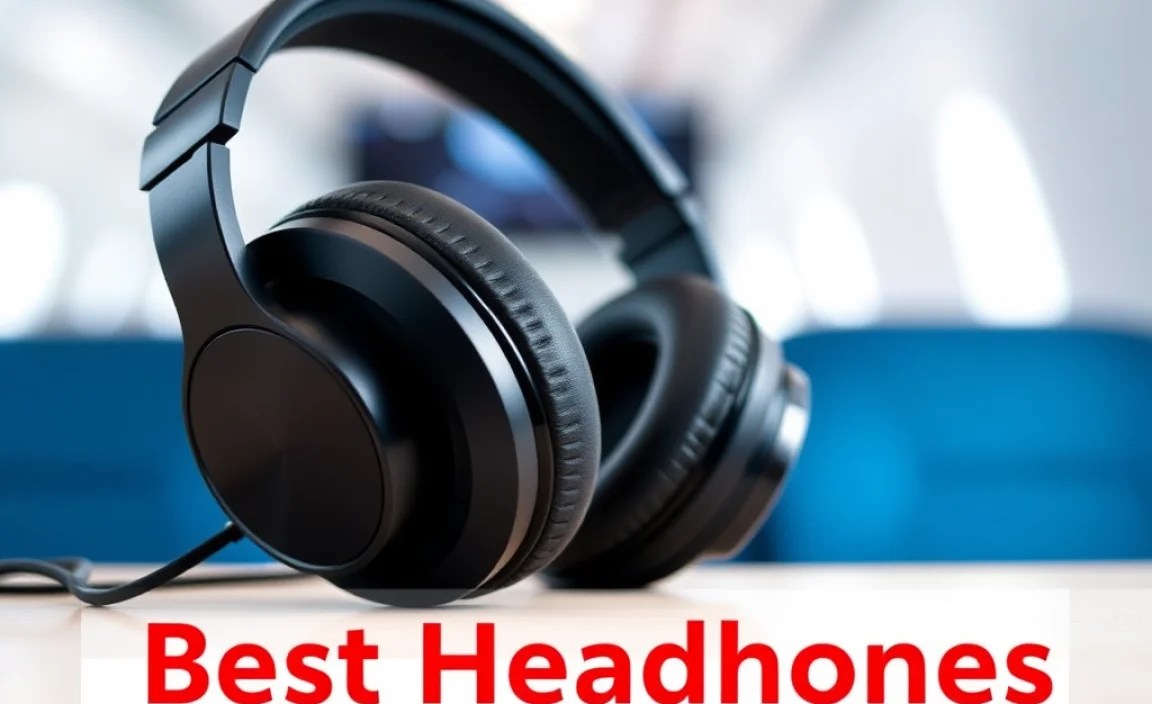
Not all headphones are created equal, especially when it comes to suitability for air travel. Here’s a quick breakdown of the common types and why some are better than others for your journey.
Over-Ear Headphones
These cups completely enclose your ears. They generally offer the best comfort for long durations, the most effective passive noise isolation (blocking out sound by physically covering your ears), and are typically where you’ll find the most advanced Active Noise Cancellation technology. For purely travel-focused use, they are often the top choice.
On-Ear Headphones
These rest directly on your ears. They are usually lighter and more compact than over-ear models but can become uncomfortable after extended wear due to pressure on the ears. Their passive noise isolation is less effective, and ANC performance can vary widely.
In-Ear Headphones / Earbuds
These fit inside your ear canal. They are the most portable and discreet. Noise-canceling earbuds (especially true wireless models) have improved dramatically. They are a great option if portability is your absolute top priority, but for pure ANC effectiveness and long-haul comfort, over-ear models often still have an edge.
Noise Cancellation Comparison for Flights
Active Noise Cancellation (ANC) is sophisticated technology. Its effectiveness can differ between models and even for different types of noise. For air travel, we’re primarily concerned with:
- Low-Frequency Hum: Engine noise, air conditioning. most modern ANC headphones excel here.
- Mid-Frequency Noise: Conversations, announcements. High-end ANC can reduce these significantly, but they are harder to eliminate entirely than hum.
Here’s a general comparison table for how different types of headphones tend to perform regarding ANC on planes:
| Headphone Type | ANC Effectiveness (Plane Noise) | Comfort (Long Haul) | Portability | Typical Use Case |
|---|---|---|---|---|
| Over-Ear (ANC) | Excellent | Excellent | Good (often foldable) | Primary choice for long flights, maximum immersion and quiet. |
| On-Ear (ANC) | Good | Fair to Good | Very Good | Shorter flights, those who dislike over-ear pressure. |
| In-Ear Earbuds (ANC) | Good to Very Good | Good to Excellent (depends on fit) | Excellent | Travelers prioritizing size and weight above all else. |
| Standard (No ANC) | Poor (relies on passive isolation) | Varies | Varies | Not recommended for noisy environments like planes. |
Making the Most of Your Headphones: Tips for Airplane Comfort
Once you’ve chosen your perfect pair, a few extra steps can ensure your flight is as comfortable and enjoyable as possible.
1. Familiarize Yourself Before You Fly
Don’t wait until you’re on the plane to unbox your new headphones. Take them for a spin at home. Understand the controls, how to pair them via Bluetooth, and test out the ANC. This prevents fumbling in your seat and ensures you know how to adjust settings if needed.
2. Charge Them Fully
This seems obvious, but it’s crucial! A full charge before your flight means you won’t have to worry about running out of power. If you have a particularly long journey, consider bringing a portable power bank for recharging.
3. Pack an Audio Cable
Even if your headphones are wireless, always pack the included audio cable. In-flight entertainment systems can sometimes be finicky with Bluetooth, or your battery might die unexpectedly. A cable ensures you can still connect.
4. Optimize Your ANC Settings
Many ANC headphones allow you to adjust the intensity of noise cancellation. Start with a moderate setting and increase it if needed. Sometimes, very high ANC can create a slight pressure sensation for some users, so finding your sweet spot is key.
5. Consider Your Ear Shape and Fit
For over-ear headphones, ensure the earcups create a good seal around your ears. For earbuds, experiment with the different ear tip sizes provided to get a snug, comfortable fit that also enhances passive noise isolation. A good seal is vital for both comfort and ANC effectiveness.
6. Keep Them Accessible
Don’t bury your headphones at the bottom of your luggage. Keep them in a pocket of your carry-on bag or in their case, ensuring you can easily pull them out when you board, when you want to relax, or when you need to block out noise.
Troubleshooting Common Headphone Issues on Flights
Even the best gear can encounter hiccups. Here are a few common problems and simple fixes:
Problem: Bluetooth Connection Drops
- Fix: Ensure your headphones and the in-flight system are within close range. Restart both devices. If connecting to an older in-flight system, ensure it supports Bluetooth audio or use the wired connection. Check for firmware updates for your headphones before you travel.
Problem: ANC Sounds Weak or Ineffective
This can happen if the seal around your ears isn’t perfect. For over-ear headphones, readjust the headband and earcup position. For earbuds, try a different size ear tip for a better fit. Environmental noise can also overwhelm ANC; some headphones have different ANC modes for various situations.
Problem: Headphones are Uncomfortable After a Few Hours
- Fix: Take a short break and remove the headphones for a few minutes. Ensure the headband isn’t clamped too tightly. If it’s a recurring issue with a specific model, consider a different design for future trips. The ideal fit is snug but not constricting.
Problem: Static or White Noise During Playback
- Fix: This can sometimes be interference. Try switching to a wired connection. Turn ANC off and on again. If using Bluetooth, try moving away from other electronic devices that might be causing interference. If the issue persists, there might be a hardware fault, and you may need to contact support.
The Science of Sound on Planes: Understanding Airplane Acoustics
It’s fascinating how much sound engineering goes into making flying more comfortable. Airplane cabins are full of noise sources, each with its own characteristics:
- Engine Noise: Primarily low-frequency, continuous drone. This is the rumble you feel as much as hear. It’s a prime target for ANC.
- Air Conditioning: Another source of constant, low to mid-frequency hiss and hum.
- Wind Noise: As the plane moves at high speed, air moving over the fuselage and wings creates noise.
- Cabin Activities: Passenger chatter, announcements, galley noise, and movement all contribute to mid and high-frequency sounds.
Passive noise isolation, which is the physical barrier your headphones create, is good at blocking higher frequencies (like voices). Active Noise Cancellation excels at targeting the persistent, lower frequencies that are most fatiguing and difficult to block otherwise. The combination of good passive isolation and effective ANC is the winning formula for flight headphones. For more on acoustics and noise reduction, the NASA offers insight into understanding and mitigating aircraft noise.
Headphones for Plane Travel: Frequently Asked Questions
Q1: Are noise-canceling headphones worth the extra cost for flying?
Absolutely! For frequent flyers or those who value peace and quiet on long journeys, the investment in effective noise-canceling headphones is well worth it. They significantly reduce fatigue, improve your ability to relax or sleep, and enhance your enjoyment of onboard entertainment.
Q2: Can I use any headphones on a plane?
Yes, you can use most headphones. However, for the best experience, especially for noise reduction and comfort, headphones specifically designed for travel with good ANC and a comfortable fit are recommended. Some older in-flight entertainment systems may require you to use a wired connection, so always check compatibility or have an adapter if needed.
Q3: How do I choose the right ear tip size for earbuds?
The goal is a snug fit that creates a seal within your ear canal. Try each size provided. The correct size should feel secure without causing pain, and it should prevent sound from leaking in or out when you’re not playing audio. You might feel a slight pressure if the seal is perfect. Ensure a good seal for optimal ANC and sound quality.
Q4: What’s the difference between Active Noise Cancellation (ANC) and Passive Noise Isolation?
Passive Noise Isolation is the physical blocking of sound through the design of the headphones (e.g., the earcup material, the seal around your ears). Active Noise Cancellation uses microphones and electronics to produce anti-noise waves that cancel out external sounds, particularly effective for low-frequency drones like airplane engines.
Q5: Can I use my wireless headphones on a plane?
Most airlines allow the use of Bluetooth headphones during flights, often permitted even during takeoff and landing, although it’s always wise to confirm with the airline. However, some older in-flight entertainment systems may not support Bluetooth connectivity, so bringing an audio cable is a smart backup.
Q6: How long should my headphones last on a flight?
For long-haul flights, aim for headphones with at least 20-30 hours of battery life on a single charge. Many premium travel headphones offer even more. Always ensure you fully charge them before your trip, and consider bringing a portable power bank for extended journeys.
Q7: Are over-ear or earbuds better for airplane comfort?
For most people, over-ear headphones offer superior comfort for extended wear as they distribute pressure more evenly and don’t insert directly into the ear canal, which can sometimes cause soreness. However, high-quality ANC earbuds can also be very comfortable and are significantly more portable.
Conclusion: Your Journey to Serene Skies
The journey aboard an airplane doesn’t have to be an endurance test against noise and discomfort. By understanding the essential features – paramount among them being effective active noise cancellation and supreme comfort – and by choosing from the high-performing options available, you can transform your travel experience. Whether you’re flying for business, pleasure, or visiting loved ones, the right headphones are an investment in your well-being, ensuring you arrive at your destination feeling refreshed and ready for whatever lies ahead. Take the time to find your perfect match, experiment with the tips provided, and prepare for a
