
Quick Summary: This guide simplifies choosing the best headphones. We’ll explore types, key features, and offer practical advice to help you find the perfect pair for your needs and budget, ensuring you get great sound without the confusion.
Hello there! Edward Cavitt here, your guide from Headphone Horizon. Navigating the world of headphones can sometimes feel like trying to tune into a distant radio station – a lot of static and confusing options. But don’t worry, finding the “best headphones to purchase” for your unique needs is absolutely achievable! Whether you’re a music aficionado, a student cramming for exams, a busy professional on the go, or just someone who enjoys a good podcast, the right pair of headphones can truly enhance your daily experience. We’re here to cut through the noise and make your journey to sonic bliss straightforward and enjoyable. Let’s dive in!
Understanding Headphone Types: Finding Your Perfect Fit

The first step in finding the best headphones to purchase is understanding the different styles available. Each type offers a unique experience, catering to various listening habits and environments. Let’s break down the most common categories:
Over-Ear Headphones
These are the classic, full-size headphones that completely enclose your ears. They generally offer the most comfortable fit for extended listening sessions and often provide the best sound quality and noise isolation.
- Circumaural: These fully surround your ears, providing excellent passive noise isolation.
- Supra-aural: These rest on your ears (on-ear). They are usually lighter but can sometimes be less comfortable for long periods and offer less noise isolation.
On-Ear Headphones
As mentioned, on-ear headphones sit directly on your ears. They are a good compromise between the portability of earbuds and the sound quality of over-ear models. They are often compact and lightweight.
In-Ear Headphones (Earbuds/IEMs)
These small buds fit directly into your ear canal, creating a seal. This seal is crucial for good bass response and effective noise isolation. They are incredibly portable and popular for workouts and commuting.
- True Wireless Stereo (TWS): These have no wires connecting the earbuds to each other or to your device. They are the epitome of convenience.
- Wired Earbuds: Traditional earbuds that connect via a cable, offering reliable performance and no need for charging.
Bone Conduction Headphones
A unique option, these don’t block your ear canal or cover your ears. Instead, they transmit sound vibrations through your cheekbones to your inner ear, leaving your ears open to ambient sound. Ideal for runners, cyclists, or anyone who needs to stay aware of their surroundings.
Key Features to Consider When Buying

Once you have a general idea of the headphone type that suits you, it’s time to look at the specific features that will influence your listening experience and your purchase decision. These are the elements that truly make a difference.
1. Sound Quality
This is arguably the most important aspect. Sound quality is subjective, but generally, you’ll want headphones that offer a balanced sound profile. This means clear highs (treble), rich mids (vocals and instruments), and defined lows (bass) without being overpowering.
- Frequency Response: This indicates the range of sound frequencies a headphone can reproduce. A wider range (e.g., 20Hz – 20kHz, the typical human hearing range) is good.
- Sound Signature: This refers to the overall balance of bass, mids, and treble. Some prefer a bass-heavy sound, others a clearer, more neutral tone.
2. Noise Cancellation (ANC – Active Noise Cancellation)
ANC technology uses microphones to detect ambient noise and then generates opposing sound waves to cancel it out. It’s fantastic for noisy environments like airplanes, trains, or busy offices. Keep in mind that ANC requires power, so ANC headphones usually need charging.
For more information on how noise cancellation works, you can refer to resources from organizations like the Audio Engineering Society, a trusted source for audio information.
3. Comfort and Fit
You’ll be wearing these for potentially hours at a time, so comfort is paramount. Pay attention to the weight, clamping force (how tightly they grip your head), earcup material, and headband padding.
- Earcup Material: Leather, pleather, velour, and memory foam all offer different levels of comfort and breathability.
- Weight Distribution: A well-balanced design will feel lighter, even if the actual weight is higher.
4. Connectivity Options
This refers to how your headphones connect to your devices. The primary options are wired and wireless (Bluetooth).
- Wired: Offers a direct connection, generally with the highest audio fidelity and no battery concerns. Look for the connector type (e.g., 3.5mm jack, USB-C, Lightning).
- Wireless (Bluetooth): Offers freedom of movement. Newer Bluetooth versions (like 5.0 and above) provide better stability, range, and power efficiency.
- Codec Support: For Bluetooth, codecs like aptX and LDAC can provide higher quality audio streams than the standard SBC codec, especially if your source device also supports them.
5. Battery Life (for Wireless Headphones)
If you opt for wireless headphones, battery life is a critical consideration. Most wireless headphones offer anywhere from 4 to 40+ hours of listening time on a single charge, with ANC often reducing this significantly.
6. Durability and Build Quality
Heardphones can be an investment, so you want them to last. Look for sturdy materials, robust hinges, and good overall construction. Reading reviews that specifically mention durability can be very helpful.
7. Microphone Quality
If you plan to use your headphones for calls or voice commands, the quality of the built-in microphone is important. Some headphones have dedicated boom mics for clearer audio, while others have integrated mics that can pick up ambient noise.
Top Headphone Categories and Recommendations for Beginners

Now, let’s get specific. Based on common needs and beginner-friendliness, here are some of the best headphone-buying avenues to explore. We’ll avoid overly technical terms and focus on what makes them great for everyday users.
Best All-Around Wireless Headphones
These are your workhorses – versatile, convenient, and great for a variety of uses from commuting to casual listening.
- Key Features: Good sound, effective ANC, comfortable for long wear, decent battery life.
- What to Look For: Models known for their balance of features and reliability. Brands like Sony and Bose are often top contenders here.
Best Budget-Friendly Headphones
You don’t need to break the bank to get good sound. These options offer excellent value for money.
- Key Features: Solid audio performance for the price, comfortable enough for moderate use, reliable basic functionality (wired or wireless).
- What to Look For: Brands that consistently deliver quality at lower price points, like Anker Soundcore, Sennheiser’s entry-level models, or Audio-Technica’s budget lines.
Best Headphones for Workouts and Sports
These are designed to stay put, resist sweat, and offer features that enhance your active lifestyle.
- Key Features: Secure fit (ear hooks, wingtips), water/sweat resistance (IPX rating is important here!), portability, and often good awareness features for outdoor activities (especially for bone conduction).
- What to Look For: True wireless earbuds are very popular here. Look for models specifically marketed for sports.
Best Headphones for Travel
Focus here is on noise cancellation, comfort for long journeys, and battery life.
- Key Features: Top-tier Active Noise Cancellation, long battery life (especially with ANC on), plush earcups for comfort, foldable design for portability.
- What to Look For: Over-ear models from premium brands are usually the best bet for immersive travel listening.
Best Wired Headphones for Audiophiles (on a Budget)
If you prioritize pure sound quality and don’t mind a cable, these offer incredible performance without the added cost of Bluetooth and ANC tech.
- Key Features: Exceptional sound clarity, detailed soundstage, often open-back design for a more natural sound (though these let in and leak out sound).
- What to Look For: Brands like Sennheiser, Beyerdynamic, and Audio-Technica have legendary reputations in this segment.
Decoding Essential Specifications: A Simple Breakdown
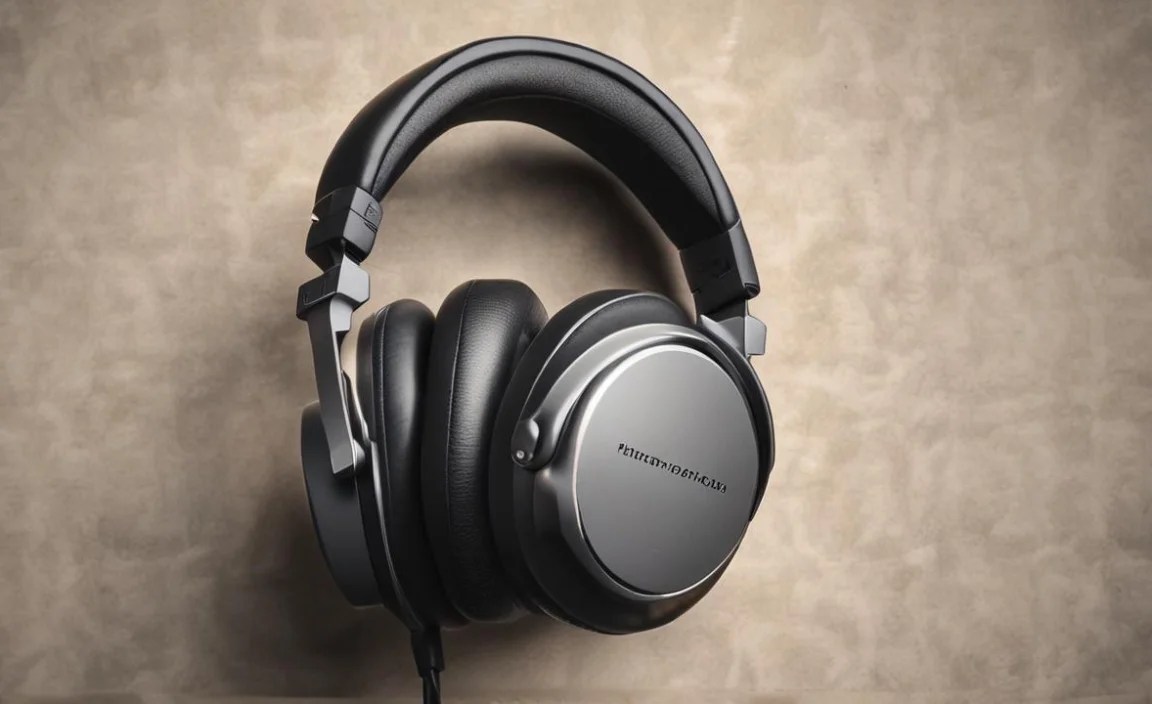
When you look at headphone specs, some terms might seem daunting. Let’s demystify a few key ones to empower your buying decision.
Impedance
Measured in Ohms (Ω), impedance indicates a headphone’s electrical resistance. For most portable devices like smartphones and laptops, headphones with lower impedance (typically 16-32 Ω) are ideal, as they require less power to produce a loud enough sound.
- Low Impedance (16-32 Ω): Best for portable devices.
- High Impedance (over 100 Ω): Often found in studio headphones. They require a dedicated amplifier to reach optimal volume and sound quality.
Sensitivity
Measured in decibels (dB), sensitivity tells you how loud a headphone can get with a given amount of power. Higher sensitivity (e.g., 95 dB or more) means the headphones will play louder with less power, making them suitable for portable devices.
Driver Size
The driver is the component inside the headphone that produces sound. It’s measured by its diameter (usually in millimeters). Larger drivers (e.g., 40mm or 50mm) can potentially produce a wider range of frequencies and more robust bass, but design and acoustics play a more significant role in overall sound quality.
Water/Sweat Resistance (IPX Rating)
This is crucial for sports headphones. IPX ratings, like IPX4 or IPX7, indicate how resistant the headphones are to water and dust. For instance, IPX4 means they can withstand splashes of water, while IPX7 means they can be submerged in water for a short period.
Organizations like the International Electrotechnical Commission (IEC) define these IP ratings officially.
Step-by-Step Guide: Making Your Purchase
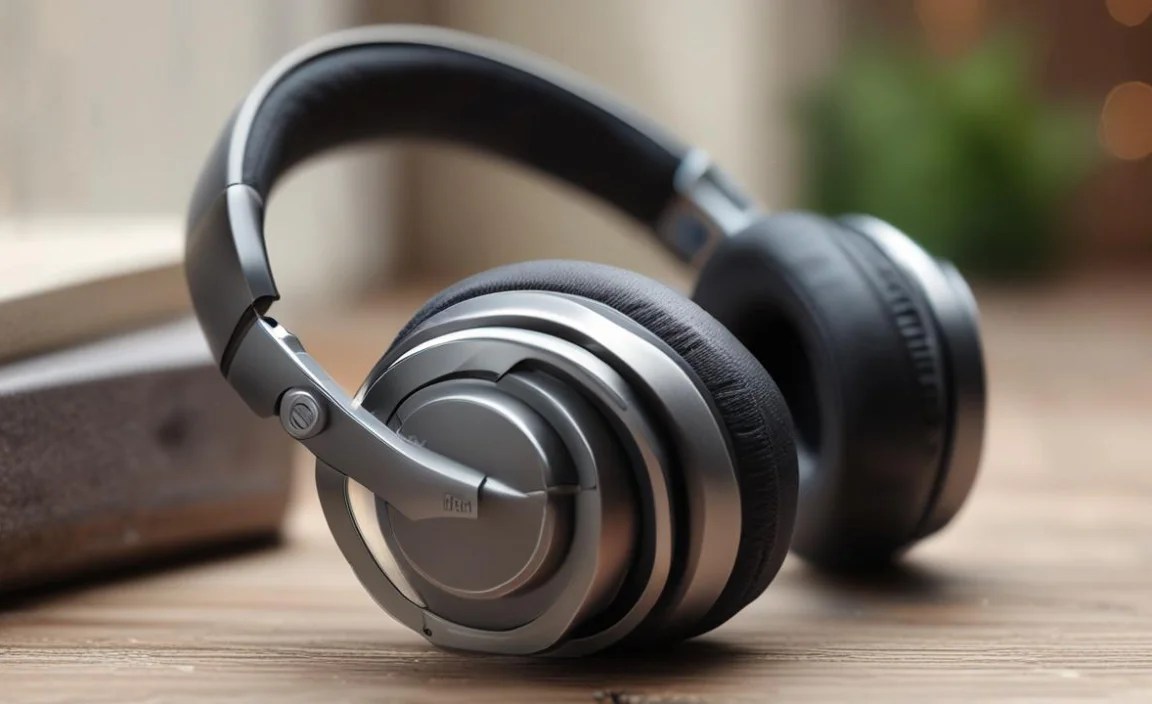
Ready to buy? Follow these steps to ensure you make a confident and satisfying purchase.
-
Assess Your Primary Use Case:
Where and how will you use your headphones most often?
- Commuting/Travel? (Consider ANC, portability)
- Workouts/Sports? (Consider secure fit, sweat resistance)
- Home Listening? (Consider comfort, sound quality)
- Work/Study? (Consider noise isolation/ANC, comfort)
-
Determine Your Budget:
Headphones range from under $20 to over $500. Having a price range will help narrow down your options significantly. Remember, the most expensive isn’t always the best for you.
-
Choose Your Preferred Type:
Based on your use case and comfort preferences, decide between over-ear, on-ear, in-ear, or bone conduction.
-
Identify Must-Have Features:
Do you absolutely need noise cancellation? Is a long battery life critical? Is a microphone for calls a priority?
-
Read Reviews and Compare Models:
Once you have a few contenders based on type, features, and budget, dive into reviews. Look for reputable tech websites and user feedback. Pay attention to recurring pros and cons.
-
Check For Sales and Deals:
Good headphones can be an investment, but sales are common, especially around holidays. Keep an eye out!
-
Consider Warranty and Return Policy:
Ensure the retailer or manufacturer offers a good warranty and a reasonable return policy in case the headphones aren’t a good fit.
Pros and Cons of Different Headphone Connectors

The way your headphones connect to your device can impact convenience and sound. Here’s a quick comparison:
| Connector Type | Pros | Cons |
|---|---|---|
| 3.5mm Wired (Auxiliary) | Universal compatibility (most devices still have this port), no battery needed, excellent audio quality guaranteed | Can get tangled, requires a cable, not compatible with all modern smartphones (some have removed the port) |
| USB-C Wired | Higher potential for digital audio quality, charging and audio via one port (on compatible devices), durable connection | Requires compatible USB-C port, may not work if device isn’t powered on (requires power from device), less universal than 3.5mm |
| Lightning Wired | High-quality digital audio, common on Apple devices | Exclusive to Apple devices, requires a Lightning port |
| Bluetooth Wireless | No wires, freedom of movement, convenient pairing with multiple devices | Requires charging, potential for audio lag (latency), sound quality can be affected by Bluetooth version and codecs, can be susceptible to interference |
Maintaining Your Headphones for Longevity

To get the most out of your new headphones and ensure they serve you well for years, a little care goes a long way. Here are some simple maintenance tips:
Cleaning Earcups and Earpads:
- For faux leather or pleather: Use a slightly damp cloth with mild soap and water. Wipe dry.
- For velour: A soft brush or a slightly damp cloth is usually effective.
- Avoid harsh chemicals, as they can degrade the material.
Care for the Cable (Wired Headphones):
- Avoid wrapping the cable too tightly. Coiling it loosely is best.
- Don’t let the cable hang loosely when plugged in, especially if it dangles where it can be stepped on or yanked.
- Store headphones with the cable loosely bundled, not tightly wrapped around the headphones.
Storing Your Headphones:
- Use a carrying case whenever possible, especially for over-ear and on-ear models.
- Keep them away from direct sunlight and extreme temperatures, as these can damage materials and electronics.
- Store in a dry place.
Wireless Headphone Battery Care:
- Avoid deep discharging the battery regularly. Try to charge them before they die completely.
- Don’t leave them plugged in continuously for days on end after they’ve reached 100% charge, if possible. Modern batteries have protection, but it’s good practice.
Frequently Asked Questions (FAQ)
Q1: How do I know what “sound quality” is good?
It’s subjective, but a good starting point is to look for headphones described as having a “balanced” or “neutral” sound profile. This means the bass, mids, and treble are all present and clear without one overpowering the others. Reading professional reviews that describe the sound in detail can also help. If possible, try listening to a few pairs before buying!
Q2: Do I really need noise-cancelling headphones?
Not everyone needs them! If you primarily listen in quiet environments like your home or office, they might not be essential. However, if you travel frequently by plane or train, commute on loud public transport, or work in a noisy office, active noise cancellation (ANC) can be a game-changer for focus and enjoyment.
Q3: What’s the difference between in-ear headphones and earbuds?
Technically, both are types of headphones worn in or on the ear. “Earbuds” often refers to the basic type that rests in your outer ear. “In-ear monitors” (IEMs) sit deeper inside your ear canal. IEMs typically create a better seal, leading to improved bass response and noise isolation compared to standard earbuds.
Q4: How important is impedance for my headphones?
For most people using headphones with their smartphone, laptop, or tablet, impedance isn’t a major concern. Look for headphones with lower impedance (around 16-32 Ohms), as these will play loud enough without needing a special amplifier. High impedance headphones are generally for enthusiasts with dedicated audio equipment.
