
Finding the best headphones for recording vocals is key for singers. This guide helps beginners choose headphones that offer clear sound, good isolation, and comfort for focused practice and studio sessions. We cover essential features, types, and top picks to ensure you capture your best performance.
Best Headphones for Singers Recording: An Essential Beginner’s Guide

Hey there, fellow music lovers and rising stars! Edward Cavitt here from Headphone Horizon. If you’re stepping into the exciting world of music recording, especially as a singer, you’ve probably realized that not all headphones are created equal. Picking the right pair for recording vocals isn’t just about listening; it’s about creating a clean, accurate environment for your voice to shine.
A great pair of recording headphones will help you hear yourself clearly without any unwanted sound bleeding into your microphone, ensuring your recordings sound professional from the start. Don’t worry if audio jargon feels a bit overwhelming – we’re going to break down exactly what you need to look for in simple, easy-to-understand terms. Let’s find you the perfect pair to capture your best takes!
Why Good Headphones Are Crucial for Vocal Recording

As a singer, your headphones are more than just a listening device; they’re your personal monitoring system. When you sing into a microphone, you need to hear a clear, uncolored version of your voice along with the instrumental track. This allows you to adjust your pitch, timing, and dynamics accurately. Poorly chosen headphones can cause a host of problems:
- Sound Bleed: Open-back headphones or leaky closed-back ones can allow the audio playing through them to be picked up by your sensitive vocal microphone. This creates an unwanted echo or “reverb” in your recording that sounds unprofessional and is very difficult to remove later.
- Inaccurate Monitoring: Some headphones boost bass or treble frequencies, which can trick you into thinking your voice sounds a certain way when it doesn’t. This leads to singing too loud, too soft, or out of tune.
- Discomfort: Extended recording sessions can be tiring. Uncomfortable headphones can lead to distraction and fatigue, impacting your performance quality.
- Fatigue: Poorly designed headphones can cause ear fatigue or pressure, making it hard to concentrate for long periods.
The goal is to have headphones that provide a flat, neutral frequency response and excellent isolation. This means they reproduce sound as accurately as possible and create a tight seal around your ears to prevent any audio leakage.
Understanding Key Headphone Features for Recording
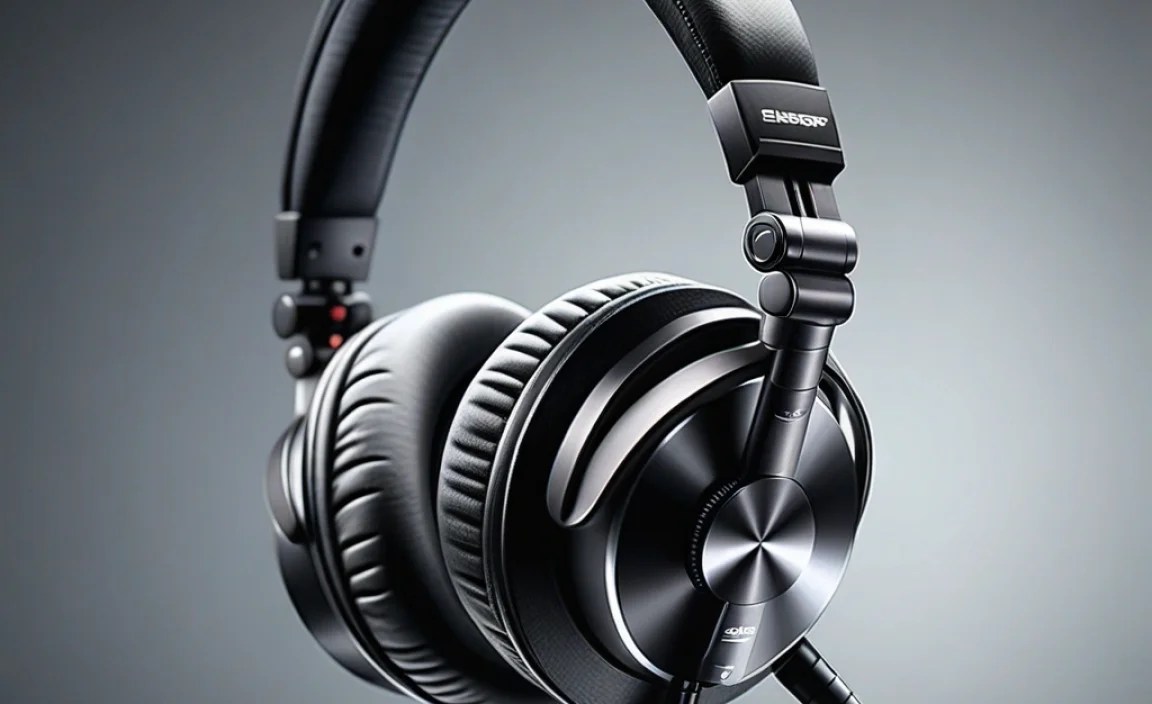
When you’re looking for headphones to record vocals, a few features are more important than others. Knowing these will help you cut through the marketing noise and find a pair that truly serves your needs.
1. Closed-Back vs. Open-Back Design
This is perhaps the most critical distinction for recording singers.
- Closed-Back Headphones: These have a solid, sealed ear cup design. This is your go-to for vocal recording because they provide excellent isolation. They create a physical barrier that prevents sound from escaping the earcups and seeping into your microphone. They also block out ambient noise, allowing you to focus on your performance.
- Open-Back Headphones: These have vents or grilles in the earcups that allow air and sound to pass through. While they often offer a more natural, spacious soundstage, they are generally not recommended for vocal recording due to significant sound leakage. They are better suited for mixing and mastering engineers who want a more immersive listening experience in a quiet studio environment.
Verdict for Singers: Always choose closed-back headphones for recording vocals.
2. Driver Size and Type
Drivers are the components inside the headphones that actually produce sound. Larger drivers (typically 40mm or 50mm) often deliver a fuller frequency range and more power, but the quality of the driver material and engineering is more important than just size.
- Dynamic Drivers: Most common, these use an electromagnet to move a diaphragm and create sound. They offer a good balance of sound quality and affordability.
- Planar Magnetic Drivers: Less common in beginner-level headphones, these use a large, flat diaphragm suspended in a magnetic field. They can offer exceptional detail and clarity but are usually more expensive and require more power.
What to look for: Focus on headphones with well-regarded drivers that are known for clarity and accuracy rather than just raw power.
3. Frequency Response
Frequency response refers to the range of sound frequencies (from low bass to high treble) that a headphone can reproduce, and how evenly it reproduces them. For recording, you want a “flat” or “neutral” frequency response. This means the headphones don’t artificially boost or cut certain frequencies. Ideally, you’ll see a range like 20 Hz to 20,000 Hz (the typical range of human hearing), but the flatness of the curve (charted or described) is more important.
- Boosted Bass: Can make your voice sound boomier than it is, leading you to sing too quietly.
- Boosted Treble: Can make your voice sound harsher or more sibilant (hissy ‘s’ sounds) than it is, potentially making you shy away from certain vocal techniques.
- Flat Response: Allows you to hear your voice as it truly is, enabling accurate performance adjustments.
Recommendation: Look for headphones marketed as “studio monitors” or “reference headphones,” as these are designed for accuracy.
4. Impedance
Impedance is measured in Ohms (Ω) and indicates how much electrical resistance the headphones have. This affects how much power they need to produce a certain volume level.
- Low Impedance (Under 50 Ohms): These are easier to drive and will work well with most devices like smartphones, laptops, and basic audio interfaces. They are generally louder at lower power inputs.
- High Impedance (Over 80 Ohms, often 250 Ohms or more): These require a more powerful amplifier to reach optimal listening levels and deliver their best sound quality. They are common in professional studio headphones.
For beginners: Headphones with lower impedance (e.g., 32-80 Ohms) are often a good starting point because they are more versatile and won’t require additional amplification equipment. If you plan to use them strictly with a dedicated audio interface or headphone amplifier, higher impedance can be a good option for superior sound quality.
5. Comfort and Fit
You’ll be wearing these headphones for periods, so comfort is paramount. Consider:
- Earcup Size and Padding: Do they cover your ears completely (over-ear or circumaural) or sit on them (on-ear)? Over-ear is generally more comfortable for long sessions. The padding should be soft and breathable to prevent overheating.
- Headband Pressure: The clamping force shouldn’t be too tight, which can cause headaches, nor too loose, which could lead to them slipping.
- Weight: Lighter headphones are generally more comfortable.
- Cable: A detachable cable is a huge plus, as it can be easily replaced if damaged. A coiled cable can be convenient to prevent tangles.
6. Durability
Recording sessions can sometimes be energetic! Look for headphones built with robust materials that can withstand regular use. Metal components in the headband or yokes are often good indicators of solid construction.
Recommended Types of Headphones for Recording Singers

Based on the features above, here are the types of headphones that best suit singers recording their vocals:
1. Professional Closed-Back Studio Headphones
These are the workhorses of the recording studio. They are specifically designed for monitoring and recording with accurate sound reproduction and excellent isolation. They often have a more neutral sound profile, which is crucial for singers to accurately hear their performance.
Pros:
- Excellent sound isolation (prevents mic bleed)
- Accurate, flat frequency response
- Durable build quality
- Comfortable for long sessions
Cons:
- Can be more expensive than consumer headphones
- Sound might seem “less exciting” to those used to consumer-tuned headphones
2. Budget-Friendly Closed-Back Options
You don’t need to break the bank to get a decent pair. Many reputable audio brands offer more affordable closed-back models that still provide good isolation and a relatively neutral sound. These are perfect for beginners or those on a tight budget.
Pros:
- Great value for money
- Offer good isolation for basic recording needs
- Accessible for beginners
Cons:
- Sound accuracy might be compromised compared to higher-end models
- Comfort and build quality might be less premium
Top Picks: Best Headphones for Singers Recording (Beginner-Friendly)

To help you get started, here are a few highly recommended headphones that are excellent choices for singers recording vocals. These strike a good balance between performance, features, and value.
| Headphone Model | Type | Key Features for Singers | Ideal For | Price Range (Approx.) |
|---|---|---|---|---|
| Audio-Technica ATH-M40x | Closed-Back | Excellent isolation, detailed sound, foldable design, durable build. Flat response aids accurate monitoring. | Beginners, home studios, mobile rigs. | $$ (Around $100-$150) |
| Sennheiser HD 280 PRO | Closed-Back | Robust construction, good passive noise attenuation, clear and precise sound reproduction. Known for reliability. | Serious beginners, home recording, practice. | $$ (Around $100-$130) |
| Beyerdynamic DT 770 PRO (80 Ohm version) | Closed-Back | Legendary comfort, excellent sound isolation, detailed highs and solid bass. The 80 Ohm version is versatile. | Vocalists, podcasters, musicians needing reliable monitoring. | $$$ (Around $150-$180) |
| AKG K271 MKII | Closed-Back | Auto-mute function when removed from head, good isolation, balanced sound profile. Lightweight and comfortable. | Singers, broadcast, theatre. | $$ (Around $100-$140) |
Note: Price ranges are approximate and can vary by retailer and region. It’s always a good idea to read current reviews and check prices from reputable sources.
How to Choose the Right Pair for YOU
While the recommendations above are a great starting point, here’s a quick checklist to guide your personal selection:
Step 1: Define Your Budget
Headphones can range from $50 to $500+. For beginners, aiming for the $100-$200 range will likely give you the best balance of quality and affordability. Brands like Audio-Technica, Sennheiser, and Beyerdynamic offer excellent value in this bracket.
Step 2: Prioritize Closed-Back Design
As we’ve discussed, for vocal recording, a closed-back design is non-negotiable to prevent sound leakage. Ensure the headphones you consider explicitly state they are closed-back or “sealed” for isolation.
Step 3: Look for “Studio” or “Reference” Labeling
Headphones designed for studio monitoring typically have a flatter frequency response, which is exactly what you need to hear your voice accurately. Avoid headphones marketed for their “extra bass” or “enhanced treble.”
Step 4: Read Reviews, Especially From Other Singers
Once you have a few models in mind, seek out reviews from actual users, particularly other vocalists or podcasters. Look for comments on comfort, isolation, and sound clarity during recording and playback.
Step 5: Consider Comfort for Long Sessions
If your recording sessions tend to be long, or if you plan to practice with them frequently, comfort is key. Over-ear designs with plush padding and an adjustable headband are usually the most comfortable. Many users find the Beyerdynamic DT 770 PRO particularly comfortable for extended wear.
Where to Find More Information on Audio Gear
To further your understanding and stay informed about audio technology, here are some reliable resources:
- Sweetwater: A leading music retailer with extensive product reviews, buying guides, and educational articles. They have a wealth of information on recording equipment. You can explore their guides on studio headphone buying.
- Sound On Sound Magazine: A highly respected publication for audio professionals, offering in-depth reviews and technical articles. While some content is advanced, their product reviews are thorough.
- Gearspace (formerly Gearslutz): Forums where audio engineers and enthusiasts discuss all things audio, including headphone recommendations and comparisons. It’s a great place to find real-world user opinions.
- Manufacturer Websites: For detailed specifications and product information directly from the source, visit the official websites of brands like Audio-Technica, Sennheiser, Beyerdynamic, and AKG.
Remember, understanding your gear is part of the creative process! These resources can help you grow your knowledge over time. For example, the U.S. Bureau of Labor Statistics also provides insights into careers in sound engineering, highlighting the importance of proper equipment in the field.
Frequently Asked Questions (FAQ)
Q1: Can I use my everyday consumer headphones for recording vocals?
While you can, it’s generally not recommended. Consumer headphones often have a “colored” sound (heavy bass, boosted treble) that isn’t accurate for monitoring. More importantly, many consumer headphones, especially earbuds or some on-ear models, lack the necessary isolation, leading to sound bleed into your microphone. Professional closed-back studio headphones are designed to prevent this and provide a neutral sound.
Q2: Do I need a headphone amplifier for recording?
It depends on the headphones’ impedance. If you choose headphones with low impedance (e.g., 32-80 Ohms), they will likely be loud enough directly from your audio interface or computer. If you choose higher impedance headphones (e.g., 250 Ohms) for potentially better sound quality, you might need a dedicated headphone amplifier to drive them properly and achieve sufficient volume. For beginners, sticking with lower impedance headphones is usually simpler.
Q3: What’s the difference between closed-back and open-back headphones for vocalists?
The main difference is sound isolation and sound leakage. Closed-back headphones have sealed earcups that block external noise and, crucially, prevent the headphone audio from escaping and being picked up by your microphone. Open-back headphones have vents that allow sound to escape, making them unsuitable for recording vocals as they will cause bleed into your recording.
Q4: How important is comfort when choosing recording headphones?
Comfort is very important, especially if you plan to wear them for extended periods. Uncomfortable headphones can be distracting, lead to headaches, and fatigue, all of which can negatively impact your vocal performance and recording sessions. Look for well-padded earcups, an adjustable headband, and a reasonable weight.
Q5: Can I use wireless headphones for recording vocals?
Generally, wireless headphones are not recommended for studio recording due to latency (a slight delay between the sound source and what you hear) and potential interference. This delay can make it very difficult to sing in time with the music. Wired headphones offer a direct, zero-latency connection, which is essential for accurate monitoring during recording.
Q6: How do I test for sound bleed in my headphones?
The easiest way is to wear the headphones at your normal monitoring volume and then hold your microphone close to your headphones without speaking. Record a few seconds of silence. Play back the recording. If you hear any music or sound from the headphones in the recording, they are leaking sound. You can also do this while singing to see if you can hear your own voice coming back through the headphones into the mic.
Conclusion
Choosing the best headphones for recording vocals is a significant step towards achieving professional-sounding recordings. By understanding the importance of closed-back designs, neutral sound profiles, and good isolation, you’re well-equipped to make an informed decision. Remember, it’s not about the most expensive gear, but the gear that fits your specific needs and budget, helping you focus on what truly matters: your vocal performance. The models we’ve highlighted are excellent starting points, offering reliability and quality for singers at all levels. Don’t
