
Quick Summary: Choosing the best headphones for your ski helmet means prioritizing safety, comfort, and audio quality. Look for low-profile designs that fit seamlessly, offer excellent sound for music or calls, and have robust battery life. This guide helps you find the perfect audio companions for your next mountain adventure.
Best Headphones for Ski Helmet: Your Essential Guide

Hey there, audio adventurers! Edward Cavitt here from Headphone Horizon, and if you’re anything like me, hitting the slopes isn’t just about the thrilling descents; it’s also about the soundtrack to your adventure. But juggling your favorite tunes with a bulky ski helmet can be a real challenge. That’s where the right headphones come in. Finding the “best headphones for ski helmet” isn’t just about picking any earbuds; it’s about selecting gear that enhances your experience, keeps you connected, and, most importantly, keeps you safe on the mountain. Let’s dive into making your ski days sound as epic as they look!
Why Dedicated Ski Helmet Headphones Are a Game-Changer
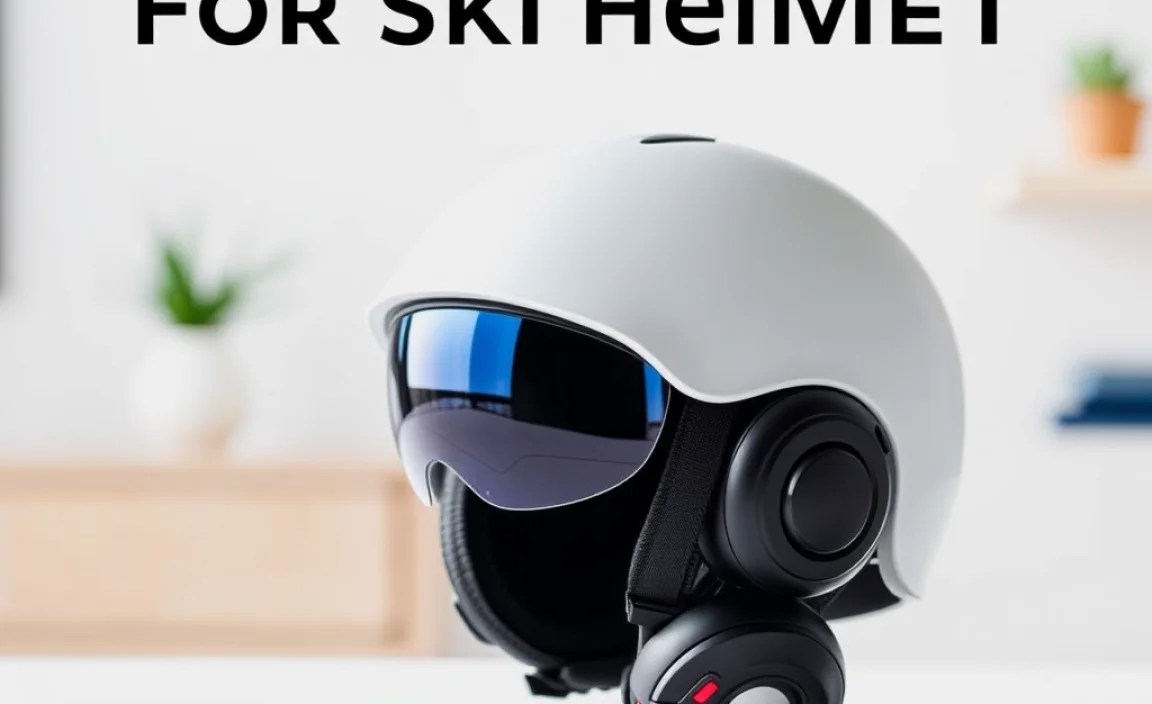
You might be thinking, “Can’t I just shove my regular earbuds under my helmet?” While that might work for a bit, it often leads to discomfort, poor sound quality, and a frustrating experience. Ski helmet headphones are designed with specific needs in mind:
- Comfort and Fit: They are built to be slim and fit snugly within the helmet’s ear pads, preventing pressure points and ensuring they stay in place even during energetic runs.
- Sound Quality: Optimized for the often-noisy environment of skiing, they deliver clear audio, whether you’re enjoying music, podcasts, or taking calls.
- Safety: Many models allow for ambient sound passthrough or offer easy ways to adjust volume, so you remain aware of your surroundings – a crucial aspect of slope safety.
- Durability and Weather Resistance: These headphones are usually built to withstand cold temperatures, moisture, and the general wear and tear of outdoor sports.
- Connectivity: Typically wireless (Bluetooth), they offer freedom from tangled wires that can snag on clothing or equipment.
Key Features to Look For

When on the hunt for the “best headphones for ski helmet,” keep these features at the top of your list:
1. Form Factor: Low-Profile is Key
The most critical factor is how well they integrate with your helmet. For ski helmets, this generally means:
- Earbud-style speakers: These are often small, circular units designed to replace or fit inside the existing ear pads of your helmet.
- Headphone bands with built-in speakers: Some products are essentially slim headphones that can be worn over or under the helmet, with speakers that sit comfortably over your ears.
- Helmet-integrated audio: Many modern ski helmets come with built-in audio systems, offering the most seamless experience.
Avoid anything bulky that will create pressure points or make your helmet sit too high on your head. A properly fitted helmet is essential for safety, as emphasized by organizations like the Royal Society for the Prevention of Accidents (RoSPA), which covers general winter sports safety advice.
2. Sound Quality and Volume Control
You want clear, crisp audio to enjoy your music, but you also need to be aware of your surroundings. Look for:
- Balanced sound profile: Good for both music and voice calls.
- Easy-to-access volume controls: Often integrated into the earpieces or connected via a small remote.
- Ambient sound awareness: Some headphones offer a mode that allows you to hear your environment without removing them.
3. Battery Life
A full day on the slopes requires lasting power. Aim for headphones that offer:
- At least 6-8 hours of playback time on a single charge.
- Quick charging capabilities for those times you forget to charge them overnight.
- Battery indicators so you know how much power you have left.
4. Connectivity (Bluetooth)
Bluetooth connectivity is standard. Ensure it’s a reliable version (e.g., Bluetooth 4.0 or higher) for a stable connection to your phone or music player.
- Easy pairing: Simple and quick connection process.
- Multi-device pairing: If you want to connect to both your phone and a GPS device.
- Range: Sufficient range to keep your device in your pocket or backpack without losing connection.
5. Durability and Weather Resistance
The mountain environment can be harsh. Look for:
- IPX rating: An IPX4 or higher rating indicates resistance to water splashes, which can protect against snow and light rain.
- Durable materials: Built to withstand cold temperatures and potential drops.
- Easy to clean: Removable and washable earpads are a bonus.
6. Helmet Compatibility
This is paramount. Not all headphones will fit all helmets. Check:
- Dimensions: Do the speaker dimensions fit within your helmet’s ear pockets?
- Mounting system: Some come with Velcro attachments, while others are designed to slot directly into specific helmet models.
- Helmet brand integration: Some brands offer audio systems specifically designed for their helmets (e.g., Smith, Giro, Skullcandy with various helmet brands).
Types of Ski Helmet Headphones
Let’s break down the most common types of audio solutions for your ski helmet:
1. Built-In Helmet Audio Systems
Many high-end ski helmets now come with audio systems pre-installed or as an optional upgrade. These are designed to be a perfect fit for that specific helmet model.
- Pros: Seamless integration, often excellent sound quality, easy to use, designed for safety and comfort.
- Cons: Can be expensive, tied to a specific helmet, may require firmware updates.
Example Brands: Smith Optics (with Skullcandy integration), Giro (with Outdoor Tech integration), Salomon, K2.
2. Aftermarket Audio Kits (Speaker Inserts)
These are independent audio units you can buy and insert into the ear pockets of your existing ski helmet. They are typically small, wired or wireless speakers connected by a thin wire or a central control module.
- Pros: Can upgrade any helmet with audio, generally more affordable than integrated systems, vast selection.
- Cons: Fit can vary, wires can sometimes be a nuisance (though less so with Bluetooth), sound quality can range significantly.
Example Brands: Outdoor Tech (Chips), Skullcandy (H2O Audio, Tune-Ups), Jabra (Boost).
3. Sports Earbuds with Helmet Compatibility
Some sports-focused earbuds are designed to be worn comfortably under headphones or helmets. They often have a secure fit and are sweat/water-resistant.
- Pros: Versatile (can be used for running, gym too), often more discreet.
- Cons: Can be uncomfortable if not designed specifically for helmet wear, may fall out easily, harder to control when wearing gloves.
Example Brands: Jaybird (Vista series), Jabra (Elite Active series), Bose (Sport Earbuds).
Top Picks: Best Headphones for Ski Helmet Recommendations
While “best” is subjective and depends on your helmet and budget, here are a few highly-regarded options that consistently receive praise for their performance on the slopes:
1. Editors’ Choice: Smith x Skullcandy HISS wireless
Smith helmets often come integrated with Skullcandy audio systems. The HISS wireless system is designed to fit perfectly into Smith ear pads, offering great sound and easy controls.
- Connectivity: Bluetooth
- Battery Life: ~10 hours
- Water Resistance: High
- Key Feature: Seamless integration with Smith helmets, great audio balance.
2. Best All-Around: Outdoor Tech® Chips 3.0
These are incredibly popular aftermarket inserts. Small, round, and easy to install into almost any helmet with ear pads. They offer solid sound for their size and good battery life.
Specifications Table: Outdoor Tech® Chips 3.0
| Feature | Details |
|---|---|
| Connectivity | Bluetooth 5.0 |
| Battery Life | ~10 hours |
| Water/Sweat Resistance | IPX5 |
| Dimensions | 2.25″ diameter, 0.5″ thick |
| Control | Integrated joystick button |
- Pros: Excellent compatibility, good sound, durable.
- Cons: Can be a bit pricey compared to basic wired options.
3. Best Budget Option: Skullcandy H2O Audio Earbud Kit
For those on a tighter budget, Skullcandy offers reliable audio kits that are easy to install and provide decent sound for enjoying music while skiing.
- Connectivity: Bluetooth
- Battery Life: ~6-8 hours
- Water Resistance: Good for snow and moisture.
- Key Feature: Affordable, easy to use, good sound for the price.
4. Best for Customization: Sena Helmets Audio Systems
Sena is renowned for its communication systems in the motorcycle world, and they offer similar audio solutions for ski helmets. Some are designed as standalone speaker units, while others are part of communication systems.
- Connectivity: Bluetooth
- Battery Life: Varies by model, often 8+ hours
- Water Resistance: Typically IPX5 or higher
- Key Feature: Option for integrated intercom systems, good audio.
How to Install and Use Your Ski Helmet Headphones
Getting your new audio gear set up is usually straightforward. Here’s a general step-by-step guide:
Step 1: Prepare Your Helmet
If your helmet has removable ear pads, take them out. This will give you easy access to where the speakers will go.
Step 2: Install the Speaker Inserts
Most aftermarket kits use Velcro strips or have a shape that allows them to be wedged securely into the ear pockets. Follow the specific instructions for your model. Ensure they are positioned comfortably over your ears. The goal is a snug fit without excessive pressure.
Step 3: Connect to Your Device
Turn on your headphones and activate Bluetooth on your smartphone or music player. Put your headphones into pairing mode (usually by holding a button). Select your headphones from the list of available Bluetooth devices on your phone. Once paired, they should remember the connection for future use.
Step 4: Test the Fit and Audio
Put your helmet back on with the headphones installed. Walk around for a few minutes. Do you feel any unnerving pressure points? Are the speakers positioned correctly over your ears? Play some music at a moderate volume. Can you hear clearly? Can you adjust the volume easily, even with gloves on?
Step 5: Familiarize Yourself with Controls
Before you hit the slopes, practice using the buttons. Can you pause/play, skip tracks, and adjust volume without taking off your gloves? This is crucial for convenience and safety.
Step 6: Check Battery Level
Always ensure your headphones are fully charged before a day of skiing. Most devices have an LED indicator or an audio prompt to let you know the battery status.
Safety First: Staying Aware on the Slopes
While enjoying music is great, your safety on the mountain is paramount. The National Ski Areas Association (NSAA) strongly advises skiers and snowboarders to be aware of their surroundings for their own safety and that of others. They provide valuable safety tips. Here’s how your headphones can fit into safe skiing practices:
- Keep Volume Moderate: You should always be able to hear people around you, chairlifts, and warning signs. A good rule of thumb is to keep the volume low enough that you can still hear ambient sounds.
- Use Ambient Sound Modes: If your headphones have an ambient sound passthrough feature, use it. This is designed precisely for situations like skiing.
- Avoid Overly Complex Controls: Opt for headphones with simple, tactile controls that are easy to operate without looking or removing gloves.
- Consider Voice Calls Carefully: While convenient, taking calls can be a significant distraction. If you must take one, pull over to a safe location first.
- Be Mindful of Battery Life: A dead battery suddenly leaves you without your audio and potentially without a way to communicate if that was part of your setup.
Troubleshooting Common Issues
Even the best gear can have hiccups. Here are a few common problems and how to fix them:
Issue: Headphones won’t pair with my device.
- Make sure your headphones are charged and in pairing mode.
- Turn off Bluetooth on your device and then turn it back on.
- Try forgetting the device from your Bluetooth list and re-pairing.
- Ensure no other devices are actively connected to your headphones.
Issue: Sound quality is poor or muffled.
- Check if the speakers are positioned correctly over your ears inside the helmet.
- Ensure the ear pads of your helmet are clean and free from debris.
- Try a different audio source or device to rule out an issue with your phone/player.
- Some headphones have EQ settings in a companion app; check if these can be adjusted.
Issue: Battery doesn’t last as long as advertised.
- Ensure you’re using the correct charging cable and power source.
- Cold temperatures can significantly reduce battery performance. Keep your device and headphones as warm as possible when not in use.
- Constant high volume playback drains the battery faster.
Issue: Intermittent connection drops.
- Ensure your device is within range of the headphones (typically up to 30 feet for Bluetooth).
- Obstructions like your body or thick clothing can sometimes interfere with the signal.
- If you’re using multiple Bluetooth devices simultaneously, it can cause interference.
Frequently Asked Questions (FAQ)
Q1: Can I use regular headphones under my ski helmet?
You can, but it’s often uncomfortable. Regular headphones can be too bulky, cause pressure points, and slip around. Dedicated ski helmet headphones are designed to be low-profile and fit securely within helmet ear pads for maximum comfort and stability.
Q2: How do I know if an audio kit will fit my helmet?
Check the dimensions of the speaker inserts and compare them to the size and shape of your helmet’s ear pockets. Most aftermarket kits are designed to be universally compatible with helmets featuring standard ear pads, often using Velcro for attachment. Look for specific compatibility notes from the manufacturer.
Q3: How important is water resistance for ski helmet headphones?
Very important! Snow, sleet, and even sweat can get inside your helmet. An IPX4 rating or higher means the headphones can withstand splashes of water from any direction, protecting them from moisture damage.
Q4: Do ski helmet headphones affect the safety performance of my helmet?
When installed correctly, low-profile ski helmet headphones should not compromise your helmet’s safety. However, any accessory that significantly alters the fit or padding of the helmet, or causes it to sit improperly, could affect its protective capabilities. Always ensure your helmet still fits snugly and correctly after installation.
Q5: How do I clean my ski helmet headphones?
Most speaker inserts can be wiped down with a damp cloth. If they are removable, check the manufacturer’s instructions. Some earpads that house the speakers can be removed and gently hand-washed with mild soap and water, then air-dried completely.
Q6: Can I use wired headphones with my ski helmet?
Yes, you can use wired sports earbuds, but managing the wire can be a hassle, as it can snag on your jacket or goggles. Bluetooth headphones offer far more convenience and safety by eliminating the wire.
