
Quick Summary: Discover why a headphone stand is more than just an accessory. It protects your investment, prevents tangles, and keeps your listening space organized. This guide helps you pick the perfect stand for your headphones, ensuring longevity and a clutter-free audio setup.
The Best Headphones Stand: An Essential Choice for Audiophiles
Hey there, fellow music lovers! Edward Cavitt here, your guide from Headphone Horizon. If you’ve invested in a great pair of headphones, you know they’re more than just a gadget – they’re a gateway to incredible sound. But what about keeping them safe and sound when you’re not using them? That’s where our humble hero comes in: the headphone stand. It might seem like a simple accessory, but for anyone who cherishes their audio gear, a good headphone stand is an essential choice. It’s about protecting your investment, keeping things tidy, and ensuring your listening experience starts off right, every single time. Let’s dive into why a stand is a must-have and how to pick the very best one for you!
Why You Absolutely Need a Headphones Stand

Think about it. Your headphones, especially those premium over-ear models, are often delicate. The earcups contain intricate drivers, and the headband is designed for comfort but can be prone to damage if mishandled. Simply tossing them on a desk or leaving them tangled in a drawer can lead to:
- Earcups Picking Up Dust and GrIME: Unprotected earcups can quickly become a haven for dust bunnies and all sorts of grime, impacting sound quality and hygiene.
- Cable Tangles and Damage: Wired headphones, in particular, are notorious for tangling. This can put stress on the cables, potentially leading to internal breaks and a faulty connection. Wireless headphones can also suffer from accidental button presses or damage to their charging ports.
- Headband Strain: Leaving headphones sitting on a flat surface can sometimes put a slight, consistent strain on the headband, especially if they are clamped or designed with a specific curvature. Over time, this can lead to material fatigue or deformation.
- Desk Clutter: Let’s be honest, a messy desk can be distracting. A dedicated stand provides a home for your headphones, keeping your workspace neat and your audio gear readily accessible.
- Aesthetics: Many headphone stands are designed to be stylish. They can elevate the look of your desk or entertainment area, showcasing your headphones like the works of art they are.
According to studies on product longevity and user satisfaction, dedicated storage solutions often lead to increased product lifespan and reduced instances of accidental damage. A headphone stand is precisely that – a practical, proactive measure to safeguard your listening equipment.
Types of Headphones Stands: Finding Your Perfect Fit

Not all headphone stands are created equal. They come in a variety of styles, materials, and functionalities to suit different needs and preferences. Let’s break down the most common types:
1. The Classic Desktop Stand
These are the most common and straightforward stands. They typically feature a curved top to cradle the headband and a base to provide stability. They can be made from a variety of materials, including:
- Wood: Offers a natural, premium look and feel. Walnut, bamboo, and oak are popular choices.
- Metal: Provides excellent durability and stability, often with a modern, industrial aesthetic. Aluminum and steel are common.
- Plastic/Acrylic: Lightweight, affordable, and available in many colors and designs.
- Leather/Felt Accents: Some stands incorporate these materials on the headband rest to prevent scratches and add a touch of luxury.
Pros: Simple, effective, widely available, often affordable.
Cons: Basic functionality, may not offer additional features.
2. The Under-Desk Mount
These stands or hooks attach to the underside of your desk, keeping your headphones completely out of sight and off your workspace. They are ideal for maximizing desk real estate. Many are simple metal or plastic arms that you can either screw or adhere into place.
- Adhesive Mounts: Easy to install, no tools required, but may not be suitable for very heavy headphones or all desk surfaces.
- Screw Mounts: More secure and durable, but require drilling into your desk.
Pros: Saves desk space, keeps headphones hidden, good for minimalist setups.
Cons: Requires installation (potentially permanent), can be less accessible.
3. The Integrated Stand (with Extra Features)
These stands go beyond just holding your headphones. They often incorporate:
- USB Hubs: For charging devices or connecting peripherals.
- RGB Lighting: For aesthetic appeal, especially popular with gamers.
- Wireless Charging Pads: To conveniently charge your Qi-compatible devices.
- Cable Management Clips: To keep your wires neat and tidy.
Pros: Multi-functional, reduces cable clutter, can enhance your setup’s appeal.
Cons: Can be more expensive, might be overly flashy for some users, requires power for many features.
4. The Portable/Travel Stand
Designed for those on the go, these stands are often collapsible or minimalist in design, allowing you to carry them in your bag. They prioritize portability over robust build quality.
Pros: Compact, travel-friendly.
Cons: Less stable, may not be suitable for larger or heavier headphones.
Key Features to Consider When Buying
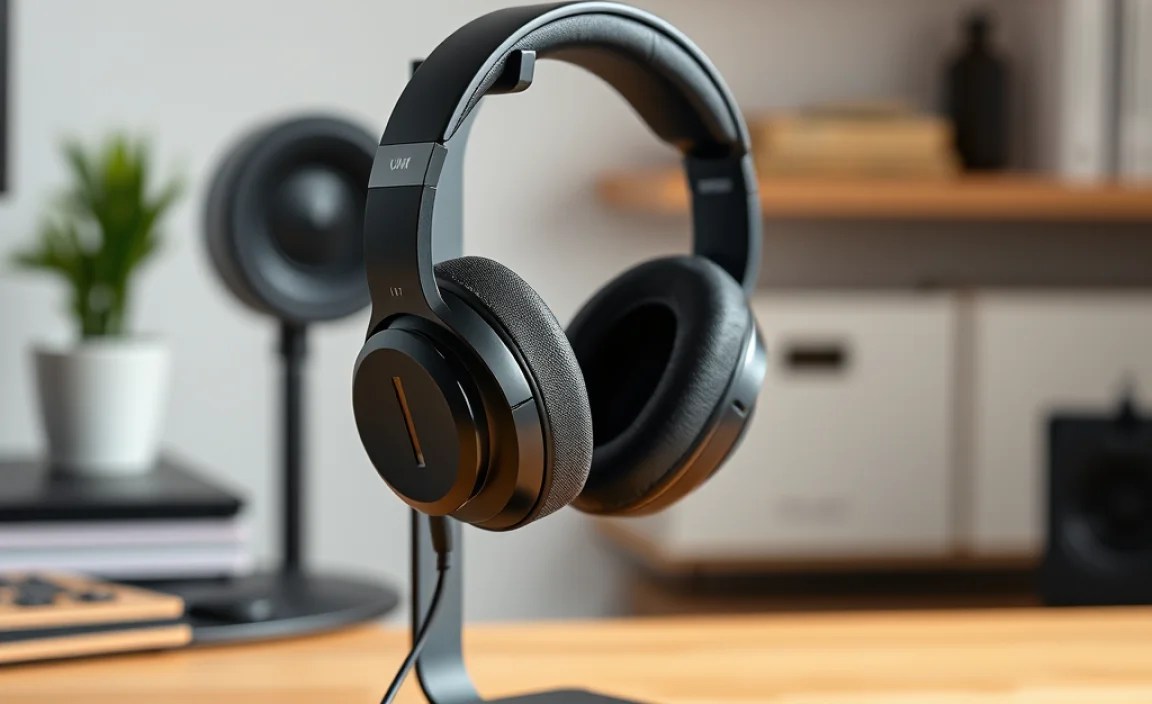
When you’re ready to pick out the best headphones stand for your needs, keep these important factors in mind:
1. Stability and Build Quality
This is paramount. A stand that wobbles or tips over easily won’t protect your headphones effectively. Look for robust materials and a design that distributes weight evenly. A wider base generally means better stability.
2. Material of the Resting Surface
The part of the stand that touches your headphones’ headband is crucial. While hard materials like metal or plastic are fine, look for stands that have a soft padding (like felt, silicone, or leather) on the headband rest. This prevents scuff marks and preserves the material integrity of your headphones’ headband.
3. Size and Compatibility
Make sure the stand is designed to accommodate the size and shape of your headphones. Over-ear headphones are significantly larger than on-ear or in-ear buds. Check the dimensions of the stand and compare them to your headphones. Some stands are universal, while others might be better suited for specific types.
4. Footprint and Space
Consider where you plan to place the stand. Do you have ample desk space, or are you in a more compact environment? Under-desk mounts are great for saving space, while desktop stands take up a bit more room but keep your headphones within easy reach.
5. Aesthetics and Design
This is subjective, but you want a stand that complements your setup. Whether you prefer a minimalist wooden design, a sleek metallic look, or something with a bit more flair (like RGB lighting), choose a stand that you’ll enjoy looking at.
6. Additional Features
As mentioned earlier, consider if you need extra functionality like USB ports, wireless charging, or cable management. These can be incredibly convenient but often come at a higher price point.
Top Picks for the Best Headphones Stand (Based on Category)

While the “best” stand is subjective and depends on your specific needs, here are some highly-regarded options across different categories that audiophiles often praise:
| Stand Type | Example Product (Illustrative) | Key Features & Why It’s Recommended |
|---|---|---|
| Premium Wood Stand | Sennheiser BTD 800 USB Dongle Stand Accessory | Natural wood finish (often walnut or bamboo), ergonomic design to prevent headband pressure, scratch-free rest. Excellent for high-end headphones where aesthetics and material care are paramount. |
| Durable Metal Stand | Avantree HP-STAND-007-BLK | Sturdy aluminum construction, minimalist design, anti-slip rubber feet for stability. A reliable choice for heavy-duty use and a clean, modern look. |
| Multi-Function Gaming Stand | Razer Base Station Chroma | Built-in USB hub, customizable Chroma RGB lighting, integrated cable hook. Fantastic for gamers who want a central hub for peripherals and a visually striking setup. |
| Space-Saving Under-Desk Mount | 3M Command Adhesive Mount Headphone Hook | Easy, tool-free installation, strong adhesive holds securely, discreet design. Ideal for maximizing desk space and keeping headphones accessible but out of the way. |
| Budget-Friendly Plastic Stand | Generic Universal Headphone Stand (various brands available) | Affordable, lightweight, available in various colors, basic functionality. A great entry-level option for those just starting with headphone stands. |
Note: Specific product availability and models may change. Always check current reviews and specifications before purchasing.
Setting Up and Using Your Headphones Stand
Getting your new headphone stand set up is usually a breeze, but here’s a quick guide to ensure you do it right:
- Unpack and Inspect: Gently unpack all components and check for any shipping damage. Most stands require minimal assembly.
- Assembly (If Necessary): Follow the manufacturer’s instructions. This might involve screwing parts together or simply slotting them into place.
- Choose the Location: Place the stand on a stable, flat surface away from direct sunlight, high humidity, or extreme temperatures. If it’s an under-desk mount, ensure there’s enough clearance for your headphones.
- Secure the Stand: If your stand uses adhesive, ensure the surface is clean and dry before applying. For screw-in mounts, use appropriate hardware for your desk material to ensure a secure fit.
- Place Your Headphones: Gently place your headphones on the stand, ensuring the headband is resting comfortably on the padded or curved surface. Avoid forcing them, and ensure they are balanced and won’t easily fall off.
- Manage Cables: If your stand has cable management features, use them to keep your audio wires organized and prevent tangles. For wireless headphones, place them on the stand so their charging port is accessible if you use a charging cable or a stand with integrated charging.
Maintaining Your Headphones Stand
Your headphone stand is designed to be low-maintenance, but a little care goes a long way:
- Dust Regularly: A soft, dry cloth is usually sufficient for dusting. For more stubborn dust, a slightly damp microfiber cloth can be used, followed by a dry wipe.
- Clean Padded Areas: If the headband rest has fabric or leather padding, gently clean it with a mild soap and water solution or specialized cleaner appropriate for the material. Always test in an inconspicuous area first.
- Check for Stability: Periodically ensure the stand remains stable on its surface and that any screws or adhesives are still secure.
- Avoid Overloading: Stick to holding one pair of headphones unless the stand is explicitly designed for multiple.
Protecting Your Investment: A Proactive Approach
Investing in a good pair of headphones is an investment in your listening experience. Whether you’re an audiophile meticulously tracking every nuance in your music or a student needing clear audio for lectures, your headphones deserve proper care. A headphone stand is a simple, elegant, and highly effective way to provide that care.
It’s not just about convenience; it’s about extending the life of your headphones and maintaining their pristine condition. Think of it as giving your headphones a safe haven after a long session of delivering amazing sound. For more insights on caring for your audio gear, resources like those from the Federal Trade Commission offer valuable advice on listening safety and product care, which indirectly relates to how you store and handle your equipment.
Choosing the right stand is a small step that makes a significant difference. It reduces wear and tear, prevents accidental damage, and keeps your personal audio sanctuary organized. So, if you haven’t yet, it’s time to consider a headphone stand not just as an accessory, but as an essential component of your audio setup.
Frequently Asked Questions (FAQ)
Q1: Do I really need a headphone stand for everyday headphones?
Even everyday headphones benefit from a stand. It protects them from dust, prevents cable tangles (for wired models), and keeps them from getting knocked over or damaged when placed carelessly. It’s a small investment that can prolong the life of your headphones.
Q2: Will a headphone stand damage my headband?
A well-designed headphone stand should not damage your headband. Look for stands with curved, padded rests that distribute pressure evenly. Avoid stands that force your headphones into an unnatural shape or have sharp edges where the headband rests.
Q3: Can I use a headphone stand for gaming headsets with microphones?
Yes, many headphone stands are suitable for gaming headsets. However, consider the microphone boom. Some stands might have a design that interferes with a large or oddly shaped microphone. Look for stands with ample clearance or consider an under-desk mount if the microphone is particularly cumbersome.
Q4: How much should I expect to spend on a good headphone stand?
Prices can range from as little as $10-$15 for basic plastic models to $50-$100 or more for premium wood, metal, or feature-rich stands. For most people, a good quality stand can be found between $20-$40.
Q5: Are wooden headphone stands better than metal ones?
Neither is inherently “better”; it depends on your priorities. Wooden stands often offer a warmer, more natural aesthetic and are generally gentle on headphone materials. Metal stands tend to be very sturdy and durable, often with a modern look. Both can be excellent choices if they are well-designed.
Q6: Can I use a headphone stand for my portable Bluetooth headphones?
Absolutely! While portable headphones might be smaller, a stand still provides a dedicated space, preventing them from getting lost or damaged. Some travel stands are specifically designed to be compact and foldable for this purpose.
Q7: What’s the difference between a headphone stand and a headphone hanger?
A headphone stand typically sits on a surface (like your desk) and has a cradle or arm to hold your headphones. A headphone hanger is usually a simpler hook or bracket that attaches to a desk edge, wall, or under a shelf, allowing headphones to hang.
Conclusion
As we’ve explored, a headphone stand is far more than just a place to rest your audio gear. It’s a crucial accessory for anyone serious about protecting their investment, maintaining a tidy space, and ensuring their headphones remain in top condition. From the classic wooden aesthetic to the practical under-desk mount, there’s a perfect stand out there for every listener and every setup. By considering stability, material, size, and any additional features you might desire, you can confidently choose a stand that not only serves its purpose but also enhances your overall listening experience. So, give your beloved headphones the home they deserve, and enjoy the peace of mind that comes with knowing they’re safe, organized, and always ready for your next sonic adventure. Happy listening!
