
Quick Summary: Finding the best headphones for studio production means prioritizing accuracy and detail. We’ll guide you through essential features for clear mixing, mastering, and tracking, ensuring your music sounds its best everywhere. Learn what makes studio headphones different and how to choose the perfect pair for your creative journey.
Best Headphones for Studio Production: Essential Power for Your Mix

Hey there, fellow music makers and audio enthusiasts! Edward Cavitt here from Headphone Horizon. Dive into the world of studio production with me, where every sound detail matters. Choosing the right headphones isn’t just about listening; it’s about hearing the absolute truth of your music.
Whether you’re a budding producer, a seasoned engineer, or just someone passionate about audio fidelity, understanding what makes a headphone “good” for the studio is crucial. We’re talking about gear that helps you make critical decisions, track vocals with precision, and mix your tracks so they shine on any speaker system. Get ready to unlock essential power for your creative process!
Why Studio Headphones Are Different
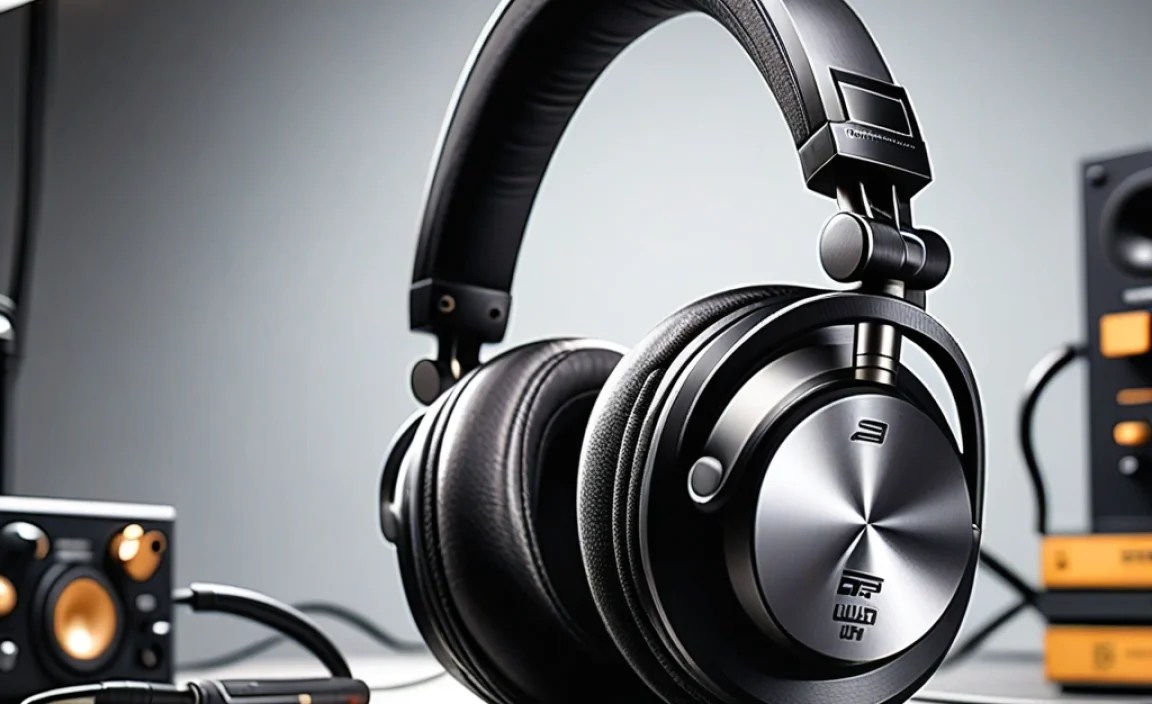
You might love your noise-canceling headphones for your commute, but for studio work, they’re usually not the best choice. Studio headphones have a specific job: to give you an uncolored, accurate representation of your audio. Think of them as a highly detailed magnifying glass for your sound. They’re designed to reveal flaws and nuances that lesser headphones might hide. This requires a different approach to design and sound signature.
- Flat Frequency Response: This is the holy grail. Studio headphones aim for a neutral sound profile, meaning they don’t artificially boost or cut certain frequencies. You hear the music exactly as it is, with all its highs, mids, and lows presented clearly and balanced.
- Transparency and Detail: They excel at revealing subtle details like pre-echo, room reverb, or the texture of an instrument’s attack. This helps you make informed mixing decisions.
- Durability and Comfort: You’ll likely be wearing these for hours, so studio headphones are built to last and be comfortable for extended listening sessions.
- Less “Fun” Sounding: Unlike consumer headphones that might have a bass-heavy or treble-boosted sound to make music more exciting, studio headphones prioritize accuracy over “wow.” This can sometimes make them sound less immediately pleasing but infinitely more useful for work.
Understanding Key Features for Studio Headphones
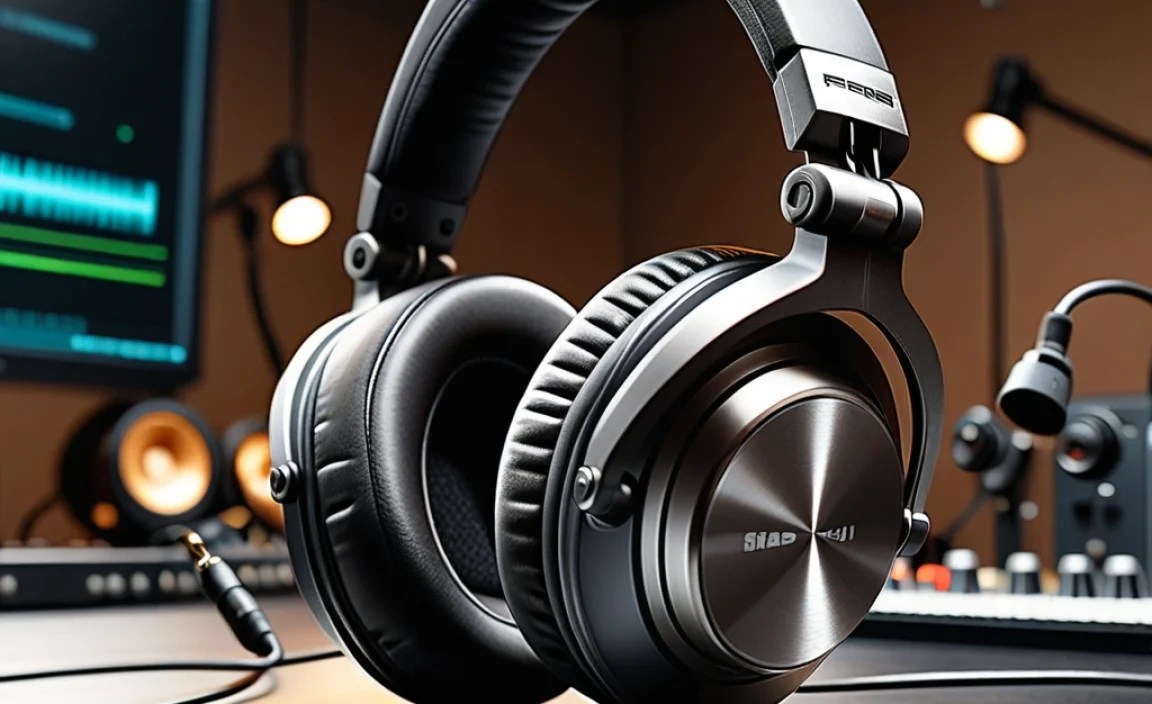
When you start looking for studio headphones, you’ll encounter a few terms and features that are particularly important. Knowing these will help you cut through the jargon and find a pair that truly serves your production needs.
Driver Types and Design
The “driver” is essentially the speaker inside your headphones. Its size, material, and design significantly impact the sound.
- Dynamic Drivers: These are the most common type. They use a voice coil attached to a diaphragm, which moves back and forth to create sound waves. They’re generally capable of producing a wide frequency range and good volume. Most affordable and mid-range studio headphones use dynamic drivers.
- Planar Magnetic Drivers: These headphones use a thin, flat diaphragm with a voice coil embedded within it, suspended between magnets. They are known for exceptional detail, fast transient response, and a very flat frequency response. However, they tend to be more expensive and often require a dedicated headphone amplifier.
Open-Back vs. Closed-Back Design
This is one of the most significant distinctions and affects how the headphones sound and how they’re used.
Closed-Back Headphones: These headphones have a sealed ear cup, which:
- Isolates Sound: They do a great job of preventing sound from leaking out, which is crucial for recording vocals or acoustic instruments. The microphone won’t pick up the headphone bleed.
- Offers Better Bass Response: The sealed enclosure can help enhance bass frequencies, making them sound fuller.
- Can Sound Less Natural: Some argue that the isolation can create a slightly less airy or natural soundstage compared to open-back designs.
Open-Back Headphones: These headphones have perforated ear cups, allowing air and sound to escape. This leads to:
- Natural Soundstage: They offer a wider, more realistic sense of space (the soundstage), making it easier to pinpoint the location of instruments in a mix.
- Less Isolation: Sound leaks in and out easily. This makes them unsuitable for recording vocals or live instruments where microphone bleed is a concern. They are ideal for mixing and mastering in a quiet environment.
- Comfort: Often, they are more comfortable for long sessions as they can be less prone to heat buildup.
Impedance and Sensitivity
These specs are important for understanding how loud the headphones can get and if they’ll work well with your audio interface or amplifier.
- Impedance (Ohms, Ω): This measures the electrical resistance of the headphones.
- Low Impedance (under 50 Ω): These headphones are generally easier to drive and will get loud enough from most devices, including laptops and smartphones.
- High Impedance (over 100 Ω, often 250 Ω or more): These require more power and typically need a headphone amplifier to reach adequate listening levels and optimal performance. They are often favored in studios for their potential for cleaner sound when powered correctly.
- Sensitivity (dB/mW or dB/V): This indicates how loud the headphones will play with a given amount of power. Higher sensitivity means they get louder with less power, while lower sensitivity requires more power.
Tip: Even if a headphone has low impedance, a good headphone amp can still improve its overall sound quality and control.
The Best Headphones for Studio Production: Top Picks for Beginners and Beyond

Now, let’s get to the exciting part – recommendations! The “best” headphone is highly subjective and depends on your budget, specific needs (mixing, tracking, critical listening), and even your personal hearing. However, some models are consistently praised for their accuracy and are considered benchmarks in the industry. Here are a few excellent options that cater to different needs and budgets, focusing on those that offer that “essential power” for your studio.
| Headphone Model | Type | Key Strengths | Ideal For | Price Range (Est.) |
|---|---|---|---|---|
| Audio-Technica ATH-M50x | Closed-Back | Durable, good detail, decent isolation, relatively balanced sound with a touch of warmth. | Tracking sessions, beginners, general studio use, producing on the go. | $150 – $200 |
| Sennheiser HD 280 Pro | Closed-Back | Excellent isolation, robust build, neutral sound profile, very affordable. | Tracking, noisy environments, budget-conscious producers. | $100 – $130 |
| Beyerdynamic DT 770 Pro | Closed-Back | Comfortable, excellent bass definition, very detailed highs, durable, available in different impedances. | Tracking, mixing (especially bass-heavy genres), critical listening for detail. | $150 – $180 |
| AKG K701/K702 | Open-Back | Incredible soundstage, natural and detailed presentation, accurate mids and highs. | Mixing, mastering, critical listening in quiet environments. | $250 – $350 |
| Beyerdynamic DT 990 Pro | Open-Back | Wide soundstage, detailed and lively sound, comfortable. Often has a prominent treble. | Mixing, critical listening where a more “exciting” sound is desired. | $150 – $200 |
| Sony MDR-7506 | Closed-Back | Industry standard for decades, very revealing of harsh frequencies, durable, portable. | Tracking, field recording, broadcast, a reliable workhorse. | $100 – $130 |
For Tracking: Closed-Back Champions
When you’re recording vocals, instruments, or anything where you need to prevent headphone sound from bleeding into your microphone, closed-back headphones are your best friend. They create a seal around your ears, isolating the sound.
Key considerations for tracking headphones:
- Excellent Isolation: This is non-negotiable. The less bleed, the cleaner your recordings.
- Comfort: Singers and musicians will wear these for long takes, so they need to be comfortable.
- Durability: Studio gear gets a lot of use, so a sturdy build is essential.
- Decent Detail: While isolation is primary, you still need to hear enough detail to ensure the performer is on pitch and in time.
Top Picks for Tracking:
- Sennheiser HD 280 Pro: These are practically legendary for their isolation and affordability. They offer a neutral sound that’s great for monitoring performances. They feel very robust and are designed for heavy studio use.
- Audio-Technica ATH-M50x: A very popular choice, the M50x offers a good balance of isolation, comfort, and detailed sound. They have a slightly more engaging sound than some other strictly neutral options, which can be nice for performers, but they remain accurate enough for production work. They also fold up nicely, making them great for mobile setups.
- Beyerdynamic DT 770 Pro: Available in 3ohms, 80ohms, and 250ohms impedance versions, the DT 770 Pro is a favorite for its incredibly comfortable velour ear pads and clear, punchy bass. The 80-ohm version is a sweet spot, offering good isolation and enough volume from most interfaces. The 250-ohm version offers even more detail but might require an amp.
- Sony MDR-7506: For decades, these have been the go-to headphones for broadcast studios and location sound recordists, and for good reason. They are extremely revealing, especially in the higher frequencies, which can help you catch sibilance or harshness. They’re not the most comfortable for marathon sessions for some, but their durability and sonic honesty are remarkable for the price.
For Mixing & Mastering: Open-Back for Soundstage
When it’s time to mix down your tracks or do some fine-tuning mastering, open-back headphones can offer a significant advantage. Their open design allows sound to pass through, creating a more natural listening experience that mimics placing monitors in a room.
Key considerations for mixing/mastering headphones:
- Natural Soundstage: The ability to perceive the width and depth of your mix is crucial.
- Accurate Imaging: Pinpointing where instruments sit in the stereo field is important for panning and balance.
- Neutrality: As with all studio gear, an uncolored frequency response is vital so you can make objective decisions about your sound.
- Comfort: You’ll be listening intently for hours.
Top Picks for Mixing & Mastering:
- AKG K701 / K702: These are often lauded for their exceptional soundstage and natural, airy presentation. They paint a wide sonic picture, allowing you to hear how instruments interact and where they are placed. They require a good amplifier to truly shine, especially the K701, but their detail and accuracy are superb for critical listening. The K702 is a slightly more neutral take.
- Beyerdynamic DT 990 Pro: Another excellent open-back option. The DT 990 Pro is known for its detailed, lively sound and wide soundstage. Some find its treble to be a bit pronounced (this can be a pro or con depending on your taste and ears), but it’s fantastic for revealing texture and nuances in tracks. They are also very comfortable.
- Sennheiser HD 6XX / HD 650: While higher priced, these are considered reference-level open-back headphones. They offer an incredibly balanced, natural, and detailed sound with a fantastic, immersive soundstage. They are comfortable for long sessions and are a favorite among many professional mastering engineers. They do benefit significantly from a good amplifier.
Hybrid and Versatile Options
Some headphones aim to bridge the gap, offering good performance for both tracking and monitoring in less critical situations. The Audio-Technica ATH-M50x and Beyerdynamic DT 770 Pro (especially the lower impedance versions) also fall into this category for many.
Essential Accessories for Studio Headphones
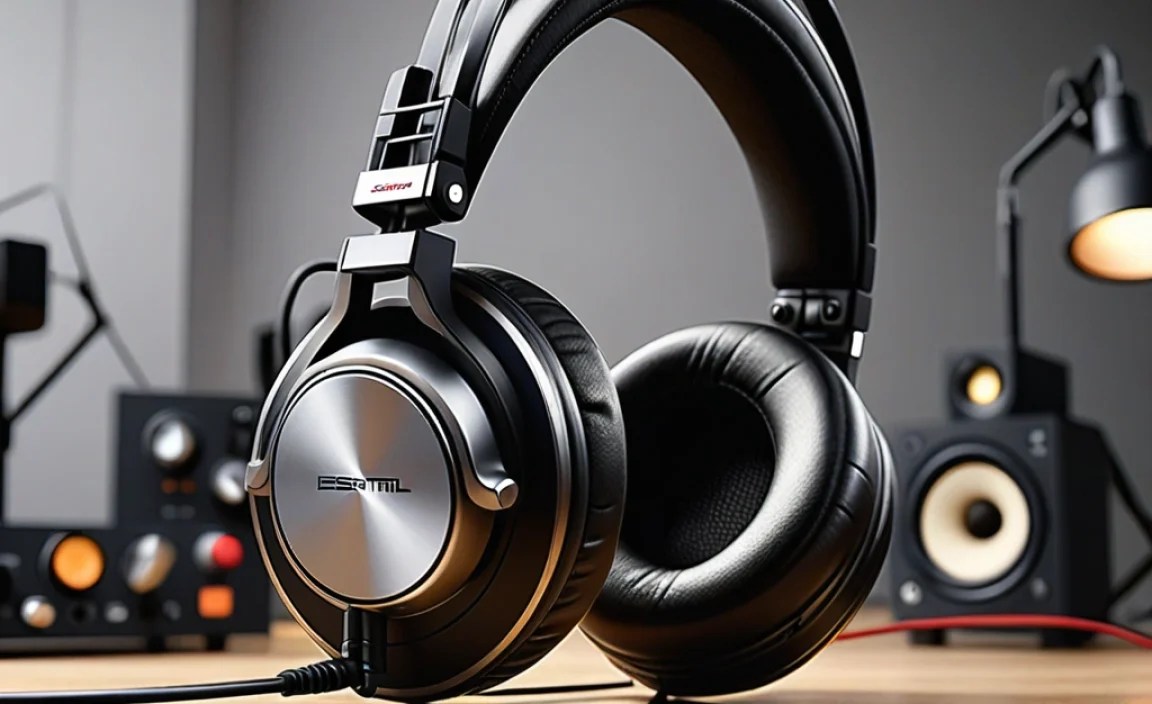
You’ve picked out your headphones, but to get the most out of them, a few accessories can make a big difference.
- Headphone Amplifier: Crucial for high-impedance headphones, but even low-impedance ones can benefit. An amp provides clean power, ensuring your headphones perform at their best, with better dynamics, less distortion, and more controlled bass. Many audio interfaces have built-in headphone amps, but an external one can offer superior performance.
- DAC (Digital-to-Analog Converter): While your computer or audio interface has a DAC, an external one can offer a cleaner, more accurate signal path, reducing digital noise and providing a clearer foundation for your audio.
- Headphone Stand/Hanger: Protect your investment! A stand keeps your headphones safe from being knocked over, tangled, or damaged. It also helps them maintain their shape.
- Replacement Earpads: Earpads wear out over time. Replacing them with the original or a high-quality aftermarket set can restore comfort and even slightly alter the sound, keeping your headphones fresh.
- Extension Cables / Adapters: Studio jacks are often 1/4 inch, while some devices use 1/8 inch. Ensure you have the right connectors and cables to link your headphones to your gear.
How to Test Headphones for Studio Use
When you’re shopping, or even when you get new headphones home, how do you know if they’re truly suited for studio work? It’s not just about listening to your favorite catchy song.
- Bring Familiar Tracks: Load up songs you know inside and out. Tracks where you can easily pick out the kick drum, the bassline, the vocal harmonies, and the subtle reverb tails are ideal.
- Listen for Balance: Do the instruments sound balanced? Is anything overly loud or quiet? Does the bass overpower the vocals, or are the highs piercing?
- Check the Low End: Can you hear the distinct thump of the kick drum and the sustain of the bass guitar? Or is it a muddy mess? Studio headphones should reveal the clarity of low frequencies.
- Examine the Mids: Vocals, guitars, and synths live in the midrange. Can you clearly hear the texture of a vocal performance or the bite of a distorted guitar?
- Assess the Highs: Are cymbals clear and crisp, or harsh and sibilant (like an “S” sound)? Can you hear the air and space in the track?
- Test the Soundstage: Close your eyes and try to imagine where each instrument is placed. Are they spread wide, close, or in the center? A good studio headphone will give you a clear sense of this stereo image.
- Listen for Artifacts: Can you hear subtle room noise, tape hiss, or the sound of breath before a vocal line? These are details that good studio headphones will expose.
For more on understanding sound and audio testing, resources like the Stanford CCRMA Audio Demo can be quite insightful, if a bit technical.
Maintaining Your Studio Headphones
Your studio headphones are critical tools. Treating them with care will ensure they last and continue to deliver accurate sound.
- Handle with Care: Always pick them up by the headband, not by pulling on the cables.
- Store Properly: Use a stand or case when not in use to protect them. Avoid leaving them in direct sunlight or extreme temperatures.
- Keep Cables Tidy: Don’t coil cables too tightly or yank them. Loose, gentle coiling is best.
- Clean Regularly: Gently wipe down the earcups and headband with a soft, dry cloth. For deeper cleaning, a slightly damp cloth (water only) can be used, but ensure they are completely dry afterwards. Avoid harsh chemicals.
- Replace Earpads: As mentioned, worn-out earpads can affect comfort and sound. Replace them proactively.
- Protect from Moisture: Avoid wearing them during intense workouts unless they are specifically designed for it, and keep them away from spills.
