
Need headphones that help you focus without distraction? Discover the best options for comfortable, productive study sessions by prioritizing noise cancellation, comfort, and sound quality that aids concentration. Find your perfect study companion to unlock deeper learning and a more peaceful academic life.
Best Headphones to Study: Essential Comfort for Ultimate Focus
Hey there, headphone enthusiasts and students alike! Edward Cavitt here from Headphone Horizon. We all know that studying can be a challenge. Whether you’re a college student cramming for finals, a working professional diving into new material, or simply someone trying to learn a new skill, creating the right environment is key. Distractions are everywhere, from noisy roommates to bustling coffee shops. That’s where the magic of a good pair of headphones comes in. But with so many options out there, how do you choose the best headphones to study that won’t just drown out the noise, but also keep you comfortable for hours? This guide is all about finding that perfect blend of sound isolation, plush comfort, and sound quality that actually helps you focus, making your study sessions more effective and enjoyable. Let’s dive in and find the perfect pair to boost your brainpower!
Why Headphones Are Crucial for Studying

In today’s world, finding a quiet space to concentrate can feel like a luxury. Headphones are more than just audio devices; they are personal sanctuaries for your ears. They create a portable bubble of calm, allowing you to tune out the world and tune into your studies. The psychological effect of putting on headphones can signal to your brain that it’s time to focus, much like closing the door to your office. Furthermore, for those who learn better with background audio, headphones allow for controlled soundscapes, from calming ambient noise to instrumental music designed to enhance cognitive function. They are an indispensable tool for anyone serious about improving their learning outcomes.
Noise Cancellation: Your Secret Weapon Against Distraction
When we talk about the best headphones to study, noise cancellation is often the first feature that comes to mind, and for good reason. Two main types of noise cancellation exist:
- Passive Noise Isolation: This is achieved through the physical design of the headphones. Over-ear headphones with snug earcups that create a tight seal around your ears block out ambient sound purely through their construction. In-ear monitors (IEMs) or earbuds that fit deeply into your ear canal also offer excellent passive isolation.
- Active Noise Cancellation (ANC): This technology uses microphones to detect external noise and then generates opposing sound waves to cancel it out. ANC is particularly effective against low-frequency, constant noises like engine hums, air conditioning units, or general background chatter.
For students, ANC can be a game-changer. Imagine being in a busy library or a dorm room; ANC can significantly reduce those persistent, distracting noises, allowing you to immerse yourself in your textbooks or lectures without interruption. While premium ANC headphones can be an investment, the peace and improved focus they provide often make them well worth the cost for dedicated study sessions.
According to research from institutions like Purdue University, well-designed study environments can improve learning outcomes. While “white noise” or specific types of music have been studied for their effects on cognitive performance, the primary benefit of noise-canceling headphones for studying is the reduction of disruptive sound, which is a well-established factor in maintaining focus. You can explore some studies on the effects of noise on cognition through resources like PubMed Central, which hosts a wealth of scientific literature.
Comfort is King: Studying for Hours Without Pain
Sound quality and noise cancellation are vital, but if your headphones pinch your ears or feel too heavy after an hour, they’re useless for long study sessions. Comfort is paramount when selecting the best headphones to study. Consider these factors:
- Earcups: Look for plush, breathable materials like memory foam or soft protein leather. They should be deep enough to avoid your ears touching the driver housing.
- Headband: A well-padded headband distributes weight evenly, preventing pressure points on the top of your head. Adjustable headbands are essential for a perfect fit.
- Clamping Force: Headphones should feel secure without being painfully tight. A gentle, firm grip is ideal.
- Weight: Lighter headphones generally lead to greater comfort over extended wear.
- Over-ear vs. On-ear vs. In-ear:
- Over-ear (Circumaural): These completely enclose your ears and are generally the most comfortable for long periods, offering the best passive isolation.
- On-ear (Supra-aural): These rest on your ears. They can be lighter but may cause discomfort after a while due to pressure on the ear.
- In-ear (Earbuds/IEMs): These go into your ear canal. They are very portable and can offer excellent isolation, but some people find the “in-ear” feel uncomfortable.
Many users find over-ear headphones to be the most comfortable for extended study sessions, as they distribute pressure more evenly and provide a better seal. However, if portability is key, high-quality in-ear monitors (IEMs) with various tip sizes can also be very comfortable and provide excellent isolation.
Choosing the Right Type of Headphones for Your Study Style

The best headphones to study aren’t a one-size-fits-all solution. Your personal preferences and study habits play a huge role. Let’s break down the most popular types and who they’re best for:
1. Over-Ear Headphones (Circumaural)
These are the classic, larger headphones that completely surround your ears. They are often favored for their comfort and superior sound isolation.
- Pros:
- Excellent passive noise isolation.
- Generally the most comfortable for long listening sessions.
- Often offer the best sound quality.
- Great for immersive listening.
- Cons:
- Can be bulkier and less portable.
- May get warm during long sessions in hot environments.
- Can be more expensive.
Best for: Students who study primarily at a desk, home, or in a dedicated quiet space and prioritize maximum comfort and noise blocking.
2. On-Ear Headphones (Supra-aural)
These sit directly on your ears. They’re a compromise between the portability of earbuds and the immersion of over-ear headphones.
- Pros:
- More compact and portable than over-ear.
- Can be lighter.
- Less likely to make your ears too hot.
- Cons:
- Can cause ear discomfort or fatigue over long periods.
- Less passive noise isolation compared to over-ear.
- Sound leakage can be an issue at higher volumes.
Best for: Those who need a balance of portability and comfort, studying in moderately noisy environments where absolute silence isn’t critical.
3. In-Ear Headphones (Earbuds/IEMs)
These fit directly into your ear canal, offering a discreet and portable audio solution.
- Pros:
- Extremely portable and lightweight.
- Excellent passive noise isolation when a good seal is achieved.
- Can be more affordable.
- Less likely to cause ear fatigue for some users.
- Cons:
- Can be uncomfortable for some in the long term.
- Sound quality can vary wildly.
- Risk of earwax buildup or minor irritation if not cleaned properly.
Best for: Students on the go, those who prefer a minimalist approach, or individuals who find over-ear headphones too bulky or warm. The key here is finding a pair with multiple ear tip sizes for a perfect, comfortable fit.
Wireless vs. Wired: For studying, both have merits. Wireless headphones (Bluetooth) offer freedom of movement without cable snagging. Wired headphones can offer slightly better sound quality for the price and never need charging. If you go wireless, ensure good battery life for those marathon study sessions!
Key Features to Look for in Study Headphones

Beyond the type and comfort, several features can make a significant difference in your study experience. When searching for the best headphones to study, keep these in mind:
- Active Noise Cancellation (ANC): As discussed, this is a superpower for blocking out disruptive ambient noise, especially low-frequency sounds.
- Transparency/Ambient Mode: A useful feature that lets you hear your surroundings without removing your headphones. Great for quickly hearing an announcement, a roommate, or a door knock.
- Sound Quality: While you don’t need audiophile-grade sound for studying, clear, balanced audio is important. Avoid overly bass-heavy headphones, as they can be fatiguing. A neutral or slightly warm sound profile is often best for long listening.
- Battery Life: For wireless headphones, a long battery life (20+ hours) is essential to get you through several study sessions without needing a recharge.
- Microphone Quality: If you’ll be participating in online classes or study groups, a clear microphone is a must.
- Durability: Headphones are an investment, and you want them to last. Look for sturdy construction and good build materials.
- Portability: If you study in different locations, consider headphones that fold up, come with a carrying case, or are simply compact in-ear options.
Top Picks: Best Headphones to Study (By Category)
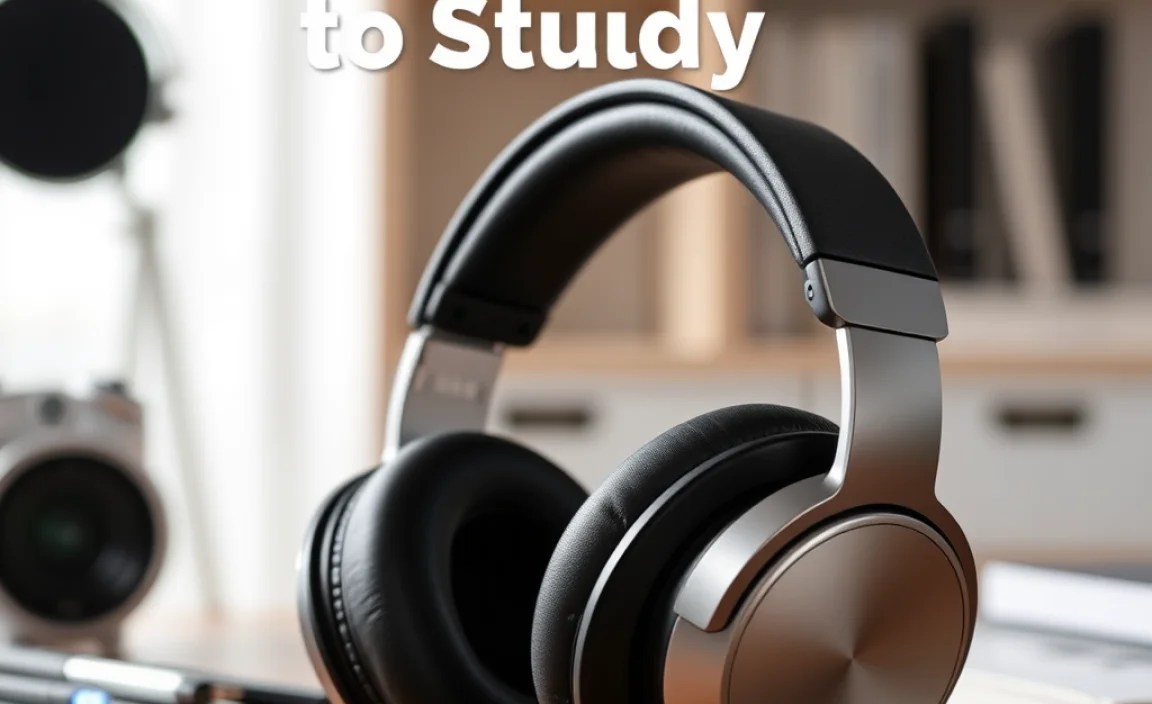
Here are some top contenders that consistently get high marks for comfort, noise cancellation, and suitability for study. Remember that “best” is subjective, but these are excellent starting points!
Best Overall: Sony WH-1000XM5 (Over-Ear, ANC)
The Sony WH-1000XM series is legendary for its industry-leading noise cancellation. The XM5s build on that legacy with superb comfort, excellent sound quality, and a refined design. They are incredibly effective at silencing the outside world, allowing for deep concentration.
- Pros: Unmatched ANC, superb comfort, excellent battery life, great sound.
- Cons: Premium price, not ideal for very hot weather.
Best Budget ANC: Anker Soundcore Life Q30 (Over-Ear, ANC)
For an incredible value, the Soundcore Life Q30 offers surprisingly robust ANC and very comfortable earcups. While not as powerful as the Sony, it significantly reduces common distractions at a fraction of the cost.
- Pros: Excellent ANC for the price, long battery life, comfortable.
- Cons: Sound quality not as refined as premium options, ANC can sometimes introduce a slight hiss.
Best for Portability & ANC: Bose QuietComfort Earbuds II (In-Ear, ANC)
Bose is another name synonymous with top-tier noise cancellation. Their latest earbuds offer a secure and comfortable fit for most, with powerful ANC in a compact package. Ideal for students who need to study on the move.
- Pros: Exceptional ANC in an earbud form factor, comfortable and secure fit, good sound.
- Cons: Battery life is good but less than over-ears, premium price for earbuds.
Best Wired Option: Audio-Technica ATH-M50x (Over-Ear)
If you prefer wired reliability and have a budget-friendly setup or don’t need ANC, the ATH-M50x is a studio staple. They offer excellent sound isolation and a very comfortable, durable build. While they don’t have ANC, their passive isolation is strong enough to block out a good amount of noise.
- Pros: Great sound clarity and detail, excellent build quality, comfortable earcups, good passive isolation, affordable.
- Cons: No ANC, wired connection can be restrictive.
Best Open-Back for Focused Work (If Background Noise is Minimal): Sennheiser HD 599 (Over-Ear)
This is for a niche audience – those who study in a very quiet environment and find the “dead silence” of ANC claustrophobic or unnatural. Open-back headphones have a more natural, spacious sound and don’t put as much pressure on your ears. They don’t block noise, but they offer a wonderfully airy listening experience for music or binaural beats designed for focus.
- Pros: Natural, spacious sound, very comfortable, good for long listening.
- Cons: Zero noise isolation, sound leaks in and out, not suitable for noisy environments.
This table summarizes some of these recommendations:
| Headphone Model | Type | Primary Strength for Study | Approximate Price Range |
|---|---|---|---|
| Sony WH-1000XM5 | Over-Ear, ANC | Industry-leading Noise Cancellation, Comfort | $$$ |
| Anker Soundcore Life Q30 | Over-Ear, ANC | Best Value ANC, Comfort | $ |
| Bose QuietComfort Earbuds II | In-Ear, ANC | Compact but Powerful ANC, Portability | $$$ |
| Audio-Technica ATH-M50x | Over-Ear, Wired | Excellent Sound Isolation & Clarity, Durability | $$ |
| Sennheiser HD 599 | Over-Ear, Open-Back | Natural Soundstage (for very quiet environments) | $$ |
How to Maximize Your Study Headphones
Getting the right headphones is only half the battle. Here’s how to use them effectively:
1. Find Your Ideal Soundscape
What sounds help you focus? Experiment!
- Silence: Many find pure silence (achieved with good ANC) to be best.
- Ambient Sounds: Apps like Noisli or MyNoise.net offer curated sounds like rain, ocean waves, or coffee shop ambience.
- Instrumental Music: Classical, lo-fi hip-hop, or electronic music without vocals can be great for keeping your mind engaged without distracting lyrics.
- Binaural Beats/Isochronic Tones: These are specialized audio tracks claiming to influence brainwave frequencies for focus or relaxation. You can find many on YouTube or dedicated apps. Learn more about them here on PubMed Central.
2. The Comfort Check
Before a long study session, wear your headphones for 15-30 minutes to ensure they’re comfortable. Adjust the fit, check for any pressure points. If they’re uncomfortable, they’ll become a distraction themselves.
3. Battery Management
For wireless headphones, always check the battery level before you begin. A dead battery mid-study is frustrating. Consider keeping a portable charger handy if you know you’ll be away from an outlet.
4. Practice Good Hygiene
Especially for in-ear headphones, regular cleaning is crucial. Earwax buildup not only affects sound quality but can also be unhygienic. Clean your earcups and tips regularly according to the manufacturer’s instructions.
5. ANC Etiquette
Even with ANC, it’s wise to keep the volume at a moderate level. Listening too loud can damage your hearing. A good rule of thumb is the 60/60 rule: Listen at no more than 60% of the maximum volume for no more than 60 minutes at a time.
When to Consider Different Types of Headphones
Your study environment and habits should guide your choice:
- Noisy Dorm/Shared Housing: Strong ANC is a must. Go for over-ear ANC headphones like the Sony WH-1000XM5 or budget-friendly Anker Q30.
- Commuting/Studying on the Go: Portability and ANC are key. Bose QuietComfort Earbuds II or Sony WF-1000XM4 (earbuds) are excellent.
- Quiet Library/Home Office: Excellent passive isolation or good-enough ANC might suffice. Anker Q30 or even the wired Audio-Technica ATH-M50x could
