
Quick Summary: Choosing the right headphones for toddlers ensures safe listening and enjoyable audio experiences. This guide explores key features like volume limits, comfort, durability, and connectivity, helping parents select the best headphones to protect their child’s hearing and provide a fun way to enjoy music and stories. We’ll cover essential considerations for making a confident and informed purchase.
Finding the Best Headphones for Toddlers: A Parent’s Essential Guide
Welcome, fellow audio adventurers! As Edward Cavitt here from Headphone Horizon, I know how important it is to get the right gear, especially when it comes to our little ones. Today, we’re diving into a topic that’s crucial for both entertainment and safety: finding the best headphones for toddlers. In a world filled with sound, it’s vital that our youngest listeners enjoy music, stories, and educational content without risking their delicate hearing. This guide is designed to make that choice simple and stress-free, whether you’re a seasoned audiophile or just starting your headphone journey with your child. Let’s explore what makes a pair of toddler headphones not just a gadget, but an essential part of their early years!
Why Headphones for Toddlers Matter
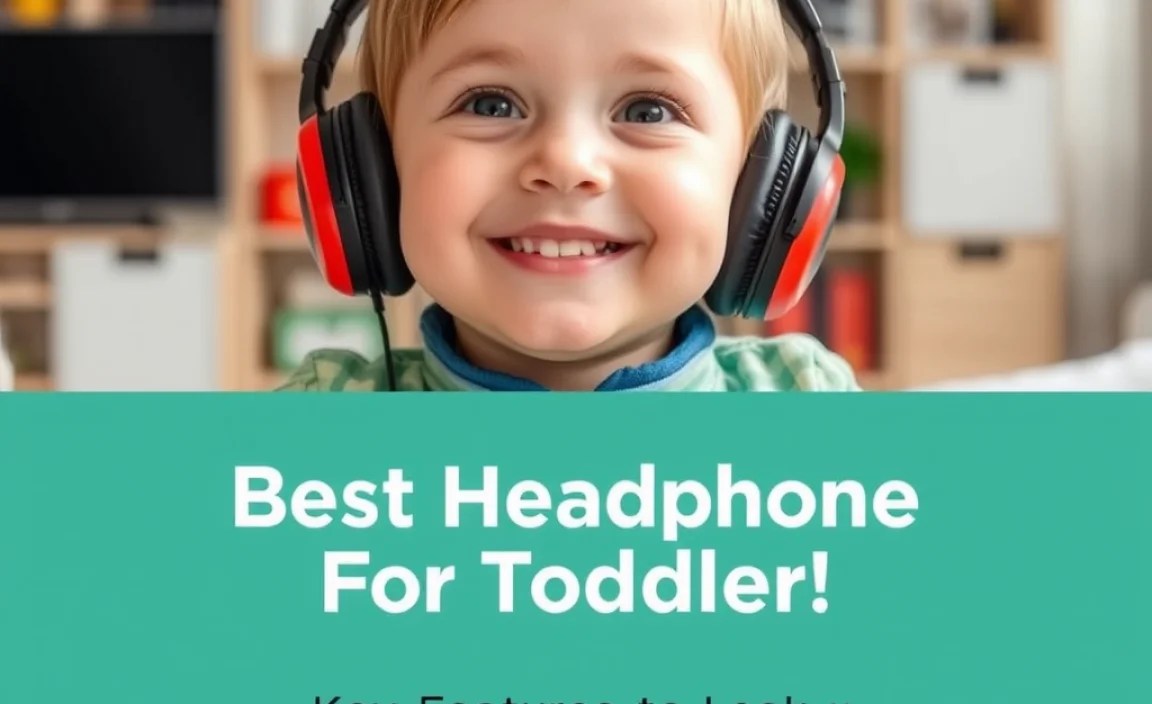
You might be wondering if your little one really needs headphones. The answer is a resounding yes, and here’s why! Toddlers are often exposed to a wider range of sounds than we realize, from car rides and airplane journeys to busy playdates and even just watching their favorite shows at home. Without protection, these sounds can be overwhelmingly loud, and prolonged exposure to even moderately high volumes can pose risks to developing ears.
The good news is that specialized toddler headphones are designed with these specific needs in mind. They aren’t just scaled-down adult headphones; they incorporate safety features and comfort elements that make them ideal for young children. Investing in a good pair can transform noisy environments into peaceful listening experiences, protect tiny ears from potential damage, and even aid in focus during educational activities. It’s about creating a healthy and enjoyable relationship with sound from the very beginning.
Key Features to Look For: Safety First!
![Top Picks: The Best Headphones for Toddlers in [Current Year]](https://i2.wp.com/headphonehorizon.com/wp-content/uploads/2026/01/top-picks-the-best-headphones-for-toddlers-in-current-year.webp)
When you begin your search for the best headphones for toddlers, a few features should immediately catch your eye. These are the pillars of safe and effective toddler headphones, ensuring your child’s auditory well-being is the top priority.
Volume Limiting Technology
This is, without a doubt, the most critical feature. Toddler headphones, and many children’s headphones, come with built-in volume limiters. These limit the maximum sound output to a safe level, typically around 85 decibels (dB). This is well within the recommended safe listening limits established by organizations like the American Academy of Otolaryngology – Head and Neck Surgery. Even if your toddler accidentally cranks the volume knob to its highest setting, their ears will remain protected. This feature alone makes them indispensable.
Comfort and Fit
Toddlers have small heads and sensitive ears, so comfort is paramount. Look for:
- Padded Earcups: Soft, plush earcups are essential for long-wearing comfort. They should feel gentle against the skin and create a good seal without causing pressure.
- Adjustable Headband: A headband that can be adjusted ensures the headphones will fit as your toddler grows. It should have clear markings or an easy-to-use adjustment mechanism.
- Lightweight Design: Heavy headphones can be uncomfortable and slip off easily. Opt for lightweight models that won’t feel burdensome.
- Proper Ear Coverage: Over-ear designs are generally preferred for toddlers as they enclose the entire ear, providing better passive noise isolation and less pressure than on-ear models.
Durability and Materials
Let’s be honest, toddlers can be tough on their belongings. The best headphones for toddlers need to withstand a bit of rough handling. Key considerations include:
- Sturdy Construction: Look for headphones made from robust plastics that can resist bending, twisting, and occasional drops.
- Flexible Materials: A flexible headband and swivel earcups can absorb shock better and prevent breakage.
- BPA-Free Plastics: Ensure all materials in contact with your child are safe and free from harmful chemicals like BPA.
- Easy to Clean: Spills and sticky fingers are inevitable. Materials that can be easily wiped down are a big plus.
Connectivity Options
How will your toddler connect to their audio source? The common options are:
- Wired (3.5mm Audio Jack): This is the most straightforward and often the most reliable option. It doesn’t require charging and is universally compatible with most devices (tablets, smartphones, etc.). The cable length should be adequate but not so long it becomes a tripping hazard.
- Wireless (Bluetooth): Bluetooth headphones offer freedom from cables, which can be great for preventing tangles and allowing more movement. However, they require charging, and you’ll need to ensure a secure and simple pairing process. For toddlers, Bluetooth might be more complex to manage.
Sound Quality and Clarity
While safety is the priority, you still want your toddler to enjoy a pleasant listening experience. Good toddler headphones will offer clear, balanced sound. You don’t need audiophile-grade equipment for this age, but clarity ensures they can easily understand speech in audiobooks or educational content.
Design and Aesthetics
Let’s face it, if the headphones look fun, your toddler is more likely to wear them! Many brands offer vibrant colors, popular character themes, and playful designs that appeal to young children. While not a functional requirement, it can significantly impact adoption and enjoyment.
Top Picks: The Best Headphones for Toddlers in [Current Year]
Choosing the right pair can feel overwhelming with so many options available. To help you navigate, here are some highly-regarded categories and examples of what makes them stand out. Remember, the “best” pair is subjective and depends on your specific needs, but these are excellent starting points.
Category 1: The Ultra-Safe Volume Limiters
These headphones prioritize maximum hearing protection above all else. They often feature very strict volume caps and are built with the most sensitive ears in mind.
Recommended Brands/Models:
- BuddyPhones: Known for their robust build and excellent volume-limiting features, often with multiple listening modes.
- JLab JBuddies: Princess/Superhero/Kid Models: Often come with a sharing port for easy audio distribution to a second pair of headphones.
- LilGadgets: Connect+ / Untangled Pro: Feature a unique “SharePort” that allows another wired headphone to connect, and the wireless models boast a long battery life and easy Bluetooth pairing designed for kids.
Category 2: The Durable & Play-Proof Champions
For toddlers who are extra active or prone to accidental drops and twists, durability is key. These headphones are designed to withstand more abuse.
Recommended Brands/Models:
- Contixo Kids Headphones: Often lauded for their sturdy materials and comfortable fit, many models are also foldable for portability.
- iClever Boostcare Headphones: These are built with flexible, food-grade materials and reinforced hinges, offering impressive resilience.
- Puro Sound Labs BT2200/BT3000: While a bit pricier, these offer excellent build quality, premium sound, and a solid 85dB volume limit.
Category 3: The Comfortable All-Day Wearers
Designed for extended listening sessions, these headphones feature extra cushioning and a secure yet gentle fit.
Recommended Brands/Models:
- Snug Play+ Headphones: These often feature memory foam earcups and a soft-touch, flexible headband for maximum comfort.
- Onanoff BuddyPhones Explore/Traveler: Specifically designed for travel and comfort, with foldable designs and soft earcups.
Category 4: The Fun & Engaging Designs
While function comes first, these headphones add a layer of fun that can make wearing them a positive experience for your toddler.
Recommended Brands/Models:
- Smiggle Headphones: Known for their bright colors and engaging, often sparkly or character-driven designs.
- Kikkerland – Various Kid-themed Headphones: Often feature unique visual elements and are built with durability in mind.
Comparison Table: Key Features at a Glance
To make your decision even easier, here’s a quick look at some popular options and their standout features. While specific model features can vary, this table highlights general strengths.
| Brand/Model Example | Volume Limit (dB) | Connectivity | Durability Rating | Comfort Features | MSRP (Approx.) |
|---|---|---|---|---|---|
| BuddyPhones (Standard Models) | 85 dB | Wired (3.5mm) | High | Soft padded earcups, adjustable headband | $25 – $40 |
| JLab JBuddies (Kids) | 85 dB | Wired (3.5mm) with Sharing Port | Medium-High | Padded earcups, adjustable | $15 – $25 |
| LilGadgets Connect+ | 90 dB (can be adjusted slightly) | Wired (3.5mm) with SharePort | High | Plush earcups, lightweight, foldable | $20 – $30 |
| iClever Boostcare | 78 dB or 85 dB (select models) | Wired (3.5mm) | Very High (flexible, food-grade) | Soft earcups, secure fit | $30 – $40 |
| Puro Sound Labs BT2200 | 85 dB | Bluetooth 5.0 / Wired option | High | Lightweight, soft vegan leather earcups, adjustable | $60 – $80 |
Setting Up and Using Toddler Headphones: A Simple Guide
Once you’ve chosen the best headphones for your toddler, getting them set up and encouraging their use is straightforward. Here’s a step-by-step approach.
Step 1: Unboxing and Inspection
- Carefully unpack the headphones and all accessories.
- Inspect them for any signs of damage that may have occurred during shipping.
- Familiarize yourself with how the headband adjusts and where any buttons or ports are located, especially if they are wireless.
Step 2: Fitting the Headphones
- Gently place the headphones on your toddler’s head.
- Adjust the headband so that the earcups sit comfortably over their ears, covering them completely without pressing too hard.
- Ensure the fit is snug enough to stay in place but not so tight it causes discomfort or headaches. A good fit also helps with passive noise isolation.
Step 3: Connecting to Your Device
- For Wired Headphones:
- Locate the headphone jack on your tablet, smartphone, or other audio device.
- Plug the 3.5mm audio cable into the jack on the headphones and then into your device.
- Ensure the cable is not pulling or creating a tension point.
- For Wireless (Bluetooth) Headphones:
- Turn on the headphones. This usually involves pressing and holding a power button.
- Put the headphones into pairing mode. Consult the manual for your specific model; this often involves holding a button for a few seconds until an LED blinks or an audio cue is given.
- On your device (tablet, phone), go to Bluetooth settings.
- Select the name of the headphones from the list of available devices.
- Once paired, you should hear a confirmation sound or see a solid light on the headphones.
Step 4: Introducing Them to Your Toddler
- Make it a fun experience! Let your toddler explore the headphones.
- Start with short listening sessions, perhaps while they watch a favorite show or listen to a familiar song.
- Praise them for wearing the headphones and enjoying their sound.
- Avoid forcing them; if they seem resistant, take a break and try again later.
Step 5: Setting Volume Levels
This step is crucial for safety. Even though the headphones have limiters, it’s good practice to manage the source volume as well.
- When you play audio, start the volume at the lowest setting on your device.
- Gradually increase it to a comfortable level for your toddler.
- Generally, the audio should be clear and audible without needing to be loud enough to drown out ambient noise significantly, especially in quiet environments. If the sound is just barely audible over background noise, it’s likely a safe level.
Maintenance and Care: Keeping Them in Top Shape
Just like any other piece of equipment, taking care of your toddler’s headphones will extend their lifespan and ensure they remain clean and functional. Here’s how to maintain them:
Cleaning the Earcup Pads
This is where bacteria and grime can accumulate. Regular cleaning is essential:
- Materials Needed: Mild soap (like baby soap or diluted dish soap), lukewarm water, soft microfiber cloths.
- Process:
- Dampen a microfiber cloth with lukewarm water. Wring it out thoroughly so it’s not dripping.
- Gently wipe down the earcup pads.
- If more cleaning is needed, mix a tiny amount of mild soap with water. Dampen another cloth with this solution, wring it out well, and gently wipe the pads.
- Follow up with a clean, damp cloth (water only) to remove any soap residue.
- Always allow the earcups to air dry completely before using them again or storing them. Do not submerge the headphones in water.
Cleaning the Headband and Plastic Parts
The rest of the headphones can be cleaned similarly:
- Wipe down the headband and plastic housing with a slightly damp cloth.
- For tougher spots, use a mild, diluted soap solution, but always be careful not to let moisture seep into any internal components.
- Pay attention to the adjustable sliders on the headband. Keep them free of debris to ensure smooth adjustment.
Cleaning the Audio Jack and Cable (for Wired Models)
A dirty audio jack can cause crackling or loss of sound.
- For the Jack: You can use a cotton swab lightly dampened with isopropyl alcohol (rubbing alcohol). Insert it carefully into the jack and twist gently. Let it dry completely before plugging it in. Be very cautious not to push the swab too far in or apply excessive force.
- For the Cable: Wipe the cable with a damp cloth. Inspect it for any cuts or fraying.
Proper Storage
When not in use, proper storage prevents damage and keeps the headphones tidy.
- Store them in a cool, dry place, away from direct sunlight and extreme temperatures.
- If they came with a carrying pouch or case, use it.
- Avoid storing them where they might be crushed or have heavy objects placed on top of them.
- If they are frequently used in a playpen or toy bin, consider a designated spot for them.
Regular Checks for Damage
Make it a habit to quickly inspect the headphones before and after use.
- Look for any cracks in the plastic, tears in the earcup padding, or fraying of the cable.
- Ensure the headband adjustment mechanism is still working smoothly.
- Tighten any loose screws if accessible and safe to do so
