
Quick Summary: Discover the essential headphones for your journeys and workouts! This guide breaks down noise cancellation, durability, and comfort, helping you choose the perfect pair that fits your lifestyle and budget. Get ready for immersive sound, whether you’re on a plane or hitting the gym.
Hey everyone, Edward Cavitt here from Headphone Horizon! Whether you’re a frequent flyer, a dedicated gym-goer, or simply someone who loves to escape into their music on the move, finding the right headphones can make a world of difference. Juggling the needs of travel—think peace and quiet against airplane hums—with workout demands—requiring a secure fit and sweat resistance—can feel like a challenge. But don’t worry! I’m here to help simplify things. We’ll explore what makes headphones great for both scenarios, looking at key features that matter, so you can make an informed choice without getting lost in technical jargon. Let’s find your perfect audio companion!
Why Your Headphones Need to Be Versatile

Life is dynamic, and our gear should keep up. For many of us, the same headphones that make a long flight bearable are the ones we rely on for our daily runs or gym sessions. This means the “best” headphones aren’t just about pristine audio quality; they need to be robust, comfortable for extended wear, and resilient enough to handle sweat and movement. Think of it as your personal audio sanctuary, ready for any adventure. A prime example of how audio technology is evolving to meet these diverse needs can be seen in the advancements in battery life and connectivity, crucial for both travel and consistent workout performance.
Key Features to Look For
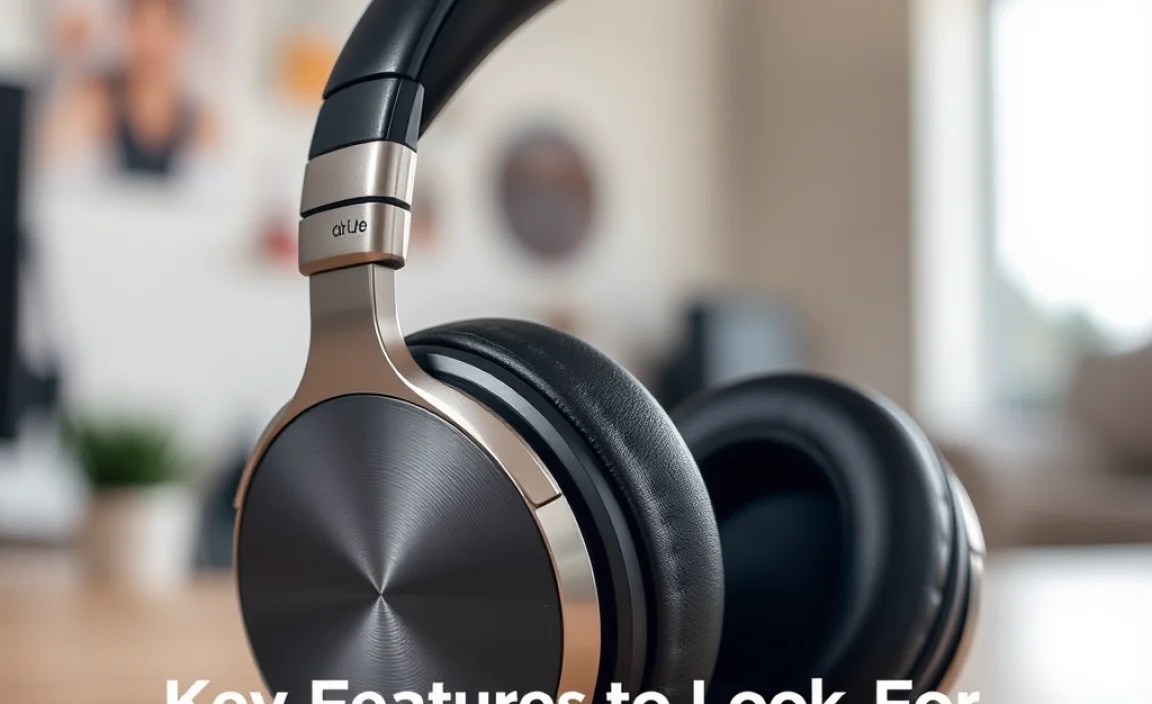
When you’re on the hunt for headphones that can handle both the rumble of planes and the rhythm of your workout, several features rise to the top. These are the non-negotiables that separate good from great.
1. Active Noise Cancellation (ANC) for Travel Bliss

This is a game-changer for travelers. ANC uses tiny microphones to detect ambient noise and then generates an opposite sound wave to cancel it out. It’s like a mute button for the world around you.
- How it helps travel: Drastically reduces the drone of airplane engines, train whistles, and general chatter, allowing you to focus on your music, podcasts, or simply enjoy some quiet.
- How it helps workouts: While less critical for outdoor workouts, it can be fantastic for noisy gyms, helping you ignore distractions and stay in your zone.
- Things to consider: Some ANC can create a slight sense of pressure, and it does drain battery faster. Higher-end models usually offer better ANC performance.
2. Secure and Comfortable Fit
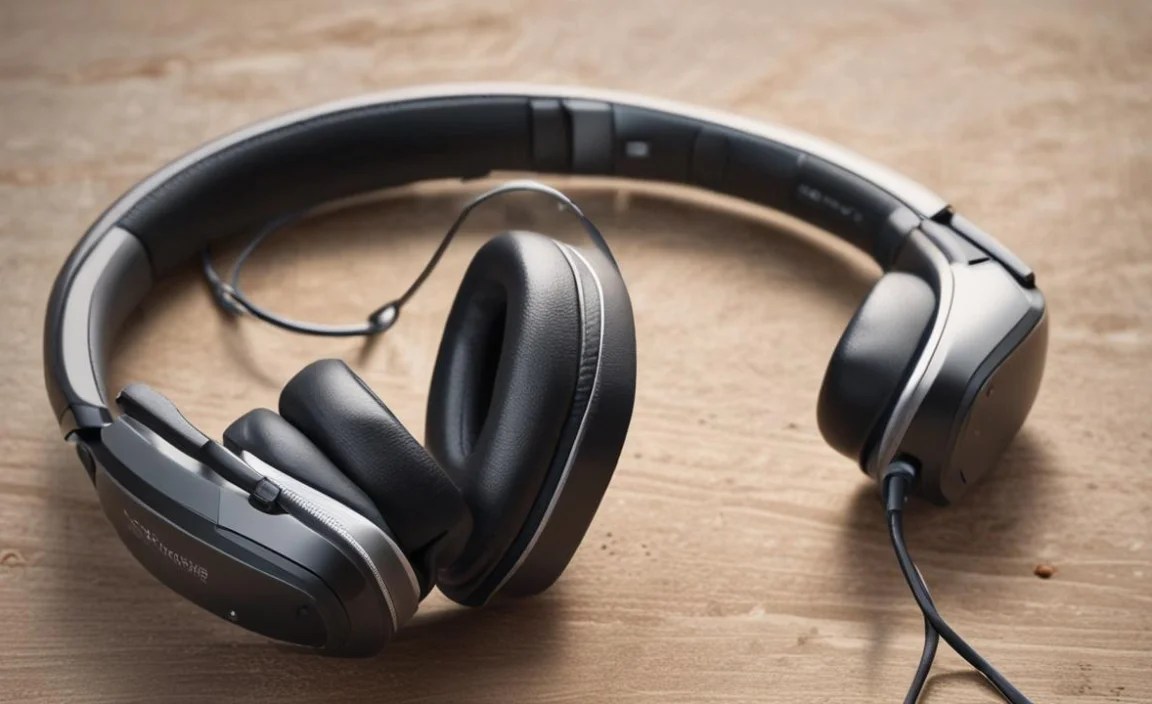
For workouts, this is paramount. You don’t want headphones falling out mid-stride or during a squat. For travel, comfort during long listening sessions is key.
- For Workouts: Look for ear hooks, wingtips, or an ergonomic in-ear design that stays put. Sweat-resistance is also a must.
- For Travel: Over-ear headphones often provide superior comfort for long durations due to plush earcups. However, many compact earbuds also offer excellent long-term wearability.
- Material Matters: Soft, breathable earpads or silicone ear tips can prevent irritation during extended use.
3. Durability and Sweat/Water Resistance

Your headphones will likely face a bit of a beating, whether it’s being tossed in a bag or getting splashed with sweat. Look for:
- IP Rating (Ingress Protection): This tells you how well the headphones are protected against solids (like dust) and liquids (like water or sweat). A rating of IPX4 or higher is generally good for workouts, meaning they can handle sweat and some splashes. Higher ratings mean better protection. For travel, while not as critical, it adds general resilience. You can find more about IP ratings on official sites like the International Electrotechnical Commission (IEC), which develops and publishes international standards.
