
Quick Summary: Discovering the best headphones involves understanding your listening needs, from music quality to comfort and connectivity. This guide breaks down key features, popular brands, and maintenance tips, empowering you to make a confident, long-lasting choice for your perfect audio experience.
What Is The Best Headphones: Your Proven Choice Guide
Welcome to Headphone Horizon! If you’ve ever felt overwhelmed by the sheer number of headphones on the market, you’re not alone. It can seem like everyone is talking about drivers, impedance, and active noise cancellation, leaving you wondering, “What is the best headphones for me?” The truth is, there isn’t a single “best” for everyone. Instead, the best headphones are the ones that perfectly match your lifestyle, your listening habits, and your budget. Whether you’re a daily commuter looking for peace on the train, a fitness enthusiast needing sweat-proof earbuds, or a music aficionado craving audiophile-grade sound, this guide is designed to cut through the jargon and help you find your proven choice. We’ll explore the essential features, look at some trusted brands, and even touch on how to keep your headphones in top shape for years to come. Let’s dive in and make sure your next headphone purchase is a winner!
Understanding Your Needs: The Foundation of Your Choice

Before we dive into specific features and brands, the most important step is understanding what you need from your headphones. Think about where and how you’ll be using them most often. This will guide every other decision you make.
Consider Your Primary Use Cases:
- Commuting/Travel: Do you need noise cancellation to block out distractions? Portability is also key, so foldable or compact options might be ideal.
- Work/Study: Focus on comfort for long wear, good microphone quality for calls, and perhaps noise isolation to help you concentrate.
- Exercise: Look for sweat and water resistance (IPX rating), a secure fit, and wireless convenience.
- Home Listening/Audiophile: Sound quality is paramount. You might prioritize open-back designs for a wider soundstage or high-resolution audio support.
- Gaming: Low latency, spatial audio support, and comfort for extended gaming sessions are important.
Wired vs. Wireless: A Crucial Decision
This is often one of the first major choices you’ll make. Each has its pros and cons:
Wired Headphones
Pros:
- Generally offer superior sound quality for the price.
- No need for charging or concerns about battery life.
- Typically less expensive than their wireless counterparts with similar sound quality.
- No latency issues, making them great for gaming or professional audio work.
Cons:
- The hassle of managing cables can be inconvenient.
- Limited by the length of the cable and your device’s available ports (especially with the rise of USB-C and the disappearance of headphone jacks on many phones).
Wireless Headphones
Pros:
- Freedom of movement without cables.
- Convenient for on-the-go listening, exercise, and travel.
- Many models offer advanced features accessible via companion apps.
Cons:
- Require regular charging.
- Can be more expensive for equivalent sound quality.
- Potential for audio latency in some Bluetooth applications.
- Sound quality can sometimes be slightly compromised due to Bluetooth compression, though this is less of an issue with modern codecs like LDAC and aptX HD.
Key Features to Look For

Once you know your usage, you can start evaluating specific features. Here are some of the most important ones to consider when asking yourself, “What is the best headphones?”
Sound Quality: The Heart of the Matter
This is subjective but can be broken down into a few elements:
- Frequency Response: This refers to the range of sound frequencies (bass, mids, treble) a headphone can reproduce. A wider range generally means more detail. Most headphones aim for a balanced sound, but some are tuned for a bass-heavy or treble-forward experience.
- Driver Size and Type: Drivers are the speakers inside your headphones. Larger drivers (measured in millimeters) can often produce a fuller sound, but the quality of the driver material and design is more important than sheer size.
- Soundstage: This is how “wide” or “spacious” the sound feels. Open-back headphones often excel here, creating a sense of being “in the room” with the music, while closed-back headphones tend to have a more intimate or “in your head” sound.
- Impedance: Measured in ohms (Ω), this relates to how much power is needed to drive the headphones. Lower impedance (under 50Ω) is suitable for portable devices like smartphones, while higher impedance (over 100Ω) often requires a dedicated amplifier for optimal performance but can deliver superior detail and dynamics.
Comfort and Fit: Essential for Long Listening Sessions
Headphones are no good if they hurt your ears or fall off! Consider:
- Earcup Design:
- Over-ear (Circumaural): These cups surround your entire ear. They can be very comfortable and offer good passive noise isolation.
- On-ear (Supra-aural): These rest directly on your ears. They are often lighter and more portable but can cause discomfort after long periods and may leak sound more easily.
- Earbud Types:
- In-ear monitors (IEMs) / Earbuds: These fit directly into your ear canal. They offer excellent noise isolation and a secure fit, making them ideal for active use.
- True Wireless Stereo (TWS): These are completely wireless earbuds, offering maximum freedom.
- Materials: Look for soft, breathable earpads (like memory foam or velour) and an adjustable headband that doesn’t apply too much pressure.
- Weight: Lighter headphones are generally more comfortable for extended wear.
Noise Cancellation: Your Sanctuary of Sound
This feature uses microphones and electronics to actively reduce ambient noise. It’s a game-changer for travel and noisy environments.
- Active Noise Cancellation (ANC): The technology that actively counters external noise.
- Passive Noise Isolation: This is achieved through the physical design of the headphones, creating a seal around your ears to block out sound. Many premium headphones combine both.
- Transparency Mode (Ambient Sound Mode): Allows you to hear your surroundings without taking off your headphones, useful for announcements or quick conversations.
Connectivity: How You’ll Get Your Audio
For wireless headphones, connectivity is crucial:
- Bluetooth Version: Newer versions (like Bluetooth 5.0 and above) offer better range, faster pairing, and more stable connections, along with improved power efficiency.
- Codec Support: Bluetooth codecs determine how audio data is transmitted. Common ones include SBC (basic), AAC (good for Apple devices), aptX and aptX HD (good for Android, better quality), and LDAC (Sony’s high-resolution codec).
- Multipoint Pairing: Allows you to connect your headphones to two devices simultaneously (e.g., your phone and laptop) and switch between them seamlessly.
- Wired Option: Some wireless headphones still offer a 3.5mm jack as a backup for when battery runs low or for devices without Bluetooth.
Microphone Quality: For Clear Calls
If you plan to use your headphones for calls or online meetings, microphone quality is essential. Some headphones feature multiple microphones with noise reduction to ensure your voice is heard clearly, even in noisy environments.
Battery Life: Powering Your Listening
For wireless headphones, battery life is critical. Manufacturers typically specify battery life in hours for listening time, and quick charge features can be a lifesaver, providing a few hours of playback from just a few minutes of charging. Check the charging method as well – USB-C is becoming the standard.
Popular Headphone Brands and Their Strengths

While “best” is subjective, certain brands have consistently delivered quality and innovation. Knowing their general strengths can help narrow down your choices.
Top Tier Brands Known for Quality
| Brand | Key Strengths | Typical Use Cases |
|---|---|---|
| Sony | Industry-leading Active Noise Cancellation (ANC), excellent app control, strong bass response (on many models), high-resolution audio support (LDAC). | Travel, commuting, everyday listening, home listening. |
| Bose | Exceptional ANC, renowned comfort, balanced and pleasing sound signature, intuitive controls. | Travel, commuting, office work, general use. |
| Sennheiser | Impeccable sound quality, wide soundstage, detailed audio reproduction, robust build quality. | Audiophile listening, studio monitoring, home listening. |
| Audio-Technica | Great value for sound quality, often neutral and accurate sound profiles, reliable build. | Home listening, studio work, everyday use. |
| Apple | Seamless integration with Apple ecosystem, excellent ANC (AirPods Pro/Max), spatial audio with dynamic head tracking, user-friendly. | Apple users, everyday listening, commuting, casual gaming. |
| Jabra | Durable, good ANC, excellent call quality, strong focus on fitness and productivity features. | Fitness, work calls, commuting. |
| Bowers & Wilkins (B&W) | Premium build quality, sophisticated sound, luxurious design, high-fidelity audio. | Home listening, audiophile enthusiasts, luxury segment. |
Choosing Between Over-Ear, On-Ear, and In-Ear
Here’s a quick look at how these form factors generally stack up:
| Form Factor | Pros | Cons | Best For |
|---|---|---|---|
| Over-Ear | Best comfort for long wear, superior sound isolation, excellent sound quality potential, immersive experience, good heat dissipation. | Bulky, can be warm in hot weather, not ideal for intense exercise, sometimes expensive. | Home listening, travel, office, audiophiles, gaming. |
| On-Ear | More portable than over-ear, lighter, can offer a good balance of sound and portability, less ear heat. | Can cause ear pressure, sound leakage (in/out), less immersive soundstage than over-ear, comfort varies greatly. | Commuting, casual listening, users who find over-ear too bulky. |
| In-Ear (Earbuds/IEMs) | Most portable, secure fit for active use, excellent noise isolation, discreet. | Can be uncomfortable for some if the fit isn’t right, sound quality can be less expansive, small parts can be lost. | Fitness, commuting, travel, everyday portability, audiophiles (IEMs). |
Proven Choices for Different Needs
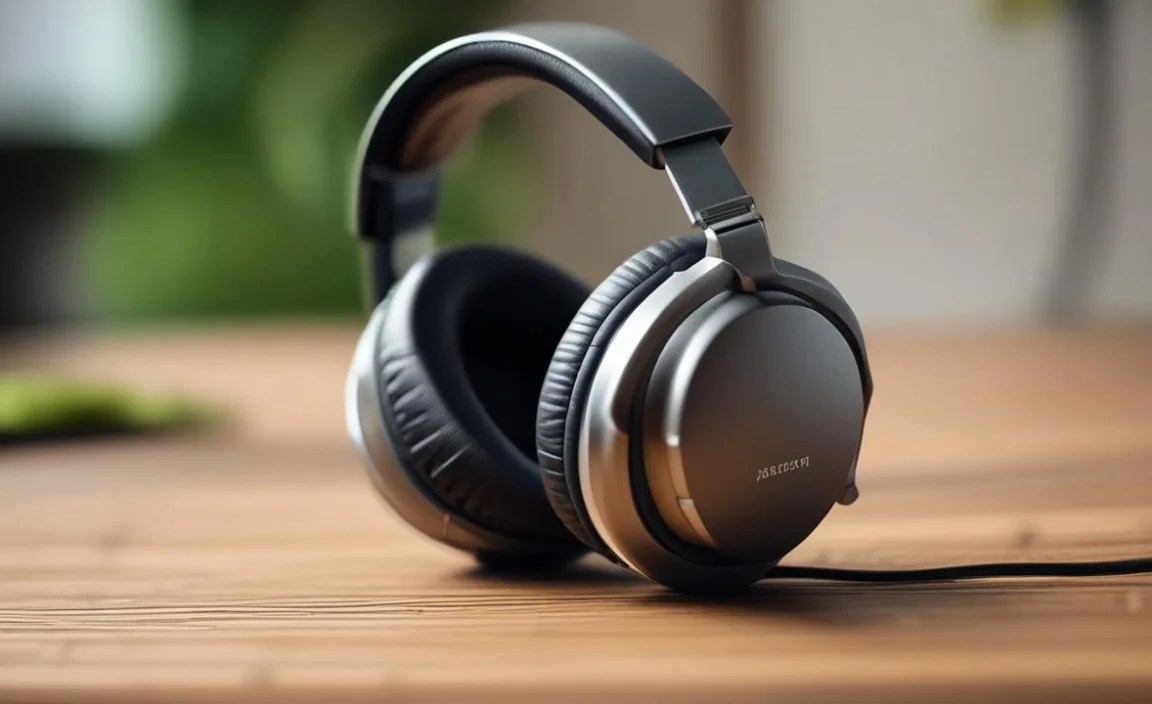
Based on common user needs and renowned performance, here are some “proven choice” categories and examples. Remember, these are often leading models but also consider newer releases and personal preference.
For the Frequent Traveler: Best ANC Headphones
When you need to escape the drone of airplane engines or the chatter of a busy train, Active Noise Cancellation (ANC) is your best friend. These headphones are designed to create a quiet bubble.
- Sony WH-1000XM5/XM4: Consistently ranked among the very best for ANC performance, sound quality, and features. Comfortable for long flights.
- Bose QuietComfort Series (QC45, QC Ultra): Bose pioneered ANC and remains a top contender, offering exceptional quiet and comfort.
- Apple AirPods Max: For Apple users, these offer superb ANC, spatial audio, and premium build, though at a higher price point.
For the Music Lover: Best Sound Quality Headphones
If your priority is pure audio fidelity, where every nuance of the music is preserved, these are excellent starting points. This category often leans towards wired or high-resolution wireless options.
- Sennheiser HD 600/650/800 S: Classic audiophile choices known for their natural, detailed, and wide soundstage. (Wired, often need an amp).
- Beyerdynamic DT 1990 Pro: A professional-grade headphone offering incredible detail and a bright, analytical sound. (Wired).
- Grado SR Series: Known for their unique, energetic, and detailed sound, especially for rock and jazz. (Wired, open-back).
- Sony WH-1000XM5/WF-1000XM5: For wireless convenience, Sony’s LDAC support and excellent sound processing deliver impressive fidelity.
For the Fitness Fanatic: Best Sport Headphones
These are built to withstand sweat, stay securely in place during intense workouts, and often offer features like ambient sound modes.
- Jabra Elite Active Series (e.g., Active 8, Active 7): Known for their durability, secure fit, excellent call quality, and good sound for their class. Water and sweat-rated.
- Beats Fit Pro: A strong contender with a secure wingtip design, good ANC, and seamless integration for Apple users.
- Shokz (formerly AfterShokz) Bone Conduction Headphones: Unlike traditional headphones, these rest near your ears and use bone conduction to deliver sound, leaving your ear canal open to environmental awareness – great for runners and cyclists for safety.
For the Commuter/Office Worker: Best All-Around & Productivity Headphones
These strike a balance between good sound, effective noise cancellation/isolation, comfort for long wear, and often strong microphone performance for calls.
- Sony WH-1000XM series: Again, these are versatile kings for travel and work.
- Bose QuietComfort series: Renowned for comfort and effective ANC.
- Sennheiser Momentum Wireless series: Offer a premium feel, excellent sound, and good ANC.
- Jabra Evolve2 Series: Specifically designed for professional use with excellent microphones and comfort for all-day wear.
For the Budget-Conscious Listener: Best Value Headphones
You don’t always need to spend a fortune to get great sound. These offer excellent performance for their price point.
- Anker Soundcore Series (e.g., Q30, Q45, Liberty 3 Pro): Anker consistently punches above its weight, offering impressive ANC, good sound, and long battery life at accessible prices.
- Audio-Technica ATH-M series (e.g., M20x, M30x, M40x): Wired studio monitor headphones that offer very accurate sound for critical listening or music production without breaking the bank.
- Edifier Headphones: Edifier offers a range of well-built, good-sounding headphones and earbuds at very competitive prices.
Maintaining Your Headphones: Extend Their Lifespan

Investing in a good pair of headphones is great, but taking care of them ensures they last and sound their best. Proper maintenance is simple and highly effective.
1. Keep Them Clean
Dirt, earwax, and sweat can degrade sound quality and damage components.
- Earpads/Ear Tips: For over-ear and on-ear headphones, gently wipe down earpads with a slightly damp cloth (water or a mild soap solution). For earbuds, remove the silicone or foam tips and wash them with mild soap and water, ensuring they are completely dry before reattaching.
- Headband: Wipe down the headband periodically.
- Speaker Grilles: Use a dry, soft brush (like a toothbrush that’s only used for this purpose) or a can of compressed air to gently dislodge any debris from the speaker grilles. Be very careful not to push debris further in.
- Charging Ports/Connectors: For wireless headphones, a quick blast of compressed air can help clear dust from charging ports. For wired headphones, ensure the audio jack is clean and free of lint.
2. Store Them Properly
Avoid just tossing them in your bag, where they can get tangled, crushed, or damaged.
- Use the Carrying Case: Most good headphones
