
Quick Summary: Discover how to choose the best immersive headphones for your needs. This guide simplifies features like noise cancellation, sound quality, and comfort, helping you find headphones that truly transport you into your audio, whether for music, games, or movies.
Best Immersive Headphones: Your Essential Guide

Welcome to the exciting world of immersive audio! If you’ve ever dreamed of stepping inside your favorite music, feeling the rumble of a movie soundtrack, or hearing every whisper in a game, then immersive headphones are your ticket. But with so many options, picking the right pair can feel a bit daunting. Don’t worry! I’m here, Edward Cavitt from headphonehorizon, to break it all down for you. We’ll explore what makes headphones “immersive,” what features to look for, and how to choose the perfect pair without getting lost in technical jargon. Get ready to experience sound like never before!
What Exactly Are Immersive Headphones?

You might be wondering, what makes a pair of headphones “immersive”? It’s not just about loud sound. Immersive headphones excel at creating a sense of depth and spaciousness, making you feel like the audio is all around you, rather than just coming from two points in your ears. They achieve this through a combination of advanced audio technologies and design, aiming to replicate a true surround-sound experience or to simply make stereo sound feel incredibly lifelike and expansive. Think of it as the difference between looking at a picture and actually standing in the scene itself. These headphones are designed to pull you in and keep you there.
Key Features for an Immersive Experience
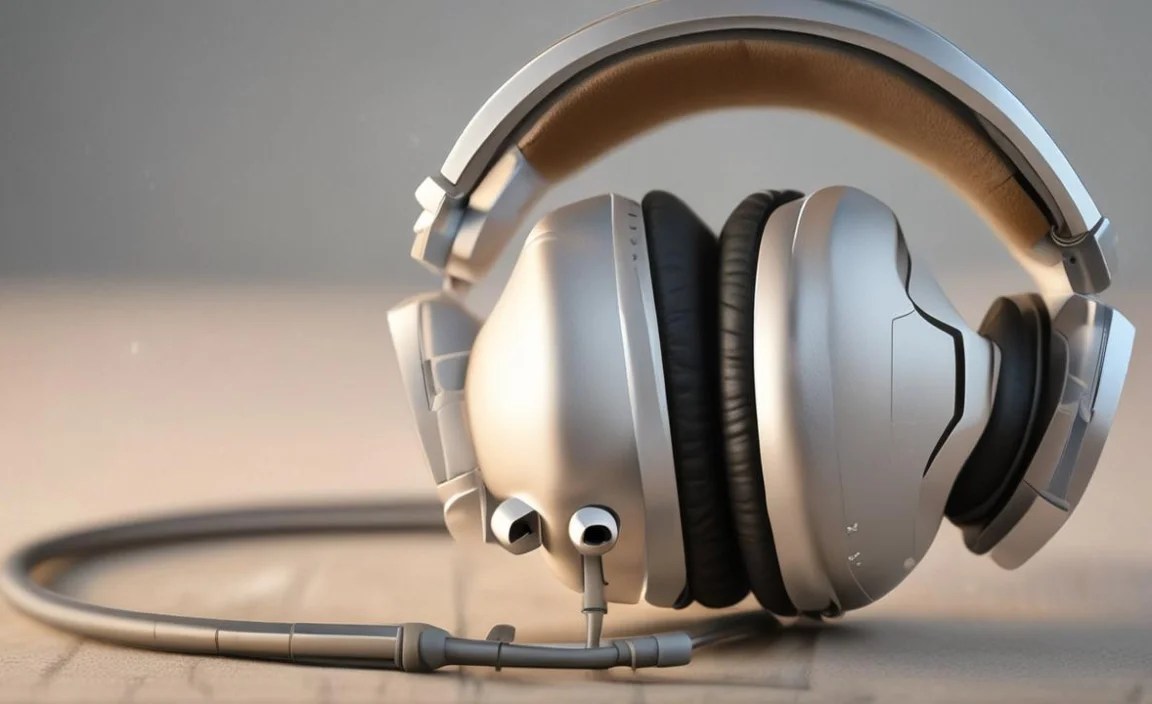
When shopping for immersive headphones, several key features work together to create that captivating soundstage. Understanding these will help you make a more informed decision.
1. Sound Quality and Soundstage
This is the heart of immersion. Soundstage refers to how wide and deep the audio sounds. Good immersive headphones create a “wide” soundstage, meaning instruments and sounds feel distinct and spread out, not cramped. You should be able to pinpoint where different sounds are coming from, as if you were in a live concert hall or a movie theater. This is often achieved through larger drivers, specific driver materials, and expert tuning by the manufacturer. Brands known for their audio fidelity often specialize in creating rich, detailed sound that contributes significantly to the immersive feeling.
2. Noise Cancellation (Active & Passive)
To truly immerse yourself, you need to block out distractions. Immersive headphones often incorporate excellent noise cancellation. This comes in two forms:
- Passive Noise Isolation: This is achieved through the physical design of the earcups and eartips, creating a seal that blocks outside noise. Over-ear headphones with plush earcups and in-ear monitors with good tips provide excellent passive isolation.
- Active Noise Cancellation (ANC): This is a more advanced technology. Microphones on the headphones detect ambient noise, and the headphones then generate opposing sound waves to cancel it out. High-quality ANC is crucial for creating a silent backdrop, allowing the immersive audio to shine without interference from traffic, chatter, or office hum.
For the ultimate immersive experience, especially in noisy environments, strong ANC is a game-changer. You want to be able to focus entirely on your audio.
3. Spatial Audio and Virtual Surround Sound
This is where things get really “immersive.” Technologies like spatial audio and virtual surround sound use clever processing to simulate the effect of sound coming from various directions – front, back, and sides. This is particularly impactful for movies and gaming, making explosions feel like they’re happening around you or letting you hear footsteps approaching from behind.
These technologies are evolving rapidly. Some are hardware-based, while others are software features. When looking at specifications, keep an eye out for terms like “3D audio,” “Dolby Atmos,” “DTS:X,” or proprietary spatial audio tech from brands like Apple (Spatial Audio with dynamic head tracking) or Sony (360 Reality Audio).
4. Comfort and Fit
You can’t enjoy an immersive experience if your headphones are uncomfortable. This is especially true for long listening sessions, whether you’re binge-watching a series, playing a game for hours, or settling in for a long flight. Key comfort factors include:
- Earcup Material: Soft, breathable materials like memory foam or velour are key for over-ear headphones.
- Clamping Force: The headphones should feel secure without squeezing your head too tightly.
- Weight: Lighter headphones tend to be more comfortable over extended periods.
- Eartip Material and Size (for IEMs): A good seal with comfortable eartips is vital – often silicone or foam.
A proper fit also contributes to passive noise isolation. If sound leaks in or out, the immersive effect can be diminished.
5. Connectivity and Battery Life
For wireless immersive headphones, seamless connectivity is important. Bluetooth codecs like LDAC and aptX HD can offer higher fidelity audio transmission, which is great for immersion. If you’re into gaming, low-latency connectivity is critical to ensure that in-game sounds sync perfectly with the action.
Battery life is also a practical consideration. A good pair of immersive headphones should last for a decent listening session, ideally with a quick-charge feature for when you’re in a pinch. For wired options, ensure you have the right cables and adapters for your devices.
Types of Immersive Headphones

Immersive headphones come in various forms, each with its own strengths. Here’s a look at the common types:
Over-Ear Headphones
These are the classic, full-sized headphones that completely surround your ears. They generally offer the best passive noise isolation and can accommodate larger drivers for superior sound quality and a wider soundstage. Many of the most advanced ANC and spatial audio features are found in this category. They are often the most comfortable for long periods but can be bulky.
On-Ear Headphones
These rest on your ears, rather than surrounding them. They offer less passive noise isolation than over-ear models and can sometimes cause discomfort with prolonged wear due to pressure on the ears. However, they are typically more compact and can be a good compromise for portability if immersion is still a priority.
Note: While on-ear headphones can deliver great sound, they are generally less suited for achieving the deepest levels of immersion compared to well-designed over-ear models.
In-Ear Monitors (IEMs) / Earbuds
These fit directly into your ear canal. When they provide a good seal, they offer excellent passive noise isolation. Many in-ear models now feature advanced ANC and spatial audio capabilities, making them surprisingly immersive, especially given their small size. They are highly portable and discreet. However, for some, achieving a comfortable and a perfect seal can be challenging, and they typically don’t offer the same sense of spaciousness as high-end over-ear headphones.
Top Picks for Best Immersive Headphones (Examples)

While the “best” pair is subjective and depends on your budget and specific needs, here are a few highly regarded examples that consistently deliver an immersive experience:
Premium Immersive Experience (Higher Budget)
Sony WH-1000XM5: Renowned for industry-leading active noise cancellation and excellent sound quality. They offer a balanced, detailed sound profile and support Sony’s LDAC codec for high-resolution audio. While not explicitly marketed with hardware spatial audio, their ANC and sound tuning create a deeply engaging listening. They also feature 360 Reality Audio support for compatible music services.
Bose QuietComfort Ultra Headphones: Bose is a titan in noise cancellation. These headphones offer a refined listening experience with incredibly effective ANC and a comfortable, premium build. They also incorporate Bose Immersive Audio, which can add impressive spatial qualities to your sound.
Apple AirPods Max: For Apple ecosystem users, these offer exceptional sound quality, transparency mode, and highly effective Adaptive EQ. Their Spatial Audio with dynamic head tracking is a standout feature for movies and supported music, truly bringing content to life.
Excellent Value & Performance (Mid-Range Budget)
Sennheiser Momentum 4 Wireless: These headphones offer a superb blend of sound quality, comfort, and battery life. They provide a rich, detailed audio experience that feels expansive and engaging, with good ANC to boot. They offer a consistently satisfying immersive feel for music lovers.
Anker Soundcore Space Q45: A fantastic option for those seeking great ANC and good sound at a more accessible price point. They deliver a robust, enjoyable listening experience with effective noise blocking, making them great for commuting or focusing.
This is just a starting point, and new models are released regularly. Always check recent reviews and consider trying them in person if possible!
How to Choose Your Best Immersive Headphones: A Step-by-Step Guide

Ready to find your perfect pair? Follow these steps:
Step 1: Define Your Primary Use Case
What will you use your immersive headphones for most often?
- Music Listening: Focus on sound quality, soundstage, and perhaps support for high-resolution audio codecs.
- Movies & TV Shows: Look for strong virtual surround sound or spatial audio capabilities and good ANC.
- Gaming: Low latency is paramount, along with immersive sound that helps pinpoint enemy locations.
- Travel & Commuting: Top-tier ANC and comfort are essential, with portability being a plus.
- Work/Study: Effective ANC for concentration, comfort for long wear, and clear microphone quality if needed for calls.
Step 2: Set Your Budget
Immersive headphones range from under $100 to over $500. Knowing your budget upfront will help narrow down your options significantly. Remember that higher prices generally mean better technology, materials, and features, but there are excellent performers at various price points.
3. Prioritize Key Features
Based on your use case (Step 1) and budget (Step 2), decide which features are most important to you. Do you absolutely need the best ANC? Is spatial audio a must-have? Or is comfort for marathon listening sessions your top priority?
Here’s a quick way to weigh features:
| Feature | Importance for Music | Importance for Movies/Games | Importance for Travel |
|---|---|---|---|
| Soundstage & Clarity | Very High | High | Medium |
| Active Noise Cancellation (ANC) | High | High | Very High |
| Spatial Audio / Virtual Surround | Medium (can enhance live recordings) | Very High | Medium |
| Comfort for Long Wear | Very High | Very High | Very High |
| Low Latency (Wireless) | Low | High (especially gaming) | N/A |
Step 4: Consider Form Factor (Over-Ear, On-Ear, In-Ear)
Think about how and where you’ll use the headphones. Over-ear offers the most immersive potential and comfort, but they are bulky. In-ear monitors are portable and offer great isolation, but immersion might feel less grand. On-ear is a middle ground.
Step 5: Research and Read Reviews
Once you have a few models in mind, dive into reviews from reputable tech sites and audio enthusiast forums. Look for detailed explanations of sound quality, ANC effectiveness, comfort, and battery life. Pay attention to user reviews for real-world feedback on durability and long-term satisfaction. Websites like Rtings.com are excellent for in-depth, objective testing.
Step 6: Try Before You Buy (If Possible)
The best way to know if headphones are for you is to try them on. Visit an electronics store and see how they feel on your head or in your ears. Play some of your favorite music or watch a short video clip to get a feel for the sound. Comfort and personal audio preference are highly subjective.
Step 7: Check for Smart Features and Connectivity
Do the headphones offer app control for EQ adjustments? Is the Bluetooth version up-to-date? Do they support multi-point pairing (connecting to two devices simultaneously)? These smaller details can significantly enhance your daily experience.
Maintaining Your Immersive Headphones for Longevity

Taking good care of your headphones ensures they continue to deliver that amazing immersive sound for years to come. Here are some simple maintenance tips:
- Cleaning: Regularly wipe down the earcups and headband with a soft, dry cloth. For tougher grime, use a slightly damp cloth (water only, no harsh chemicals) and ensure they are completely dry before use. Eartips for IEMs can be removed and washed gently with mild soap and water, then air-dried thoroughly.
- Storage: When not in use, store your headphones in their protective case or a safe place where they won’t be crushed or exposed to dust and moisture.
- Battery Care: For wireless models, try to avoid fully draining the battery too often. Modern lithium-ion batteries perform best when kept within a moderate charge range.
- Cable Care (Wired Models): Avoid tightly winding cables. Instead, loosely loop them to prevent internal wire damage.
- Software Updates: Keep the firmware on your wireless headphones updated. Manufacturers often release updates that can improve sound quality, ANC performance, and connectivity. Check your headphone’s companion app or the manufacturer’s website.
Proper maintenance helps prevent common issues and keeps your headphones functioning at their best, ensuring that immersive experience remains intact.
Troubleshooting Common Immersive Headphone Issues
Even with the best care, you might encounter a hiccup. Here are solutions to common problems:
Problem: ANC Not Working Effectively
- Check the Seal: Ensure the earcups or eartips are creating a good seal. Adjust the headphones or try different eartips.
- Clean Microphones: The tiny microphones on the outside of the earcups are crucial for ANC. Gently clean them with a dry, soft brush.
- Update Firmware: Sometimes, a firmware update from the manufacturer can resolve ANC performance issues.
- Restart the Headphones: A simple power cycle can often fix temporary glitches.
Problem: Sound is Distorted or Unbalanced
- Check Source Device: Test the headphones with a different device to see if the issue persists. It might be an issue with your phone or computer’s audio settings.
- Adjust EQ: If your headphones have an app with an equalizer, try resetting it to default or making small adjustments.
- Clean Drivers/Grilles: Gently clean the headphone grilles or IEM nozzle where the sound comes out. Avoid pushing anything into the drivers.
- Check Cables (Wired): Ensure the cable is fully plugged in and undamaged. Try a different cable if possible.
Problem: Wireless Connectivity Issues (Bluetooth)
- Forget and Re-pair: On your device, go to Bluetooth settings, “forget” the headphones, and then re-pair them.
- Check Distance: Make sure the headphones and device are within the Bluetooth range (typically around 30 feet or 10 meters).
- Reduce Interference: Strong Wi-Fi signals or other wireless devices can sometimes interfere. Try moving away from potential sources of interference.
- Charge Them: Low battery can sometimes affect Bluetooth stability.
Problem: Uncomfortable Fit
- Adjust Headband/Earcups: Experiment with different positions on your head or how the earcups sit.
- Change Eartips (IEMs): Most IEMs come with multiple sizes and types of eartips. Finding the right ones is key to comfort and sound.
- Take Breaks: If you’re experiencing discomfort, it’s a good reminder to take a break and let your ears rest.
Problem: Low Battery Life
- Disable Unused Features: Turning off ANC or high-quality Bluetooth codecs when not needed can save power.
- Check for Background Processes: Some headphones might have background apps or features draining battery.
- Contact Support: If battery life suddenly drops significantly, there might be a battery defect. Contact the manufacturer’s support.
For more in-depth troubleshooting, always refer to your headphone’s user manual or the manufacturer’s official support website. They often have specific guides for their models.
