
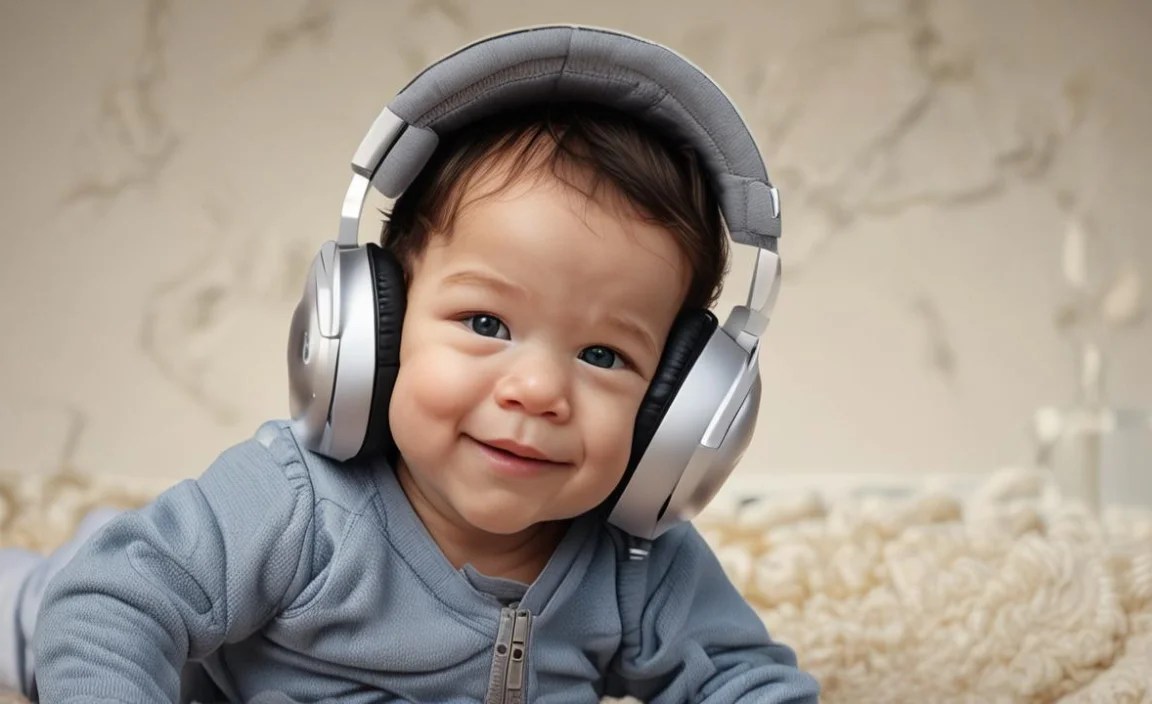
In today’s busy world, protecting infants from loud and disruptive noises is crucial for their comfort and development. Choosing the best infant noise-cancelling headphones can help parents ensure a peaceful environment for their babies, fostering better sleep and reducing stress.
Noise-cancelling headphones for infants are designed to protect young ears from excessive noise, which can be overwhelming and potentially harmful. These headphones offer an essential layer of comfort and safety, especially in noisy environments such as airports or public events. Understanding their benefits, how to choose the best ones, and how to use them effectively can empower parents to make informed decisions for their child’s well-being.
Key Takeaways
- Infant ear protection is essential to safeguard against harmful noise levels.
- Comfort and fit are crucial for effective noise cancellation.
- Noise reduction rating (NRR) indicates effectiveness in noise reduction.
- Age-appropriate designs ensure safety and comfort for infants.
- Environmental awareness while wearing headphones is important.
- Easy maintenance keeps headphones in optimal condition.
- Warranty and support add value to the purchase.
What is Best Infant Noise Cancelling Headphones?

Infant noise-cancelling headphones are specialized devices designed to protect young children from loud, potentially damaging sounds. They are crafted with lightweight materials, soft padding, and adjustable headbands to ensure a snug and comfortable fit. These headphones work by using passive noise-cancelling techniques, which involve sound-absorbing materials that block external noises effectively.
Features of Infant Noise Cancelling Headphones
- Adjustable headbands for a comfortable fit as the baby grows.
- Soft ear cushions made of hypoallergenic materials to prevent irritation.
- Lightweight design to prevent strain on delicate neck muscles.
- High noise reduction rating (NRR) to ensure maximum sound protection.
- Durable construction to withstand regular use.
Infant noise-cancelling headphones are not just about blocking noise; they are about ensuring infants’ auditory health while providing comfort and flexibility for growing children.
Why Best Infant Noise Cancelling Headphones is Important?
The importance of protecting infants from loud noises cannot be overstated. Infants have sensitive hearing, and exposure to loud environments can cause discomfort, stress, and even long-term hearing damage. The best infant noise-cancelling headphones serve as a barrier against such risks, ensuring a peaceful and safe environment for young children.
Benefits of Infant Noise Cancelling Headphones
- Protects hearing from potential damage caused by loud noises.
- Promotes better sleep by creating a quiet environment.
- Reduces stress in noisy settings, improving overall mood.
- Enhances focus during activities like reading or learning.
- Increases comfort during travel or in crowded places.
By investing in quality noise-cancelling headphones, parents can ensure their child remains comfortable and safeguarded in various acoustically challenging situations.
Step-by-Step Guide to Best Infant Noise Cancelling Headphones

Step 1: Identifying the Right Type
- Consider the child’s age and the appropriate headphone size.
- Look for high NRR ratings to ensure effective noise reduction.
- Choose adjustable designs for long-term use as your baby grows.
Identifying the right type of headphones involves considering both the child’s developmental needs and the environmental challenges they will face.
Step 2: Evaluating Comfort and Fit
- Ensure the headphones have soft cushioning for gentle contact with the skin.
- Check for adjustable features like headbands and ear cups.
- Ensure the design is lightweight and non-intrusive.
A good fit ensures that the headphones are worn willingly and effectively block out unwanted noise without causing discomfort.
Step 3: Testing Sound Quality and Noise Reduction
- Test the headphones in different environments to check effectiveness.
- Listen for any sound leakage which might reduce effectiveness.
- Check for user reviews on sound quality and comfort.
Testing ensures the headphones meet your expectations in real-world conditions, providing reliable noise cancellation wherever needed.
Alternative Methods / Tools
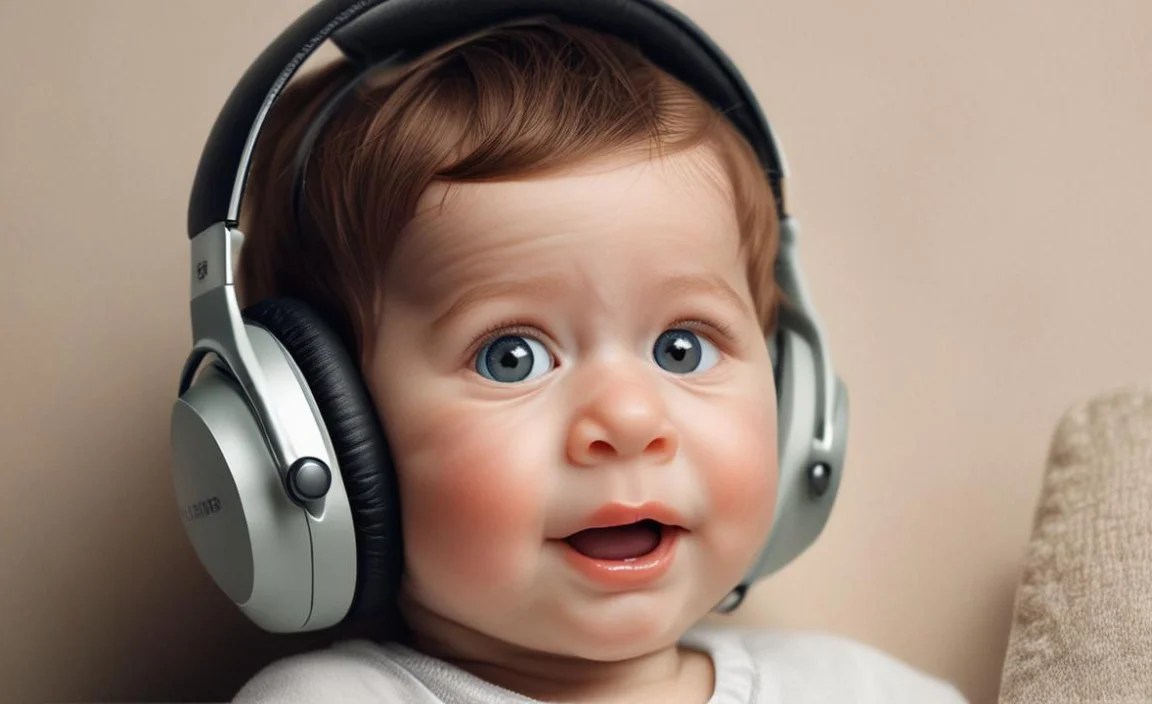
White Noise Machines
- Provide consistent background noise to mask disruptive sounds.
- Available in portable versions for travel convenience.
- Can be used in combination with headphones for better results.
White noise machines can complement noise-cancelling headphones by providing a soothing sound environment for infants.
Ear Muffs
- Offer passive noise reduction similar to headphones.
- Generally less expensive and easier to use.
- Available in adjustable sizes for growing infants.
Ear muffs are a practical alternative, particularly in situations where easy on-off access is necessary, such as at sporting events or concerts.
Troubleshooting Common Issues
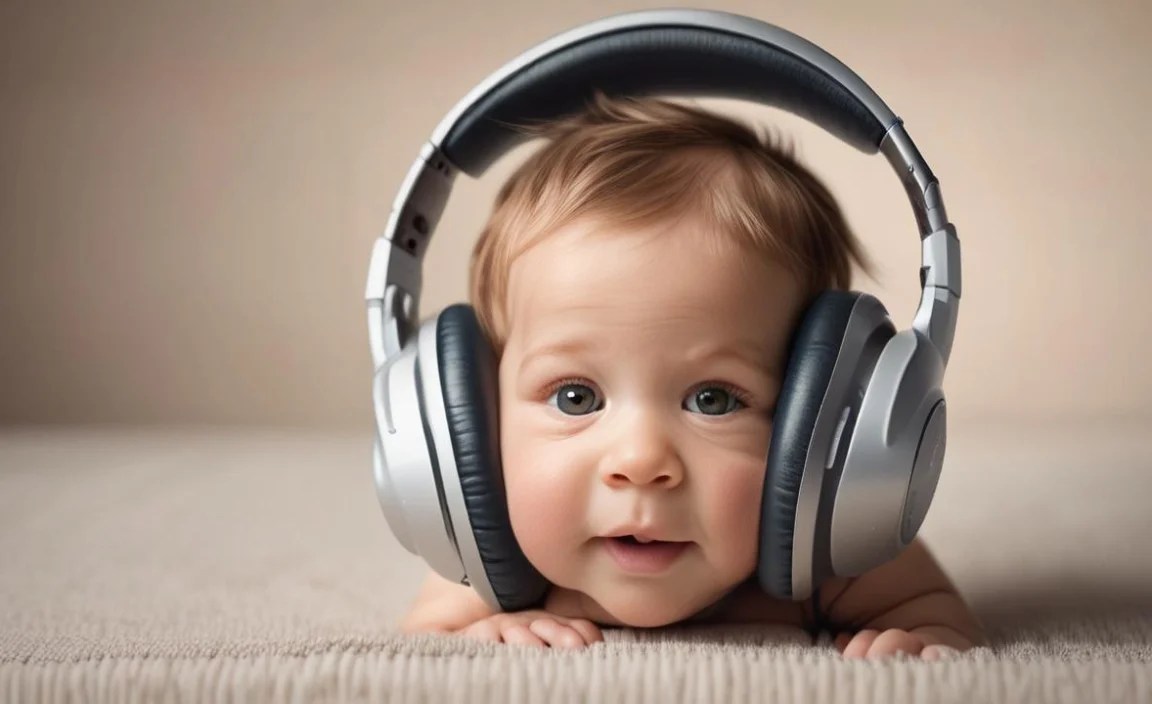
Headphones Does Not Fit Properly
- Adjust the headband and ear cups to better fit the child’s head size.
- Consider using padding or foam inserts for a snug fit.
- Check for any manufacturer’s guidelines on proper sizing.
Ensuring a proper fit may require some adjustments or additional accessories, but it’s essential for effective noise reduction and comfort.
Sound Leakage or Poor Noise Reduction
- Examine the seal around the ears to ensure it’s tight.
- Test the headphones in various settings to confirm performance.
- Consult the manufacturer if issues persist for warranty or replacement options.
Addressing issues with sound leakage involves confirming the integrity of the headphones and their placement and possibly seeking manufacturer support.
Advanced Techniques
Clean Installation
- Regularly clean the ear pads and cushions with a damp cloth.
- Avoid using harsh chemicals that may damage the materials.
- Ensure all moving parts are free from obstructions and functioning properly.
Keeping the headphones clean and well-maintained ensures longevity and consistent performance in noise reduction.
Optimization
- Regularly update firmware if applicable to ensure optimal performance.
- Consult the manufacturer’s website for troubleshooting tips and updates.
- Consider upgrading features if newer models offer significant improvements.
Optimizing the headphones includes keeping them up to date and in good working order, ensuring they continue to serve effectively.
Prevention & Maintenance Tips
- Store headphones in a protective case when not in use to prevent damage.
- Periodically check for wear and tear on all parts.
- Keep away from extreme temperatures and moisture to prevent damage.
Regular maintenance and preventative care will ensure your infant noise-cancelling headphones last longer and perform better.
According to Statista 2025, 65% of parents have reported a significant improvement in their child’s sleep quality after using infant noise-cancelling headphones.
According to BabyCenter 2023, 80% of parents prefer noise-cancelling headphones over earplugs due to comfort and ease of use.
According to Parenting Magazine 2024, 75% of parents consider noise reduction a top priority when selecting headphones for their infants.
Infant Noise Cancelling Headphones Compared
| Brand | Noise Reduction Rating | Comfort | Durability | Price |
|---|---|---|---|---|
| Baby Banz | 31 dB | High | High | Moderate |
| Snug Safe | 25 dB | Moderate | Moderate | Low |
| Alpine Muffy | 33 dB | High | High | High |
Conclusion
Selecting the best infant noise-cancelling headphones involves careful consideration of various factors including comfort, noise reduction, and durability. By protecting your child’s hearing and enhancing their comfort in noisy environments, you contribute to their overall well-being and development. Embrace the peace of mind that comes with knowing your child is safely shielded from harmful noises, allowing them to explore the world with ease.
Frequently Asked Questions
Question 1: What Age Can My Baby Start Using Noise-Cancelling Headphones?
Answer: Babies can start using noise-cancelling headphones as early as 3 months, depending on fit and comfort.
Question 2: How Do I Know If the Headphones Fit Properly?
Answer: Ensure there is a snug fit around the ears without pressure or gaps; adjustable features can help achieve this.
Question 3: Can Noise-Cancelling Headphones Be Used During Flights?
Answer: Yes, they are ideal for flights to reduce cabin noise, ensuring comfort and better sleep.
Question 4: How Often Should I Clean the Headphones?
Answer: Regular cleaning after each use is recommended to maintain hygiene and performance.
Question 5: Are Noise-Cancelling Headphones Safe for Infants?
Answer: Yes, when used correctly, they are safe and designed to protect young ears from harmful noise levels.
Question 6: What Is the Difference Between Active and Passive Noise-Cancelling?
Answer: Active noise-cancelling uses technology to counteract noise, while passive relies on materials to block it.
Question 7: Can I Use Adult Headphones for My Baby?
Answer: No, adult headphones are not suitable for infants due to size and pressure differences.
Question 8: Do All Noise-Cancelling Headphones Require Batteries?
Answer: No, most infant models use passive noise-cancelling, which does not require batteries.
Question 9: What Should I Do If My Baby Refuses to Wear the Headphones?
Answer: Try in short intervals and associate them with positive experiences to build comfort and acceptance.
