
Quick Summary: Discovering high-quality Bluetooth headphones that won’t break the bank is achievable. This guide helps beginners find affordable, reliable options, focusing on essential features, smart buying strategies, and basic maintenance to ensure your audio investment lasts.
Best Low Price Bluetooth Headphones: An Essential Buy for Every Listener
Welcome to Headphone Horizon! If you’re looking to dive into the world of wireless audio without emptying your wallet, you’ve come to the right place. The market is flooded with options, and picking the right pair of best low price Bluetooth headphones can feel overwhelming. But fear not! Whether you’re a student on a budget, a busy professional needing on-the-go convenience, or simply someone who loves great sound without the premium price tag, this guide is designed for you. We’ll cut through the jargon, spotlight key features to look for, and offer tips to ensure you get excellent value and lasting enjoyment from your new wireless companions. Let’s find you the perfect budget-friendly pair!
Why Go Low Price? Finding Value in Affordable Audio
The perception that good sound quality always comes with a hefty price tag is a myth. While audiophiles might chase thousand-dollar setups, for the vast majority of listeners, excellent audio experiences are within reach even on a modest budget. The “best low price Bluetooth headphones” aren’t just about saving money; they’re about smart investment. Modern technology has democratized audio, meaning brands are increasingly competing on value, packing impressive features into more accessible price points.
When you opt for a lower-priced model, you’re not necessarily compromising on core functionality. You can still get reliable Bluetooth connectivity, decent sound, comfortable fit, and satisfactory battery life. The key is understanding what constitutes “essential” for your needs and knowing where to find those sweet spots in the market. This guide will empower you to navigate these choices with confidence, ensuring your “essential buy” truly is essential for your listening pleasure.
Understanding Essential Features in Budget Bluetooth Headphones

Before you start browsing, it’s helpful to know what features truly matter, especially when budget is a primary concern. Focusing on these will help you filter out the noise and find headphones that offer the most bang for your buck.
1. Sound Quality: The Core Experience
Even in affordable headphones, sound quality should be a priority. Look for balanced audio profiles. This means the bass, mids, and treble should all be present and clear, without one overpowering the others. Reviews often describe sound as “warm” (more bass), “neutral” (balanced), or “bright” (more treble). For general listening, a slightly warm or neutral profile is usually preferred.
What to Listen For:
- Clarity: Can you distinguish different instruments or vocal nuances?
- Bass Response: Is the bass punchy and defined, or is it muddy and overwhelming?
- Midrange Presence: Are vocals and main instruments clear and forward?
- Treble Extension: Are the higher frequencies crisp without being sibilant or harsh?
2. Bluetooth Connectivity: Stability and Version
Reliable wireless connection is crucial. Most budget headphones will use Bluetooth 4.2 or 5.0. Bluetooth 5.0 is generally preferred for its improved stability, longer range, and better power efficiency. Look for mentions of stable connections and minimal dropouts in reviews.
- Bluetooth Version: Aim for 5.0 or higher if possible.
- Pairing Speed: How quickly do they connect to your device?
- Range: How far can you move from your device before the signal falters?
3. Battery Life: Powering Your Playlist
This is a major advantage of Bluetooth headphones. For budget models, aim for at least 4-6 hours of playtime on a single charge. Many offer more, and the charging case (for true wireless earbuds) significantly extends this. Check the charging time as well; quick charging can be a lifesaver.
- Playback Time: Aim for 4+ hours per charge.
- Charging Time: How long does it take to reach full charge?
- Quick Charge Feature: A short charge providing an hour or two of playback is a great bonus.
4. Comfort and Fit: Key for Extended Wear
Headphones, especially earbuds, need to be comfortable for prolonged use. For over-ear or on-ear models, check the padding quality and adjustability. For earbuds, look for different ear tip sizes included to ensure a secure and comfortable seal.
- Ear Tip Options: Multiple sizes (S, M, L) are essential for a good fit.
- Weight and Clamping Force (Over/On-Ear): Lightness and adjustable fit prevent discomfort.
- Material: Soft, breathable materials for pads and tips are a plus.
5. Durability and Build Quality: Ready for Daily Life
While you’re not buying premium materials, look for headphones that feel solid and well-constructed. Check for sturdy hinges on over-ear models and robust casing. Water resistance (IPX rating) can be a significant benefit for workouts or unexpected rain.
- Materials: Avoid overly flimsy plastic.
- Portability: Do they fold well? Is there a case?
- Water/Sweat Resistance (IPX rating): Useful for active users. An IPX4 rating is common and sufficient for sweat and light splashes.
Navigating Brands and Shopping Strategies for Value

When searching for the best low price Bluetooth headphones, certain brands consistently offer great value. It’s also about knowing where and how to shop.
Reputable Budget-Friendly Brands to Consider:
While the specific models change, these brands regularly release well-received, affordable options:
- Anker (Soundcore): Known for excellent battery life and balanced sound at good prices.
- JLab: Offers a wide range of fun, functional, and affordable headphones and earbuds.
- Skullcandy: Often focuses on bass-heavy sound and stylish designs, with many budget-friendly options.
- Edifier: A solid contender for good audio quality and build in the budget segment.
- Sony (entry-level models): Even major brands have excellent, affordable options in their lower tiers.
Smart Shopping Tips:
- Read Reviews: Look for reviews from reputable tech sites and, importantly, user reviews on retail platforms. Pay attention to recurring pros and cons.
- Compare Prices: Don’t buy the first thing you see. Use price comparison tools and check different retailers.
- Look for Sales: Major sale events (Black Friday, Prime Day, holiday sales) can offer significant discounts on headphones that might typically be slightly above your budget.
- Consider Refurbished or Open-Box: Sometimes you can find excellent deals on returned items that are fully functional and come with a warranty. Always check the return policy and warranty details.
- Focus on Features, Not Hype: Avoid being swayed by marketing jargon. Stick to the essential features we discussed earlier.
Feature Comparison: Finding Your Fit
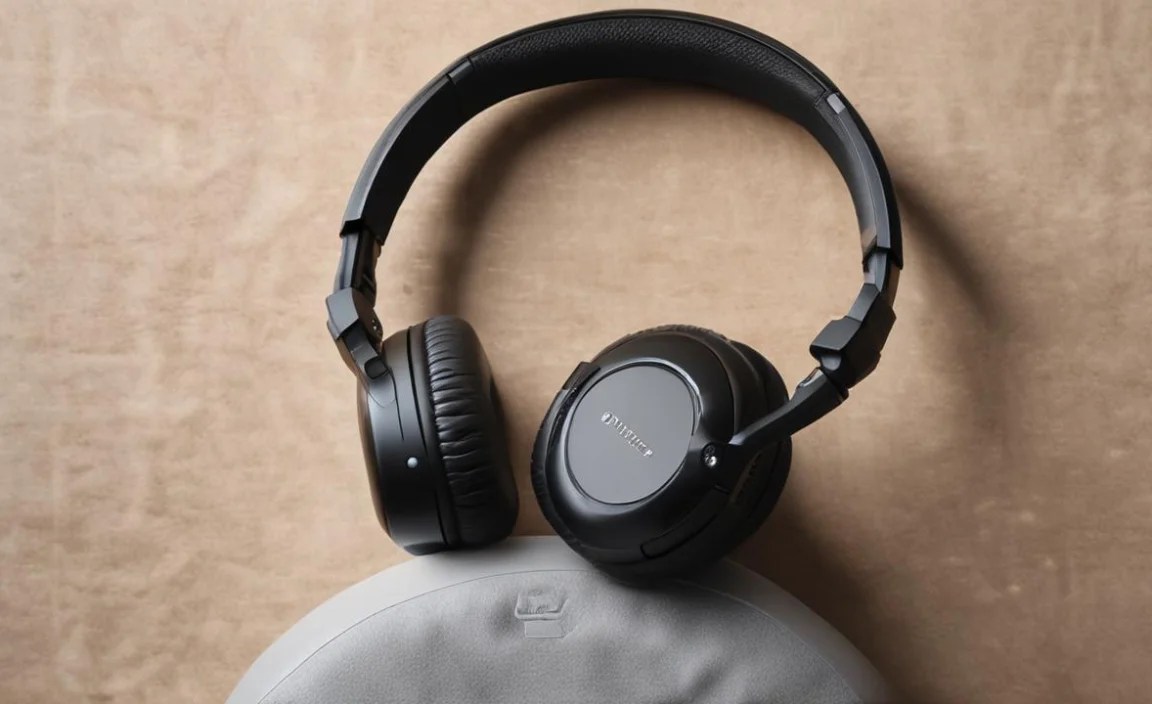
To help illustrate the differences you might encounter, here’s a look at common types of budget Bluetooth headphones:
Types of Low-Price Bluetooth Headphones
| Type | Pros | Cons | Best For |
|---|---|---|---|
| True Wireless Earbuds | Ultra-portable, no wires at all, charging case included. | Can be easy to lose, sometimes less stable fit, battery life per bud can be limited. | Commuters, gym-goers, minimalists. |
| Wireless Neckband Earbuds | Secure fit, earbuds magnetically attach, longer battery life than many true wireless. | Neckband can be noticeable, slightly less portable than TWS. | Active users, those prone to losing earbuds. |
| On-Ear Bluetooth Headphones | More portable than over-ear, usually more affordable, sound can be decent. | Can become uncomfortable after long periods, sound isolation is limited, may press on ears discomfortingly. | Casual listening, short commutes. |
| Over-Ear Bluetooth Headphones | Comfortable for long sessions, better sound isolation and immersion, often better battery. | Bulkiest, can get warm, may be more expensive than earbuds. | Home listening, travel, those prioritizing comfort and immersion. |
Step-by-Step Guide to Buying Your Best Low Price Bluetooth Headphones

Ready to make a purchase? Follow these steps to ensure you get a great pair.
Step 1: Define Your Primary Use Case
Where and how will you use your headphones most often?
- For Work/Study: Look for comfort, good microphone quality (if calling), and reliable connection.
- For Exercise: Prioritize a secure fit, sweat resistance (IPX rating), and durability.
- For Commuting/Travel: Consider portability, battery life, and potentially some level of noise isolation.
- For Casual Home Listening: Comfort and balanced sound quality will be key.
Step 2: Set Your Budget and Target Price Range
Decide on a maximum amount you’re willing to spend. “Low price” can mean different things to different people, but generally, you can find solid options in the $30-$70 range. Be prepared to occasionally find excellent deals even below $30.
Step 3: Research Models Based on Your Needs
Use your defined use case and budget to search for headphones. Keywords like “best budget wireless earbuds for running” or “affordable over-ear Bluetooth headphones for studying” can help. Read professional reviews first, then check user feedback.
Step 4: Focus on Key Specifications
When you find potential candidates, cross-reference them against the essential features discussed earlier:
- Does it meet your battery life requirements?
- Is the Bluetooth version current enough (ideally 5.0+)?
- Does it come with multiple ear tip sizes (for earbuds)?
- Does it have any comfort features relevant to your use (e.g., adjustable headband, secure ear hooks)?
- Does it have a relevant IPX rating for water/sweat resistance if needed?
Step 5: Check for Warranty and Return Policy
This is crucial for budget purchases. Ensure the product comes with at least a 30-day return policy and a manufacturer’s warranty (even if it’s just 90 days or 1 year). This protects you against immediate defects.
Step 6: Make the Purchase
Buy from reputable retailers, whether online or in-store. Keep your receipt and packaging for a while, just in case.
Essential Maintenance for Your Budget Bluetooth Headphones

Investing a little time in basic maintenance can significantly extend the life and performance of your headphones, ensuring they remain an essential part of your daily routine for longer.
1. Cleaning: Keeping Them Fresh
Regular cleaning prevents buildup that can affect sound quality and hygiene. Always ensure headphones are powered off before cleaning.
For Earbuds:
- Ear Tips: Remove them and wash gently with mild soap and water. Ensure they are completely dry before reattaching.
- Earbud Body: Wipe gently with a slightly damp, lint-free cloth. For stubborn grime, use a dry cotton swab, especially around speaker grilles. Avoid getting moisture into any openings.
- Charging Case: Wipe the exterior with a dry cloth. Use a dry cotton swab for crevices. Ensure charging contacts inside the case are clean and clear of debris.
For Over-Ear/On-Ear Headphones:
- Ear Pads: For most, a gentle wipe with a slightly damp cloth is sufficient. For fabric pads, you might use a very mild detergent solution, but always test in an inconspicuous area first and ensure they dry thoroughly. Never soak them.
- Headband: Wipe with a slightly damp cloth.
- Plastic Housing: Use a dry or slightly damp microfiber cloth.
2. Storage: Protecting Your Investment
Proper storage is key to preventing physical damage and keeping your headphones tidy.
- Use the Case: Whenever possible, store earbuds in their charging case and larger headphones in their protective pouch or original box. This shields them from dust, scratches, and accidental pressure.
- Avoid Extreme Temperatures: Don’t leave your headphones in a hot car or freezing conditions, as this can damage the battery and internal components.
- Manage Cables (if applicable): For headphones with detachable cables, don’t wrap the cable too tightly. Loosely coiling it prevents internal wire damage.
3. Battery Care: Maximizing Longevity
Modern lithium-ion batteries don’t require full charge/discharge cycles like older batteries. However, some general practices can help:
- Avoid Deep Discharges: Try not to let the battery completely drain too often.
- Avoid Constant Extreme Charging: While modern devices manage this well, leaving headphones plugged in at 100% for days on end isn’t ideal for long-term battery health, though it’s usually not a major issue with built-in protection.
- Charge at Room Temperature: Avoid charging in extreme heat or cold.
4. Firmware Updates: Staying Current
Some headphones, especially more reputable budget models, may offer firmware updates through a companion app. These updates can fix bugs, improve performance, and even enhance features. Check the manufacturer’s website or app periodically for any available updates. For more information on electronics care, resources like the U.S. Consumer Product Safety Commission offer general safety guidelines for electronic devices.
Troubleshooting Common Issues
Even with affordable headphones, you might encounter minor hiccups. Here are solutions to common problems:
Problem: Headphones won’t connect/pair
Solution:
- Ensure Bluetooth is enabled on your device.
- Make sure the headphones are charged and in pairing mode. (Refer to your manual for how to enter pairing mode – usually by holding a button).
- Forget the headphones in your device’s Bluetooth settings and try pairing again.
- Restart both your headphones and your device.
- Check if the headphones are already connected to another device.
Problem: Sound is distorted or cutting out
Solution:
- Check the battery level. Low battery can affect performance.
- Move closer to your audio source device to rule out range issues.
- Minimize obstructions between your device and headphones (e.g., body, walls).
- Close unnecessary apps running in the background on your device, as they can sometimes interfere with Bluetooth.
- If possible, test with a different audio source device to isolate the problem.
Problem: One earbud has no sound
Solution:
- Ensure both earbuds are properly charged and seated in their charging case.
- Clean the charging contacts on both the earbuds and inside the case.
- Perform a hard reset on the earbuds (consult your manual, as this process varies by model).
- Try re-pairing them to your device.
Problem: Microphone quality is poor during calls
Solution:
- Ensure the microphone ports are not blocked by debris or your finger.
- Move to a quieter environment if possible.
- Check your device’s call settings to ensure the headphones are selected as the audio input.
- Some companion apps might offer microphone enhancement settings.
Problem: Headphones won’t charge
Solution:
- Check the charging cable and power source; try a different cable or outlet.
- Clean the charging contacts on the headphones/earbuds and in the charging case.
- Ensure there are no physical obstructions preventing a good connection.
- If using a case, ensure the case itself is charged.
Frequently Asked Questions (FAQ)
Q1: Are low-price Bluetooth headphones good enough for music lovers?
Yes, many affordable Bluetooth headphones offer surprisingly good sound quality for casual listening. While they might not satisfy the most critical audiophiles, they can certainly provide an enjoyable music experience for most everyday listeners. Focus on reviews that mention balanced sound and clarity.
Q2: How long should I expect budget Bluetooth headphones to last?
With proper care and maintenance, budget Bluetooth headphones can last anywhere from 1 to 3 years. Battery health will naturally degrade over time, but regular cleaning, proper storage, and avoiding extreme conditions
