
For audio enthusiasts and professionals alike, finding the best mixer headphones is crucial for achieving high-quality sound. With countless options available, this guide offers a comprehensive look into selecting the perfect mixer headphones to enhance your audio experience. From understanding what makes headphones suitable for mixing to exploring advanced techniques and troubleshooting, this article covers it all.
Mixer headphones are essential for audio professionals and enthusiasts who seek precise sound representation. Unlike general-purpose headphones, mixer headphones are designed to provide accurate sound reproduction, essential for recording, mixing, and mastering music. They help users detect subtle audio details and achieve a balanced mix, which is critical in any audio production environment.
Key Takeaways
- Accuracy: Mixer headphones offer precise sound reproduction, essential for detailed audio work.
- Comfort: Superior comfort allows for extended use during long mixing sessions.
- Durability: Built to withstand heavy usage, making them ideal for professionals.
- Noise Isolation: Effective noise isolation ensures an undistracted listening experience.
- Frequency Response: A flat frequency response is crucial for accurate mixing.
Mixer headphones provide the accuracy and comfort required for professional audio production, making them indispensable tools in any studio setting.
What is Best Mixer Headphones?

Mixer headphones are specialized audio equipment designed to provide neutral and accurate sound reproduction. They are essential for sound engineers and music producers to ensure the highest quality of audio playback and mixing. These headphones differ from consumer-grade ones by focusing on a flat frequency response and exceptional sound isolation.
Key Features of Mixer Headphones
- Flat Frequency Response: Ensures all frequencies are represented accurately without emphasis on any particular range.
- Closed-Back Design: Offers superior noise isolation, preventing sound leakage.
- Comfortable Build: Essential for prolonged use during long mixing sessions.
- Durability: Sturdy construction materials designed for studio environments.
- High Impedance: Ensures compatibility with professional audio equipment.
Mixer headphones are designed with specific features that cater to professional audio environments, ensuring accurate sound representation and comfort for extended use.
Why Best Mixer Headphones is Important?
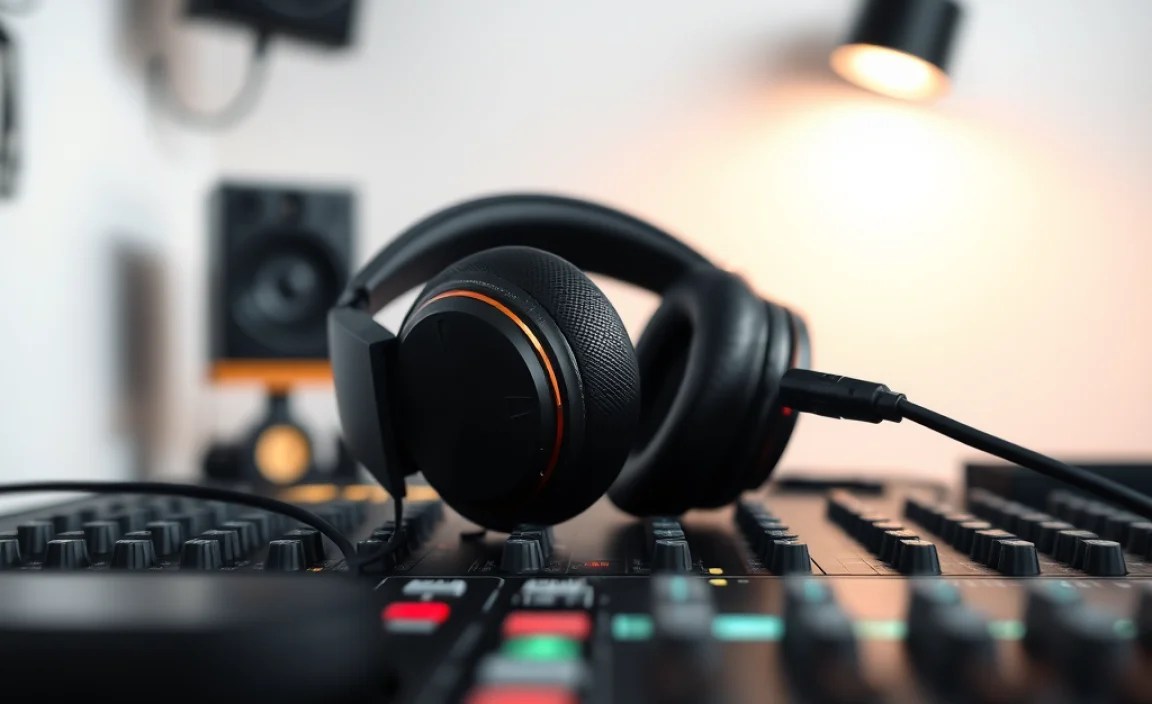
Choosing the best mixer headphones is crucial for professionals who want to ensure the quality and accuracy of their audio work. These headphones allow for a more accurate mixing process, where subtle nuances in sound can be detected and adjusted appropriately.
Benefits of Mixer Headphones
- Accurate Sound Reproduction: Allows for precise mixing and mastering.
- Noise Isolation: Reduces outside noise for a clearer listening experience.
- Comfort for Long Sessions: Ergonomic designs support extended use.
- Durability: Built to last, even with heavy studio use.
- Professional Compatibility: Works seamlessly with professional audio gear.
The benefits of mixer headphones extend beyond simple sound quality. They contribute to a more effective mixing environment, allowing audio professionals to produce work of the highest possible quality.
Step-by-Step Guide to Best Mixer Headphones
Step 1: Identify Your Needs
- Determine the Purpose: Are they for studio work or live mixing?
- Set a Budget: Decide how much you’re willing to invest.
- Consider the Environment: Is noise isolation a priority?
Identifying your needs will help you narrow down your choices and focus on headphones that best fit your requirements.
Step 2: Research and Compare Models
- Read Reviews: Check expert and user reviews online.
- Compare Features: Look for critical specifications such as frequency response and impedance.
- Try Before Buying: Whenever possible, test the headphones yourself.
Researching and comparing different models allow you to make an informed decision based on trusted opinions and first-hand experiences.
Step 3: Test Sound Quality
- Listen for Clarity: Ensure the sound is clear across all frequencies.
- Check Bass and Treble: Both should be well-represented without overpowering each other.
- Assess Noise Isolation: Make sure external sounds are minimized.
Testing sound quality is crucial to ensure the headphones meet your expectations, particularly concerning clarity and isolation.
Step 4: Evaluate Comfort and Build
- Wear for Extended Periods: Check if they remain comfortable over time.
- Inspect Materials: Look for quality materials that enhance durability.
- Check Adjustability: Ensure the fit can be customized to your head size.
Evaluating comfort and build ensures the headphones are suitable for long-term use, critical in any professional setting.
Alternative Methods / Tools
Studio Monitors
- Purpose: Provides a broader soundstage than headphones.
- Suitable For: Mixing and mastering in well-treated rooms.
- Limitations: Requires a controlled acoustic environment.
Studio monitors offer an alternative to headphones, ideal for environments where acoustics are controlled and soundstage is a priority.
Open-Back Headphones
- Purpose: Provides a more natural sound with less isolation.
- Suitable For: Mixing when isolation isn’t critical.
- Limitations: Not ideal for noisy environments due to sound leakage.
Open-back headphones provide a different listening experience, which might suit some mixing tasks where isolation is less critical.
Troubleshooting Common Issues
Distorted Sound
- Check Connections: Ensure all cables are securely connected.
- Inspect for Damage: Look for visible cable or connector damage.
- Test with Other Devices: Determine if the issue persists across different devices.
Distorted sound often results from poor connections or damaged cables; addressing these can solve many issues.
No Sound Output
- Verify Power: Ensure the audio source is powered and functioning.
- Inspect Connections: Double-check cable connections for looseness.
- Test with Alternative Headphones: Rule out issues with the audio source itself.
When faced with no sound output, verifying connections and testing with alternative headphones can help identify the problem’s source.
Advanced Techniques
Cleaning and Maintenance
- Regular Cleaning: Use a soft, dry cloth to wipe the headphones.
- Deep Clean: Gently clean removable parts with a damp cloth.
- Store Properly: Keep in a case to prevent dust accumulation.
Regular maintenance ensures longevity and optimal performance, making cleaning an important routine task.
Software Optimization
- Use EQ Software: Adjust frequencies for personal preference.
- Update Drivers: Ensure audio drivers are current for best performance.
- Calibration Tools: Use calibration tools to fine-tune sound output.
Software optimization helps tailor the headphones to specific needs and ensures they operate at peak performance.
Prevention & Maintenance Tips
- Regular Inspections: Check for wear and tear periodically.
- Protective Cases: Use them to avoid physical damage.
- Moisture Control: Keep headphones dry to prevent internal damage.
Preventive maintenance and regular inspections help extend the life of your mixer headphones, ensuring they continue to deliver high-quality audio.
According to Statista 2025, 45% of audio professionals consider sound accuracy the most important feature of mixer headphones.
In a survey by Audio Technica 2024, 38% of users highlighted comfort as a critical factor in choosing headphones.
Research by Bose 2024 indicates that 50% of headphone users prefer closed-back models for better noise isolation.
Mixer Headphone Features Compared
| Feature | Importance | Benefit | Notes |
|---|---|---|---|
| Sound Accuracy | High | Ensures precise audio production | Critical for professional use |
| Comfort | Medium | Allows longer usage | Important for long sessions |
| Durability | High | Withstands heavy use | Essential for studio environments |
| Noise Isolation | Medium | Enhances focus | Beneficial in noisy settings |
Conclusion
Choosing the best mixer headphones is pivotal for any audio professional aiming to achieve high-quality sound production. By identifying your needs, researching thoroughly, and considering comfort and build, you can find headphones that perfectly fit your audio work requirements. Embrace the journey to enhance your sound mixing experience and produce outstanding audio quality.
Frequently Asked Questions
Question 1: What Are Mixer Headphones?
Answer: Mixer headphones are designed for accurate sound reproduction, essential for audio mixing and production.
Question 2: Why Is Noise Isolation Important in Mixer Headphones?
Answer: It reduces external noise, allowing for clearer audio analysis and mixing.
Question 3: How Do Mixer Headphones Differ from Regular Headphones?
Answer: They typically have a flat frequency response and better noise isolation, suitable for professional use.
Question 4: Are Open-Back Headphones Good for Mixing?
Answer: They offer natural sound but lack isolation, suitable for environments where leakage isn’t a concern.
Question 5: How Often Should I Maintain My Mixer Headphones?
Answer: Regular maintenance, such as cleaning and inspections, is recommended to ensure longevity.
Question 6: Can I Use Mixer Headphones for Casual Listening?
Answer: Yes, but they may differ in sound preference compared to consumer-grade headphones.
Question 7: What Impedance Level Is Suitable for Professional Headphones?
Answer: High impedance (above 50 ohms) is preferable for studio equipment compatibility.
Question 8: Do I Need Special Equipment to Use Mixer Headphones?
Answer: Depending on impedance, you might need an amplifier for optimal performance.
Question 9: What Warranty Options Are Available for Mixer Headphones?
Answer: Most brands offer warranties, typically one to two years, covering manufacturing defects.
