
Quick Summary: Choosing the right mixing studio headphones is crucial for accurately hearing and shaping your audio. This beginner-friendly guide explains what to look for, key features, and how to find a pair that will help you create professional-sounding music. We’ll demystify technical terms and highlight essential features to make your decision easy and rewarding.
Best Mixing Studio Headphones: Your Essential Choice for Accurate Sound
Hello audio adventurers! Edward Cavitt here from headphonehorizon. Ever listened to a song and thought, “Wow, this sounds incredible!”? A huge part of that magic happens in the studio, and the gear used is just as important as the talent behind the music. Today, we’re diving into the world of best mixing studio headphones. These aren’t your everyday earbuds; they’re precision tools designed to reveal every nuance of your audio. If you’re just starting out and feeling a little overwhelmed by all the technical talk, don’t worry! I’m here to break it all down. We’ll explore what makes a pair of studio headphones “the best” and guide you toward a choice that will truly elevate your listening and creating experience. Let’s get those ears ready!
Why Are Studio Headphones Different?
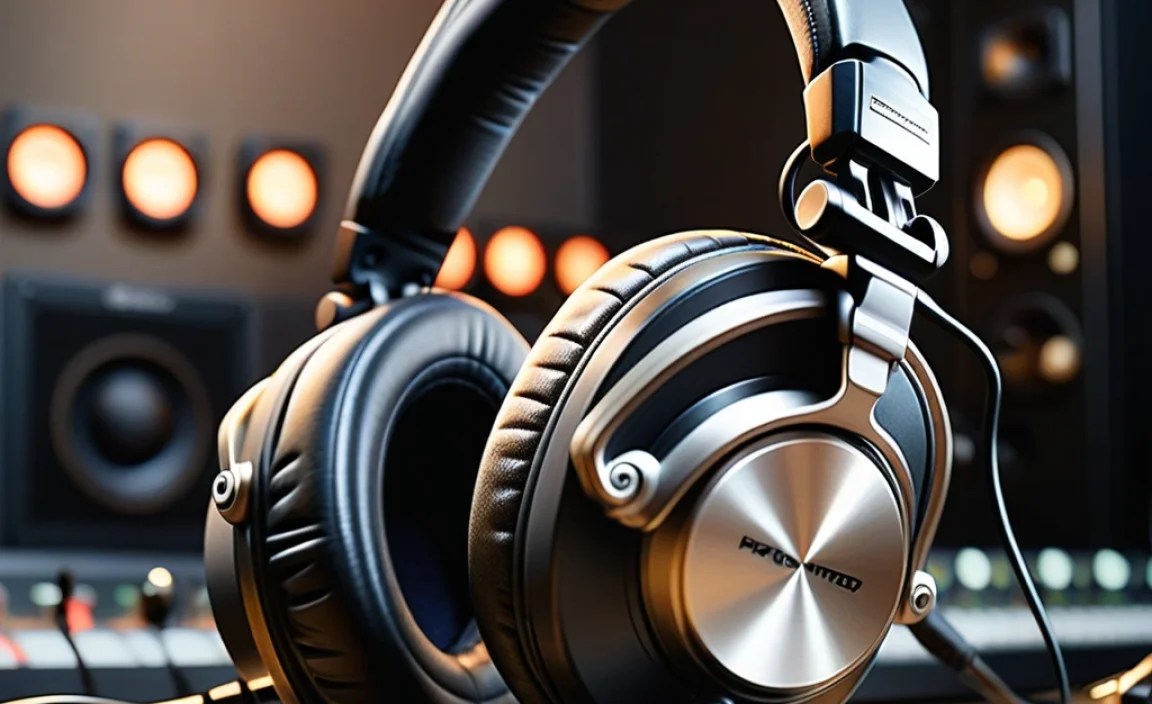
You might be wondering, “What’s the big deal? Can’t I just use my favorite pair of headphones for mixing?” While your everyday headphones are great for enjoying music, they’re usually designed to make things sound pleasing rather than accurate. They often boost bass or treble to give music a more exciting feel. Studio headphones, on the other hand, aim for a flat, neutral frequency response. This means they reproduce sound as faithfully as possible, without coloring it.
Think of it like this: Your regular headphones are like a restaurant that adds extra salt and spices to every dish to make it taste better. Studio headphones are like a chef who prepares ingredients exactly as they are, allowing you to taste their true flavor. When you’re mixing, you need to hear exactly what’s there – the subtle imperfections, the precise balance of instruments, the tiniest details. This is where the best mixing studio headphones shine.
Key Features to Look For in Studio Headphones

Navigating the world of studio headphones can seem daunting with all the specifications. But fear not! We’ll focus on the most important features that contribute to a pair’s suitability for mixing:
1. Frequency Response
This is perhaps the most critical factor. Frequency response describes the range of sounds (from low bass to high treble) that headphones can reproduce and how evenly they do it. For mixing, you want headphones with a “flat” or “neutral” frequency response. This means they don’t artificially boost or cut certain frequencies. A typical range you’ll see is 20 Hz to 20,000 Hz, which covers the entire spectrum of human hearing. However, the flatness within that range is what matters most.
A flat response allows you to make accurate decisions about EQ, compression, and overall balance because what you hear is a true representation of the audio signal. Some manufacturers provide graphs of their headphones’ frequency response. Look for a graph that is as close to a straight line as possible.
2. Type of Headphones: Open-Back vs. Closed-Back
This is a crucial decision that impacts both sound and practicality:
Open-Back Headphones
- Design: They have earcups with perforations or grilles that allow air and sound to pass through.
- Soundstage: They generally offer a wider, more natural “soundstage” – the perception of space and separation between instruments. It feels more like listening to speakers in a room.
- Comfort: Often more comfortable for long listening sessions as they don’t create as much pressure or heat.
- Leakage: Sound leaks out significantly, and outside noise can easily get in.
- Best For: Critical listening and mixing in quiet environments. Not ideal for tracking (recording) because the microphone will pick up the headphone audio.
Closed-Back Headphones
- Design: They have sealed earcups that prevent sound from escaping and external noise from entering.
- Isolation: Offer excellent noise isolation, making them great for tracking vocals or instruments where you don’t want headphone bleed into the microphone.
- Bass Response: Can often provide a more present and punchy bass response because of the sealed design.
- Soundstage: The soundstage can sometimes feel more “in your head” and less spacious than open-backs.
- Best For: Recording, live monitoring, and situations where isolation is paramount. Also good for mixing if you need to block out distractions.
3. Impedance
Impedance is measured in Ohms (Ω) and refers to the headphones’ electrical resistance. This is important because it affects how much power is needed to drive them to a sufficient volume.
- Low Impedance (e.g., 32 Ohms or less): These are easy to drive and will usually sound fine plugged directly into a computer, phone, or portable audio player.
- High Impedance (e.g., 80 Ohms or higher): These require more power and often benefit from a headphone amplifier to reach their full potential in terms of volume and sonic clarity.
For studio mixing, headphones with higher impedance (80 Ohms and above) are often preferred because they tend to be more efficient and produce a cleaner, more detailed sound when paired with a good amplifier. However, if you plan to plug directly into your computer, lower to medium impedance (around 50-80 Ohms) might be more practical.
4. Comfort and Fit
You’ll be wearing these headphones for hours on end during mixing sessions. Comfort is NOT a luxury; it’s a necessity. Look for:
- Earpad Material: Plush velour or soft leatherette can feel great.
- Clamping Force: The headphones should sit securely without feeling like they’re squeezing your head.
- Weight: Lighter headphones are generally more comfortable for extended wear.
- Adjustability: Ensure the headband has enough adjustment for your head size.
5. Durability and Build Quality
Studio gear gets a lot of use. The best mixing studio headphones should be built to last. They’re an investment, so look for sturdy construction, robust cables, and replaceable parts (like earpads and cables) if possible. Many professional headphones feature metal components for added strength.
6. Wired vs. Wireless
For critical mixing, wired headphones are almost always the way to go. Wireless headphones introduce potential latency (a slight delay between the audio signal and what you hear), which can be very problematic when trying to synchronize audio. Also, wireless transmission can sometimes introduce compression or signal degradation, affecting sound accuracy. Stick to wired for mixing.
Top Considerations When Choosing Your Headphones

Now that we understand the key features, let’s talk about how to apply this knowledge to your situation. The “best” headphones are subjective and depend on your specific needs and environment.
1. Your Budget
As with most gear, you get what you pay for. However, you don’t need to spend thousands on your first pair of studio headphones. Excellent options exist at various price points. Sets can range from around $100 to $500+. It’s wise to invest as much as you can comfortably afford for a pair that will serve you well for years.
2. Your Monitoring Environment
Is your studio silent, or do you have background noise like air conditioning, traffic, or roommates?
If you’re in a noisy environment or need to record vocals, closed-back headphones are essential for isolation. If you have a quiet room and prioritize a natural, spacious listening experience, open-back headphones might be your preference.
3. Your Primary Use
While we’re focusing on mixing, will you also be using these headphones for recording (tracking), mastering, or simply casual listening?
Mixing & Critical Listening: Open-back preferred for accuracy and natural soundstage.
Tracking (Vocals/Instruments): Closed-back mandatory to prevent bleed.
Mastering: High-end open-backs are often favored.
Casual Listening: While possible, studio headphones might sound too “clinical” for some music.
Recommended Best Mixing Studio Headphones Categories

To help you get started, here are some popular and highly-regarded categories and examples of headphones often cited as among the best mixing studio headphones for beginners and intermediate users. Prices are approximate and can vary.
Entry-Level All-Rounders (Often Closed-Back)
These offer a great balance of performance, isolation, and affordability, making them excellent first studio headphones.
| Headphone Model | Type | Key Features | Typical Price (USD) | Pros | Cons |
|---|---|---|---|---|---|
| Audio-Technica ATH-M40x | Closed-Back | Detachable cables, swiveling earcups, balanced sound profile. | $100 – $150 | Durable, good isolation, relatively flat response for the price, comfortable. | Can be slightly bass-heavy for some purists, soundstage isn’t vast. |
| Sennheiser HD 280 Pro | Closed-Back | Excellent passive noise attenuation, robust build, comfortable clamping. | $100 – $130 | Superb isolation, very durable, clear midrange. | Slightly V-shaped sound (more bass/treble), can feel tight initially. |
| AKG K371 | Closed-Back | Tuned to the Harman curve for natural sound reproduction, foldable design. | $150 – $180 | Exceptional accuracy for the price, great comfort, excellent bass extension. | Build quality might feel less premium than some competitors, cable isn’t locking. |
Mid-Range Open-Back for Immersive Mixing
These headphones open up a world of detail and spaciousness, providing a more natural listening experience for critical mixing in quiet environments.
| Headphone Model | Type | Key Features | Typical Price (USD) | Pros | Cons |
|---|---|---|---|---|---|
| Beyerdynamic DT 990 PRO (250 Ohm) | Open-Back | Legendary comfort, wide soundstage, robust build. | $150 – $200 | Very comfortable, expansive soundstage, detailed treble. | Treble can be sibilant for some ears, requires a decent headphone amp, open design means no isolation. |
| Philips Audio Fidelio X2HR | Open-Back | Room-filling soundstage, comfortable velour pads, natural warmth. | $120 – $180 | Excellent value, natural and immersive sound, very comfortable. | Bass can be a bit boosted for absolute neutrality, not the most detailed treble. |
| AKG K612 PRO | Open-Back | Reference-class sound, neutral response, comfortable fit. | $150 – $200 | Very transparent and accurate, wide soundstage, good for detail work. | Requires an amplifier for optimal performance, build quality is good but not tank-like. |
Higher-End Professionals (Both Types)
For those looking to invest further, these options offer exceptional detail and accuracy, often becoming the standard in professional studios.
| Headphone Model | Type | Key Features | Typical Price (USD) | Pros | Cons |
|---|---|---|---|---|---|
| Beyerdynamic DT 1990 PRO | Open-Back | Two sets of earpads for different tunings, exceptional clarity, detachable cable. | $250 – $300 | Superb detail and resolution, excellent soundstage, versatile with different pads. | Higher price point, benefits significantly from a good amp. |
| Shure SRH1540 | Closed-Back | Lightweight, breathable Alcantara earcups, superior comfort, detailed and controlled sound. | $250 – $300 | Excellent comfort for long sessions, very refined sound, good isolation. | Pricey, soundstage is good for closed-back but not as expansive as open-backs. |
| Neumann NDH 20 | Closed-Back | Linear frequency response, extremely detailed sound, rugged metal construction. | $350 – $450 | Unparalleled accuracy and detail, excellent transient response, truly professional build. | Expensive, metal construction adds weight, can be fatiguing for extended casual listening. |
Note: Prices are approximate and can vary based on retailer, region, and sales. Prices are for individual headphones, not bundles.
Setting Up Your Studio Headphones for Mixing
Once you’ve chosen your headphones, proper setup is key. Even the best mixing studio headphones won’t perform optimally if not used correctly.
1. Connect to the Right Source
Ideally, your headphones should be plugged into a dedicated headphone amplifier or the headphone output of your audio interface. Plugging directly into your computer’s line-out or front panel headphone jack might result in insufficient power, noise, or an unoptimized signal. An audio interface provides a cleaner, more powerful signal. Learn more about audio interfaces and their role in this helpful guide.
2. Get a Headphone Amplifier (If Needed)
“Do I really need a headphone amp?” This is a common question. If you buy high-impedance headphones (like the Beyerdynamic DT 990 PRO 250 Ohm or DT 1990 PRO), you’ll likely need one. A good headphone amp will provide clean power, allowing your headphones to perform at their best, revealing more detail and delivering a more dynamic sound. Look for an amp with low noise and distortion.
3. Understand Your Headphones Gradually
Don’t expect to master your new headphones overnight. Spend time listening to music you know intimately on them. Pay attention to how different instruments and frequencies sound. Revisit familiar mixes and listen to how your new headphones reveal elements you might have missed before. This process helps you calibrate your ears to the headphones and understand their sonic character.
4. Mix at Reasonable Levels
It’s tempting to crank the volume, but this can lead to ear fatigue and inaccurate listening decisions. Mix at moderate listening levels (around 70-85 dB SPL). This is loud enough to hear details clearly without damaging your hearing or distorting the perceived frequency balance. Organizations like the Centers for Disease Control and Prevention (CDC) offer guidelines on safe listening levels to protect your hearing.
5. Cross-Reference in Different Environments (If Possible)
Your room acoustics can significantly influence what you hear, even with headphones. While headphones aim to bypass room issues, it’s still good practice to check your mixes on other systems if you can – studio monitors (if available), your car stereo, or even consumer headphones. This helps ensure your mix translates well across different playback systems. Listening to reference tracks (professionally mixed songs in your genre) on your studio headphones is also crucial.
Common Beginner Mistakes to Avoid
Starting your mixing journey with the best mixing studio headphones is a great leap forward. However, there are a few common pitfalls newcomers often stumble into. Being aware of these can save you some frustration:
- Using colored or “fun” headphones for mixing: As we discussed, these can mislead your decisions.
- Mixing too loud: This is a fast track to ear fatigue and poor mix decisions. Your ears will start to deceive you.
- Not considering the acoustic environment: While headphones mitigate this, your overall setup still matters.
- Relying on just one pair of headphones: Professional studios often have multiple pairs (open-back, closed-
