
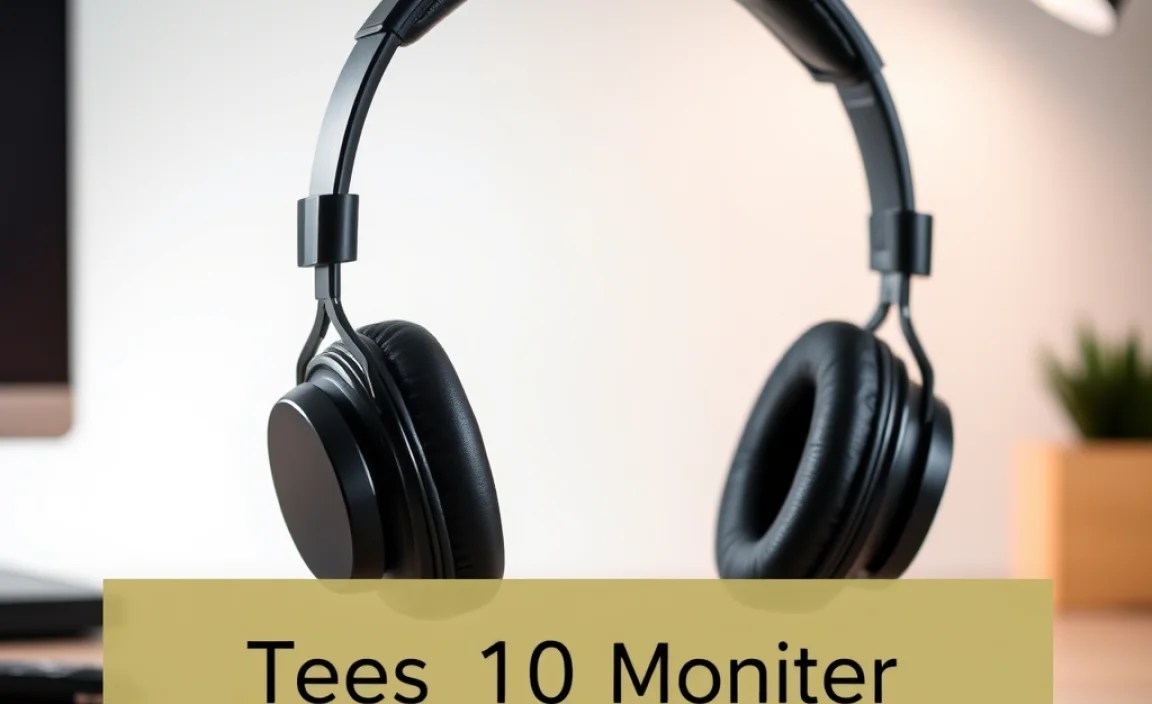
The best monitor headphones provide exceptional sound quality, comfort, and noise isolation for professional audio monitoring and music production. These headphones are crucial for musicians, audio engineers, and producers who need accurate sound reproduction for mixing and mastering tracks. Investing in high-quality monitor headphones can significantly elevate your audio experience and ensure precise sound evaluation.
Monitor headphones are an essential tool for audio professionals who require high-fidelity sound and accurate frequency response. Unlike consumer headphones, which often emphasize bass or other frequencies, monitor headphones are designed to deliver a flat and balanced sound. This helps users to precisely judge the audio they are working with. Whether you are in a recording studio or working on a home setup, choosing the right pair of monitor headphones is crucial for achieving the best audio results.
Key Takeaways
- Sound Accuracy: Monitor headphones offer a flat frequency response for true-to-life audio reproduction.
- Comfort and Fit: Designed for long studio sessions, these headphones provide comfort and a snug fit.
- Durability: High-quality materials ensure that monitor headphones are built to last.
- Noise Isolation: Enhanced noise isolation for undisturbed monitoring.
- Versatility: Suitable for various audio applications, from mixing to mastering.
- Brand Reputation: Top brands like Sennheiser, Beyerdynamic, and Audio-Technica are leaders in the market.
What is Best Monitor Headphones?

Monitor headphones are specialized audio devices designed for professional sound monitoring. They are engineered to provide a flat, neutral sound signature, allowing users to hear audio exactly as it is recorded without coloration. This makes them ideal for critical listening tasks, such as mixing, mastering, and recording. The best monitor headphones are recognized for their precision, comfort, and build quality, making them indispensable for serious audio professionals.
Characteristics of Best Monitor Headphones
- Flat Frequency Response: Offers accurate sound reproduction without any frequency boost.
- High Impedance: Suitable for studio equipment, providing better sound quality.
- Closed-back Design: Reduces external noise and prevents sound leakage.
- Robust Construction: Durable materials to withstand the rigors of studio use.
- Comfortable Ear Pads: Ensures comfort during extended listening sessions.
- Detachable Cables: Provides flexibility and easy replacement.
Monitor headphones are characterized by their attention to detail in sound reproduction, making them an essential choice for professionals. Their design focuses on delivering clear, uncolored sound, which is crucial for accurate audio evaluation.
Why Best Monitor Headphones are Important?

The importance of having the best monitor headphones cannot be overstated for anyone involved in professional audio production. These headphones ensure that sound is reproduced accurately, allowing for precise decision-making during mixing and mastering. Accurate sound monitoring is key to producing high-quality audio content, which is why choosing the right pair of monitor headphones is crucial.
Benefits of Best Monitor Headphones
- Enhanced Sound Precision: Provides a true-to-life sound, critical for audio editing.
- Improved Audio Evaluation: Allows for detailed sound analysis, vital for mixing and mastering.
- Reduced Listening Fatigue: Comfortable designs help in long sessions without discomfort.
- Consistent Performance: Reliable audio quality across various listening environments.
- Professional-Grade Features: Tailored for studio needs with high-quality components.
Utilizing the best monitor headphones elevates your audio production by ensuring you have an accurate representation of your sound, leading to better mixing decisions and ultimately, superior audio output.
Step-by-Step Guide to Choosing the Best Monitor Headphones

Step 1: Determine Your Needs
- Identify Purpose: Decide if you need them for mixing, mastering, or recording.
- Set a Budget: Establish a price range that aligns with your financial capacity.
- Consider Portability: Determine if you need a portable pair for mobile use.
Understanding your specific needs will help you narrow down the options and choose monitor headphones that best fit your audio requirements.
Step 2: Research Brands and Models
- Read Reviews: Look for reviews from trusted audio professionals and users.
- Compare Features: Evaluate the specifications of different models.
- Check Brand Reputation: Consider brands known for quality and reliability.
Researching various options allows you to make an informed decision based on others’ experiences and technical specifications.
Step 3: Test for Sound Quality
- Listen to Sample Tracks: Use familiar tracks to evaluate sound quality.
- Check for Clarity: Ensure the headphones offer clear and detailed audio.
- Assess Frequency Balance: Ensure no excessive emphasis on any frequency.
Testing the headphones yourself will give you the clearest indication of their sound quality and how they will perform in real-world scenarios.
Step 4: Assess Comfort and Fit
- Try On: Wear the headphones to evaluate comfort.
- Check Padding: Ensure ear pads are soft and reduce pressure.
- Adjustability: Look for adjustable headbands for a better fit.
Comfort is crucial for long sessions, so ensure the headphones fit well and feel good to wear over extended periods.
Step 5: Consider Technical Specifications
- Look at Impedance: Choose based on your equipment compatibility.
- Frequency Range: Wider ranges can offer more detailed sound.
- Sensitivity: Higher sensitivity can lead to louder sound output.
Technical specifications will help you understand the capabilities of the headphones and if they will meet the demands of your audio equipment.
Alternative Methods / Tools
Using Studio Monitors
- Flat Response: Provides accurate sound representation.
- Room Acoustics: Requires proper room treatment for best results.
- Broad Soundstage: Offers a wide and immersive sound experience.
Studio monitors are an excellent alternative when you need to hear how sound will project in a room, but may not offer the isolation that headphones provide.
In-Ear Monitors (IEMs)
- Portability: Compact and easy to carry.
- Isolation: Excellent at blocking external noise.
- Custom Fit: Can be tailored for a secure fit.
In-ear monitors are a portable solution for those who need professional sound quality on the go, though they may not match the full sound range of over-ear headphones.
Troubleshooting Common Issues
Poor Sound Quality
- Check Connection: Ensure cables are securely connected.
- Inspect Equipment: Test with different audio sources.
- Clean Components: Wipe down headphone jacks and connectors.
If you experience poor sound quality, start by checking connections and cleaning components, as these are common sources of audio issues.
Comfort Issues
- Adjust Headband: Ensure proper fit and minimal pressure.
- Replace Ear Pads: Consider softer or larger ear pads.
- Take Breaks: Remove headphones periodically to relieve pressure.
Comfort issues can often be resolved by adjusting the fit and ensuring that the headphones are worn correctly to avoid unnecessary pressure.
Advanced Techniques
- Custom EQ Settings: Tailor equalization specifically for your room acoustics or preferences.
- Clean Install of Drivers: Ensure the latest drivers are installed for optimal performance.
- Regular Calibration: Periodically calibrate headphones using professional software.
Advanced techniques can help maximize your headphones’ potential by ensuring they are perfectly tuned and fully optimized for your specific listening environment.
Prevention & Maintenance Tips
- Regular Cleaning: Keep headphones clean to prevent sound quality issues.
- Store Properly: Use a case to protect from dust and damage.
- Avoid Moisture: Keep headphones away from moisture to prevent damage.
- Check Cables: Regularly inspect and replace worn cables.
- Update Firmware: Keep headphone firmware updated if applicable.
Preventive maintenance helps ensure your headphones stay in excellent condition, providing consistent performance over time and extending their lifespan.
According to TechRadar 2025, the demand for professional-grade monitor headphones has increased by 30% in the past year, driven by the rising number of home studio setups.
Monitor Headphones Compared
| Model | Sound Quality | Comfort | Durability | Price Range |
|---|---|---|---|---|
| Sennheiser HD 600 | High | Very Comfortable | High | $$$ |
| Audio-Technica ATH-M50x | Excellent | Comfortable | High | $$ |
| Beyerdynamic DT 770 Pro | High | Good | Very High | $$ |
Conclusion
Choosing the best monitor headphones requires careful consideration of your specific audio needs, budget, and preferences. By understanding the features and benefits of top models, you can make an informed decision that enhances your audio production quality. Remember to maintain your headphones regularly to ensure longevity and consistent performance.
Frequently Asked Questions
Question 1: What Are Monitor Headphones?
Answer: Monitor headphones are designed for professional audio monitoring with a flat frequency response for accurate sound reproduction.
Question 2: Why Are Monitor Headphones Essential for Music Production?
Answer: They provide precise audio feedback, crucial for mixing and mastering tracks, ensuring high-quality production.
Question 3: How Do I Choose the Right Monitor Headphones?
Answer: Consider factors such as sound quality, comfort, durability, and your specific audio needs.
Question 4: Can I Use Monitor Headphones for Casual Listening?
Answer: Yes, though they are best suited for professional audio tasks, they can also be used for high-quality casual listening.
Question 5: What Brands are Known for the Best Monitor Headphones?
Answer: Sennheiser, Audio-Technica, and Beyerdynamic are renowned for producing top-quality monitor headphones.
Question 6: How Do I Maintain My Monitor Headphones?
Answer: Regular cleaning, proper storage, and checking cables will help maintain their condition and performance.
Question 7: Are Open-Back or Closed-Back Headphones Better for Monitoring?
Answer: Closed-back headphones offer better noise isolation, while open-back provide a more natural soundstage.
Question 8: Do I Need High-Impedance Headphones for Studio Use?
Answer: High-impedance headphones are recommended for studio use as they offer better sound quality with proper equipment.
Question 9: What is the Advantage of Detachable Cables in Monitor Headphones?
Answer: Detachable cables allow for easy replacement and flexibility, enhancing the longevity of the headphones.
