
Quick Summary: Enhance your motorcycle rides with the best helmet headphones. This guide breaks down essential features, installation tips, and popular options to make your audio experience safe and enjoyable. Discover how to choose and use motorcycle helmet audio for clearer calls, better music, and improved navigation.
Best Motorcycle Helmet Headphones: Essential Audio for Your Ride
Riding a motorcycle offers an unparalleled sense of freedom, and what better way to enhance that feeling than with your favorite tunes or crucial navigation prompts? For many riders, integrating audio into their helmet isn’t just about entertainment; it’s about staying connected, informed, and safe. But with so many options available, finding the “best motorcycle helmet headphones” can feel a bit daunting. Fear not! This guide is designed to demystify the process, helping you choose and use helmet audio that fits your needs and budget, ensuring every ride is a symphony of safety and sound.
Why Consider Motorcycle Helmet Headphones?

Beyond just blasting your favorite playlist, helmet headphones offer a surprising number of benefits for the modern motorcyclist. Think about it: crystal-clear GPS directions without taking your eyes off the road, the ability to take important calls hands-free, or even listening to podcasts to make long journeys fly by. They are integrated audio solutions designed specifically for the unique environment of motorcycle riding, where wind noise can be a significant challenge. According to the National Highway Traffic Safety Administration (NHTSA), motorcycle safety is paramount, and anything that allows riders to stay focused and aware of their surroundings contributes to this goal.
Types of Motorcycle Helmet Audio Systems

When we talk about “motorcycle helmet headphones,” we’re usually referring to a few different types of systems. Each has its own pros and cons, and the best choice often comes down to your specific helmet and personal preferences.
1. In-Helmet Speaker Systems (Bluetooth Kits)
These are the most common and versatile options. They consist of slim, flat speakers that fit into pockets inside your helmet, connected to a small control unit that typically mounts on the outside of the helmet. This unit usually houses the battery, Bluetooth module, and controls.
Pros:
- Excellent sound quality for music and calls.
- Often include advanced features like voice commands and noise cancellation.
- Easy to install in most modern helmets.
- Wide range of options from basic to premium.
Cons:
- Can be more expensive than simpler solutions.
- Requires charging the control unit regularly.
- Installation can sometimes be fiddly depending on helmet design.
2. Bone Conduction Headphones
These are less common but offer a unique approach. Instead of placing speakers over or in your ears, they rest on your cheekbones and transmit sound vibrations directly to your inner ear. This leaves your ear canal open, allowing you to hear ambient sounds, which can be a significant safety advantage.
Pros:
- Significantly increases situational awareness as your ears remain uncovered.
- Comfortable for long rides as they don’t occupy ear space.
- Ideal for riders who prefer to hear traffic and their surroundings clearly.
Cons:
- Sound quality is generally not as rich or loud as traditional in-ear or in-helmet speakers, especially at high speeds.
- Can sometimes feel less secure or comfortable for some users.
- May not be suitable for those who want an immersive audio experience.
3. Wired Earbuds/Headphones
While less popular now due to the convenience of Bluetooth, some riders still opt for wired solutions. These are typically standard earbuds or small headphones that you wear under your helmet. They require a connection to your phone or audio device, usually via a 3.5mm jack or a USB-C/Lightning adapter.
Pros:
- Generally the most affordable option.
- No batteries to charge (except for the device they connect to).
- Simple setup.
Cons:
- Wires can be a nuisance, getting tangled or snagged.
- Sound quality can be affected by wind noise if not properly sealed.
- Limited by the length of the wire and proximity to your audio source.
- Can be uncomfortable when worn under a helmet for long periods.
Key Features to Look For in Motorcycle Helmet Headphones

When you’re searching for the “best motorcycle helmet headphones,” several features can make or break your experience. It’s not just about sound; it’s about usability, safety, and durability.
1. Sound Quality and Volume
This is often the top priority for music lovers. Look for systems with clear audio reproduction and sufficient volume to overcome wind noise at highway speeds. While specialized headphones can offer great sound, it’s a balance – too loud can be detrimental to hearing. Consider how you primarily use your audio: is it for podcasts where clarity is key, or for music where you want richness?
2. Battery Life
If you’re going for Bluetooth systems, battery life is crucial. A typical ride can last several hours, and you don’t want your audio cutting out halfway through. Look for systems offering at least 8-10 hours of continuous use. Many systems also feature quick charging, which can be a lifesaver.
3. Durability and Weather Resistance
Motorcycle gear needs to be tough. Your helmet audio system will be exposed to vibrations, impacts (minor or otherwise), dust, and potentially rain. Ensure the components are built to withstand these conditions. Look for IP ratings (e.g., IPX5 or higher) indicating water and dust resistance.
4. Ease of Installation and Compatibility
Most modern helmets are designed with speaker pockets. However, the ease of installation varies. Some systems come with strong adhesive mounts, while others might require more involved fitting. Check if the system is compatible with your specific helmet model. Many Bluetooth kits are universal and can be adapted.
5. Connectivity and Bluetooth Version
For Bluetooth systems, a recent Bluetooth version (like 5.0 or higher) ensures a stable connection with your phone or other devices, better power efficiency, and potentially longer range. Some systems allow for multipoint connectivity, meaning you can connect to your phone and a GPS device simultaneously.
6. Control Interface
How will you control your music and calls? Some systems have physical buttons on the control unit, while others offer voice commands or can be integrated with handlebar remote controls. The best interface is one that is easy to operate with gloves on, without compromising your focus on the road.
7. Safety Features
This is paramount. Consider systems that allow you to hear ambient sounds (like bone conduction) or those that offer volume limits to protect your hearing. Being able to clearly hear emergency sirens or horns is critical. The Occupational Safety and Health Administration (OSHA) has strict guidelines for noise exposure, and it’s wise to be mindful of your own hearing health while riding.
| Feature | Importance for Motorcycle Riders | What to Look For |
|---|---|---|
| Sound Quality | Crucial for enjoying music, clear navigation, and important calls over wind noise. | Clear mids and highs, sufficient volume without distortion. |
| Battery Life | Ensures uninterrupted audio for entire rides, preventing distractions or lost directions. | 8+ hours of continuous use; fast charging capabilities are a plus. |
| Durability & Weather Resistance | Withstands vibration, dust, moisture, and occasional impacts. | Robust construction; IPX5 or higher water resistance rating. |
| Connectivity | Stable connection to smartphones, GPS, and potentially other devices. | Bluetooth 5.0+; multipoint pairing support. |
| Ease of Use | Controls should be accessible and operable with gloves on without distraction. | Large, tactile buttons; voice command options; handlebar controls. |
| Safety | Allows awareness of surroundings and protects hearing. | Open-ear design (bone conduction) or adjustable volume limits. |
How to Choose Your Best Motorcycle Helmet Headphones
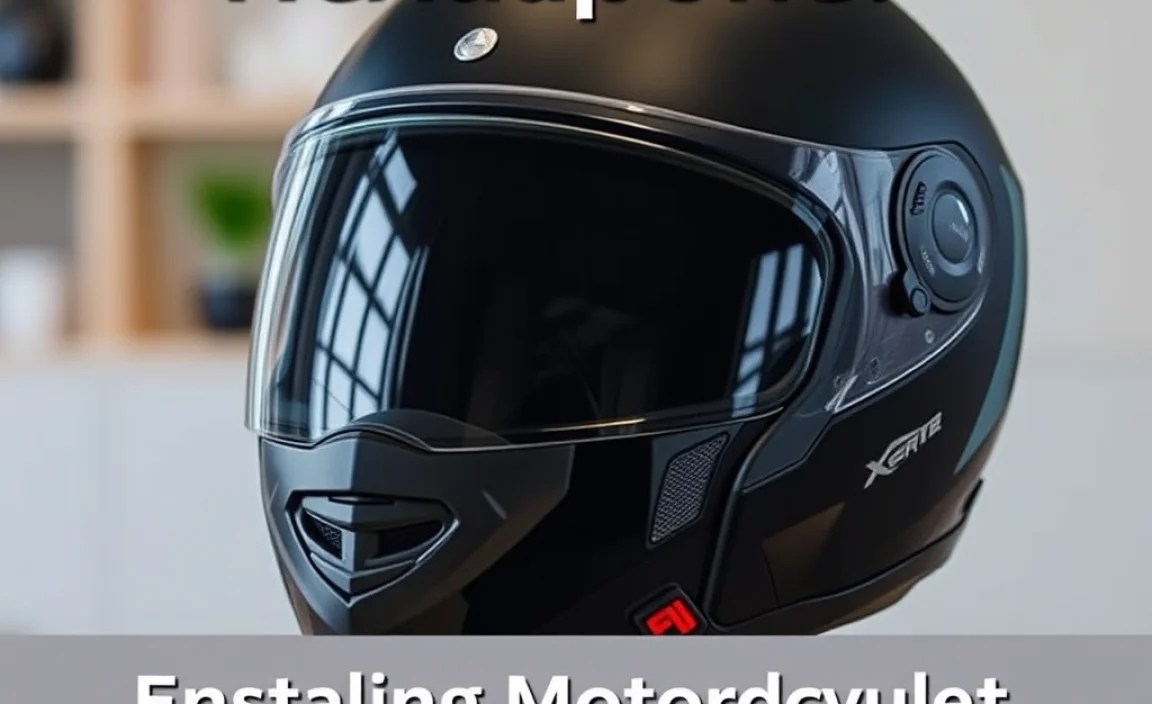
Now that you know what to look for, let’s break down the process of selecting the right audio system for your motorcycle helmet. It’s about matching the technology to your riding style and equipment.
Step 1: Assess Your Helmet
The first thing to do is examine your helmet. Does it have pre-molded pockets for speakers? Most modern full-face and modular helmets do. If your helmet is older or has a very snug fit, you might have less space to work with. Measure the depth and width of the speaker recesses to ensure they can accommodate the speakers you’re considering.
Step 2: Determine Your Primary Use Case
Are you a music aficionado looking for the best sound reproduction on long tours? Do you rely heavily on GPS navigation? Or is your main concern making and receiving calls safely? Your primary use will guide your feature priorities. For example, if navigation is key, you’ll want strong audio clarity and potentially a system that pairs easily with GPS devices.
Step 3: Set Your Budget
Motorcycle helmet audio systems range from under $50 for basic wired earbuds all the way up to $300 or more for premium Bluetooth intercom systems with advanced features. Having a budget in mind will help narrow down your options significantly.
Step 4: Research Popular Brands and Models
Some brands consistently deliver quality in the motorcycle audio space. While “best” is subjective, looking at reputable manufacturers can save you headaches. Some top contenders include:
- Sena: Widely recognized for their robust Bluetooth intercom systems, Sena offers a wide range of models from simple audio kits to complex multi-rider communication systems.
- Cardo: A direct competitor to Sena, Cardo specializes in high-quality Bluetooth communicators and audio systems, often praised for their user-friendly interfaces and sound quality.
- JBL (in partnership with other brands): Sometimes, high-fidelity audio brands collaborate with helmet accessory makers to offer superior sound quality within a Bluetooth system.
- Skullcandy: Known for their focus on sound quality, Skullcandy offers some Bluetooth helmet audio solutions that deliver rich bass and clear treble.
- Reevu (for integrated helmets): While not just headphones, some advanced helmets like those from Reevu come with integrated audio solutions.
Step 5: Read Reviews and Watch Videos
Once you’ve shortlisted a few potential systems, dive into online reviews and video demonstrations. Look for reviews that specifically mention installation on similar helmets to yours and discuss performance at highway speeds. YouTube is an excellent resource for installation guides and real-world testing.
Installing Motorcycle Helmet Headphones
Installing a Bluetooth helmet audio system is usually a straightforward DIY project. Here’s a general step-by-step guide:
Step 1: Prepare Your Helmet
Open your helmet and locate the ear pockets. If there are any original foam pads or speakers, remove them. Clean the inside surface where you’ll be attaching the control unit and speakers with a mild cleaner to ensure good adhesion.
Step 2: Mount the Speakers
Most systems come with flat, slim speakers. They often attach using strong adhesive Velcro or double-sided tape. Position them inside the helmet’s ear pockets, ensuring they are centered over your ears for the best sound. Some systems might require you to tuck wires under the helmet liner. Be patient and gently work the wires into place.
Step 3: Mount the Control Unit
The main module, which houses the battery and electronics, typically mounts on the side or bottom of the helmet. Use the provided adhesive mount and align it properly on a clean, flat surface. Ensure it doesn’t interfere with helmet closure mechanisms or your view.
Step 4: Connect the Wiring
Connect the speaker wires to the main control unit. Again, this usually involves plugging them into specific ports. Tuck any excess wiring neatly under the helmet liner to prevent them from snagging or causing discomfort.
Step 5: Test the System
Before venturing out, power on the system and pair it with your smartphone. Play some music and make a test call. Ensure all buttons are functioning, the sound is clear, and there are no buzzing or rattling noises. Adjust the speaker positions inside if the sound isn’t optimal.
Tip: Many manufacturers provide detailed installation videos for their specific models. It’s always a good idea to watch these before you begin.
Maintaining Your Motorcycle Helmet Audio System
To ensure your helmet headphones last and perform well, a little maintenance goes a long way.
- Regular Charging: Keep the battery charged, especially before long rides. Avoid letting Bluetooth units sit for too long with a fully depleted battery, as this can degrade battery health over time.
- Cleaning: Gently wipe down the external components with a damp cloth. Avoid harsh chemicals that could damage the plastic or electronics. If you sweat heavily, you might want to periodically clean the speaker covers or pads if they are removable.
- Connection Checks: Periodically ensure that wires are still securely tucked and connections are sound.
- Firmware Updates: Some advanced Bluetooth systems can be updated via a computer or app. Check the manufacturer’s website for any available firmware updates, which can improve performance or add new features.
- Storage: When not in use, store your helmet in a cool, dry place. Avoid leaving it in direct sunlight or extreme temperatures, which can affect both the helmet and the audio components within.
Top Motorcycle Helmet Audio Systems (Examples)
While we can’t crown a single “best” without knowing your exact needs, here are a few highly-regarded options that exemplify quality and performance in different categories:
| Model Example | Key Features | Best For |
|---|---|---|
| Sena 50R/50S | Mesh Intercom, Bluetooth 5.0, voice commands, HD speakers, long battery life. | Riders who need group communication and premium audio quality. |
