
Choosing the best noise-cancelling headphones for infants is crucial to protect their sensitive hearing from loud environments. This guide explores top features, benefits, and alternatives to ensure you make an informed choice for your child’s auditory safety.
Noise-cancelling headphones for infants are specially designed devices that help reduce the exposure of young children to potentially harmful noise levels. These headphones are not only beneficial for keeping infants comfortable in noisy environments but are also crucial for preventing hearing damage. Choosing the right pair involves understanding the various features and benefits, and this guide aims to provide comprehensive insights into making the best selection.
Key Takeaways
- Noise Reduction: Essential for protecting infant hearing from loud environments.
- Comfort: Soft, adjustable materials ensure a snug fit without pressure.
- Safety Standards: Look for models that meet or exceed safety regulations.
- User-Friendly Designs: Lightweight and easy to wear for long durations.
- Durability: Strong construction to withstand frequent use.
- Cost-Efficiency: Balancing quality with affordability for long-term use.
These key points highlight the essential aspects of selecting the best noise-cancelling headphones for infants. Prioritizing these features ensures you provide optimal protection and comfort for your child’s ears.
What is best noise cancelling headphones for infants?

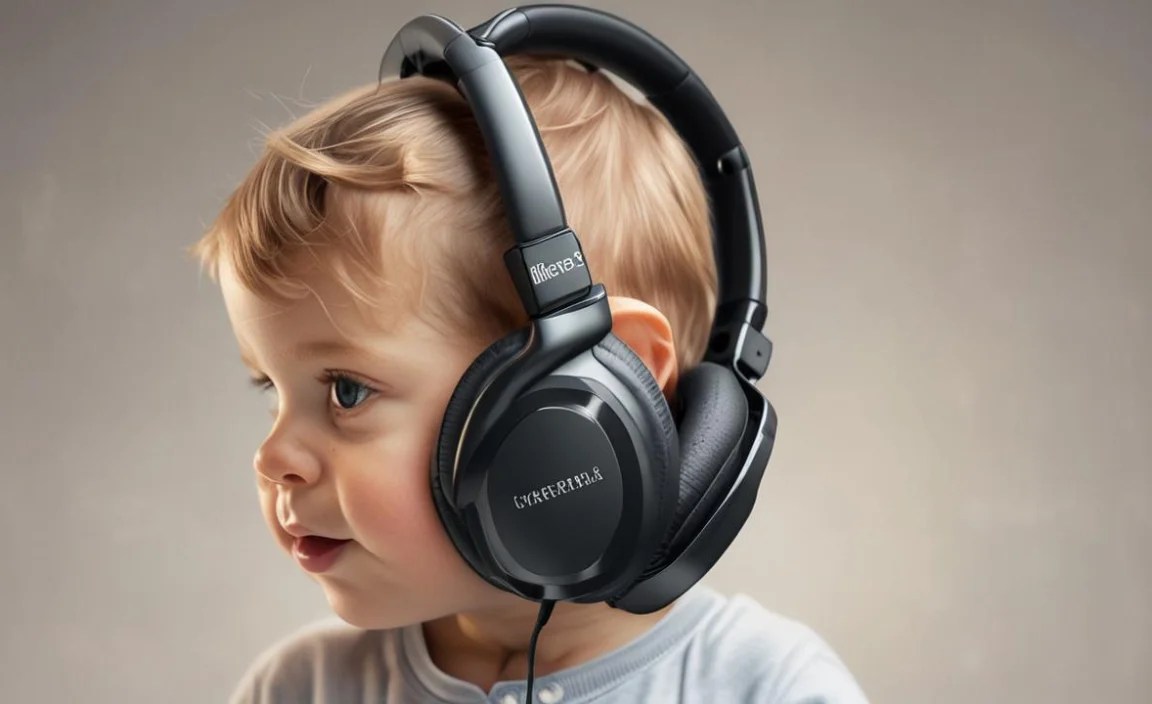
Noise-cancelling headphones for infants are specially designed to protect a child’s hearing by significantly reducing ambient noise. These devices are particularly important in loud environments such as airports, concerts, or sporting events. Infant headphones are crafted with comfort and safety in mind, featuring soft padding and adjustable straps to fit securely without exerting undue pressure on delicate ears.
Causes / Definition
- Ambient Noise Reduction: Headphones reduce background noise, making environments more bearable for infants.
- Hearing Protection: Designed to prevent damage from high decibel levels.
- Comfort and Fit: Soft, adjustable materials ensure they are gentle on infants’ sensitive skin.
- Safety Compliance: Certified to meet safety standards for infant products.
- Durable Construction: Built to withstand frequent handling and use.
Noise-cancelling headphones for infants serve a critical function by mitigating the impact of loud noises, which can be particularly harmful to young, developing ears. By choosing headphones specifically designed for infants, parents can provide a safer, more comfortable auditory environment for their children.
Why best noise cancelling headphones for infants is Important?
The importance of noise-cancelling headphones for infants lies in their ability to protect young children’s sensitive hearing. Infants are especially vulnerable to loud sounds, which can lead to discomfort or even long-term hearing damage. By investing in high-quality noise-cancelling headphones, parents can ensure their child is shielded from excessive noise, providing peace of mind in a variety of settings.
Benefits
- Hearing Protection: Safeguards against potentially damaging noise levels.
- Enhanced Comfort: Soft, snug fit reduces stress and discomfort.
- Better Sleep: Reduces environmental noise, aiding in better sleep quality for infants.
- Increased Focus: Helps infants concentrate better by minimizing distractions.
- Versatile Use: Suitable for various environments like travel, events, or noisy home settings.
The benefits of noise-cancelling headphones for infants extend beyond mere noise reduction. They contribute to a more comfortable and protected environment, which is crucial for the well-being and development of young children.
Step-by-Step Guide to best noise cancelling headphones for infants

Step 1: Determine Noise Exposure Levels
- Assess Environments: Identify commonly frequented noisy environments such as airports or events.
- Measure Decibel Levels: Use apps or devices to check ambient noise levels.
- Consider Frequency: Determine how often your infant will be exposed to high noise levels.
Understanding the noise exposure your infant encounters is the first step in selecting the right headphones. This allows you to choose a model that effectively reduces noise to safe levels.
Step 2: Identify Key Features
- Comfort: Look for padded ear cups and adjustable headbands.
- Noise Reduction Rating (NRR): Check the rating to ensure effective noise reduction.
- Safety Standards: Ensure compliance with international safety regulations.
Prioritizing features like comfort and safety ensures the headphones you choose will be both effective in noise reduction and gentle on your infant’s sensitive skin.
Step 3: Compare Different Models
- Read Reviews: Check customer feedback for insights into performance and durability.
- Compare Brands: Look at comparisons between top-rated brands and models.
- Price Considerations: Balance cost against features and longevity.
Comparing different models aids in finding a pair of headphones that offers the best balance of features, quality, and affordability, ensuring long-term satisfaction with your purchase.
Alternative Methods / Tools
Use of Earplugs
- Disposable Earplugs: Cheap and easy to use.
- Reusable Earplugs: Environmentally friendly option.
- Custom-Made Earplugs: Tailored fit for maximum comfort and effectiveness.
Earplugs can be a viable alternative to noise-cancelling headphones, particularly in situations where headphones may not be practical. They offer a portable, convenient solution for noise reduction.
Troubleshooting Common Issues
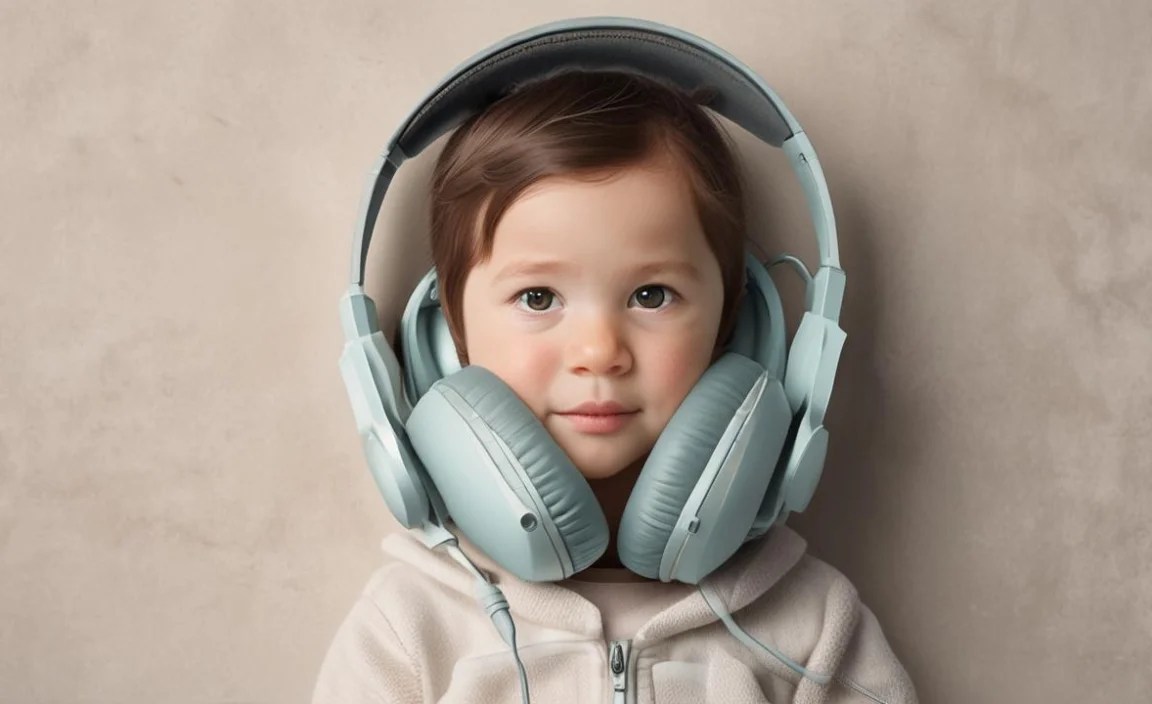
Headphones Not Fitting Properly
- Adjustable Straps: Ensure straps are correctly adjusted for a snug fit.
- Check Size: Verify you have the appropriate size for your infant.
- Replacement Parts: Consider getting new pads or bands if current ones are worn out.
If the headphones do not fit properly, simple adjustments or replacements can often resolve the issue. Proper fit is crucial for effective noise cancellation and comfort.
Headphones Not Reducing Noise Effectively
- Check NRR: Ensure the noise reduction rating is appropriate for the environment.
- Inspect for Damage: Check for any visible damage that may affect performance.
- Contact Manufacturer: Reach out for support if issues persist.
Issues with noise reduction may stem from incorrect settings or damage. Addressing these factors can often restore the headphones’ full functionality.
Advanced Techniques
- Clean Regularly: Ensure headphones are free from debris which can affect performance.
- Use in Conjunction with White Noise: Pair headphones with white noise machines for enhanced results.
- Noise Habit Training: Gradually acclimate infants to different noise levels.
Advanced techniques can optimize the performance of noise-cancelling headphones, ensuring your infant receives the maximum benefit from their use.
Prevention & Maintenance Tips
- Regular Cleaning: Maintain hygiene to prevent ear infections.
- Check for Wear and Tear: Inspect components regularly for signs of damage.
- Store Properly: Use cases or pouches to protect headphones when not in use.
Preventative care and regular maintenance of headphones can prolong their lifespan and ensure consistent performance, safeguarding your investment and your infant’s hearing.
According to the American Speech-Language-Hearing Association 2025, over 70% of parents are aware of the importance of protecting their children’s hearing from loud noises.
Comparison of Top Infant Noise Cancelling Headphones
| Brand | Noise Reduction Rating | Comfort Features | Safety Standards | Price Range |
|---|---|---|---|---|
| BabyBanz | 31 dB | Soft padding, adjustable headband | Meets international safety standards | $25-$35 |
| Snug Kids | 26 dB | Lightweight, adjustable | Compliant with safety regulations | $20-$30 |
| Pro Ears | 30 dB | Padded with soft foam | Certifications for infant safety | $30-$40 |
Conclusion
Choosing the best noise-cancelling headphones for infants involves balancing comfort, efficacy, and cost. By focusing on key features and understanding the specific needs of your child, you can ensure their hearing is well-protected in any environment. The right pair of headphones offers peace of mind and a safer auditory experience for your infant.
Frequently Asked Questions
Question 1: Are Noise-Cancelling Headphones Safe for Infants?
Answer: Yes, provided they meet safety standards and fit properly.
Question 2: What Age Can Infants Start Using Noise-Cancelling Headphones?
Answer: Typically from birth to protect sensitive ears, but consult product guidelines.
Question 3: How Do I Know If the Headphones Are Working?
Answer: Check if ambient noise is significantly reduced when headphones are worn.
Question 4: Can Noise-Cancelling Headphones Help My Baby Sleep?
Answer: Yes, by reducing disruptive environmental noise.
Question 5: How Often Should I Clean the Headphones?
Answer: Regularly, especially after heavy use, to maintain hygiene.
Question 6: What if My Infant Doesn’t Like Wearing Them?
Answer: Try acclimating them gradually to wearing the headphones.
Question 7: Can I Use Adult Headphones on My Infant?
Answer: No, they may not fit properly and could be unsafe.
Question 8: Are There Alternatives to Noise-Cancelling Headphones?
Answer: Yes, earplugs or white noise machines can be used as alternatives.
Question 9: How Do I Choose the Right Size?
Answer: Opt for adjustable models designed specifically for infants.
