
Quick Summary: Discover the best noise-cancelling headphones to find your perfect escape. This guide simplifies active noise cancellation (ANC) technology, explains key features, and offers tips for choosing headphones ideal for travel, studying, or enjoying your audio without distractions. Make an informed, confident purchase.
Best Noise Cancelling Headphones: Your Essential Guide to Peace and Quiet

Hey everyone, Edward Cavitt here from headphonehorizon! Ever dreamed of a personal oasis of calm, even in the middle of a bustling city or a noisy airplane cabin? That’s where noise-cancelling headphones come in. They’re like a magic carpet for your ears, whisking you away from distracting sounds and immersing you in your music, podcasts, or simply blessed silence. But with so many options out there, picking the right pair can feel a bit overwhelming. Don’t worry; I’m here to help you navigate the world of active noise cancellation (ANC) and find the perfect headphones that fit your life and your budget. Let’s dive in!
Understanding Active Noise Cancellation (ANC)

Before we start looking at the “best,” it’s helpful to understand what makes these headphones so special. Active Noise Cancellation (ANC) is a smart technology that works to block out unwanted external sounds. It’s different from passive noise isolation, which is basically just using physical barriers (like earcups or ear tips) to block sound. ANC uses microphones to detect ambient noise and then creates an “anti-noise” sound wave that cancels out the original sound. It’s like magic happening inside your headphones!
How ANC Works: A Simple Breakdown
Imagine you’re in a noisy room. Your headphones have tiny microphones on the outside that “listen” to the sounds around you – the hum of an air conditioner, the chatter of people, the rumble of an engine. Once these microphones pick up the sound waves, a special chip inside the headphones analyzes them. It then generates an opposing sound wave, essentially an “anti-noise,” which is played through the headphone speakers. When these two waves meet, they neutralize each other, significantly reducing the perceived noise. It’s a fascinating application of physics!
Different types of ANC exist, each with its own strengths:
- Feedforward ANC: Microphones are on the outside of the earcup. It’s good for cancelling out a wide range of frequencies but can sometimes amplify certain sounds.
- Feedback ANC: Microphones are inside the earcup, near your ear. This system is great at cancelling out specific frequencies that reach your ear but can sometimes struggle with sudden noises.
- Hybrid ANC: This is the most advanced type, using both feedforward and feedback microphones. It offers the best of both worlds, cancelling a broad spectrum of noise very effectively.
Why Choose Noise Cancelling Headphones?

The benefits of noise-cancelling headphones extend far beyond just enjoying your music. They can truly enhance your daily life and experiences:
- Travel Companion: Make those long flights or train rides much more peaceful by drowning out engine noise and cabin chatter.
- Focus Booster: Create a distraction-free zone, perfect for studying, working in a busy office, or concentrating on tasks at home.
- Sleep Aid: Some people find that wearing comfortable ANC headphones (even without audio) can help block out disruptive sounds for better sleep, especially on planes or in shared accommodations.
- Enhanced Audio Experience: With ambient noise reduced, you can listen to your music or podcasts at lower volumes, which is better for your hearing and allows you to appreciate more subtle details in the audio.
- Stress Reduction: Constant exposure to noise can be stressful. ANC headphones provide a welcome respite, helping you feel more relaxed and in control of your auditory environment.
Key Features to Look for in Noise Cancelling Headphones

When shopping for noise-cancelling headphones, you’ll find a variety of features. Here are the most important ones to consider:
1. Active Noise Cancellation (ANC) Performance
This is the star of the show! Not all ANC is created equal. Look for headphones that offer strong noise cancellation across a wide range of frequencies, especially for low-frequency hums (like airplane engines) and mid-frequency sounds (like voices). Many reviews will detail how effectively a specific model handles different types of noise.
2. Sound Quality
Even with the best ANC, you want your audio to sound great! Consider the type of sound profile you prefer:
- Balanced: Delivers a clear and accurate representation across all frequencies.
- Bass-heavy: Emphasizes lower frequencies for a more impactful sound, great for genres like hip-hop or electronic music.
- Bright: Highlights higher frequencies, making vocals and instruments sound more detailed and crisp.
Reading reviews that focus on audio fidelity can give you a good idea of how a pair of headphones will sound.
3. Comfort and Fit
You’ll likely be wearing these for extended periods, so comfort is paramount. Consider:
- Over-ear: These completely encompass your ears. They often provide the best comfort and noise isolation but can be bulkier.
- On-ear: These rest on your ears. They are generally lighter but might not offer as good a seal.
- In-ear (earbuds): Compact and portable. A good seal with ear tips is crucial for both passive isolation and ANC effectiveness.
Look for plush earcups, adjustable headbands, and lightweight designs for over-ear models. For earbuds, a variety of ear tip sizes is a big plus.
4. Battery Life and Charging
ANC technology requires power. Check the quoted battery life, both with and without ANC enabled. Many modern headphones also offer quick charging, providing a few hours of playback with just a short charge. USB-C is becoming the standard for convenient charging.
5. Connectivity
- Bluetooth Version: Newer versions offer better range, stability, and power efficiency.
- Multipoint Pairing: This allows you to connect to two devices simultaneously (e.g., your phone and laptop), which is incredibly convenient for switching between calls and music.
- Wired Option: Some headphones come with an optional audio cable, which is useful if the battery dies or for connecting to devices without Bluetooth.
6. Controls and Features
Think about how you’ll interact with your headphones:
- Physical Buttons: Reliable and easy to find even without looking.
- Touch Controls: Sleek and intuitive, but can sometimes be accidentally triggered.
- Companion App: Many brands offer apps that let you customize EQ, ANC levels, and firmware updates.
- Ambient Sound Mode (Transparency Mode): This feature uses the external microphones to let you hear your surroundings without taking off your headphones – great for announcements or quick conversations.
Top Picks for Different Needs (Examples)
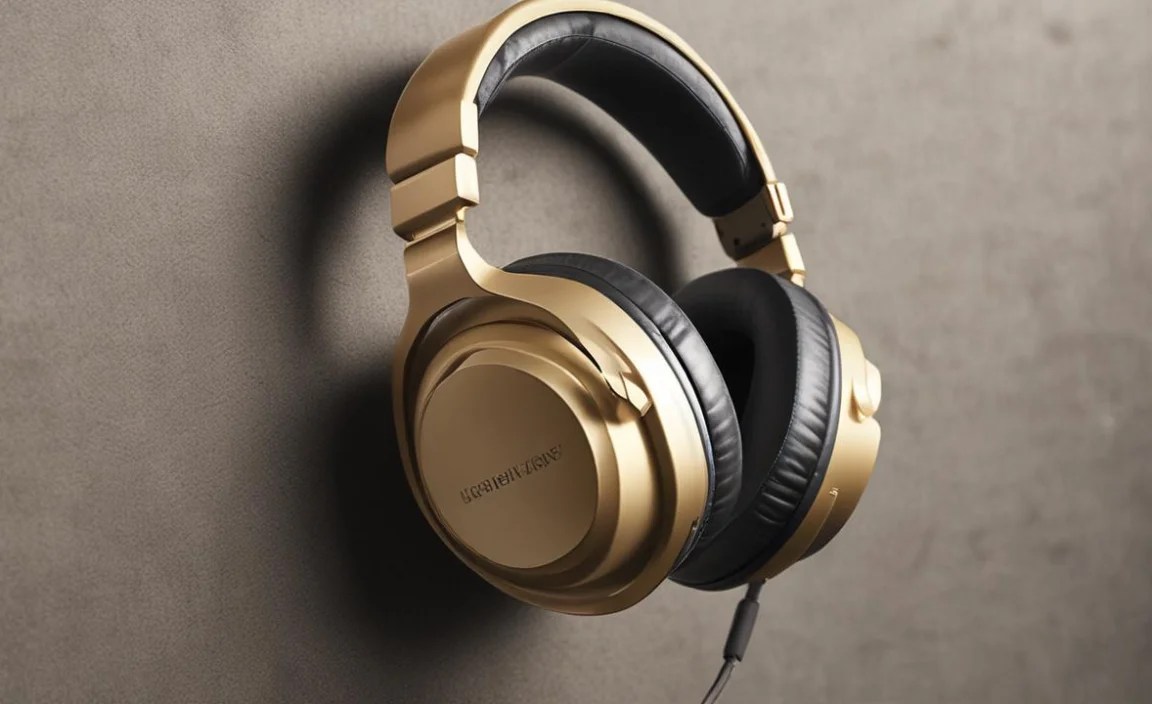
While “best” is subjective and depends on your priorities, here are some categories and popular choices that often receive high marks. Remember to check the latest models and reviews, as technology evolves quickly!
Best All-Around Noise Cancelling Headphones
For those who want a fantastic balance of ANC performance, sound quality, comfort, and features, some models consistently shine. These are often premium options but offer incredible value for frequent travelers or anyone seeking top-tier noise cancellation.
Best Noise Cancelling Headphones on a Budget
You don’t always need to break the bank to get effective noise cancellation. Several brands offer impressive ANC performance at more accessible price points, making them excellent choices for students or those looking for the best noise cancelling headphones for the money.
Best Noise Cancelling Earbuds
For portability and a more discreet option, true wireless earbuds with ANC are a fantastic choice. They pack a lot of technology into a small package, making them perfect for commutes, workouts, or simply on-the-go listening.
Best Noise Cancelling Headphones for Travel
When it comes to air travel, specific features like superior ANC for engine hum, long battery life, and comfortable earcups for extended wear become critical. Look for foldable designs that are easy to pack into your carry-on.
How to Choose the Best Noise Cancelling Headphones for YOU
Let’s break down the decision-making process into actionable steps:
Step 1: Define Your Primary Use Case
Where and how will you use them most often?
- Commuting/Flying: Prioritize strong ANC, comfort for long periods, and portability.
- Office/Study: Focus on ANC that effectively blocks out voices and background chatter, and comfort for all-day wear.
- Home Use: Sound quality and comfort might be more important than extreme portability or the absolute strongest ANC.
- Workouts: Look for a secure fit, sweat resistance, and decent ANC. True wireless earbuds are often favored here.
Step 2: Set Your Budget
Noise-cancelling headphones range from around $75 to over $400+. Have a clear idea of how much you’re willing to spend. Remember that investing a bit more upfront can sometimes mean a more durable and better-performing product that lasts longer.
Step 3: Consider the Form Factor
Over-ear, on-ear, or in-ear? This is largely a matter of personal preference and your primary use case. Over-ear generally offer the best comfort and ANC, while earbuds are the most portable.
Step 4: Read Reviews and Compare Specifications
Once you have a few models in mind, dive into detailed reviews. Pay attention to:
- ANC Effectiveness: Does it block the types of noise you experience most?
- Sound Signature: Does it match your listening tastes?
- Comfort & Fit: Are they comfortable for long listening sessions?
- Battery Life
- Durability and Build Quality
Reputable tech review sites and audio enthusiast forums are great resources. Look at objective measurements from sources like Rtings.com, which provides in-depth lab testing for headphones.
Step 5: Try Them On (If Possible)
If you can, visit an electronics store to try on different headphones. Feel the materials, check the clamping force, and assess the weight. Even a few minutes can tell you a lot about long-term comfort.
A Quick Look at Popular Models and Features
To give you some concrete examples, here’s a simplified comparison of some categories and features you might encounter. These are illustrative examples, and always check the most current versions and detailed reviews!
| Category | Key Strengths Often Found | Examples of Features to Seek |
|---|---|---|
| Premium Over-Ear ANC | Industry-leading ANC, superior sound, exceptional comfort, advanced features (multipoint, app control). Often use hybrid ANC. | Customizable EQ, excellent battery life (30+ hours), transparency modes, high-quality codecs (LDAC, aptX HD). |
| Mid-Range Over-Ear ANC | Good ANC performance for the price, solid audio quality, comfortable for moderate use. A great balance for the money (“best noise cancelling headphones for the money” contenders). | Decent battery life (20-30 hours), reliable Bluetooth connectivity, easy physical controls. |
| True Wireless ANC Earbuds | Ultimate portability, compact design, effective ANC for their size, often good for active use. | Secure fit with multiple ear tip sizes, sweat resistance (IPX rating), decent battery life (5-8 hours per charge, plus case). |
| Budget ANC Options | Functional ANC that reduces ambient noise for general listening, much more affordable. | Basic ANC, acceptable sound quality, might sacrifice some comfort or premium features. |
Maintaining Your Noise Cancelling Headphones
To keep your investment sounding and working great for years to come, proper care is essential:
Cleaning Your Headphones Safely
Dirt and earwax can accumulate over time and affect sound quality. Use a dry, soft, lint-free cloth to wipe down the earcups and headband. For stubborn spots, a slightly damp cloth (water only, and make sure it’s not soaking wet) can be used, followed by immediate drying.
- Earcups: If your earcups are removable, gently detach them and clean them according to the manufacturer’s instructions. Some can be wiped down, while others might require specific cleaning solutions. Avoid submerging them in water.
- Ear Tips (for earbuds): Remove the ear tips and wash them with mild soap and water. Ensure they are completely dry before reattaching them to the earbuds.
- Grills and Ports: Use a dry soft brush (like a clean toothbrush or a makeup brush) to gently remove any debris from speaker grills or charging ports. Compressed air can be used carefully, but avoid blowing too hard or too close.
Storage and Handling
When not in use, store your headphones in their carrying case if one is provided. This protects them from dust, scratches, and accidental damage. Avoid leaving them in extreme temperatures (hot cars, direct sunlight) as this can damage the battery and materials.
Battery Care
Most modern headphones use lithium-ion batteries. To prolong their lifespan:
- Avoid fully depleting the battery regularly.
- Don’t leave them plugged in for excessively long periods after they are fully charged, though modern chargers have safeguards for this.
- Store them with a partial charge if you won’t be using them for a long time.
For more detailed information on battery health, you can check out resources from organizations like the Energizer Battery Care Guide (PDF), which offers general tips applicable to many rechargeable devices.
Troubleshooting Common Issues
Even the best headphones can encounter minor hiccups. Here are some common problems and simple solutions:
- ANC Not Working or Weak:
- Ensure ANC is turned on.
- Check if the microphones are blocked by dirt or debris. Clean them gently.
- For earbuds, ensure a proper seal with your ear is achieved by trying different ear tip sizes.
- Make sure the headphones are fully charged; ANC can drain battery quickly.
- Try resetting the headphones to factory settings (check your manual for instructions).
- Bluetooth Connection Issues:
- Turn Bluetooth off and then on again on your device.
- Forget the headphones in your device’s Bluetooth settings and re-pair them.
- Ensure the headphones are in pairing mode.
- Check for interference from other wireless devices.
- Update your device’s operating system.
- Poor Sound Quality:
- Check your audio source. Is the sound file or streaming quality low?
- Clean the earcups or earbuds.
- If using an app, try adjusting the EQ settings.
- For wired connections, ensure the cable is fully plugged in and not damaged.
- One Side Not Working:
- For wired headphones, check the cable connection at both ends. Try a different cable if possible.
- For wireless headphones, try unpairing and re-pairing them.
- Ensure the headphones are fully charged.
- Clean the charging contacts if they are wireless earbuds.
If you’re facing a persistent issue, consult your headphone’s user manual or the manufacturer’s support website. Many issues can be resolved with a simple reset or firmware update.
Frequently Asked Questions (FAQ)
Q1: Do noise-cancelling headphones work on all types of noise?
ANC is most effective against constant, low-frequency sounds (like airplane engines, HVAC hums, or train rumbles). It’s less effective against sudden, irregular noises (like a dog barking or someone shouting) and mid-to-high frequency sounds, though good ANC can still reduce them. Passive isolation from the earcups or ear tips plays a significant role in blocking these other noises.
Q2: Are noise-cancelling headphones safe for my ears?
Yes! In fact, they can be safer for your hearing. Because they reduce ambient noise, you can listen to your music at lower, safer volumes. This prevents you from turning up the volume to compensate for background distractions, which is a common cause of hearing damage. Keep your listening volume at a reasonable level (around 60% of maximum) for extended periods to protect your hearing.
Q3: Can I use noise-cancelling headphones while exercising?
For over-ear headphones, it’s
