
Quick Summary: Discover the best noise-cancelling headphones for mowing your lawn. This guide explains how to choose models that effectively block mower noise for safety and clearer audio, ensuring a comfortable and enjoyable yard work experience.
Tackling the lawn can be a satisfying chore, but the constant drone of a lawnmower can be more than just a nuisance – it’s a serious risk to your hearing. Prolonged exposure to loud noises, like those generated by mowers, can lead to permanent hearing damage. This is where the magic of noise-cancelling headphones comes in! They don’t just make your mowing more pleasant by letting you listen to music or podcasts; they actively protect your ears. Finding the right pair can feel a bit overwhelming with all the tech jargon out there, but don’t worry. I’m here to break down exactly what you need to look for, so you can enjoy a quieter, safer, and more enjoyable time in your yard.
Why Noise-Cancelling Headphones are a Mower’s Best Friend

Before we dive into specific recommendations, let’s understand why noise-cancelling headphones are crucial for lawn mowing. The Occupational Safety and Health Administration (OSHA) reports that prolonged exposure to sounds above 85 decibels (dB) can cause hearing loss. A typical lawnmower operates at around 90-105 dB, which is well within the range that can cause damage over time. Regular headphones might offer some passive noise isolation by simply covering your ears, but they often don’t do enough to combat the low-frequency rumble of a mower engine.
Active Noise Cancellation (ANC) technology employs microphones to detect ambient sound and then generates an opposing sound wave to cancel it out. This is particularly effective against consistent, low-frequency noises like engine hums, making ANC headphones a superior choice for noisy environments. Beyond hearing protection, they allow you to enjoy your audio content at safer listening volumes, preventing you from cranking up the music just to be heard over the engine’s roar.
Key Features to Look for in Mowing Headphones

When you’re out in the yard, you need headphones that are not only good at cancelling noise but also built to withstand the elements and provide a comfortable fit. Here are the essential features to consider:
- Active Noise Cancellation (ANC) Strength: Look for headphones with robust ANC performance, especially for low-frequency sounds. This is your primary defense against mower noise.
- Durability and Build Quality: Mowing can be a dirty job. Sweaty ears, dust, and occasional bumps are common. Opt for headphones with sturdy construction, sweat resistance (look for an IPX rating), and comfortable, durable earcups.
- Comfort and Fit: You’ll be wearing these for a while, so comfort is paramount. Over-ear headphones generally offer better noise isolation and comfort than earbuds for extended wear, but ensure they have plush padding and an adjustable headband.
- Battery Life: Long mowing sessions require headphones that can keep up. Aim for at least 20-30 hours of playback with ANC on.
- Safety Features: While ANC is great for blocking noise, you still need to be aware of your surroundings for safety (e.g., approaching people, pets, or obstacles). Some headphones offer a “transparency mode” that allows ambient sound in when needed.
- Ease of Use: Simple on-ear controls for volume, playback, and ANC modes are a plus when your hands might be dirty or gloved.
- Connectivity: Reliable Bluetooth connectivity is standard, but consider headphones with multi-point pairing if you switch between devices frequently.
Understanding Noise Reduction: ANC vs. Passive Isolation
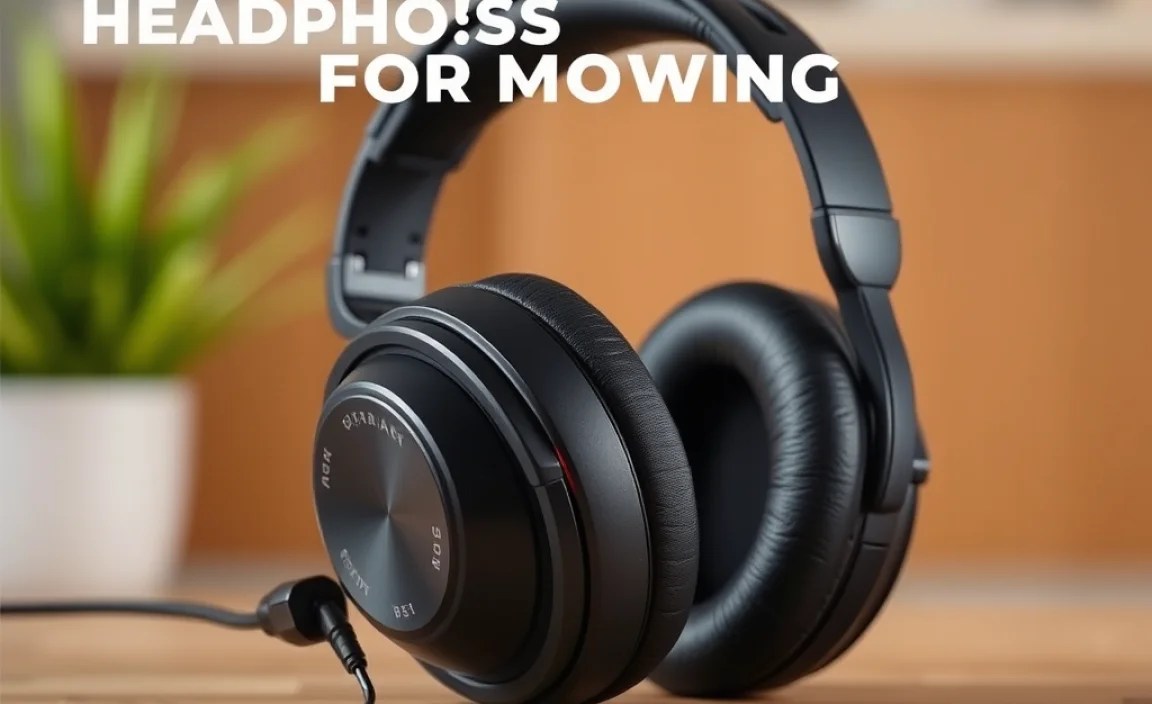
It’s important to distinguish between two types of noise reduction:
1. Passive Noise Isolation
This is a physical barrier that blocks sound. Think of earplugs or well-fitting over-ear headphones with thick earcups. They work by simply muffling the sound waves from reaching your ears. While beneficial, passive isolation alone is often insufficient to completely block the persistent drone of a lawnmower.
2. Active Noise Cancellation (ANC)
This is an electronic process. Microphones on the headphone’s exterior detect ambient noise. An internal chip then generates an “anti-noise” sound wave that is the inverse of the incoming noise. When these two waves meet, they cancel each other out, significantly reducing the perceived noise. ANC is especially effective against constant low-frequency sounds, making it ideal for dealing with engine noise.
For mowing, a combination of good passive isolation and strong ANC is what you’re aiming for. Over-ear headphones with plush earcups provide excellent passive isolation, while their internal ANC technology tackles the engine’s rumble.
Top Features for Mowing Headphones: A Deeper Dive

Let’s explore some of these features in more detail to help you make an informed decision.
Noise Cancellation Performance
When it comes to mowing, the engine’s low-frequency hum is the main culprit. Headphones with strong ANC specifically designed to counter these frequencies will make the biggest difference. Look for headphones that are advertised as having “industry-leading ANC” or are specifically praised for their ability to block out consistent, droning sounds in reviews. Some manufacturers even offer different ANC modes, but for mowing, you’ll likely want the most powerful setting engaged.
Comfort and Ergonomics
You don’t want to be fiddling with uncomfortable headphones while you’re trying to focus on mowing. Over-ear designs, also known as circumaural headphones, are generally the best for extended wear. They surround the ear, providing a good seal for passive isolation and often feature ample padding on the earcups and headband. Check for:
- Plush Earcups: Soft, breathable materials like memory foam can prevent discomfort and ear fatigue.
- Adjustable Headband: Ensures a snug fit without being too tight.
- Lightweight Design: Less strain on your head and neck during longer mowing sessions.
Durability and Weather Resistance
The great outdoors can be tough on electronics. Dust, sweat, and humidity are common adversaries. Look for headphones with at least an IPX4 rating, which means they are resistant to splashes of water from any direction. Some higher ratings offer greater protection, but IPX4 is a good baseline for yard work. Sturdy build materials, like robust plastics and metal reinforcements, will also contribute to longevity.
Battery Life and Charging
A dead battery mid-mow is frustrating. Consider your typical mowing time and choose headphones that offer ample playtime per charge. Many modern ANC headphones offer 20-30 hours or more, which should be more than enough for most weekly mowing tasks. Fast charging capabilities can also be a lifesaver if you forget to charge them overnight.
Audio Quality (for your music/podcasts)
While noise cancellation is the priority for hearing protection, good audio quality is what makes the experience enjoyable. Balanced sound with clear highs and mids, and a satisfying bass, will make your music sound great. However, don’t sacrifice ANC effectiveness for marginally better audio if your primary goal is hearing safety.
Safety Features: Transparency Mode
This is a crucial consideration. While you want to block out the mower, you still need to be aware of your surroundings for safety. Transparency mode (sometimes called ambient sound or aware mode) uses the external microphones to pick up and amplify ambient sounds, allowing you to hear what’s going on around you without taking the headphones off. This is invaluable for hearing approaching vehicles, unexpected noises, or even pets in the yard.
Step-by-Step Guide to Choosing Your Mowing Headphones

Ready to find your perfect pair? Follow these steps:
- Assess Your Needs: How often do you mow? How loud is your mower? Do you listen to music loud enough to warrant worrying about how well your headphones can block noise? Answering these will help you prioritize features.
- Prioritize ANC: For mowing, ANC is non-negotiable. Read reviews specifically mentioning ANC performance in noisy, low-frequency environments.
- Consider Over-Ear vs. In-Ear: Over-ear headphones typically offer superior comfort, passive isolation, and ANC. In-ear models (earbuds) can be more convenient and sweat-resistant but might not provide the same level of noise blocking for a mower.
- Check Durability and IPX Rating: Look for IPX4 or higher for sweat and splash resistance. Sturdy materials are also important.
- Review Comfort and Fit: If possible, try them on. Look for plush padding, adjustable headbands, and a lightweight design.
- Evaluate Battery Life: Ensure they last at least as long as your typical mowing session, with a bit of buffer.
- Don’t Forget Safety: Does the headphone offer a Transparency/Ambient mode? This is highly recommended for yard work.
- Read User Reviews: See what other people say about using these headphones in similar noisy environments.
- Compare Prices and Features: Set a budget and find the best features within that range.
Recommended Types of Noise-Cancelling Headphones for Mowing
While specific models change, certain categories tend to perform best:
Over-Ear ANC Headphones
These are generally the top choice for mowing. They offer the best combination of comfort, passive noise isolation, and powerful active noise cancellation. The large earcups create a seal around your ears, and the cushioned padding makes them suitable for long periods of wear. Their larger size also allows for bigger batteries and more advanced ANC technology.
Rugged/Work-Focused ANC Headphones
Some manufacturers create headphones specifically for industrial or outdoor use. These often boast enhanced durability, higher IP ratings, and sometimes even features like built-in communication systems. While less common for casual lawn mowing, they are an excellent option if you subject your gear to very harsh conditions.
Premium ANC Earbuds (with caveats)
High-end ANC earbuds can offer impressive noise cancellation for their size. However, achieving a perfect seal with earbuds can be tricky, and they may not block out low-frequency engine noise as effectively as over-ear models. They are also more prone to being dislodged by sweat or movement. If you prefer earbuds, look for models with multiple ear tip sizes and excellent ANC performance specifically noted for low-frequency sounds.
Understanding Decibels and Hearing Protection
It’s worth reiterating the importance of decibels (dB) in understanding hearing safety. The louder the sound, the shorter the time it takes to cause damage. For context:
A quiet library is around 40 dB. Normal conversation is about 60 dB. Heavy city traffic can reach 85 dB. A motorcycle is around 95 dB. A rock concert can easily exceed 110 dB. Lawn mowers fall into the 90-105 dB range.
According to the National Institute on Deafness and Other Communication Disorders (NIDCD), hearing can be damaged in as little as 15 minutes when exposed to sounds at 100 dB. When sounds reach 110 dB, damage can occur in less than 5 minutes. This is why effectively reducing the noise from your mower is so critical.
OSHA provides further guidance on permissible noise exposures:
| Sound Level (dB) | Maximum Exposure Time |
|---|---|
| 85 dB | 8 hours |
| 88 dB | 4 hours |
| 91 dB | 2 hours |
| 94 dB | 1.5 hours |
| 97 dB | 1 hour |
| 100 dB | 30 minutes |
| 103 dB | 15 minutes |
| 106 dB | 7.5 minutes |
| 109 dB | 3.75 minutes |
| 112 dB | < 2 minutes |
| 120 dB | Instantaneous damage possible |
As you can see, even a relatively short mowing session at 90-105 dB without protection can contribute to cumulative hearing loss. Noise-cancelling headphones are a vital tool in preventing this.
Considerations for Specific Mower Types
The type of mower you use can influence the noise level and frequency:
- Gas-Powered Rotary Mowers: These are typically the loudest and produce a broad range of frequencies, with a strong emphasis on low-frequency hum. This is where ANC shines brightest.
- Ride-On Mowers: Larger engines mean more noise. The enclosed nature of some rider mowers can also amplify cabin noise. High-quality ANC is essential.
- Electric Mowers: While generally quieter than gas models, electric mowers can still produce significant noise, often at higher frequencies. They may not require the absolute strongest ANC, but protection is still advisable.
- Robotic Mowers: These are the quietest, but even their operating noise, if constant, can be fatiguing.
Regardless of the mower type, if you can hear it clearly over your own music or if it’s causing you to raise your voice to speak, it’s loud enough to warrant hearing protection.
Best Practices for Using Headphones While Mowing
Here are some tips to ensure you use your noise-cancelling headphones safely and effectively:
- Always Turn on ANC: Make sure your noise-cancelling feature is activated to get the maximum benefit.
- Use Transparency Mode Wisely: Engage transparency mode periodically, especially when moving near obstacles, people, or pets, or when you need to hear gate latches or other auditory cues.
- Don’t Crank the Volume: The point of ANC is to lower the perceived environmental noise so you can listen at safer, lower volumes. Avoid the temptation to turn your music up to compensate for any residual noise.
- Ensure a Good Seal: For over-ear headphones, make sure the earcups are positioned correctly around your ears to create a good passive seal. For earbuds, try different ear tip sizes for the best fit.
- Check Battery Before You Start: A quick battery check can prevent disappointment.
- Keep Them Clean: Wipe down your headphones after use, especially if they’re sweaty, to maintain them.
- Be Aware of Your Surroundings: Even with the best technology, no headphones can replace situational awareness. Keep an eye and ear out for anything unusual.
Frequently Asked Questions (FAQ)
Q1: Can regular headphones protect my hearing while mowing?
Regular headphones offer some passive noise isolation, which can help a little. However, they are generally not sufficient to block out the intense, low-frequency noise of a lawnmower effectively. Active Noise Cancellation (ANC) technology is much more effective for this purpose.
Q2: Are earbuds as good as over-ear headphones for mowing?
Over-ear headphones typically provide better overall noise isolation and ANC performance due to their larger size and ability to create a more robust seal around the ear. While some high-end earbuds offer good ANC, they might not be as effective against the specific low-frequency rumble of a mower as well-fitting over-ear models.
Q3: How important is an IPX rating for mowing headphones?
An IPX rating signifies resistance to water and sweat. For mowing, which can be a sweaty activity, an IPX4 rating (splash-proof) is highly recommended. Higher ratings offer even more protection against moisture.
Q4: Can I still hear important sounds with ANC headphones on?
Many ANC headphones feature a “transparency mode” or “ambient sound mode.” This mode uses external microphones to let in ambient sounds, allowing you to hear your surroundings without removing the headphones. It’s a crucial safety feature for tasks like mowing.
Q5: How long should the battery life be for mowing headphones?
Aim for headphones with at least 20-30 hours of playback time with ANC enabled. This should be more than enough for most typical mowing sessions. Fast charging can be a convenient bonus.
Q6: Is it safe to use Bluetooth headphones outdoors?
Yes, Bluetooth headphones are generally safe to use outdoors for mowing. The key safety concern with using any headphones while mowing is maintaining situational awareness. Features like transparency mode help mitigate this risk significantly.
Q7: Will ANC headphones completely silence my lawnmower?
ANC is highly effective at reducing constant, low-frequency noises like mower engines, but it’s unlikely to achieve complete silence. You will still likely hear some higher-frequency sounds or sudden noises. The goal is to reduce the noise to a safe, less fatiguing level.
Conclusion
Maintaining your lawn is a rewarding task, and doing it with the right gear can make all the difference. Protecting your hearing should be a top priority, and the best noise-cancelling headphones for mowing are an excellent tool to achieve this.
