
Quick Summary: Want to escape distractions and immerse yourself in pure sound? The best noise-proof headphones use active noise cancellation (ANC) to silence your surroundings, making them perfect for travel, work, or simply enjoying your audio. This guide helps you understand ANC and choose the right pair for essential, uninterrupted sound.
Best Noise Proof Headphones: Essential Sound for Every Listener

Hey there, it’s Edward Cavitt from Headphone Horizon! Ever wish you could hit a mute button on the world around you? Whether it’s a chatty co-worker, the rumble of an airplane engine, or just the general buzz of city life, distractions are everywhere. But what if you could simply… tune them out? That’s where noise-proof headphones, specifically those with Active Noise Cancellation (ANC), come in. They’re not just about listening to music louder; they’re about creating your own personal oasis of sound, letting you focus, relax, and truly enjoy your audio. Let’s dive into what makes these headphones so special and how to find the perfect pair for you.
What Exactly Are “Noise Proof” Headphones?

The term “noise proof” is a bit of a marketing term. While no headphones can block out 100% of sound, the best ones come pretty close, especially when we talk about our focus today: Active Noise Cancellation (ANC). Unlike passive noise isolation (which relies on a good physical seal, like earplugs), ANC uses technology to actively combat ambient noise. It’s like having a tiny audio engineer inside your headphones constantly working to cancel out unwanted sounds.
Passive Noise Isolation vs. Active Noise Cancellation (ANC)
It’s important to understand the difference:
- Passive Noise Isolation: This is all about the physical design of the headphones. Think over-ear headphones with plush earcups that create a seal around your ears, or in-ear monitors (IEMs) with silicone or foam tips that fit snugly inside your ear canal. They block out sound by physically preventing it from reaching your eardrum. This is great for higher-frequency sounds like voices.
- Active Noise Cancellation (ANC): This is the magic trick. ANC headphones have microphones built into them that listen to the external sounds. Then, they generate an “anti-noise” soundwave that’s the exact opposite of the ambient noise. When these two waves meet your ear, they cancel each other out. This is particularly effective against constant, low-frequency noises like engine hums, air conditioning units, or distant traffic.
Most “noise-proof” headphones you’ll find today utilize a combination of both passive isolation and ANC for the best results.
How Does Active Noise Cancellation (ANC) Work?
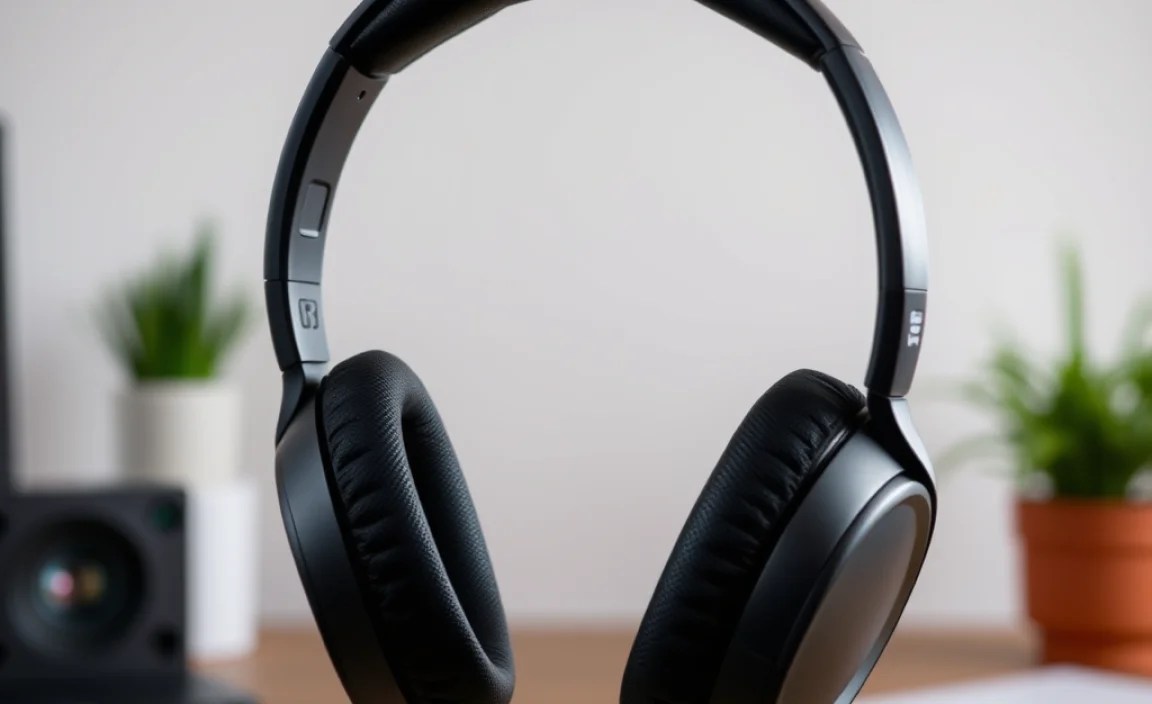
Let’s break down the science behind ANC without getting too technical. Imagine a soundwave as a wiggle. ANC microphones pick up the wiggles from the outside world. Your headphones then create an opposite wiggle – a mirror image – that travels from the headphone speaker towards your ear. When the original outside wiggle and the headphone’s “anti-wiggle” meet, they basically flatten each other out, resulting in silence (or at least, significantly reduced noise).
This process is incredibly fast and happens constantly, adapting to the changing sounds around you. The better the ANC technology and the more precise the microphones and sound processing, the more effective the noise cancellation will be.
Types of ANC Technology
Manufacturers often use different terms for their ANC, but they generally fall into a few categories:
- Feedforward ANC: Microphones are placed on the outside of the earcups. They detect noise before it reaches your ear. This is good at canceling out a wide range of noises but can sometimes struggle with wind noise or suddenly changing sounds.
- Feedback ANC: Microphones are placed inside the earcups, near your ear. They monitor the sound that actually reaches your ear and then adjust the anti-noise accordingly. This is very effective at canceling out specific noise frequencies but can sometimes be less effective against a broad range of sounds.
- Hybrid ANC: This is the most common and effective type found in premium headphones. It uses both feedforward and feedback microphones, combining the strengths of both approaches for superior noise cancellation across most environments.
Why Invest in Noise Proof Headphones? The Benefits

Beyond just enjoying your music in peace, noise-proof headphones offer a host of benefits:
- Enhanced Focus: Whether you’re studying for an exam, working on an important project, or trying to read on a busy train, ANC can create a distraction-free zone, allowing for deeper concentration.
- Improved Travel Experience: Airplane cabins, train compartments, and bus interiors are notorious for constant droning noises. ANC headphones can transform these journeys from stressful ordeals into relaxing hauls.
- Better Sleep: For light sleepers or those traveling, ANC can significantly reduce disruptive sounds, leading to more restful sleep.
- Reduced Listening Fatigue: In noisy environments, you might be tempted to crank up the volume on your headphones to drown out external sound. ANC allows you to listen at safe, comfortable volume levels while still hearing your audio clearly.
- Stress Reduction: Constant exposure to noise pollution can be stressful. Creating a quiet personal space can have a calming effect.
According to the U.S. Environmental Protection Agency, noise pollution can have detrimental effects on health, including sleep disturbance and increased stress. Modern ANC technology offers a personal solution to mitigate these impacts.
Choosing the Best Noise Proof Headphones: Key Features to Consider

With so many options, how do you pick the right pair? Here’s a breakdown of what to look for:
1. Active Noise Cancellation (ANC) Performance
This is your primary concern. Look for reviews that specifically test ANC in various environments. Some headphones are better at canceling low-frequency hums, while others handle mid-frequency chatter more effectively. Hybrid ANC systems are generally the most effective.
2. Sound Quality
Don’t sacrifice audio fidelity for silence! Even with the best ANC, the sound you hear should be clear, balanced, and enjoyable. Consider the type of music you listen to; some headphones excel with bass, others with crisp highs.
3. Comfort and Fit
You’ll be wearing these for extended periods, so comfort is paramount. Over-ear headphones should have plush, breathable earcups and an adjustable headband. In-ear models should come with multiple ear tip sizes to ensure a secure and comfortable seal.
4. Battery Life
ANC requires power. Check the estimated battery life with ANC turned on. For long flights or workdays, you’ll want headphones that can last at least 20-30 hours. Many also offer quick charging, which can be a lifesaver.
5. Durability and Build Quality
Headphones take a beating. Look for sturdy materials, reliable hinges (if applicable), and a build that feels solid and capable of withstanding daily use.
6. Connectivity
Most modern ANC headphones use Bluetooth. Consider the Bluetooth version (newer versions offer better stability and efficiency) and whether they support multi-point pairing (connecting to two devices at once, like your phone and laptop).
7. Special Features
Many headphones offer bonus features:
- Transparency Mode / Ambient Sound: Allows you to hear your surroundings without taking off your headphones, essential for announcements or quick conversations.
- App Support: Manufacturer apps often allow you to customize ANC levels, EQ settings, and button controls.
- Voice Assistant Integration: Quick access to Siri, Google Assistant, or Alexa.
- Wear Detection: Automatically pauses music when you take them off.
Top Types of Noise Proof Headphones
While specific models change rapidly, the categories of headphones offering excellent ANC remain consistent:
Over-Ear Headphones
These are generally the kings of ANC. Their larger earcups provide excellent passive isolation, and the space allows for more robust ANC technology and larger batteries. They offer premium comfort for long listening sessions.
Pros:
- Superior ANC performance
- Excellent sound quality
- Most comfortable for long wear
- Often have longer battery life
Cons:
- Bulky and less portable
- Can get warm during extended use
- Tend to be the most expensive
On-Ear Headphones
These sit directly on your ears. While they offer some passive noise isolation, the ANC performance can be hit-or-miss compared to over-ear models. They are more compact but can be less comfortable for some.
Pros:
- More portable than over-ear
- Can offer a good balance of features
Cons:
- Less effective passive isolation
- Can cause ear fatigue for some
- ANC performance may be weaker than over-ear
True Wireless Earbuds (with ANC)
These compact earbuds have come a long way, with many offering surprisingly effective ANC. They are incredibly portable and convenient for everyday use and workouts. However, their tiny size limits battery capacity and the sophistication of ANC compared to their over-ear counterparts.
Pros:
- Extremely portable and discreet
- Ideal for workouts and travel
- Hassle-free, no wires
Cons:
- ANC performance can be less potent than over-ear
- Battery life per charge is shorter (though charging cases help)
- Smaller drivers may mean less impressive overall sound
- Easier to lose
A Quick Look at Leading Brands and Models (Examples for Guidance)
While I won’t recommend specific models as they evolve, here are some brands consistently recognized for their top-tier noise-canceling headphones. Always check current reviews for the latest iterations!
| Brand | Typical ANC Strengths | Typical Sound Profile | Consider For |
|---|---|---|---|
| Sony | Industry-leading ANC, especially for low-frequency hums. Excellent adaptive ANC. | Rich, detailed sound, often with a warm, engaging bass response. Highly customizable EQ via app. | Travelers, frequent flyers, those prioritizing pure silence. |
| Bose | Renowned for smooth, consistent ANC across various noise types. Very natural-sounding isolation. | Balanced, clear, and often described as “easy listening.” Pleasant for extended periods. | Commuters, office workers, anyone seeking peaceful audio. |
| Apple (AirPods Pro/Max) | Seamless integration within the Apple ecosystem. Very effective ANC, particularly on AirPods Pro. | Clean, bright, and detailed sound, with spatial audio features adding immersion. | Apple device users, those valuing ease of use and ecosystem integration. |
| Sennheiser | Excellent audio quality often takes center stage, with ANC being a strong secondary feature. | Neutral, accurate, and audiophile-friendly sound. | Audiophiles, music lovers who also want effective ANC. |
| Sennheiser/Bowers & Wilkins/Bang & Olufsen | Premium brands that often blend exquisite design with powerful ANC and superior audio fidelity. | Often tuned for a sophisticated, high-end listening experience. | Those seeking luxury, design, and top-tier performance. |
This table is a general guide. Always check detailed reviews for the specific model you’re considering.
Setting Up and Using Your Noise Proof Headphones
Once you have your new headphones, here’s how to get the most out of them:
Step 1: Charge Them Up
Before your first use, ensure they are fully charged. Most headphones come with a USB-C cable for charging. Some might include an AC adapter, while others assume you’ll use your existing one or a computer’s USB port.
Step 2: Pair with Your Device
- Turn on your headphones and put them into pairing mode. This usually involves holding down the power button for a few seconds until an indicator light flashes or you hear an audio cue. Check your headphone’s manual for specifics.
- On your phone, tablet, or computer, go to Bluetooth settings.
- Select your headphones from the list of available devices.
- Once paired, they should automatically connect whenever you turn them on and Bluetooth is enabled on your device.
Step 3: Achieve the Best Fit
- For Over-Ear/On-Ear: Adjust the headband so the earcups sit snugly and comfortably around or on your ears. Ensure there are no gaps that would let in significant outside noise.
- For In-Ear: Experiment with the different sizes of ear tips provided. You want a tip that creates a good seal within your ear canal without feeling painful or like it might fall out. A good seal is crucial for both passive isolation and effective ANC.
Step 4: Activate and Adjust ANC
Most ANC headphones have a dedicated button or a setting within their companion app to turn ANC on and off. Experiment with ANC on and off in a noisy environment to truly appreciate its effect. Some headphones offer adjustable ANC levels or an “Awareness” or “Transparency” mode, which lets in external sound.
A Department of Labor resource highlights the importance of environmental control in workplaces, and for individuals, ANC offers a personal way to manage such environmental factors.
Step 5: Explore Companion Apps
If your headphones have a mobile app, download it! These apps often unlock the full potential of your headphones. You can usually:
- Adjust ANC strength.
- Customize equalizer settings to tailor the sound to your preference.
- Update firmware for improved performance and new features.
- Remap physical buttons.
- Manage multi-device connections.
Maintaining Your Noise Proof Headphones
To keep your investment sounding and working great, follow these simple maintenance tips:
Cleaning the Earcups and Headband
Regularly wipe down the earcups and headband with a soft, dry or slightly damp cloth. For stubborn dirt, use a mild soap solution, but always ensure the cloth is only damp, not wet, to prevent moisture from seeping into the internal components.
Cleaning Ear Tips (for In-Ear Models)
Silicone and foam ear tips should be cleaned regularly, especially if you use them during exercise. Remove them from the earbuds, wash them with mild soap and water, rinse thoroughly, and let them air dry completely before reattaching.
Storing Your Headphones
When not in use, store your headphones in their provided carrying case if available. This protects them from dust, scratches, and potential damage during transport. Avoid storing them in extreme temperatures.
Handling with Care
Avoid dropping your headphones, yanking on the cables (if wired or for charging), or subjecting them to excessive force. Treat them as the delicate electronic devices they are.
Frequently Asked Questions (FAQ)
Q1: Can I use my noise-canceling headphones with the ANC turned off?
Absolutely! Most ANC headphones can be used in “passive mode” with ANC disabled. This will still provide some level of noise isolation based on their physical design, and it will also conserve battery life.
Q2: Are noise-canceling headphones safe to use for long periods?
Yes, when used at moderate listening volumes, they are safe. In fact, ANC can be safer than traditional headphones in noisy environments because it allows you to listen at lower volumes without sacrificing clarity, reducing the risk of hearing damage. Always follow safe listening guidelines.
Q3: Will ANC block out my own voice when I talk?
ANC is most effective against consistent, external noises. While it can reduce the perception of your own voice, it won’t completely eliminate it. Some headphones have features that intentionally allow your voice through (like transparency mode) when you speak.
Q4: Can I use noise-canceling headphones on an airplane?
Yes, they are fantastic for air travel! They are highly effective at reducing the constant engine hum and cabin noise, making flights much more comfortable. Some airlines even have specific cabin audio systems that work well with ANC headphones.
Q5: Do noise-canceling headphones work for all types of noise?
ANC is best at reducing consistent, low-frequency sounds like engine noise, air conditioning hums, and the general drone of traffic. They are less effective at blocking out sudden, sharp noises (like a door slamming) or irregular, higher-frequency sounds (like a baby crying), although passive isolation helps with these.
