
Quick Summary: Discover the best noise reduction headphones designed to silence distractions and promote deep, restful sleep. This guide helps you choose the ideal pair for a more peaceful night, whether you’re dealing with snoring partners, traffic noise, or a restless environment. Find your perfect sleep companion.
Best Noise Reduction Headphones: Sleep Soundly

Tossing and turning, unable to find that peaceful slumber? The culprit might be noise. From a partner’s gentle snores to the distant hum of traffic, unwanted sounds can be the biggest enemy of a good night’s sleep. But what if there was a way to create your own private sanctuary of silence, right in your own bedroom? That’s where noise reduction headphones come in. These aren’t just for commuters or office workers; they’re a game-changer for anyone struggling to drift off. In this guide, we’ll explore how to find the best noise reduction headphones specifically for sleeping, helping you finally achieve the deep, restorative sleep you deserve. Let’s dive in and reclaim your nights!
Why Noise Reduction Headphones are a Sleep Game-Changer

For many of us, sleep isn’t just about comfort; it’s about combating the invisible invaders of our peace: noise. Even subtle sounds can prevent our brains from entering the deeper stages of sleep, leaving us feeling groggy and unrested. Noise reduction headphones create a barrier against these disruptions. They work in a couple of ways: some use passive noise isolation, essentially padding your ears to block out sound, while others employ active noise cancellation (ANC) technology. ANC uses microphones to detect ambient noise and then generates an opposing sound wave to cancel it out.
For sleeping, this means turning a noisy world into a quiet haven, allowing your mind to relax and your body to recover. According to the National Sleep Foundation, consistent exposure to noise during sleep can lead to fragmented sleep patterns, reduced sleep quality, and daytime fatigue. By mitigating these auditory disturbances, noise reduction headphones can be a powerful tool in improving sleep hygiene and overall well-being.
Understanding Noise Reduction Technologies for Sleep
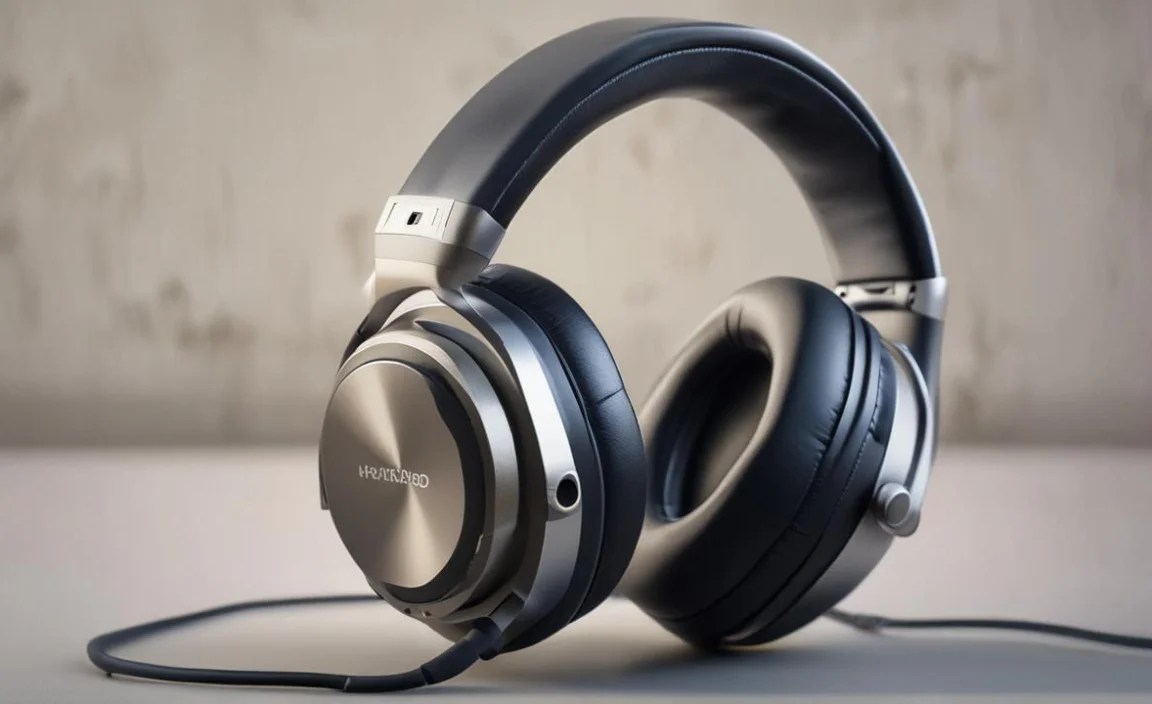
When we talk about noise reduction for sleeping, two main technologies come into play:
- Passive Noise Isolation (Isolation): This is the most straightforward approach. It relies on the physical design of the headphones to create a seal around your ears, blocking out external sounds. Think of it like earplugs, but more comfortable and often with better sound-blocking capabilities. Materials like plush memory foam and a snug fit are key here.
- Active Noise Cancellation (ANC): This technology goes a step further. It uses tiny microphones on the outside of the headphones to “listen” to the ambient noise around you. Then, a chip inside the headphones creates an “anti-noise” sound wave that’s the opposite of the incoming noise. When these two waves meet, they cancel each other out, effectively silencing the disruptive sound. ANC is particularly good at blocking out constant, low-frequency noises like airplane engines, air conditioners, or general background hum.
For sleeping, the effectiveness of each technology can vary. Passive isolation is great for blocking a wider range of sounds, especially sudden noises like a door slamming. ANC excels at eliminating persistent, droning sounds that can be particularly bothersome during the night. Some headphones combine both technologies for maximum effect.
Key Features to Look for in Sleep Headphones

Not all noise reduction headphones are created equal, especially when your primary goal is a good night’s sleep. Here are the features you should prioritize:
Comfort is King
This is arguably the most important factor. You’ll be wearing these for hours, often while shifting positions.:
- Soft, Breathable Materials: Look for earcups made of memory foam or soft, breathable fabrics like velour or silk. Avoid anything that feels stiff or causes irritation.
- Lightweight Design: Heavy headphones can become uncomfortable a few hours into sleep, pressing on your head or ears. Opt for lightweight models.
- Low Clamping Force: The headphones shouldn’t squeeze your head too tightly. While some clamping force is needed for a good seal, it should be gentle enough for prolonged wear.
- Over-Ear vs. In-Ear:
- Over-ear (Circumaural): These completely enclose your ears. They often offer superior noise isolation and comfort for some, but can be bulky and get warm.
- In-ear (Earbuds): These fit inside your ear canal. They are generally smaller and less noticeable, but comfort can be highly personal, and the seal is crucial for noise reduction. Specialized sleep earbuds are designed with very low profiles.
Effective Noise Reduction
Consider your specific noise challenges:
- ANC Strength: If constant low-frequency noise (like HVAC systems) is your nemesis, strong ANC is crucial. Look for headphones with adaptive ANC that adjusts to your surroundings.
- Passive Isolation Quality: For unpredictable noises or if ANC feels too “pressurized,” excellent passive isolation is key. This depends heavily on the earcups’ material and the headband’s fit.
- Adjustable Levels: Some ANC headphones allow you to adjust the intensity, which can be helpful if complete silence is too disorienting.
Battery Life and Charging
You don’t want your headphones dying mid-slumber.
- Long Battery Life: Aim for at least 10-12 hours of continuous use on a single charge to get you through the night.
- Fast Charging: A quick top-up in the morning can be a lifesaver if you forget to charge them overnight.
- Wired Option: Some models offer a wired connection, which can be reassuring if you’re worried about battery life.
Sound Quality (for Sleep Sounds or Music)
While silence is golden, you might want to use your headphones for sleep sounds, white noise, or ambient music.
- Balanced Audio: Look for headphones that offer clear, balanced sound if you plan to use them with audio.
- App Integration: Some brands offer companion apps that let you customize EQ settings or create sleep sound playlists.
Additional Sleep-Focused Features
- Low-Profile Design: Especially important for side sleepers. Slim earbuds or headphones with minimal protrusions are essential.
- Soft Headband: For over-ear models, a padded and adjustable headband prevents pressure points.
- No Audible Beeps or Prompts: Some headphones announce power status or connection changes with loud beeps that can be disruptive.
- Smart Features (Optional): Some advanced models might include sleep tracking or gentle wake-up alarms.
Top Noise Reduction Headphones for Sleeping Categories

Finding the “best” is subjective and depends on your personal needs and sleeping habits. However, we can categorize some excellent options based on their strengths:
Best Overall for Sleep: Bose QuietComfort Ultra Headphones
While not explicitly marketed for sleep, Bose’s renowned ANC and exceptionally comfortable design make these a top contender. The plush earcups and lightweight build allow for comfortable extended wear, and their industry-leading noise cancellation effectively silences most ambient distractions. They excel at blocking low-frequency drones, perfect for noisy environments. The ability to customize ANC levels is also a huge plus.
Pros:
- Industry-leading Active Noise Cancellation.
- Supreme comfort for extended wear.
- Premium build quality and materials.
- Customizable ANC levels.
- Excellent sound quality for any audio.
Cons:
- Higher price point.
- Can be a bit bulky for some side sleepers.
- ANC might be too intense for those sensitive to pressure sensations.
Best Lightweight & Comfortable: Bose Sleepbuds II
These tiny earbuds are meticulously designed for sleep. Unlike traditional earbuds, they don’t play music; they play soothing sounds (binaural beats, nature sounds, etc.) from an app provided by Bose. They are incredibly small, soft, and designed to stay put all night without protruding. Their primary function is noise masking and blocking out snoring or other disruptive sounds through a combination of a good seal and their unique soundscapes.
Pros:
- Extremely small and lightweight – ideal for all sleeping positions.
- Designed specifically for sleep comfort.
- Masks noise effectively with proprietary soundscapes.
- Stay securely in place all night.
- No traditional Bluetooth audio distractions.
Cons:
- Limited to Bose’s sound library (no custom music/podcasts).
- Expensive for a device that doesn’t play your own audio.
- Relies on an app, which might be a drawback for some.
Best Budget Noise-Cancelling: Wyze Noise-Cancelling Headphones
For those on a tighter budget, the Wyze headphones offer surprisingly effective ANC and good comfort for their price. They are over-ear headphones with decent padding and a lightweight feel, making them a viable option for many. While their ANC might not match the top-tier brands, they significantly reduce background noise, offering a substantial improvement for less investment.
Pros:
- Excellent value for money.
- Decent active noise cancellation for the price.
- Comfortable over-ear design.
- Long battery life.
Cons:
- ANC is not as powerful as premium models.
- Slightly less premium build quality.
- Can get warm during sleep for some users.
Best Sleep Headband Headphones: Kokoon Nightbuds / Oldy (Check for current models)
Headband headphones are a great compromise for comfort and noise reduction. These typically feature flat, integrated earbuds within a soft fabric headband. They distribute pressure evenly, avoiding ear fatigue and are excellent for side sleepers. The focus is often on comfort and sound masking, with some offering basic ANC. While Kokoon has evolved, looking for similar low-profile, fabric-based sleep headbands is a good strategy.
Pros:
- Extremely comfortable for side sleepers.
- Even pressure distribution, no ear fatigue.
- Soft, breathable fabric.
- Can sometimes include integrated sleep tracking or sleep sounds.
Cons:
- Noise isolation/cancellation may be less effective than dedicated ANC headphones/earbuds.
- Can be warmer than earbuds.
- Limited audio customization.
Best for Side Sleepers (if not earbuds): Shure AONIC 215 (with Comply Foam Tips)
While the Shure AONIC 215 are studio monitors by nature, when paired with the right ear tips (like Comply’s memory foam tips designed for isolation), they become excellent noise-blocking earbuds. The earbuds themselves are compact, and the wire can be managed with a clip. The key is the seal created by high-quality foam tips, which provides significant passive noise isolation. They are not actively noise-cancelling, but the isolation is top-notch. Ensure you get the wired version with long battery life if you opt for wireless charging while sleeping.
Pros:
- Exceptional passive noise isolation with foam tips.
- Compact and comfortable for side sleepers once fitted.
- Durable build.
- Great sound quality if you want to listen to audio.
Cons:
- No Active Noise Cancellation.
- Requires purchasing foam tips separately for optimal sleep performance.
- Wire management can be a minor hassle.
Choosing the Right Fit for Your Sleeping Style

Your sleeping position significantly impacts headphone choice:
- Back Sleepers: You have the most flexibility. You can often comfortable wear over-ear headphones or earbuds. Focus on overall comfort and ANC effectiveness.
- Side Sleepers: Prioritize low-profile designs. Earbuds (especially those designed for sleep like Bose Sleepbuds or those with soft tips) or very slim on-ear headphones with flat earpads are best. Over-ear headphones with deep earcups can work if they have a loose clamping force, but they can be bulky.
- Stomach Sleepers: Similar to side sleepers, ultra-low profile is key. Many stomach sleepers find any form of headphone uncomfortable and might prefer earplugs or specialized sleep masks with integrated audio.
Setup and Usage for Optimal Sleep
Once you’ve chosen your headphones, setting them up correctly is crucial for a peaceful night.
- Charge Fully: Always start with a full charge. Check the battery life claimed by the manufacturer and ensure it exceeds your typical sleep duration.
- Test the Fit: Wear the headphones for at least 30 minutes while relaxing before bed to ensure they are comfortable and don’t cause pressure points. Adjust straps, earpads, or ear tip sizes as needed.
- Select Your Noise Reduction Mode:
- ANC: If using ANC, start with a moderate level. If it feels too “heavy” or creates a sense of pressure, try a lower setting or switch to passive isolation if available.
- Passive Isolation: Ensure a good seal. For earbuds, try different ear tip sizes and materials (silicone vs. foam) until you find one that blocks out ambient noise effectively without discomfort.
- Consider Sleep Sounds (Optional): If your headphones support playing sleep sounds or white noise, experiment with different tracks. Apps like Calm, Headspace, or even built-in options can provide a consistent soundscape to mask sudden noises. Ensure the volume is low enough not to be distracting.
- Minimize Distractions: Turn off any audible notifications or voice prompts from the headphones if possible. You don’t want a “low battery” announcement jolting you awake.
- Establish a Routine: Make wearing your sleep headphones a consistent part of your bedtime routine. This helps your brain associate them with relaxation and sleep.
- Cleanliness: Regularly clean your headphones, especially earbuds, to prevent earwax buildup and maintain hygiene.
Maintenance and Care for Longevity
To ensure your noise reduction headphones keep working effectively and comfortably for a long time, regular maintenance is essential.
Cleaning Your Headphones
The method depends on the type of headphone:
- Over-Ear Headphones:
- Earcups: Gently wipe the earcups with a slightly damp microfiber cloth. If they are removable, you can often clean them more thoroughly with mild soap and water, but ensure they are completely dry before reattaching. Check the manufacturer’s instructions, as some materials (like protein leather) can be damaged by harsh cleaning.
- Headband: Wipe with a dry or slightly damp cloth.
- Exterior: Use a dry microfiber cloth for the plastic or metal parts.
- In-Ear Headphones (Earbuds):
- Ear Tips: This is the most critical part to clean. If you use silicone tips, remove them and wash them with warm water and mild soap. Rinse thoroughly and let them air dry completely. If you use foam tips, they are generally not washable and should be replaced periodically as they degrade or accumulate earwax. Many brands offer replacement tips.
- Earbud Housings: Use a dry cotton swab or a soft brush to gently clean any crevices. A slightly damp cloth can be used for tougher grime, but avoid getting moisture into any openings.
- Charging Case Contacts: Ensure the charging contacts in the case are clean and free of debris. Use a dry cotton swab to gently clean them.
Battery Care
Most modern headphones use rechargeable lithium-ion batteries:
- Avoid Extreme Temperatures: Store and charge your headphones at room temperature. Extreme heat or cold can degrade battery life.
- Don’t Overcharge Consistently: While modern batteries have protection, it’s generally best practice not to leave devices plugged in indefinitely after they’ve reached 100% charge, although this is less of an issue than it used to be.
- Regular Use: Batteries generally hold their charge better when used somewhat regularly rather than being left discharged for very long periods.
Storage
Proper storage prevents damage:
- Use a Case: If your headphones came with a protective case, use it! This prevents scratches and damage, especially when traveling.
- Avoid Tangling: If using wired headphones or earbuds, gently coil the cable instead of wrapping it tightly around the device.
- Dry Environment: Store your headphones in a dry place, away from humidity.
Firmware Updates
Manufacturers often release firmware updates that can improve noise cancellation performance, battery management, or add new features. Regularly check the companion app or manufacturer’s website for updates.
