
On-ear headphones offer a perfect balance between portability and sound quality, making them a popular choice for music enthusiasts and professionals alike. This comprehensive guide explores their benefits, features, and how to choose the best pair for your needs.
On-ear headphones, also known as supra-aural headphones, sit on top of your ears rather than around them. They offer a middle ground between bulky over-ear headphones and portable in-ear buds. Choosing the best on-ear headphones can significantly enhance your listening experience. In this guide, we’ll explore the top features, benefits, and considerations to keep in mind when purchasing these headphones.
Key Takeaways
- Comfort: On-ear headphones are designed to be lightweight and comfortable for extended wear.
- Portability: Its compact design makes it ideal for travel and daily commutes.
- Sound Quality: Balances bass, mids, and treble for a versatile listening experience.
- Active Noise Cancellation: Advanced models offer noise reduction technology.
- Cost-Effectiveness: Often less expensive than over-ear headphones while still providing quality sound.
What is best on the ear headphones?

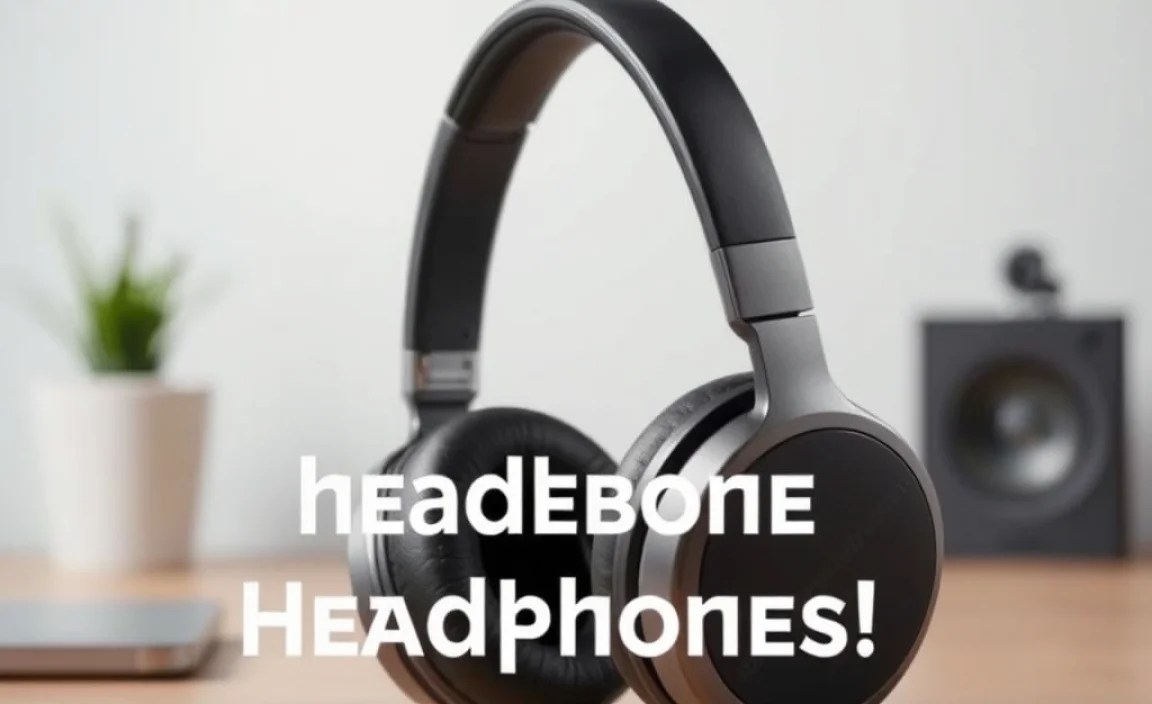
On-ear headphones are a popular style of headphones that rest on the ear rather than in-ear or over-ear designs. They are known for their lightweight and portable nature, making them a convenient option for music lovers on the go. These headphones provide a balance of sound quality and comfort, making them a favorite among commuters and casual listeners.
Features of the Best On-Ear Headphones
- Sound Quality: High-quality drivers for clear audio.
- Comfortable Fit: Soft ear cushions that rest gently on your ears.
- Durability: Robust construction materials for long-lasting use.
- Foldable Design: Easy to pack and carry during travels.
- Connectivity: Options for both wired and wireless connections.
Choosing the best on-ear headphones involves understanding these key features. Prioritizing sound quality and comfort will ensure a satisfying listening experience.
Why best on the ear headphones is Important?

On-ear headphones play a crucial role in delivering high-quality audio in a portable format. Their importance lies in their ability to offer good sound quality without the bulkiness of over-ear models. Whether traveling, working, or relaxing at home, on-ear headphones provide an ideal mix of quality and convenience.
Benefits of On-Ear Headphones
- Versatility: Suitable for various environments, from home to workspaces.
- Enhanced Sound: Provides a balanced audio experience with notable bass.
- Affordability: Generally less expensive than their over-ear counterparts, offering good value.
- Noise Isolation: Some models come with noise-canceling features for better immersion.
- Fashionable Designs: Available in various styles and colors to suit personal tastes.
On-ear headphones provide a perfect blend of comfort, sound quality, and style, making them highly valued among audiophiles and casual listeners alike.
Step-by-Step Guide to best on the ear headphones

Step 1: Determine Your Budget
- Assess: Decide how much you are willing to spend.
- Research: Compare prices among popular brands.
- Plan: Allocate a budget range that fits premium features if needed.
Setting a clear budget helps you narrow down options, ensuring you get the best value for your money.
Step 2: Consider Your Usage
- Identify Environments: Where will you mainly use the headphones?
- Purpose: Is it for casual listening, professional use, or travel?
- Portability: Do you need a foldable and lightweight design?
Understanding your primary usage helps in selecting headphones tailored to your specific needs.
Step 3: Evaluate Sound Quality
- Test: Listen to audio samples if possible.
- Check Specifications: Look for frequency range and driver size.
- Read Reviews: Consult user feedback on sound performance.
Sound quality is paramount; ensure your choice offers a clear and balanced audio experience.
Step 4: Check for Comfort and Fit
- Ear Cushions: Inspect material and padding density.
- Headband Adjustability: Ensure it fits well and is not too tight or loose.
- Weight: Lighter models are often more comfortable for long durations.
Comfort is key for prolonged use. A good fit enhances the overall audio experience.
Alternative Methods / Tools

In-Ear Headphones
- Compact: Extremely portable and easy to carry.
- Noise Isolation: Provides good passive noise isolation.
- Use Cases: Ideal for workouts and on-the-go listening.
In-ear headphones offer a highly portable alternative with effective noise isolation, suitable for active lifestyles.
Over-Ear Headphones
- Comfort: Larger ear cups provide excellent comfort.
- Sound Quality: Often delivers superior audio performance.
- Noise Cancellation: Excellent for immersive listening experiences.
Over-ear headphones are an excellent choice for those prioritizing sound quality and comfort over portability.
Troubleshooting Common Issues
Issue: Poor Sound Quality
- Check Connection: Ensure the headphone jack or Bluetooth connection is secure.
- Inspect Drivers: Look for dust or debris affecting sound output.
- Test on Another Device: Rule out device-specific issues.
Ensure connections are secure and test on different devices to troubleshoot sound quality issues effectively.
Issue: Uncomfortable Fit
- Adjust Headband: Make sure the headband is properly adjusted.
- Replace Cushions: Consider swapping out worn ear cushions for new ones.
- Break-in Period: Allow time for the headphones to adjust to your head shape.
Adjusting the fit and allowing for a break-in period can significantly improve comfort.
Advanced Techniques
Optimizing Sound Settings
- Equalizer Adjustments: Customize audio settings on your device.
- Firmware Updates: Ensure headphones are running the latest firmware for improved performance.
By tweaking sound settings and keeping firmware updated, you can maximize the audio performance of your on-ear headphones.
Prevention & Maintenance Tips
- Regular Cleaning: Wipe headphones with a soft, dry cloth to prevent dust buildup.
- Storage: Use a protective case to prevent physical damage when not in use.
- Avoid Moisture: Keep headphones away from water to prevent electrical damage.
Following these maintenance tips will extend the lifespan and performance of your on-ear headphones.
Real-Life Examples
John, a commuter, opted for on-ear headphones due to their portability, enhancing his daily travel experience with excellent sound quality.
Emily, a college student, chose noise-canceling on-ear headphones to concentrate better in noisy dorm environments and improve study efficiency.
Stats & Data Section
According to TechCrunch 2025, the global headphone market is expected to reach $17 billion by 2027.
Statista 2024 reports that 30% of headphone users prefer on-ear models for their balance of sound quality and portability.
Deloitte 2025 found that more than 45% of consumers prioritize comfort and sound quality when selecting headphones.
Comparison of Headphone Types
| Type | Difficulty | Speed | Best For | Notes |
|---|---|---|---|---|
| On-Ear | Moderate | Fast | Travel and daily use | Balance between portability and sound |
| In-Ear | Easy | Very Fast | Exercise and mobility | Highly portable |
| Over-Ear | Moderate | Moderate | Home and professional use | Best sound quality |
Conclusion
Choosing the best on-ear headphones involves understanding your specific needs, whether it’s for daily commuting, work, or leisure. With the right balance of comfort, sound quality, and features, on-ear headphones can significantly enhance your audio experience. Prioritize your preferences and enjoy a superior listening adventure.
Frequently Asked Questions
Question 1: What Are On-Ear Headphones Best For?
Answer: On-ear headphones are best for those seeking a balance of portability and sound quality, ideal for commuters and casual listeners.
Question 2: Are On-Ear Headphones Comfortable for Long Use?
Answer: Yes, many models offer padded ear cushions and adjustable headbands for comfort during prolonged use.
Question 3: How Do I Maintain My On-Ear Headphones?
Answer: Regularly clean the headphones, store them in a protective case, and avoid exposure to moisture.
Question 4: Do On-Ear Headphones Offer Noise Cancellation?
Answer: Some advanced models include active noise cancellation technology, providing a more immersive experience.
Question 5: Can On-Ear Headphones Be Used for Exercise?
Answer: While they can be used, in-ear headphones are generally more suitable for vigorous activities due to their secure fit.
Question 6: What Is the Average Lifespan of On-Ear Headphones?
Answer: With proper care, on-ear headphones can last several years, with typical lifespans ranging from 2 to 5 years.
Question 7: Are Wired or Wireless On-Ear Headphones Better?
Answer: It depends on personal preference; wired offers consistent audio quality, while wireless provides more freedom of movement.
Question 8: Do On-Ear Headphones Come with a Warranty?
Answer: Most brands offer a warranty period, typically ranging from 1 to 2 years, covering manufacturing defects.
Question 9: How Do I Choose the Right On-Ear Headphones?
Answer: Consider factors like sound quality, comfort, portability, and your specific usage needs when selecting on-ear headphones.
