
Quick Summary: Curious about the best open-back headphones Reddit raves about? This beginner’s guide cuts through the online noise to highlight top-rated models, explain what makes open-backs special for immersive listening, and offer simple tips for finding your perfect pair for incredible sound without the jargon.
Best Open Back Headphones Reddit: Your Essential Beginner’s Guide
Hey everyone, Edward Cavitt here from Headphone Horizon! If you’ve ever dived into the world of audio gear, especially headphone forums online, you’ve likely stumbled upon a passionate debate about open-back headphones. They’re often lauded for their incredible soundstage and natural audio reproduction, creating an almost “speaker-like” listening experience. But with so many options and so much discussion, it can feel a bit overwhelming, especially if you’re just starting out. That’s where we come in! This guide is designed to demystify the best open-back headphones that the Reddit audiophile community loves, breaking down what makes them great and how you can find a pair that’s perfect for your ears and your budget. Let’s dive into a world of crystal-clear sound!
What Exactly Are Open Back Headphones (And Why Should You Care)?

Before we get to the Reddit-recommended gems, let’s quickly understand what makes open-back headphones different. Unlike their closed-back cousins, which have a solid, sealed earcups, open-back headphones have… well, openings! This usually means perforated grills or mesh on the back of the earcups. This design allows air and sound to pass through, which is the secret sauce behind some of their most celebrated qualities.
Think of it like this:
- Closed-back headphones: Like a soundproof room – they keep sound in and the outside world out. Great for isolation, but can sometimes feel a bit “canned.”
- Open-back headphones: Like sitting in a concert hall – sound can breathe. This leads to a more natural, spacious, and airy sound.
The trade-off? They leak sound both in and out. You’ll hear a bit of your surroundings, and people nearby will likely hear what you’re listening to. This makes them ideal for quiet environments like your home or office, but not so much for noisy commutes or shared spaces.
The Reddit Factor: What Makes a Headphone “Reddit Famous?”

The headphone communities on Reddit, particularly subreddits like r/headphones, are treasure troves of enthusiast opinions. When a headphone gets consistently praised there, it’s usually for a few key reasons:
- Exceptional Sound Quality: This is paramount. Reddit users often prioritize balanced sound, detail retrieval, and a natural presentation.
- Comfort: Long listening sessions demand comfort. Well-designed, lightweight headphones with plush earpads are always winners.
- Build Quality & Durability: While some might prioritize raw sound, the community also values headphones that feel sturdy and are built to last.
- Value for Money: Even high-end recommendations are often discussed in terms of their price-to-performance ratio.
- Community Consensus: A product that repeatedly gets recommended across various threads and by different users carries significant weight.
It’s important to remember that “best” is subjective and depends on your personal taste, music genres, and listening environment. However, the recurring recommendations on Reddit offer a fantastic starting point for finding highly regarded options.
Top Open Back Headphones Redditors Love (Beginner-Friendly Picks)

Based on countless discussions and community favorites, here are some of the best open-back headphones that consistently appear in “best of” threads, broken down into categories to help you find your fit.
Entry-Level Champions (Under $150)
If you’re new to open-backs and want to dip your toes in without breaking the bank, these are fantastic starting points. They offer a significant upgrade in sound quality and immersion compared to typical consumer headphones.
Philips Fidelio X2HR
This headphone is a perennial favorite for a reason. It offers a big, dynamic sound with great bass presence for an open-back, a wide soundstage, and is incredibly comfortable for extended listening. It’s often hailed as one of the best value propositions in the open-back world.
- Pros: Excellent value, fun and engaging sound, very comfortable, good build quality, uses a standard 3.5mm jack cable.
- Cons: Can be a bit bass-heavy for purists, soundstage isn’t the absolute widest in its class.
Sennheiser HD 599
A step up from entry-level but still very accessible, the HD 599 is known for its smooth, detailed, and balanced sound. It offers a more refined listening experience, making it great for a variety of music genres. The comfort is also top-notch.
- Pros: Smooth and detailed sound, very comfortable, good for long listening sessions, elegant design.
- Cons: Bass is more laid-back than the X2HR, requires a bit more power than some very sensitive headphones.
Mid-Range Marvels (Around $150 – $300)
Stepping into this price bracket often means significant improvements in clarity, detail, and soundstage. These are headphones that many audiophiles consider a fantastic sweet spot for performance and price.
Hifiman Sundara
The Sundara is legendary in the mid-range market. It uses planar magnetic drivers, which means it produces incredibly detailed and fast sound with excellent clarity. It offers a very natural and balanced sound signature that appeals to a wide audience.
- Pros: Incredible detail and clarity for the price, neutral and balanced sound, good soundstage, planar magnetic performance.
- Cons: Can be a bit treble-sensitive for some, requires a decent source to perform at its best, build quality is good but not the most premium.
Beyerdynamic DT 990 Pro (250 Ohm)
This is a workhorse in recording studios and a beloved headphone among enthusiasts. The DT 990 Pro (specifically the 250 Ohm version, which is recommended for most users with an amp) offers a bright, energetic sound with a very wide soundstage, excellent for gaming and critical listening. It’s known for its detail and sparkle.
- Pros: Very wide soundstage, detailed and energetic sound, built like a tank, comfortable velour earpads.
- Cons: Can be quite bright and sibilant for some listeners, treble can be fatiguing for long sessions, definitely benefits from an amplifier.
High-Fidelity Hauls (Over $300)
At this level, you’re entering the realm of audiophile-grade listening. Expect exceptional detail, a vast soundstage, pinpoint imaging, and a level of realism that can be truly breathtaking.
Sennheiser HD 600 / HD 650 / HD 6XX (Massdrop version of HD 650)
These headphones are iconic and have been community staples for years. The HD 600 is known for its neutral and analytical sound, while the HD 650 (and its close relative, the HD 6XX) offers a slightly warmer, more laid-back sound with fantastic detail and a satisfying bass response. They are incredibly comfortable and built to last, though they do benefit significantly from amplification. Many consider these the benchmark for natural tonality.
- Pros: Natural and realistic sound reproduction, excellent comfort and build, legendary status in the audiophile community, wide soundstage for dynamics.
- Cons: Definitely need a headphone amplifier, sound signature might be too “plain” for those seeking a V-shaped or bass-heavy sound, price can be a barrier.
AKG K701 / K702 / K7XX (Massdrop version of K702)
AKG’s K7 series offers an incredibly wide and airy soundstage, making them exceptional for soundstage-dependent genres like classical, live recordings, and gaming. They are known for their analytical and detailed presentation, with a clean and precise sound. The K701 is often considered slightly brighter, while the K702 and K7XX offer a bit more bass. They are also very light and comfortable.
- Pros: Immense soundstage and imaging, very detailed and precise sound, lightweight and comfortable design.
- Cons: Can sound thin or lean without proper amplification, treble can be sharp for some, not ideal for bass-heavy music.
Key Features to Look For in Open Back Headphones

When you’re browsing and reading reviews, keep these features in mind:
- Driver Type:
- Dynamic Drivers: The most common type, found in most headphones. They are versatile and can produce a wide range of sounds.
- Planar Magnetic Drivers: Found in headphones like the Hifiman Sundara. They offer incredible detail, speed, and accuracy with a flatter frequency response, but can sometimes be heavier and require more power.
- Frequency Response: This indicates the range of sound frequencies a headphone can reproduce. While manufacturers list numbers, listen for clarity across bass, mids, and treble.
- Impedance (Ohms): Higher impedance generally means the headphone needs more power to reach optimal volume and performance. Headphones around 32 ohms can often be driven by smartphones, while 250 ohms or higher typically require a dedicated headphone amplifier.
- Sensitivity: This measures how loud a headphone can get with a given amount of power. Higher sensitivity means it’s easier to drive.
- Comfort and Fit: Look for breathable earpads (velour is often preferred for comfort), adjustable headbands, and a weight that won’t cause fatigue over long periods.
Why Use a Headphone Amplifier with Open Backs?
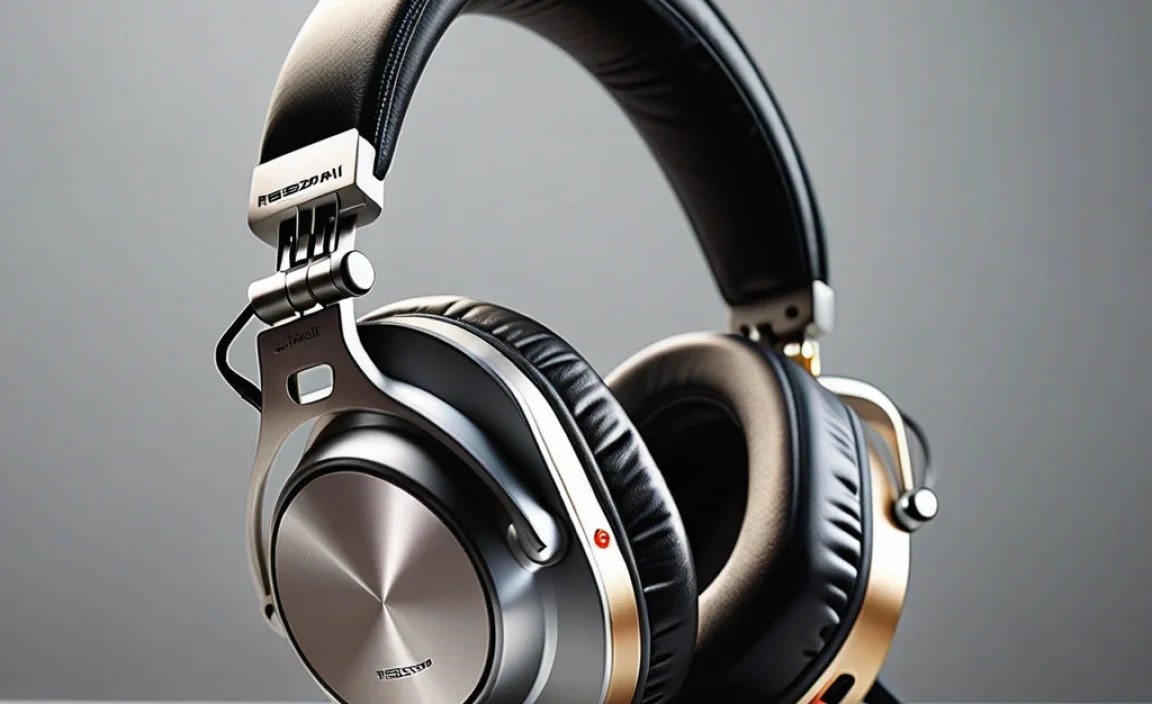
This is a common question, especially with open-backs. Many higher-impedance or less sensitive open-back headphones (especially those above 100 Ohms, and notoriously the 250+ Ohm models like the Beyer DT 990 Pro or Sennheiser HD 600 series) don’t get loud enough or sound their best when plugged directly into a standard smartphone or computer headphone jack.
A headphone amplifier provides clean, sufficient power to drive these headphones properly. This results in:
- More volume without distortion.
- Improved dynamics and impact (especially in the bass).
- Better clarity and detail retrieval.
- A more controlled and refined sound overall.
You don’t necessarily need a super expensive amp to start. Even a modest desktop amplifier can make a world of difference for headphones that require it. For a great resource on understanding headphone amplification, you can check out guides from reputable audio electronics manufacturers, for instance, Schiit Audio’s Understanding Amplification page, which offers clear explanations.
How to Find Your Perfect Pair: A Step-by-Step Approach
Ready to find your ideal open-back headphones? Follow these simple steps:
-
Assess Your Listening Environment:
Are you in a super quiet room at home? Or do you sometimes listen in a slightly noisier office? Remember, open-backs are best for quiet spaces. If your environment is even moderately noisy, consider if open-backs are truly the right choice, or if you need to factor in noise cancellation (which open-backs don’t offer).
-
Define Your Budget:
As we’ve seen, open-backs range from under $100 to well over $1000. Having a clear budget will help you narrow down your options significantly. Don’t forget to factor in the potential cost of a headphone amplifier if you’re looking at higher-impedance models.
-
Consider Your Music Preferences:
Do you listen to bass-heavy EDM and hip-hop, or are you more into classical, jazz, or acoustic music? Some open-backs are more bass-forward and impactful (Philips Fidelio X2HR), while others are more neutral and analytical (Sennheiser HD 600). Reddit discussions often highlight which headphones excel with specific genres.
-
Read Reviews and Watch Videos (With a Grain of Salt):
Look for reviews on trusted audio sites and YouTube channels. Pay attention to recurring themes. However, remember that personal taste varies wildly. What one person finds too bright, another might find perfectly detailed.
-
Check Reddit Threads for Specific Models:
Once you have a few potential candidates, search Reddit directly for those model numbers. You’ll find detailed discussions, comparisons, and real-world user experiences. Look for threads titled “[Model Name] impressions” or “[Model Name] vs [Another Model].” A quick search for “best open back headphones reddit” will usually point you to excellent starting threads.
-
Prioritize Comfort:
If you plan to wear headphones for hours, comfort is non-negotiable. Look for reviews that specifically mention earcup material (velour is often praised for breathability), clamping force, and headband padding.
-
Don’t Be Afraid to Try If Possible:
If you have local audio stores or friends with different models, try to audition them. Nothing beats listening for yourself. However, this isn’t always an option, so relying on trusted community consensus and reviews is key.
Open Back vs. Closed Back: A Quick Comparison Table
Here’s a simple table to summarize the key differences, which will help you decide if open-backs are right for you:
| Feature | Open Back Headphones | Closed Back Headphones |
|---|---|---|
| Soundstage & Imaging | Generally wider, more spacious, natural, airy sound. | Often narrower, more intimate, can feel “in your head.” |
| Sound Leakage | Significant sound leakage (in and out). | Minimal to no sound leakage; good isolation. |
| Noise Isolation | Very poor isolation; you hear your surroundings. | Excellent isolation; muffles outside noise. |
| Bass Impact | Can be less impactful/tight due to air dispersion. | Often tighter, more punchy bass due to sealed enclosure. |
| Best For | Quiet environments, critical listening, immersive gaming, natural sound. | Public transport, noisy offices, travel, isolating listening. |
Frequently Asked Questions (FAQ) About Open Back Headphones
Q1: Are open back headphones good for gaming?
Yes, many gamers absolutely love open-back headphones! Their wide soundstage and excellent imaging can help you pinpoint enemy footsteps, gunfire, and other in-game audio cues with greater accuracy, making for a more immersive and competitive experience. However, they offer zero noise isolation, so if you’re gaming with friends online or in a noisy house, you might miss important cues or have your game sounds leak out.
Q2: Do I really need a headphone amplifier for open back headphones?
It depends on the specific headphones. Lower impedance (under 100 Ohms) and higher sensitivity open-backs, like the Philips Fidelio X2HR, can often be driven well by smartphones or laptops. However, many popular audiophile open-backs, especially those with 250 Ohms or higher impedance (like most Sennheisers and Beyerdynamics), will benefit immensely from an amplifier to reach their full potential in terms of volume, clarity, and dynamics. It’s always worth checking the impedance rating and reviews for headphone amp recommendations.
Q3: Can I use open back headphones outdoors or on a commute?
Generally, no. Open-back headphones are not designed for noisy environments. They leak sound out, so people around you will hear your music, and they offer very little noise isolation, meaning you’ll hear a lot of your surroundings. This can also lead to turning the volume up too high to compensate, which isn’t healthy for your ears. They are best suited for quiet, controlled listening environments like your home or a private office.
Q4: How do I clean my open back headphones?
Cleaning is straightforward! For the earcups, use a slightly damp microfiber cloth and gently wipe them down. Avoid getting moisture inside the drivers themselves. For velour earpads, you can sometimes remove them and gently brush them with a soft brush or use a lint roller. For any stubborn grime, a very mild soap and water solution on the cloth can work, but always ensure the cloth is just barely damp, never wet, when wiping near the driver housing. Always air dry completely before use. For detachable cables, a simple wipe-down with a dry cloth is usually sufficient.</
