
Effortless sound is here! Discover the best open ear Bluetooth headphones for unparalleled situational awareness and comfortable listening. This guide breaks down what makes them great, how to choose yours, and key features to look for, all in simple, beginner-friendly terms.
Best Open Ear Bluetooth Headphones: Effortless Sound & Total Awareness

Hey there, audio explorers! Edward Cavitt here from Headphone Horizon, your friendly guide to the wonderful world of sound. Are you tired of headphones that seal you off from your surroundings, making you miss important announcements or the cheerful greetings of passersby?
Do you love your music but also need to stay connected to the world around you? If so, you’ve landed in the right spot! Open ear Bluetooth headphones are a fantastic solution, offering a unique listening experience that blends your audio with the real world.
Think of them as your personal soundtrack that doesn’t isolate you. In this guide, we’ll dive into what makes these headphones so special, how to pick the perfect pair for your needs, and what to expect. Let’s get your sound journey started!
What Exactly Are Open Ear Bluetooth Headphones?

Unlike traditional headphones that cover your ears (on-ear or over-ear) or sit snugly inside your ear canal (in-ear), open ear headphones leave your ear canal completely unobstructed. They typically rest on or just around your ear, allowing ambient sound to pass through freely.
This means you can enjoy your music, podcasts, or calls while still being fully aware of everything happening around you – from traffic noise to conversations. They connect wirelessly via Bluetooth, offering the convenience of no tangled wires.
How They Work: The Magic of Air Conduction
Most open ear headphones utilize a technology called air conduction. This is how traditional headphones work, but with open ear designs, the speakers are positioned so sound waves travel through the air to your eardrum without blocking your ear canal.
This clever design is key to their functionality and appeal. They’re not bone conduction headphones, which use vibrations sent through your skull. Instead, they are essentially miniature speakers positioned near your ears, delivering sound without sealing off your natural hearing.
Why Go Open Ear? The Benefits You’ll Love

The advantages of open ear Bluetooth headphones are numerous, especially for those who value both their audio experience and their connection to the environment. They’re not just a gadget; they’re a lifestyle enhancer for many.
- Situational Awareness: This is the big one! Whether you’re running near traffic, cycling, walking your dog, or simply want to hear your kids playing while enjoying music, open ear headphones keep you safe and connected. You can hear approaching vehicles, bike bells, or a colleague calling your name.
- Comfort for Long Wear: Because they don’t press against your ears or plug your ear canals, many users find open ear headphones incredibly comfortable for extended periods. They reduce the feeling of ear fatigue or pressure that some people experience with other headphone types.
- Hygiene and Ear Health: For those concerned about ear canal hygiene or who suffer from ear infections, open ear designs are a breath of fresh air. They allow your ears to breathe naturally, reducing moisture buildup and the risk of associated issues.
- Hear Your Own Voice Clearly: When on calls, you won’t experience the “mouth noise” or the feeling of being in a vacuum that can occur with noise-isolating earbuds. Your voice will sound natural to you, leading to more comfortable conversations.
- No “Plugged” Sensation: For individuals who dislike the feeling of having their ears plugged, open ear headphones provide a liberating alternative.
Choosing Your Perfect Pair: What to Look For

With the growing popularity of open ear headphones, the market is filled with choices. To help you navigate, here are the key features and considerations to focus on:
1. Fit and Comfort
This is paramount for open ear headphones, as they are designed to be worn for long durations. They typically fall into a few categories:
- Ear Hooks/Wraps: These loop around your ears, offering a secure fit, often favored by athletes.
- Neckbands: A band rests behind your neck, with the earbuds or speakers hanging over your ears. This can be great for stability and battery life.
- Temple-Based (Near-Ear): Some designs are more like glasses, with small speakers extending from the arms to rest near your temples.
Try to find reviews that specifically mention comfort during extended use and how well they stay put during physical activity if that’s important to you.
2. Sound Quality
“Open ear” doesn’t have to mean “poor sound.” While they won’t deliver the deep bass or the immersive soundstage of noise-canceling over-ear headphones, modern open ear models offer surprisingly good audio. Look for headphones with:
- Decent Driver Size: Larger drivers generally mean better sound reproduction.
- Spec-Based Frequencies: While specs aren’t everything, a wider frequency response can suggest a fuller sound.
- Reviews: Pay close attention to reviews that discuss the clarity, balance, and volume of the sound.
3. Battery Life
Like all Bluetooth devices, battery life is a crucial factor. Consider how long you’ll be listening between charges.
- Continuous Playback: Most headphones will list how many hours they can play on a single charge.
- Charging Case: Many come with a portable charging case that can provide multiple extra charges, extending your listening time significantly.
For a full day of use, look for models that offer at least 6-8 hours of playback per charge, plus extra charges from the case.
4. Durability and Water Resistance
If you plan to use your headphones outdoors or during workouts, durability and some level of water resistance are essential. Look for an IP (Ingress Protection) rating. For example, an IPX4 rating means they are protected against splashes of water, which is usually sufficient for sweat and light rain. For more robust protection, look for higher ratings like IPX5 or IPX7.
5. Bluetooth Version and Features
Ensure the headphones use a recent Bluetooth version (like Bluetooth 5.0 or later). This ensures a stable connection, better power efficiency, and can also offer features like multi-point pairing (connecting to two devices simultaneously).
- Codec Support: While less critical for beginners, codecs like aptX can offer slightly better audio quality if your phone also supports them.
- Multi-Point Connectivity: Extremely useful for switching between your phone and laptop without re-pairing.
6. Microphones for Calls
If clear calls are a priority, check reviews for microphone quality. Some open ear designs have better mic arrays than others, which can make a difference in noisy environments.
Top Picks: The Best Open Ear Bluetooth Headphones

While specific models can change rapidly, there are a few consistently praised designs in the open ear category. These are often lauded for their blend of comfort, sound, and features. Remember, the “best” is subjective and depends on your individual needs and budget!
Here’s a look at some popular types and brands that frequently appear in “best of” lists:
| Brand/Model Type | Key Strengths | Best For |
|---|---|---|
| Shokz (formerly AfterShokz) OpenRun/OpenFit | Excellent bone conduction (for Shokz) or open-ear speaker tech, durable, secure fit, great for athletes. | Runners, cyclists, gym-goers, and those needing ultimate security. |
| Bose Ultra Open Earbuds | Premium sound quality, comfortable and stylish design, decent battery life, innovative form factor. | Everyday users prioritizing premium audio experience and style. |
| Anker Soundcore (Various Open Ear Models) | Great value for money, good battery life, often include app support for EQ tuning. | Budget-conscious buyers seeking reliable performance. |
| Jabra Elite (Certain Models) | Known for call quality, good app integration, durable builds. | Professionals and busy individuals who make frequent calls. |
| Sony LinkBuds | Unique ring-shaped design, very comfortable, decent for music and calls, good ambient sound. | Users who want a nearly “invisible” wearing experience. |
(Note: Always check the latest model releases and reviews for the most up-to-date information.)
Setting Up Your New Open Ear Headphones

Getting your new open ear Bluetooth headphones ready to go is usually a breeze. Here’s a general step-by-step process:
- Charge Them Up: First things first, give your headphones a full charge. Most come with a USB-C cable or a charging case. The charging indicator light will usually turn off or change color when fully charged.
- Turn Them On: Locate the power button (often a small physical button or a touch-sensitive area). Press and hold it until you hear a power-on sound or see an indicator light.
- Enter Pairing Mode: This is where you tell your headphones to look for nearby devices to connect to. You might need to press and hold the power button again, or there might be a separate Bluetooth button. Many headphones will announce, “Pairing mode” or have a blinking light.
- Enable Bluetooth on Your Device: On your smartphone, tablet, or computer, go to the Bluetooth settings. Make sure Bluetooth is switched “On.”
- Select Your Headphones: Your device will scan for available Bluetooth devices. You should see the name of your headphones appear in the list (e.g., “Shokz OpenRun,” “Bose Ultra,” “Anker R500”). Tap on the name to initiate the connection.
- Confirm Pairing: Your device and headphones may confirm the connection with a sound or an on-screen message. Some devices might ask you to confirm a PIN, though this is rare for headphones.
- Enjoy Your Sound! Once paired, your device will remember your headphones, and they should connect automatically in the future when both are turned on and Bluetooth is enabled.
Tips for Optimal Use and Care
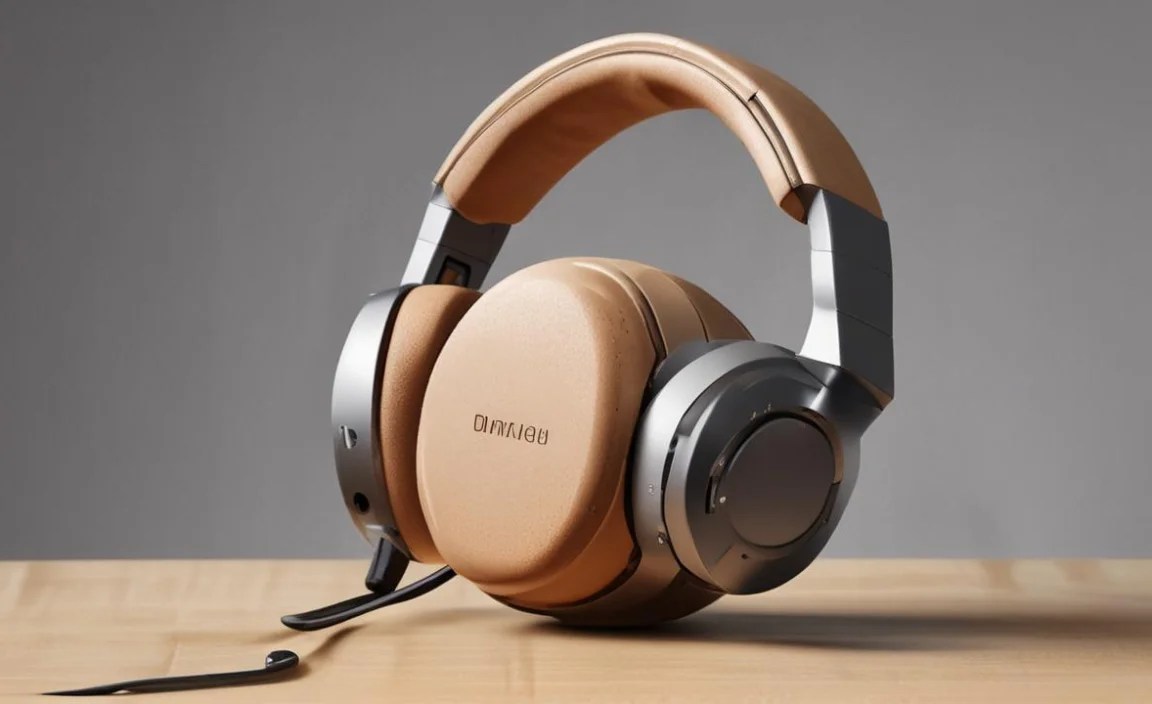
To get the most out of your open ear headphones and ensure they last, follow these simple tips:
Daily Use Best Practices
- Positional Adjustments: Experiment with the exact placement of the speakers near your ears. Small adjustments can sometimes make a significant difference in sound clarity and volume.
- Volume Management: Since they let in ambient sound, you might be tempted to crank up the volume. Be mindful of safe listening levels to protect your hearing. The World Health Organization recommends limiting exposure to loud sounds to prevent hearing loss. Learn more about safe listening levels at WHO.
- Charging Habits: Avoid letting the battery drain completely too often, if possible. Charging them before they hit 0% can help prolong battery health.
- Check for Updates: Some headphones come with companion apps that offer firmware updates. These can improve performance, fix bugs, or add new features.
Cleaning and Maintenance
Keeping your headphones clean ensures optimal performance and hygiene.
| Component | Cleaning Method | Frequency |
|---|---|---|
| Exterior Surfaces | Wipe gently with a soft, dry, or slightly damp microfiber cloth. For tougher spots, use a cloth dampened with water or a mild, non-abrasive cleaner. | Weekly or as needed. |
| Speaker Grilles/Ports | Use a dry, soft brush (like a clean makeup brush or toothbrush) to gently remove debris. Avoid poking anything sharp into the openings. | Bi-weekly or when visible dust accumulates. |
| Ear Hooks/Neckband | Wipe with a damp cloth. If they’re made of silicone or rubber, mild soap and water can be used, but ensure they are thoroughly dried afterward. | Weekly. |
Important Dont’s:
- Never submerge your headphones in water unless their IP rating specifically allows for it.
- Avoid using harsh chemicals, solvents, or abrasive materials.
- Don’t try to disassemble the headphones yourself, as this can cause damage and void warranties.
Frequently Asked Questions (FAQ)
Here are some common questions beginners have about open ear Bluetooth headphones.
Q1: Will I be able to hear my music clearly if I’m in a noisy environment?
A1: While open ear headphones allow you to hear your surroundings, they are not designed for noise isolation. In very noisy places like a busy street or a loud construction site, you might need to increase the volume to clearly hear your audio. However, for moderate environments, the audio should be quite discernible.
Q2: Can I use open ear headphones while swimming or in the shower?
A2: Generally, no. Most open ear headphones are designed to resist sweat and light rain (look for an IPX4 or higher rating). However, they are not typically waterproof enough for submersion, swimming, or showering. Always check the IP rating and manufacturer’s specifications for water resistance before exposing them to moisture.
Q3: Do open ear headphones provide good bass?
A3: Due to their design, which doesn’t create a seal around or in the ear, open ear headphones often have less pronounced bass than traditional in-ear or over-ear models. The focus is more on clarity and preserving ambient sound. However, sound quality has improved significantly, and many modern options offer a decent balance.
Q4: Are open ear headphones safe for driving?
A4: Many people find open ear headphones to be a safer option for driving than traditional earbuds because they allow you to hear important traffic sounds like sirens, horns, and engines. However, laws regarding headphone use while driving vary by region. It’s crucial to be aware of and adhere to your local regulations. Some jurisdictions may prohibit any headphone use that obstructs natural hearing.
Q5: How do I know if my open ear headphones are a good fit?
A5: A good fit means the headphones are comfortable to wear for long periods without causing pain or pressure, and they stay securely in place during your typical activities (like walking, jogging, or just sitting). They shouldn’t feel like they’re about to fall off, nor should they pinch or dig into your skin.
Q6: Can I use my open ear headphones with my TV?
A6: Yes, if your TV has Bluetooth capabilities or if you use a Bluetooth transmitter. You’ll pair them with your TV or transmitter the same way you would with a smartphone or computer. This can be a great way to enjoy TV audio without disturbing others.
Conclusion: Embrace Effortless Sound
Open ear Bluetooth headphones are more than just a new trend; they represent a smart evolution in personal audio, offering a fantastic balance between immersive sound and the awareness of our surroundings.
Whether you’re an athlete who needs to stay alert, a busy professional juggling calls and tasks, or someone who simply dislikes the feeling of earbuds, there’s an open ear headphone out there ready to enhance your daily life.
By understanding what to look for – from comfort and fit to sound quality and battery life – you can confidently choose a pair that seamlessly integrates into your routine. Embrace the freedom of effortless sound, stay connected to your world, and enjoy your audio like never before. Happy listening from all of us at Headphone Horizon!
