
Quick Summary: Discover the “best overall headphones” for everyday listening that balance superb sound quality, comfort, and value. This guide breaks down what makes headphones great, helping you find your perfect pair without getting lost in jargon. Get ready for a more immersive audio experience.
Best Overall Headphones: Genius Sound for Everyone
Hello, audio adventurers! Edward Cavitt here from headphonehorizon, your guide to all things sound. Picking the “best overall headphones” can feel like a quest through a jungle of tech specs and fancy words. But what if I told you that finding fantastic sound is simpler than you think? Whether you’re streaming your favorite tunes, diving into podcasts, or enjoying a quiet moment with an audiobook, the right headphones can transform your listening experience from ordinary to extraordinary. This guide is crafted for you – the everyday listener who wants clear, rich sound without the tech overload. We’ll navigate the key features, explore what makes a headphone truly “great,” and help you make a confident choice. Let’s unlock “genius sound” together!
What Makes Headphones “Best Overall”? Unpacking the Essentials
When we talk about “best overall headphones,” it’s not just about the loudest bass or the highest price tag. It’s about a harmonious blend of factors that cater to a wide range of listening needs. Think of it as a perfectly composed song – every element plays its part. Here are the core components that contribute to that “genius sound” experience:
1. Sound Quality: The Heart of the Matter

This is what it’s all about, right? Great sound quality means hearing your music or audio as the creator intended, with clarity, detail, and a pleasing balance. For “best overall headphones,” we’re looking for:
- Balanced Audio: No single frequency range (bass, mids, or highs) should overpower the others. You want a natural, full sound.
- Clarity and Detail: The ability to discern individual instruments, vocals, and subtle background nuances in a track.
- Good Soundstage: This refers to how “wide” or “spacious” the audio sounds, creating a sense of listening in a room rather than having sound directly piped into your ears.
- Low Distortion: Sound remains clear and pleasant even at higher volumes.
2. Comfort and Fit: Wear Them All Day

Even the most amazing-sounding headphones are useless if they’re uncomfortable. For general use, comfort is paramount. Consider:
- Earcup Material: Plush, breathable materials like memory foam wrapped in soft leatherette or velour are usually the most comfortable for extended wear.
- Headband Padding: A well-padded headband distributes weight evenly, preventing pressure points on your head.
- Clamping Force: The headphones should feel secure without squeezing your head too tightly.
- Weight: Lighter headphones are generally more comfortable for longer listening sessions.
3. Durability and Build Quality: Built to Last

“Best overall” also implies reliability. Your headphones should withstand daily use. Look for:
- Robust Materials: Metal and high-quality plastics often indicate better longevity than flimsy plastic composites.
- Reinforced Joints: Areas like the headband sliders and pivot points are common weak spots.
- Good Cable Management (if wired): Detachable, braided, or reinforced cables are less prone to damage.
4. Features and Connectivity: Smart Additions
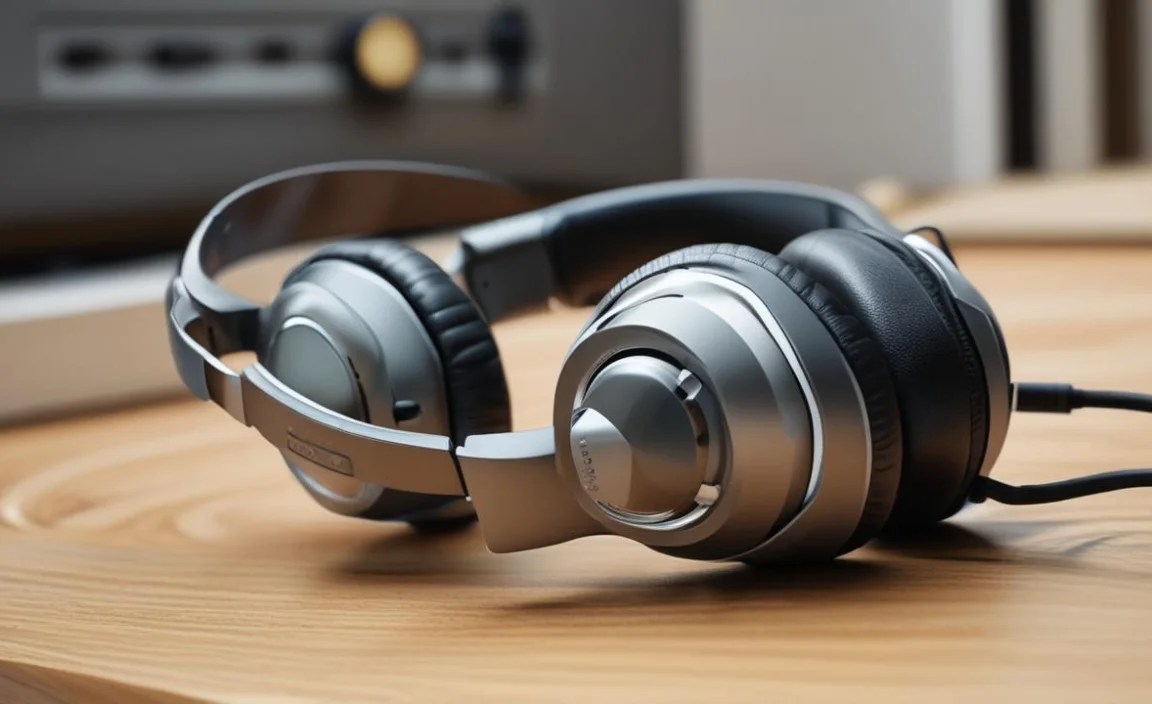
While not always essential for core sound, certain features enhance the “overall” experience:
- Wireless Connectivity (Bluetooth): Offers freedom of movement. Look for recent Bluetooth versions (like 5.0 or higher) for stable connections and better battery life.
- Battery Life: For wireless, aim for at least 20-30 hours on a single charge for daily use without constant worry.
- Noise Cancellation (ANC): Great for noisy environments, but sometimes sacrificing a bit of sound purity for silence. For an “overall” pick, this is often a desirable, but not always defining, feature.
- Microphone Quality: Important if you plan to take calls or use voice commands.
5. Value for Money: Performance vs. Price
The “best overall headphones” shouldn’t necessarily break the bank. They offer excellent performance and features for their price point, making them a wise investment for the discerning listener.
Choosing Your Path: Types of “Best Overall” Headphones
The category of “best overall headphones” can encompass a few different designs, each with its own strengths. Understanding these will help you narrow down your personal “genius sound” pick.
On-Ear Headphones
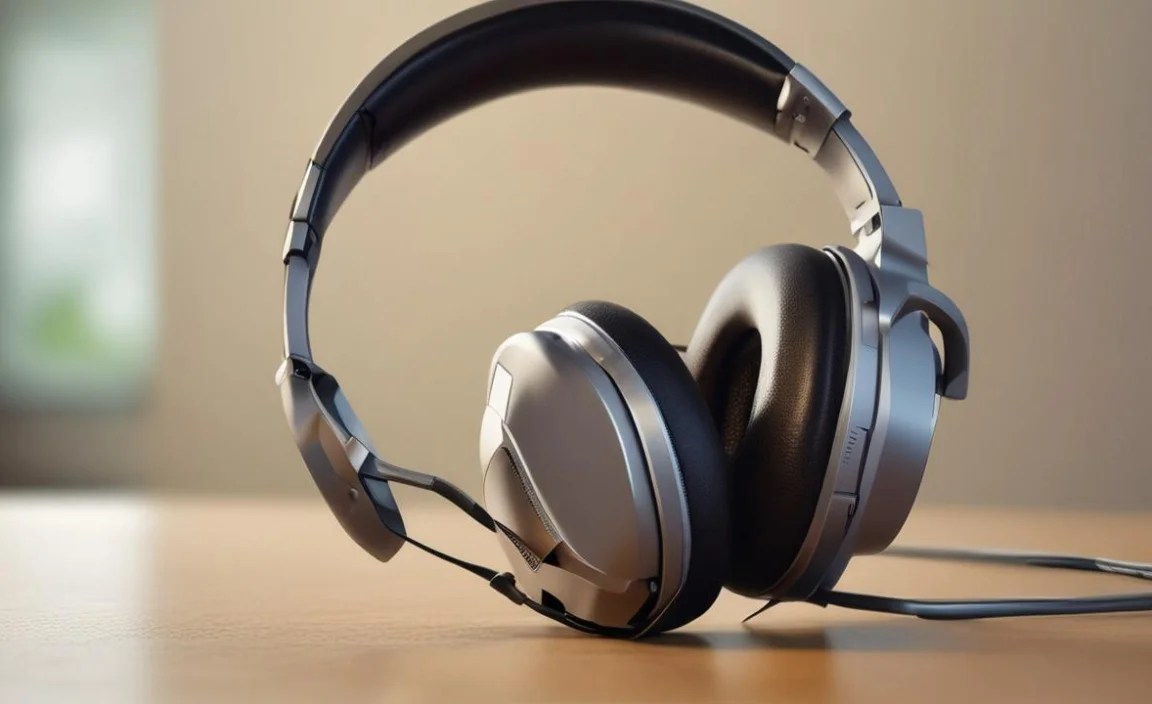
These rest directly on your ears. They are often compact and can be a good balance between portability and sound quality.
- Pros: Lighter, more portable than over-ear, can offer decent awareness of your surroundings.
- Cons: Can sometimes cause ear fatigue or discomfort after long periods, may leak sound more easily.
Over-Ear Headphones (Circumaural)

These cups completely surround your ears. They are typically the most comfortable for extended listening and often provide the best passive noise isolation and soundstage.
- Pros: Excellent comfort, superior passive noise isolation, generally superior sound quality and immersion.
- Cons: Can be bulkier and less portable, may cause ears to get warm after long use.
In-Ear Monitors (IEMs) / Earbuds

These fit inside your ear canal. They offer maximum portability and excellent noise isolation, and high-end models can rival over-ear headphones in sound quality.
- Pros: Highly portable, excellent noise isolation, secure fit for activity, can offer incredible detail for their size.
- Cons: Fit can be subjective and might require trying different ear tip sizes, less “airy” soundstage compared to over-ears.
Key Features to Look For in “Best Overall Headphones”
Let’s dive a bit deeper into the technical aspects, but don’t worry, we’ll keep it simple and focus on what matters most for everyday enjoyment.
Driver Size and Type
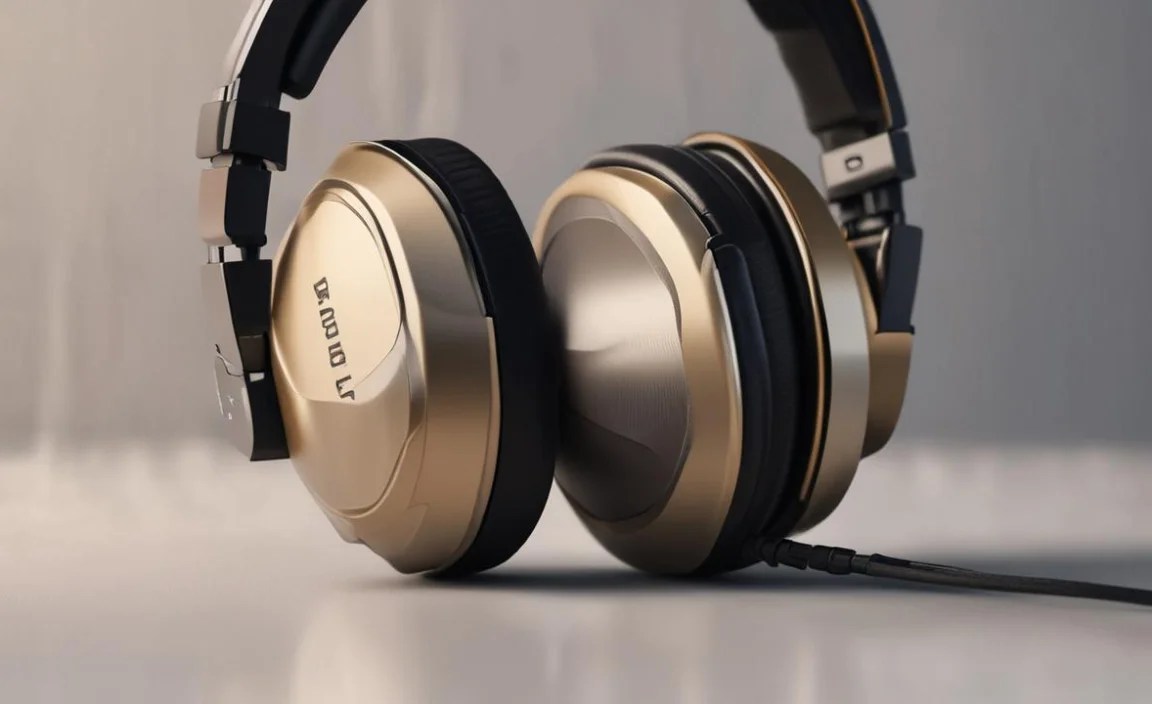
Drivers are the tiny speakers inside your headphones that produce sound. Larger drivers (typically found in over-ear models) can often produce a wider range of frequencies and a more robust bass response. Common types include dynamic drivers (most common, good all-rounders) and planar magnetic drivers (often found in higher-end models, known for detail and speed).
Frequency Response
This tells you the range of sounds a headphone can reproduce, measured in Hertz (Hz). The human hearing range is typically 20 Hz to 20,000 Hz (or 20 kHz). A headphone with a frequency response that covers at least this range offers the potential for full-spectrum sound. However, the delivery of these frequencies is more important than just the numbers. A flat, balanced response across this spectrum usually indicates a more natural sound profile. For instance, you might see a specification like “20Hz – 20kHz ± 3dB.” The narrower the dB tolerance, the more consistent the sound across the spectrum.
Impedance and Sensitivity
- Impedance (Ohms): Higher impedance headphones require more power to reach a listenable volume. Most consumer headphones for smartphones and laptops have lower impedance (under 50 Ohms) and don’t require a separate amplifier. If you plan to use your headphones with a dedicated audio player or amplifier, higher impedance might be less of a concern and can sometimes offer better sound quality with the right gear.
- Sensitivity (dB/mW): This indicates how loud the headphones will play with a given amount of power. Higher sensitivity means they’ll get louder more easily. For “best overall headphones” used with everyday devices, higher sensitivity is generally preferred for ease of use.
Connectivity Options
For “best overall headphones,” versatility is key. Many modern options offer both wired (3.5mm or USB-C) and wireless (Bluetooth) capabilities. If you opt for wireless, look for supported codecs like:
- SBC: The most basic Bluetooth audio codec, universally supported.
- AAC: Better quality than SBC, commonly used by Apple devices.
- aptX/aptX HD: Offers improved audio quality, especially for Android devices.
- LDAC: Sony’s advanced codec, capable of transmitting high-resolution audio over Bluetooth.
For the best wireless experience, a codec beyond SBC will noticeably improve sound quality, especially for music lovers. You can learn more about audio codecs at the Bluetooth SIG website.
Top Picks for “Best Overall Headphones” (Illustrative Examples)
While the “best” headphone is subjective and changes with new releases, here are examples of headphones that frequently appear in “best overall” discussions due to their exceptional balance of sound, comfort, features, and value. These are not specific recommendations but rather categories and features to look for.
Category 1: Premium Wireless Over-Ear
These often feature active noise cancellation (ANC), excellent battery life, and a rich, detailed sound profile suitable for music lovers and frequent travelers. They prioritize comfort for long listening sessions.
Category 2: Versatile Wired Over-Ear
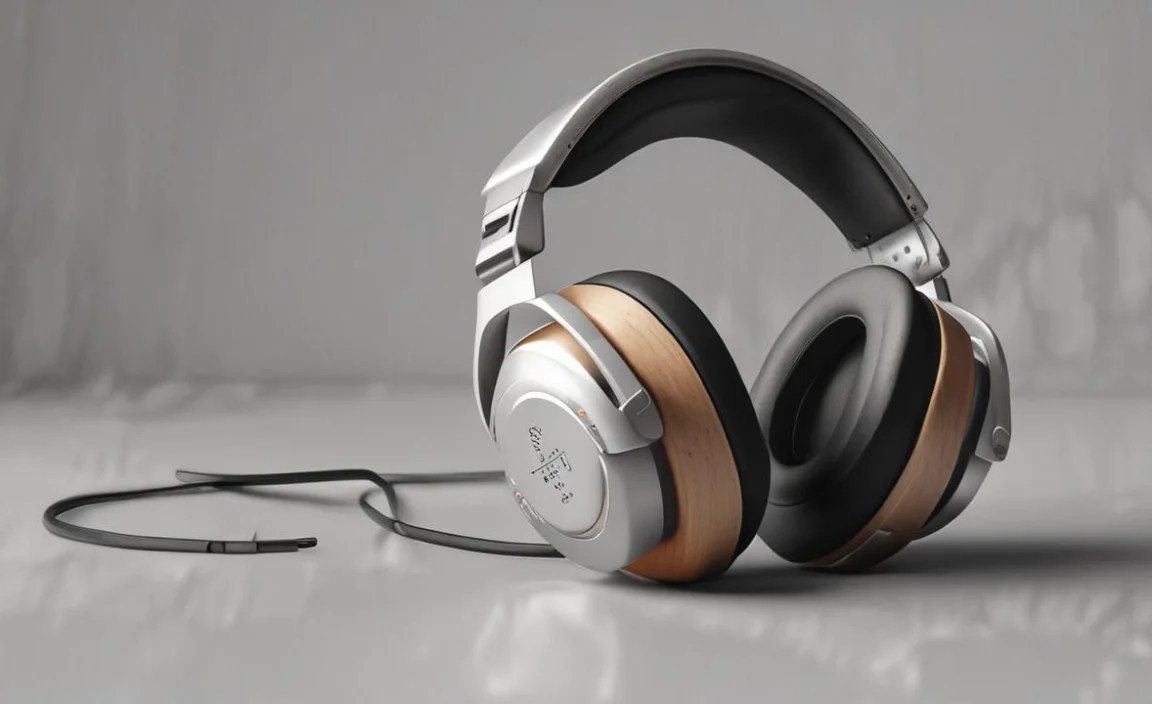
For those who prioritize pure sound quality and don’t need wireless convenience, these offer exceptional audio fidelity, a spacious soundstage, and often a more neutral sound signature ideal for critical listening and studio use. They might be open-back (for the widest soundstage but less isolation) or closed-back (for better isolation).
Category 3: Feature-Rich True Wireless Earbuds

These are small, portable, and packed with technology. Look for good battery life (including the charging case), a secure and comfortable fit, decent ANC, and clear microphone performance for calls on the go. Sound quality has improved dramatically in this category.
Putting It All Together: Your “Genius Sound” Checklist

To help you make an informed decision, here’s a quick checklist to consider when shopping for your “best overall headphones”:
| Feature | What to Look For | Why it Matters |
|---|---|---|
| Sound Quality | Balanced, clear, detailed sound. Good soundstage. Low distortion. | The core of your listening experience. Makes music sound alive. |
| Comfort & Fit | Plush earpads/earbuds, well-padded headband, secure but not tight fit. Lightweight. | Essential for enjoyable long listening sessions. |
| Durability | Solid materials (metal accents, quality plastics), reinforced joints. | Ensures your investment lasts through daily wear and tear. |
| Battery Life (Wireless) | 20+ hours for over-ears, 5+ hours with multiple recharges for earbuds. | Keeps the music going without constant charging anxiety. |
| Connectivity | Stable Bluetooth (v5.0+), support for better codecs (AAC, aptX, LDAC), wired option. | Freedom of movement and ease of use with your devices. |
| Noise Isolation/Cancellation | Effective passive isolation (for over-ears/in-ears) or good ANC. | Improves immersion by blocking external distractions. |
| Microphone | Clear voice pickup for calls and voice assistants. | Essential for communication and smart device interaction. |
| Portability | Compact design, foldable (for over-ears), decent carrying case. | Convenient for commuting, travel, or just taking them with you. |
| Value | Strong performance and features for the price. | The sweet spot where quality meets affordability. |
Caring for Your “Genius Sound”: Simple Maintenance Tips

To keep your “best overall headphones” sounding their best for years to come, a little care goes a long way. Proper maintenance is straightforward and ensures longevity.
Cleaning Your Headphones
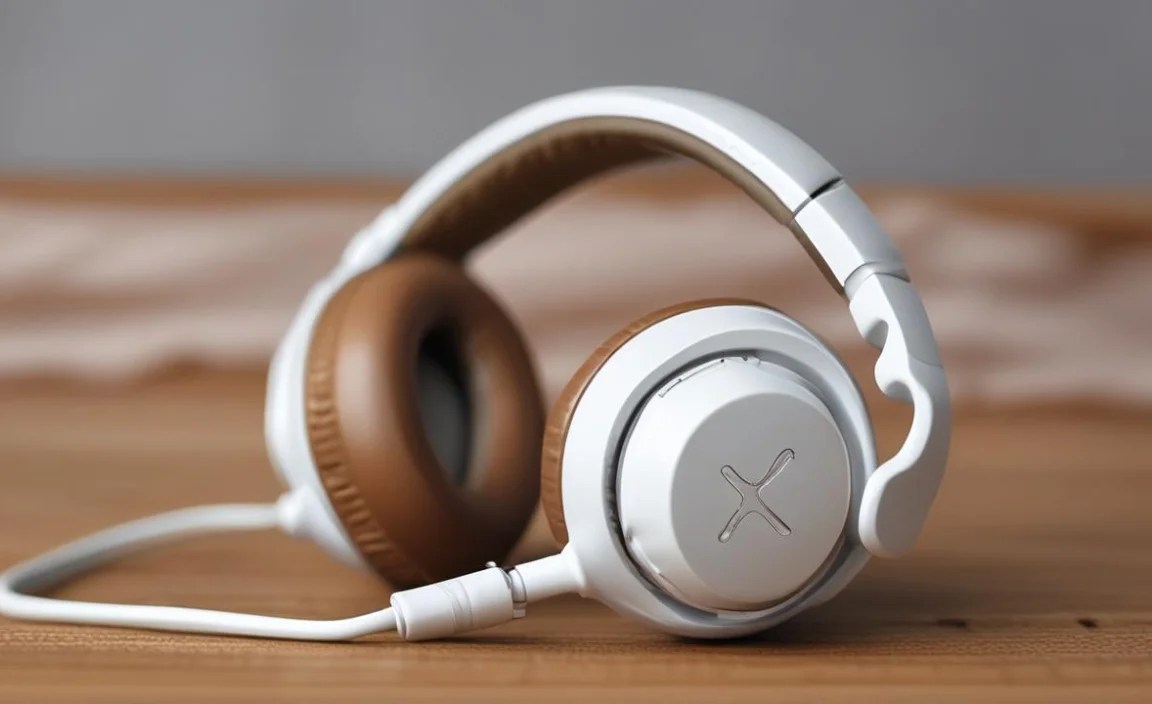
- Earpads/Earcups: Gently wipe them down with a slightly damp, soft cloth. For synthetic materials, a mild soap and water solution is fine, but avoid soaking. For fabric earcups, a dry brush can lift dust. Refer to the manufacturer’s guide for specific cleaning recommendations, especially for leather or alcantara.
- Headband: Do the same as for the earpads – a gentle wipe should suffice.
- Ear Tips (for IEMs): Remove them and wash them with mild soap and water. Ensure they are completely dry before reattaching.
- Grilles and Speaker Holes: Use a dry, soft brush (like a clean, old toothbrush or a dedicated headphone cleaning brush) to gently remove dust and debris. A can of compressed air can also be used very carefully from a distance.
- Headphone Body: A dry or very slightly damp microfiber cloth is ideal for wiping down the plastic or metal surfaces.
Storage
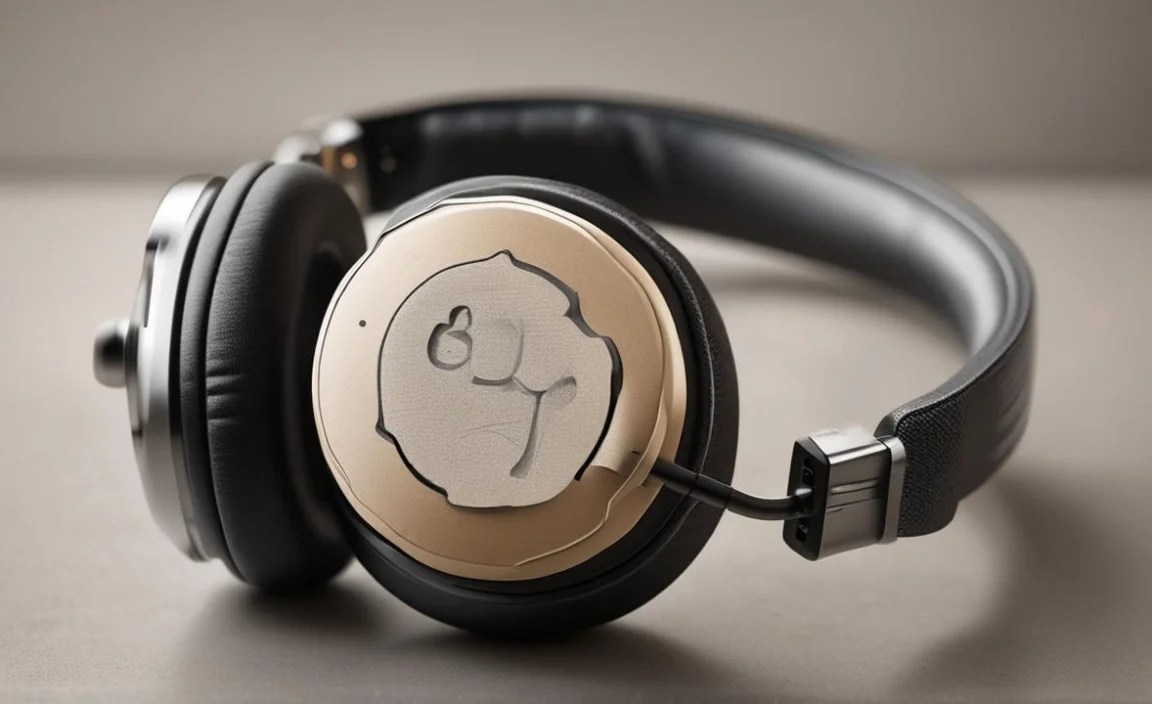
- Use the Case: Whenever possible, store your headphones in their original case or a protective pouch. This shields them from dust, scratches, and accidental damage.
- Avoid Extreme Temperatures: Don’t leave your headphones in a hot car or direct sunlight, as extreme heat can damage drivers and materials. Similarly, extreme cold can make materials brittle.
- Manage Cables: If you have wired headphones, avoid tightly wrapping the cable around the headphones. Instead, use a loose loop to prevent internal wire breakage.
Battery Care (for Wireless Headphones)

Most modern lithium-ion batteries are pretty robust. However, to maximize battery lifespan:
- Avoid Deep Discharges: Try not to let the battery completely drain to 0% regularly.
- Don’t Overcharge Constantly: While modern chargers have safeguards, it’s generally good practice to unplug them once fully charged, especially for overnight charging. Many headphones have charging indicators that show when they are full.
For more advanced battery information, resources from places like the U.S. Department of Energy can offer insights into battery technologies.
Frequently Asked Questions (FAQ)
Q1: What does “open-back” vs. “closed-back” mean for headphones?

Answer: Open-back headphones have grilles that allow air and sound to pass through, creating a more natural, spacious soundstage that mimics listening to speakers. However, they leak sound in and out, so they’re best for quiet environments. Closed-back headphones seal the earcups, providing better noise isolation and preventing sound leakage, making them ideal for noisy commutes or shared offices.
Q2: Do I need a special amplifier for “best overall headphones”?
Answer: For most consumer headphones, especially those with lower impedance (under 50 Ohms), no external amplifier is needed. Your smartphone, laptop, or tablet can power them sufficiently. High-impedance headphones (often 200 Ohms or more, typically found in audiophile-grade models) may benefit from an amplifier for optimal volume and sound quality.
Q3: What’s the difference between passive noise isolation and active noise cancellation (ANC)?

Answer: Passive noise isolation is achieved through the physical design of the headphones – how well they seal around or in your ears. Active Noise Cancellation (ANC) uses microphones to detect ambient noise and produce an opposite sound wave to cancel it out. ANC is generally more effective for low-frequency, constant noises like airplane engines, while passive isolation is good for a broader range of sounds.
Q4: How do I choose the right ear tip size for in-ear headphones?

Answer: The ear tips should create a comfortable seal in your ear canal without feeling painful or causing pressure. Most IEMs come with multiple sizes (S, M, L) of silicone and sometimes foam tips. Experiment with each size until you find one that feels snug, stays in place when you move, and produces the best bass response. A good seal is crucial for sound quality.
Q5: Is it okay to wear headphones while exercising?

Answer: Yes, but choose wisely! For intense workouts, look for headphones with a secure, sweat-resistant fit (e.g., true wireless earbuds with sport wings or ear hooks). For moderate exercise, on-ear or over-ear headphones can work, but be mindful of sweat and potential damage. Always ensure you can still hear important sounds for safety, especially when exercising outdoors.
Q6: How do I update the firmware on my wireless headphones?

Answer: Most major brands offer a companion app for their wireless headphones, available on Android and iOS. Download the app, connect your headphones via Bluetooth, and follow the in-app instructions to check for.
