
Quick Summary: Finding the best pair of headphones means understanding your needs. This guide breaks down headphone types (over-ear, on-ear, in-ear), crucial features like sound quality and comfort, and how to choose the perfect fit for music, calls, or workouts. Get ready to hear your audio in a whole new way!
Hey there, audio adventurers! Edward Cavitt here from Headphone Horizon. Ever get that feeling when you pop in some headphones and suddenly, it’s like you’re right there in the studio or at the concert venue? That magic is what we’re all after, isn’t it? But with so many options out there – from sleek earbuds to giant over-ear cans – picking the best pair of headphones can feel a bit like wandering through a sonic maze. Don’t worry, though! This guide is designed to be your friendly compass, simplifying everything so you can find headphones that truly sing to your ears and fit your life perfectly. Let’s dive in!
Understanding Headphone Types: Your First Sonic Decision
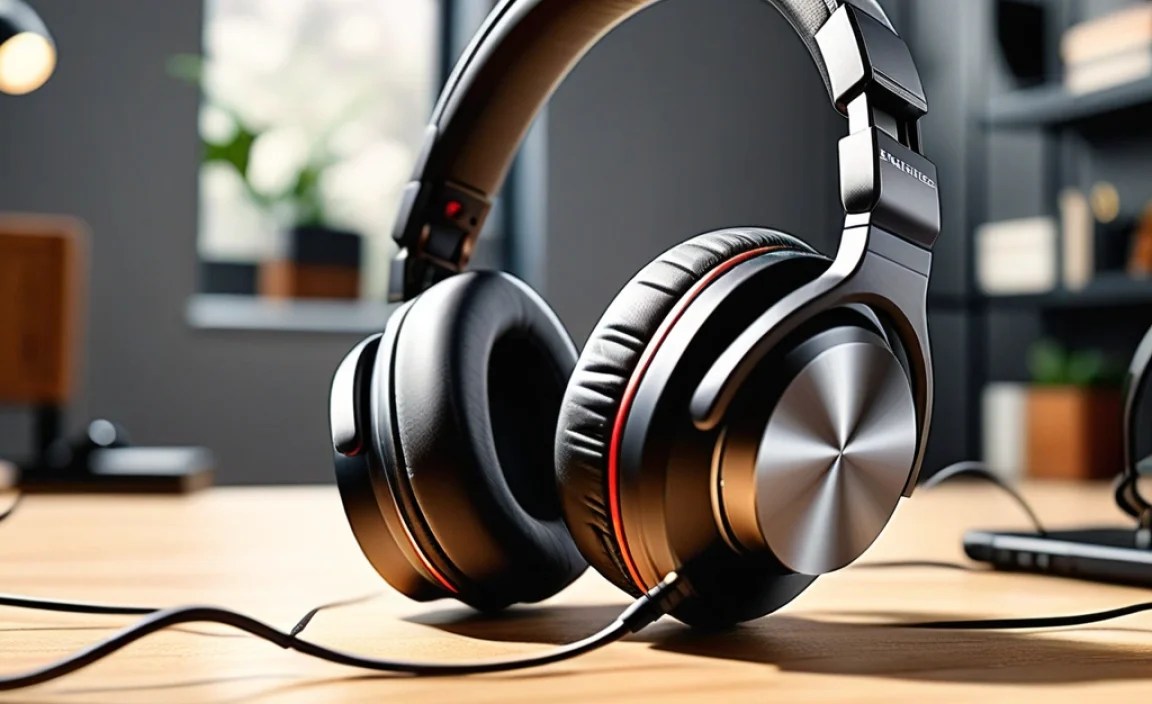
Before we get lost in the sea of watts and decibels, let’s talk about the physical form factor of headphones. The type you choose will dramatically impact comfort, sound isolation, and even sound quality. Think of it like choosing the right tool for the job – each has its strengths!
1. Over-Ear Headphones (Circumaural)
These are the big ones, the ones that fully enclose your ears. They typically offer the most comfortable fit for long listening sessions and tend to provide excellent passive noise isolation. Because they create a good seal around your ears, they can also deliver a rich, immersive sound experience. They’re fantastic for home listening, critical audio work, or when you just want to get lost in your music without distractions.
- Pros: Superior comfort for long wear, excellent sound isolation, immersive audio.
- Cons: Bulky, can get warm, generally less portable.
2. On-Ear Headphones (Supra-aural)
Sitting directly on your ears, on-ear headphones are a more compact alternative to over-ear models. They offer a balance between portability and sound quality. While they don’t offer the same level of noise isolation as over-ear headphones, they can still provide a good listening experience without completely blocking out your surroundings, which can be a perk for situational awareness. They’re a great middle-ground for many users.
- Pros: More portable than over-ear, decent sound, can allow some ambient sound.
- Cons: Can cause ear fatigue with prolonged use, less noise isolation than over-ear.
3. In-Ear Headphones (Earbuds/IEMs)
Also known as earbuds or In-Ear Monitors (IEMs), these fit directly into your ear canal. Their biggest advantages are their extreme portability and excellent passive noise isolation when fitted correctly. They’re perfect for commuters, gym-goers, or anyone who prefers a discreet listening experience. Modern IEMs, especially those designed for audiophiles, can deliver surprisingly detailed and accurate sound.
- Pros: Highly portable, great noise isolation, discreet.
- Cons: Can be uncomfortable for some, potential for earwax buildup, soundstage might be more limited than over-ear.
Key Features to Consider: What Makes Headphones “Best”?

Now that we’ve explored the types of headphones, let’s dissect the features that truly matter when you’re on the hunt for the best pair. These are the elements that will elevate your listening experience from ordinary to extraordinary.
1. Sound Quality: The Heart of the Matter
This is arguably the most crucial aspect. Sound quality is subjective, but generally, you’re looking for clarity, balance, and a pleasing frequency response. A good pair of headphones will reproduce the full range of sounds – from the deep rumble of a bassline to the crisp highs of a cymbal – without distortion.
- Frequency Response: This indicates the range of sound frequencies a headphone can produce, typically measured in Hertz (Hz). Humans can generally hear from 20Hz to 20kHz. A wider range usually means a more detailed sound.
- Impedance: Measured in Ohms (Ω), impedance relates to how much power the headphones need to produce a certain volume. Lower impedance (under 32Ω) is good for mobile devices, while higher impedance (over 60Ω) may require an amplifier for optimal performance, especially for home or studio use.
- Sensitivity: Measured in decibels (dB), this tells you how loud the headphones are with a given amount of power. Higher sensitivity means they’ll get louder more easily.
2. Comfort and Fit: Essential for Long-Term Enjoyment
Even the best-sounding headphones will go unused if they’re uncomfortable. For over-ear and on-ear models, pay attention to the padding on the earcups and headband, the clamping force, and the weight. For in-ear models, the type and size of eartips are paramount to achieving a secure and comfortable seal.
- Earcup Material: Leather, velour, and pleather all offer different levels of comfort and breathability.
- Headband Padding: A well-padded headband prevents pressure points on your head.
- Eartip Materials: Silicone and foam eartips have different properties; foam often creates a better seal for noise isolation and comfort.
3. Noise Cancellation (ANC) vs. Noise Isolation
This is a big one for commuters and frequent flyers. There are two main ways headphones deal with unwanted noise:
- Noise Isolation: This is achieved physically by the headphone’s design – how well it blocks out sound with seals (like in-ear or well-fitting over-ear). It’s passive.
- Active Noise Cancellation (ANC): This technology uses microphones to detect ambient noise and then generate an opposite sound wave to cancel it out. It’s incredibly effective for constant, low-frequency noises like airplane engines or train hum.
It’s important to note that ANC often comes with a slight impact on audio quality and an increase in price. For more on how this technology works, you can explore resources from institutions like the National Institute of Standards and Technology (NIST).
4. Connectivity: Wired vs. Wireless
This is a fundamental choice that impacts convenience and, for some, sound quality.
-
Wired Headphones:
- Pros: Generally offer the best sound quality for the price, no battery to worry about, no latency (delay).
- Cons: Tangle-prone cables, limited freedom of movement.
-
Wireless Headphones (Bluetooth):
- Pros: Ultimate freedom of movement, no tangled cables, convenient for on-the-go.
- Cons: Need to be charged, potential for audio compression depending on Bluetooth codecs (like aptX or LDAC for higher quality), can have slight latency.
5. Durability and Build Quality: Investing in Longevity
Headphones are an investment. A well-built pair will use sturdy materials like metal for the frame and high-quality plastics for the housings, with reinforced hinges and cables. Cheaper materials can feel flimsy and are more prone to breaking.
6. Features and Functionality: Beyond the Sound
Consider what else you need your headphones to do:
- Microphone Quality: Important for calls and voice commands.
- Water/Sweat Resistance: Essential for workouts or use in damp environments. Look for IP ratings (e.g., IPX4 means it can handle splashes).
- Battery Life: Crucial for wireless models. Aim for at least 20 hours for daily use.
- Companion Apps: Some headphones offer apps for EQ adjustments, firmware updates, and other customisation.
Choosing the Best Pair of Headphones for Your Lifestyle

Now, let’s put it all together and figure out which type and set of features are best suited for you. Think about where and how you’ll be using your headphones most often.
For the Music Lover at Home
If your primary goal is to immerse yourself in music with the best possible sound fidelity, and you don’t need portability, then open-back over-ear headphones are often the top choice. They offer a wide soundstage and natural, uncolored sound. For closed-back options that still deliver excellent sound without the bulk of open-backs, look for well-regarded brands known for their audio engineering.
For the Commuter and Traveler
Portability and noise management are key here. Over-ear or on-ear headphones with excellent Active Noise Cancellation are your best friends. Wireless connectivity is also a huge plus to avoid tangled cables in tight spaces. Good battery life is a must for long journeys.
For the Fitness Enthusiast
When you’re on the move and sweating, you need headphones that stay put, are sweat-resistant, and offer decent sound. True wireless earbuds or sport-focused in-ear headphones with secure ear hooks or wings are ideal. Look for IP ratings (e.g., IPX4 or higher) and a snug fit that won’t loosen with vigorous activity.
For the Work-from-Home Professional
Comfort for long hours is critical. Comfortable over-ear headphones with good microphone quality for calls are perfect. If you’re in a noisy household, ANC can be a lifesaver. Wireless is convenient for moving around your workspace.
For the Budget-Conscious Listener
You don’t always need to break the bank to get good sound. Many brands offer excellent value. Look for reviews that highlight good sound balance and build quality in the mid-range price point. Sometimes, skipping premium features like ANC or the latest Bluetooth codecs can get you a more impressive audio experience for less.
Popular Headphone Categories and Recommendations

While “the best” is personal, certain headphones consistently impress in their categories. Here are a few examples of what you might find when researching:
| Category | Typical Use Case | Key Features to Look For | Example Reputable Brands |
|---|---|---|---|
| Premium Over-Ear (Closed-Back) | Immersive home listening, some portable use | Comfort, detailed sound, good bass, passive isolation | Sony, Bose, Sennheiser |
| Audiophile Open-Back | Critical home listening, studio monitoring | Wide soundstage, natural clarity, neutral sound signature | Sennheiser, Beyerdynamic, Audio-Technica |
| Noise-Cancelling Wireless | Travel, commuting, noisy environments | Effective ANC, comfort, long battery life, good call quality | Sony, Bose, Apple |
| True Wireless Earbuds | Everyday portable, fitness, convenience | Secure fit, sweat resistance (for fitness), battery life, compact case | Apple, Samsung, Jabra, Sennheiser |
| Budget-Friendly | General listening, value-oriented users | Decent sound balance, reasonable comfort, reliable build | Anker Soundcore, Audio-Technica, Sennheiser (entry-level) |
Remember, these are just brand examples. Specific models within these brands will vary greatly in price and performance. Always check recent reviews for the latest models!
Simple Maintenance for Your Headphones
To keep your trusty audio companions sounding their best and lasting for years, a little care goes a long way. Here are some easy maintenance tips:
-
Regular Cleaning:
- Earcups/Headbands: For fabric or leatherette, use a slightly damp cloth (water only, or a very mild soap solution). Gently wipe them down. For velour, you might need a soft brush or a lint roller.
- Eartips: For in-ear headphones, remove the silicone or foam tips and wash them with mild soap and water. Ensure they are completely dry before reattaching.
- Grilles/Mesh: Use a dry, soft-bristled brush (like a clean makeup brush or toothbrush) to gently remove dust and earwax from speaker grilles. Be careful not to push debris further in.
-
Proper Storage:
- When not in use, store your headphones in a protective case or a clean, dry environment away from direct sunlight and extreme temperatures. This prevents damage to cables, earcups, and internal components.
-
Cable Care (for wired headphones):
- Avoid bending or tightly wrapping the cable sharply. Instead, loop it loosely. Never pull the cable to disconnect headphones from a device; always grab the plug.
- Battery Care (for wireless headphones):
- Avoid frequently overcharging or letting the battery completely drain if possible. Most modern lithium-ion batteries are best maintained by keeping them within a moderate charge range.
By following these simple steps, you’ll help maintain the sound quality and physical integrity of your headphones, ensuring they remain a joy to use.
Frequently Asked Questions (FAQ)
Q1: What does it mean when headphones have a “soundstage”?
The soundstage refers to the sense of space and where instruments and vocals appear to be placed in the soundscape. A “wide soundstage” suggests a more open and immersive listening experience, as if you’re in a concert hall with distant-sounding instruments. A “narrow soundstage” might feel more intimate, like the music is playing directly inside your head. For audiophiles, a good soundstage is often a key indicator of quality.
Q2: Are Bluetooth headphones as good as wired headphones for sound quality?
Historically, wired headphones offered superior sound quality due to uncompressed audio signals. However, with advancements in Bluetooth codecs like aptX HD and LDAC, many modern wireless headphones can deliver near-CD quality sound. For most casual listeners, the difference is negligible. For true audiophiles or critical listening, wired connections still often have an edge, but wireless is closing the gap rapidly.
Q3: How often should I clean my headphones?
It’s a good practice to give your headphones a quick wipe-down after each use, especially if you’ve been exercising. For a more thorough cleaning (eartips, earcup surfaces), aim for once a week or every two weeks, depending on how much you use them and your environment. Pay special attention to eartips, as they come into direct contact with your skin.
Q4: What is a “neutral” sound signature, and why do people want it?
A “neutral” or “flat” sound signature means the headphones reproduce sound across all frequencies (bass, mids, treble) with equal emphasis, as close as possible to how the original audio was recorded. Many producers, engineers, and audiophiles prefer this because it’s the most accurate representation of the music. It allows you to hear the recording as intended, without any particular frequency being boosted or cut.
Q5: How do I know if my headphones fit correctly?
For over-ear headphones, they should form a comfortable seal around your ears without excessive pressure on your head or jaw. For on-ear, they should rest comfortably on your ears without being too tight or too loose. For in-ear headphones, they should create a snug, almost airtight seal inside your ear canal. You shouldn’t feel pain, and they should remain stable even with slight head movements. Try different sizes and types of eartips to find the best fit for your ears.
Q6: Is Active Noise Cancellation (ANC) bad for your hearing?
No, ANC itself is not harmful to your hearing. In fact, it can potentially help protect your hearing by allowing you to listen at lower volumes in noisy environments. By canceling out background noise, ANC reduces the need to crank up the volume to hear your audio content clearly. It’s always crucial to listen at safe volume levels, regardless of whether ANC is on or off, as recommended by organizations like the National Institute on Deafness and Other Communication Disorders (NIDCD).
Finding Your Perfect Sonic Companion
Navigating the world of headphones might have seemed daunting at first, but hopefully, this guide has illuminated the path. Whether you’re an avid audiophile craving the purest sound, a busy traveler seeking sanctuary from a noisy world, or someone just looking for a reliable pair to enjoy your favorite podcasts, there’s a perfect pair of headphones out there waiting for you. By understanding the fundamental types, considering what features truly matter for your use
