
Quick Summary: Discovering the best piano headphones enhances your practice and enjoyment. This guide breaks down key features like comfort, sound isolation, and audio quality, helping beginners select the perfect pair for immersive musical sessions without disturbing others. Find your ideal sound experience.
Best Piano Headphones: Essential Sound for Every Pianist
Hey there! Edward Cavitt here from Headphone Horizon, your friendly guide to all things audio. If you’re learning piano, practicing regularly is key, but sometimes you need to keep the volume down to avoid disturbing those around you. That’s where a great pair of headphones comes in! They can transform your practice sessions, offering a private concert hall experience right in your living room. But with so many options out there, picking the “best piano headphones” can feel a bit overwhelming. Don’t worry! I’m here to simplify things and help you find a pair that fits your needs, budget, and playing style perfectly. Let’s dive in and unlock that essential sound!
Why Headphones Are a Pianist’s Best Friend

Practicing the piano can be a noisy affair. Whether you’re using an acoustic piano with a practice pedal, an upright, or a digital piano, sound is a crucial element. For acoustic pianos, a silent mechanism can be an option, but it’s an expensive addition. Digital pianos, on the other hand, are designed with headphone jacks for this very reason. Using headphones offers several fantastic benefits:
- Privacy: Practice anytime, day or night, without disturbing family, roommates, or neighbors. This is a huge advantage for anyone living in close quarters.
- Immersion: Good headphones create a private sound bubble, allowing you to focus entirely on the nuances of your playing and the sound your instrument produces.
- Detailed Listening: High-quality headphones reveal subtle details in the piano’s sound that might be lost in a room’s acoustics. You can hear the pedal work, the hammer action (if applicable), and the rich tonal qualities more clearly.
- Vibration Control: For digital pianos, headphones deliver the sound directly to your ears, bypassing vibrations that might travel through furniture or the floor, which can be a nuisance.
- Feedback Management: If you’re practicing with backing tracks or online lessons, headphones ensure you hear them clearly without them bleeding into your microphone if you’re recording, or competing with your piano sound.
Key Features to Look for in Piano Headphones

When you’re shopping for the best piano headphones, you’ll encounter a lot of technical terms. Let’s break down the most important features so you know what to prioritize:
1. Sound Quality & Frequency Response
This is arguably the most critical factor. You want headphones that reproduce the sound of the piano accurately and richly. Look for a relatively “flat” frequency response, meaning the headphones don’t significantly boost or cut certain bass, mid, or treble frequencies. This provides a more natural and true-to-life sound of the piano. A wider frequency range (e.g., 20Hz – 20kHz, which is roughly the human hearing range) is a good sign, but how the frequencies are balanced is more important.
2. Comfort and Fit
You’ll likely be wearing headphones for extended practice sessions. Comfort is paramount. Consider:
- Earcups: Over-ear headphones (circumaural) completely enclose your ears and are generally more comfortable for long periods than on-ear (supra-aural) models. They also tend to offer better noise isolation.
- Cushioning: Look for plush, breathable earpad materials like velour or high-quality synthetic leather.
- Clamping Force: The headphones shouldn’t squeeze your head too tightly, nor should they feel loose enough to slip off.
- Weight: Lighter headphones are usually more comfortable for extended wear.
3. Noise Isolation & Sound Leakage
As a pianist, you might need to prevent your playing from disturbing others (sound leakage) or block out external noise so you can focus (noise isolation).
- Passive Noise Isolation: This is achieved through the physical design of the headphones, primarily the seal created by the earcups. Over-ear designs typically offer superior passive isolation.
- Active Noise Cancellation (ANC): While great for commuting, ANC is often not necessary and can sometimes color the sound of your piano. For practicing, good passive isolation is usually sufficient and preferred.
4. Open-Back vs. Closed-Back Designs
This is a significant differentiator:
- Closed-Back Headphones: The earcups are sealed. This design excels at blocking external noise and preventing your sound from leaking out, making them ideal for when you need to keep your playing private and focus without distractions. They tend to have a more powerful bass response.
- Open-Back Headphones: The earcups have vents, allowing air and sound to pass through. This creates a more natural, spacious soundstage, often described as more “airy” and revealing, similar to listening to speakers in a room. However, they offer less noise isolation and will leak sound, meaning others can hear what you’re playing, and you’ll hear your surroundings. They are best for home use when privacy isn’t a concern and you want the most natural piano sound reproduction.
5. Durability and Build Quality
Piano practice can involve some movement. Robust construction, quality materials (like metal yokes instead of plastic), and a good warranty can ensure your headphones last. A detachable cable is also a huge plus, as cables are often the first thing to wear out.
6. Connector Type and Cable Length
Most digital pianos and keyboards come with a standard 1/4-inch (6.35mm) headphone jack. Many headphones come with a 1/8-inch (3.5mm) plug and a 1/4-inch adapter, which is ideal. Ensure the cable is long enough to comfortably reach from your instrument to your listening position without being a tripping hazard.
Top Picks for Best Piano Headphones (Beginner-Friendly)

Finding the “best” is subjective, but here are some highly recommended headphones that consistently receive praise for their performance, comfort, and value, making them excellent choices for piano players:
For Closed-Back (Privacy & Isolation)
These are fantastic if you need to practice without disturbing others or want to block out ambient noise.
| Headphone Model | Key Features for Pianists | Pros | Cons |
|---|---|---|---|
| Audio-Technica ATH-M40x | Neutral sound, comfortable fit, excellent isolation. | Great value for the sound quality, durable build, swiveling earcups. | Can feel a bit tight for some initially, soundstage isn’t as “open” as open-back. |
| Sony MDR-7506 | Industry standard for monitoring, clear and detailed sound, good isolation. | Exceptional clarity, very durable, foldable design for portability. | Can sound a bit bright for some preferences, comfort is decent but not luxurious. |
| Beyerdynamic DT 770 PRO (80 Ohm) | Comfortable velour pads, detailed sound, robust construction, strong isolation. | Superb comfort, detailed and balanced sound for its class, built like a tank. | Coiled cable can be long for some settings, not the most premium aesthetic. |
For Open-Back (Natural & Spacious Sound)
If you practice in a private space and want the most natural, room-like sound, these are excellent.
| Headphone Model | Key Features for Pianists | Pros | Cons |
|---|---|---|---|
| Sennheiser HD 599 | Wide, natural soundstage, comfortable, excellent for acoustic instrument reproduction. | Very comfortable, beautiful open sound, great for long listening sessions. | Sound leakage means others will hear your piano, less bass impact than closed-backs. |
| Philips Fidelio X2HR | Vibrant and detailed sound, spacious, very comfortable. | Excels at immersive listening, good value for open-back performance, easy to drive. | Can be a bit bulky, sound leakage is significant. |
Putting Your Headphones to the Test: Practical Tips
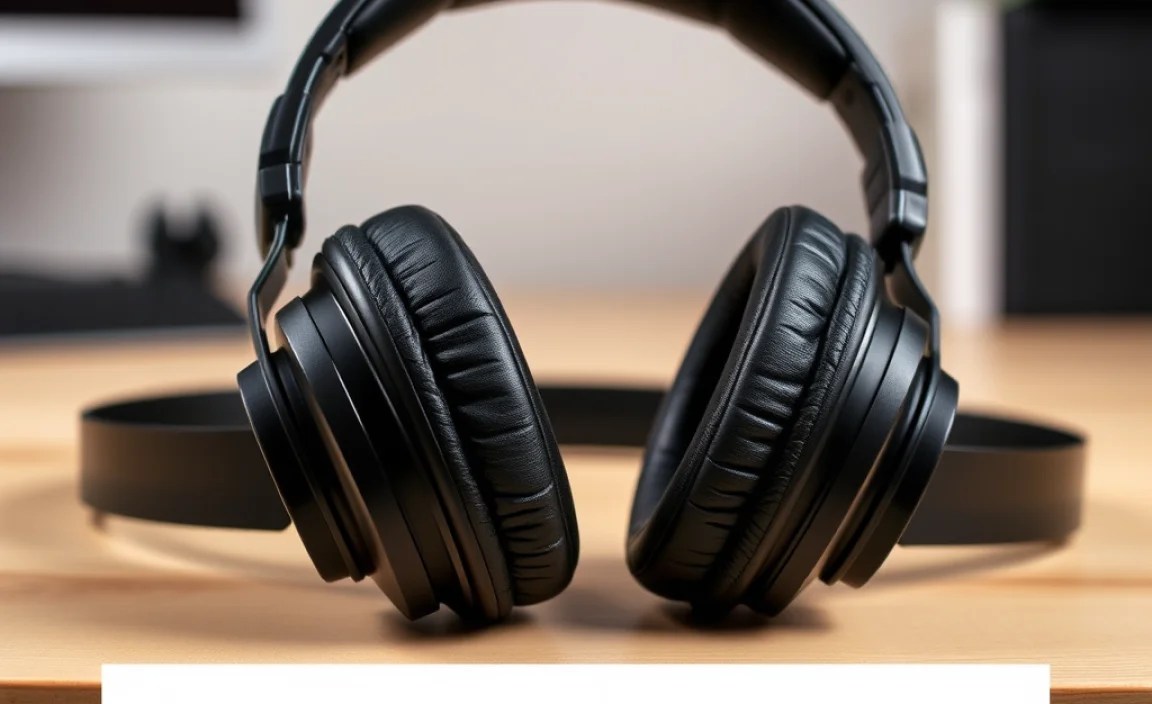
Once you’ve chosen your headphones, here’s how to get the most out of them:
- Connect Properly: Plug your headphones into the headphone jack of your digital piano or keyboard. If your headphones have a 3.5mm plug and your instrument has a 1/4-inch jack, use the adapter that usually comes with the headphones. Ensure a secure connection.
- Adjust Volume Gradually: Start with the volume very low on both your instrument and the headphones. Gradually increase the volume on your instrument first, then fine-tune with the headphone volume (if your headphones have an inline volume control) or the master volume until it’s comfortable and clear. Never start at a high volume to protect your hearing. The National Institute on Deafness and Other Communication Disorders (NIDCD) emphasizes the importance of protecting your hearing from loud noises.
- Check for Sound Leakage/Isolation:
- Closed-back: Play at a moderate volume and have someone else in the room. Can they hear your playing clearly? If not, they are isolating well.
- Open-back: Play at a moderate volume and see how much ambient noise you can still hear. If you can easily hear your family or the TV, they are isolating little, as intended.
- Listen Critically: Pay attention to the piano’s tone. Does it sound natural? Are you hearing details you didn’t notice before? Do the higher notes sound clear and the lower notes full?
- Comfort Check: Wear the headphones for at least 15-20 minutes. Do you feel any pressure points? Are they getting too hot? If comfort is an issue, consider adjusting the fit or exploring different earpad options if available.
Troubleshooting Common Headphone Issues
Even the best headphones can sometimes act up. Here are some simple fixes for common problems:
- No Sound:
- Is the headphone jack fully plugged in?
- Is the volume turned up on both the instrument and the headphones?
- Is the correct output selected on your instrument (if it has multiple audio options)?
- Try a different pair of headphones or a different device (like a phone) with your current headphones to determine if the issue is with the headphones or the instrument.
- One Side Not Working:
- This is often a cable issue. Wiggle the cable gently at the headphone earcup connection and the plug. If the sound cuts in and out, the cable might be damaged.
- Ensure the plug is inserted straight and fully (not angled).
- Scratchy or Distorted Sound:
- This could be a sign of a damaged cable or driver.
- Is the volume too high? Try lowering it on both your instrument and headphones.
- Check for dirt or debris in the headphone jack of your instrument.
- Headphones are Uncomfortable:
- Adjust the headband and earcup positioning.
- If the clamping force is too high, gently bend the headband outwards (on a stable surface) for a short period. Be careful not to overdo it.
- Consider purchasing aftermarket earpads made of different materials (like velour for breathability) if comfort remains an issue.
FAQs About Piano Headphones
Q1: Do I need special headphones for piano?
You don’t necessarily need “special” piano headphones, but you do need good quality headphones that accurately reproduce sound. Closed-back headphones are generally recommended for practicing to maintain privacy and reduce distractions. Open-back headphones offer a more natural sound but will leak sound.
Q2: What’s the difference between 3.5mm and 1/4-inch headphone jacks?
The 3.5mm jack is the common, smaller size found on most phones, laptops, and portable devices. The 1/4-inch jack is larger and is standard on most digital pianos, keyboards, and audio interfaces. Most headphones come with a 3.5mm plug and a screw-on 1/4-inch adapter for versatility.
Q3: Are open-back or closed-back headphones better for playing piano?
It depends on your priority. Closed-back headphones are better if you need to avoid disturbing others or block out external noise. Open-back headphones provide a more natural, spacious soundstage, which can be more enjoyable for critical listening to the piano’s tone, but they leak sound and offer minimal isolation.
Q4: Should I worry about active noise cancellation (ANC) for piano practice?
For piano practice, ANC is usually not a primary concern. Good passive noise isolation from a well-fitting closed-back headphone is typically sufficient. ANC can sometimes alter the sound profile, which might not be ideal for pure piano tone reproduction. It’s more beneficial for noisy environments like planes or commutes.
Q5: How long should my headphone cable be?
A comfortable cable length is typically between 6 to 10 feet (2 to 3 meters). This is long enough to give you freedom of movement at your instrument without being so long that it becomes a tripping hazard or gets tangled easily.
Q6: My digital piano has two headphone jacks. What does that mean?
Having two headphone jacks usually means you can plug in two pairs of headphones simultaneously. This is great for duets, teacher-student lessons, or when you want to share your practice session with someone else without needing a splitter. Check your piano’s manual to confirm.
Q7: How can I protect my hearing while practicing with headphones?
Always start with the volume low and gradually increase it. Listen for at least 20 minutes at a comfortable, moderate level. If you can’t hold a conversation with someone in the same room because of the headphone volume, it’s likely too loud. The World Health Organization (WHO) provides extensive information on the risks associated with noise exposure and hearing health, reinforcing the need for safe listening practices.
The Final Chord: Your Perfect Piano Sound Awaits
Choosing the best piano headphones is a rewarding step in your musical journey. Whether you prioritize absolute silence for your neighbors, the most natural sound for critical listening, or simply unparalleled comfort for those marathon practice sessions, there’s a perfect pair out there for you. By understanding the key features – sound quality, comfort, isolation, and design (open vs. closed-back) – you can make an informed decision that will significantly enhance your playing experience. Don’t be afraid to experiment, and always remember to listen responsibly to protect your precious hearing.
I hope this guide has demystified the world of piano headphones and empowered you to find that essential sound. Happy practicing, and may your music flow beautifully, heard only by you or shared as you intend! If you have any more questions or want to share your favorite headphone finds, feel free to drop a comment below. Until next time, keep those melodies playing!
