
Quick Summary: Discover how to choose the best quality earbud headphones for your needs. This guide breaks down essential features like sound quality, comfort, durability, and connectivity, helping you make a confident purchase for an exceptional listening experience. Learn what matters most for clear, immersive audio in everyday life.
Best Quality Earbud Headphones: Essential Sound for Everyday Listening
Hi there, audio adventurers! Edward Cavitt here from Headphone Horizon, your friendly guide to the world of amazing sound. Ever feel a little lost when you’re trying to pick new earbuds? There’s a whole universe of options out there, and it can seem a bit overwhelming. But don’t worry! My goal is to make choosing your next pair of earbuds as enjoyable as listening to your favorite song. Today, we’re diving into what makes an earbud truly “best quality,” focusing on the sound that brings your music, podcasts, and calls to life. Let’s demystify the jargon and find those perfect buds for you!
Why “Best Quality” Earbuds Matter

When we talk about “best quality earbud headphones,” we’re not just chasing the highest price tag. We’re looking for that sweet spot where excellent audio performance meets comfort, durability, and smart features. For many of us, earbuds are our daily companions. They’re with us on our commute, during workouts, while we’re trying to focus at work, and when we just want to unwind. Getting this right means upgrading your everyday experiences. Think about it: crystal-clear music that makes you feel like you’re at a live concert, podcasts where every word is distinct, and phone calls where you don’t have to say “Can you repeat that?” a dozen times.
A truly high-quality pair of earbuds will:
- Deliver rich, balanced sound.
- Fit comfortably and securely for hours.
- Be built to last through daily wear and tear.
- Offer reliable connectivity and useful features.
Investing a little extra time in understanding these aspects will pay dividends in listening pleasure and long-term value. Ready to explore what makes some earbuds stand out from the crowd?
Understanding Key Features of Quality Earbuds

Before we get into specific recommendations, let’s break down the anatomy of a great earbud. Knowing these terms will empower you to look beyond the marketing hype and find what truly matters for your listening habits.
1. Sound Quality: The Heart of the Matter
This is, hands down, the most critical aspect. Quality sound means clarity, detail, and a balanced profile across different frequencies (bass, mids, and treble). Here’s what to listen for:
- Frequency Response: This refers to the range of sound frequencies an earbud can produce. A wider, flatter response generally indicates better accuracy. For most listeners, a range of 20Hz to 20kHz (the typical range of human hearing) is standard, but how it’s tuned is key.
- Drivers: These are the tiny speakers inside the earbuds. Different driver types (dynamic, balanced armature, planar magnetic) offer distinct sound characteristics.
- Dynamic Drivers: Common, offer good bass, and are often less expensive.
- Balanced Armature (BA) Drivers: Known for clarity and detail, especially in mids and highs. Often used in professional in-ear monitors (IEMs).
- Hybrid Drivers: Combine different types (e.g., a dynamic driver for bass and a BA driver for mids/highs) to achieve a broad sound signature.
- Soundstage: This is the perception of “space” or “width” in the audio. A good soundstage makes music feel more immersive, as if the instruments are spread out around you.
- Distortion: High-quality earbuds will produce sound clearly even at higher volumes, without the unpleasant crackling or muddiness that signals distortion.
2. Comfort and Fit: Your Ears Will Thank You
Even the best-sounding earbuds are useless if they hurt or fall out. Comfort is subjective, but there are objective factors:
- Ear Tip Material and Size: Most earbuds come with silicone tips in various sizes. Some also offer foam tips, which can provide a better seal and passive noise isolation. Finding the right fit is crucial for both comfort and bass response. A good seal prevents sound from leaking out and outside noise from getting in. Visit the National Institute on Deafness and Other Communication Disorders (NIDCD) for tips on protecting your hearing, which includes proper headphone fit.
- Ergonomics and Weight: The shape of the earbud housing matters. How it sits in your ear, whether it’s lightweight, and if it has any wings or hooks to keep it in place during activity are all important for a secure and comfortable fit.
3. Durability and Build Quality: Ready for the Long Haul
Earbuds are often subjected to a lot of use and abuse. Quality construction means they’ll stand up to your daily life.
- Materials: Look for sturdy plastics, metal accents, and robust cable materials (if wired).
- Water and Sweat Resistance: An IP rating (Ingress Protection) indicates how well the earbuds are protected against dust and water. For example, an IPX4 rating means they can resist splashes and sweat, making them ideal for workouts.
- Cable Quality (for wired earbuds): A reinforced cable with good strain relief at the connectors is less likely to fray or break.
4. Connectivity and Features: Smarter Listening
For wireless and even some wired earbuds, these features enhance the user experience.
- Bluetooth Version (for wireless): Newer versions like Bluetooth 5.0, 5.2, or 5.3 offer better range, stability, and power efficiency.
- Codecs: These are the protocols that compress and decompress audio data. High-quality codecs like LDAC, aptX HD, or AAC can transmit higher-fidelity audio over Bluetooth compared to standard SBC.
- Active Noise Cancellation (ANC): This technology uses microphones to detect external noise and generate opposing sound waves to cancel it out. It’s a game-changer for noisy environments.
- Transparency Mode: The opposite of ANC, this mode uses external microphones to let you hear your surroundings without removing your earbuds. Great for safety or quick conversations.
- Battery Life: For true wireless earbuds, consider the combined battery life of the buds and the charging case.
- Microphone Quality: If you make a lot of calls, look for earbuds with good microphone technology for clear voice pickup.
Types of Earbud Headphones

The world of earbuds isn’t monolithic. They generally fall into a few categories, each with its own strengths:
1. Wired Earbuds
The classic choice. They connect directly to your device via a 3.5mm jack or USB-C. They often offer excellent sound quality for their price and don’t rely on battery power from your device or their own internal battery.
Pros of Wired Earbuds:
- Generally better sound quality for the price.
- No battery charging required for the earbuds.
- Zero latency, making them ideal for gaming or watching videos.
- No Bluetooth pairing issues.
Cons of Wired Earbuds:
- Cable can get tangled.
- Cable can snag on things.
- Limited compatibility with newer smartphones that lack headphone jacks.
- Less freedom of movement.
2. True Wireless Stereo (TWS) Earbuds
These are completely cable-free, with each earbud connecting independently to your device via Bluetooth. They usually come with a charging case.
Pros of TWS Earbuds:
- Ultimate freedom of movement.
- Compact and convenient charging case.
- Often feature advanced tech like ANC and touch controls.
Cons of TWS Earbuds:
- Reliance on battery life; need regular charging.
- Can be easier to lose individually.
- Potential for Bluetooth connection issues or latency.
- Sound quality can vary widely based on price and codecs.
3. Wireless Neckband Earbuds
These have two earbuds connected by a band that rests around your neck. The battery and controls are typically housed in the neckband.
Pros of Neckband Earbuds:
- More secure fit due to the connected band.
- Larger batteries can mean longer playtime.
- Less likely to lose than TWS earbuds.
- Often more affordable than premium TWS models.
Cons of Neckband Earbuds:
- The band can sometimes be a bit intrusive or noticeable.
- Less “freedom” than TWS, though still wireless.
How to Choose the Best Quality Earbuds for You
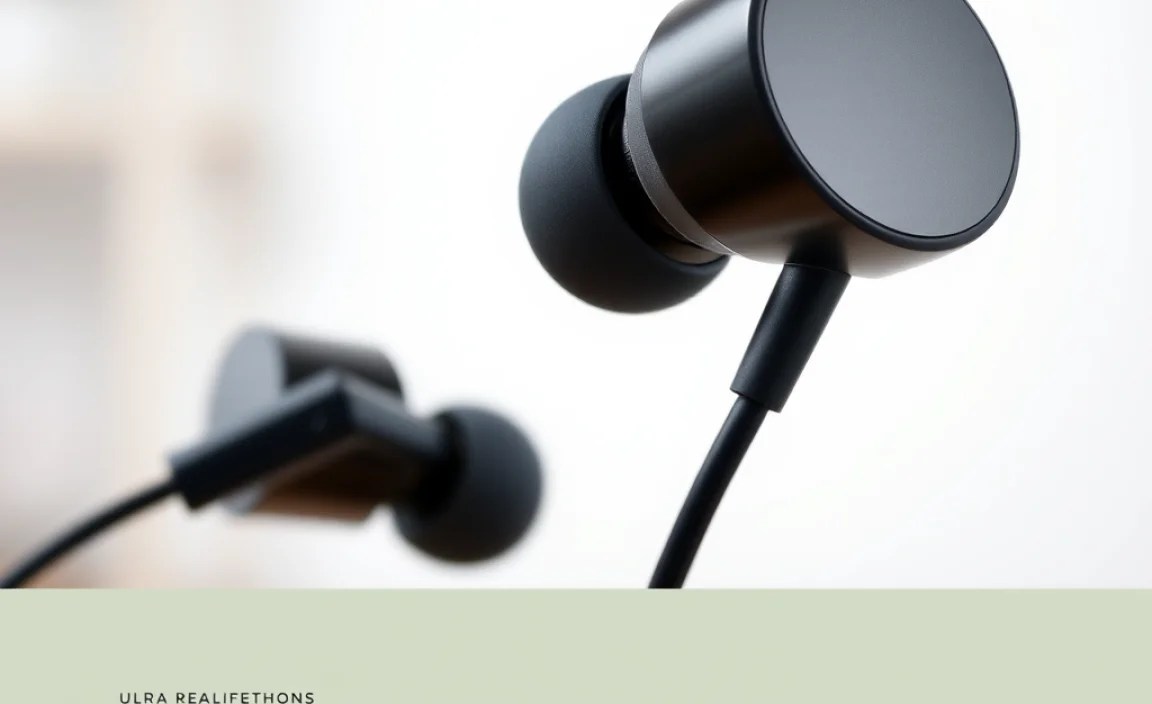
Now that you know what to look for, let’s put it all together with a step-by-step approach. This process will help you narrow down the vast options to find your perfect audio match.
Step 1: Define Your Primary Use Case
This is the most important question. What will you be doing with your earbuds most often?
- Commuting/Travel: ANC is a huge plus here. Comfort for long wear is also key.
- Workouts/Exercise: Look for a secure fit, sweat resistance (IP rating), and durability.
- Work/Calls: Excellent microphone quality and reliable Bluetooth connectivity are paramount. ANC can help with focus.
- Critical Listening/Music Enjoyment at Home: Sound quality and accuracy are king. Wired might be preferred for purity.
- Casual Listening/Podcasts: Comfort and ease of use are high priorities.
Step 2: Set Your Budget
Quality comes at a price, but you can find excellent options across various price points. Generally:
- Entry-Level (< $50): Good for basic needs, may have compromises in sound or features.
- Mid-Range ($50 – $150): Excellent value, often offering a good balance of sound, comfort, and features like basic ANC or decent battery life.
- Premium ($150+): Top-tier sound, advanced ANC, premium materials, and the latest features.
Remember, the “best” is relative to your needs and budget. A $100 pair might be the “best quality” for your specific situation, even if it’s not the most expensive.
Step 3: Prioritize Key Features Based on Use Case
Once you know what you’ll use them for and your budget, rank the features discussed earlier.
Example Priorities for a Commuter:
- Active Noise Cancellation (ANC)
- Comfort for long wear
- Good sound quality
- Adequate battery life
- Secure, but not necessarily rugged, fit
Example Priorities for a Gym-Goer:
- Secure, sweat-proof fit (IP Rating)
- Durability
- Good sound (bass response often appreciated)
- Convenience (TWS is usually preferred)
Step 4: Research and Read Reviews
This is where you start looking at specific models. Look for reviews from reputable tech sites and user feedback.
- Professional Reviews: Websites like Rtings.com, CNET, TechRadar, and What Hi-Fi? often provide in-depth, objective testing.
- User Reviews: Check reviews on retail sites (Amazon, Best Buy). Pay attention to recurring themes, both positive and negative, regarding comfort, battery, and sound issues.
- Audio Forums: For audiophile-level detail, communities like Head-Fi or Reddit’s r/headphones can be invaluable.
Step 5: Consider Brand Reputation and Warranty
Established brands often have a better track record for quality control and customer support. Look into the warranty offered; a good warranty provides peace of mind.
Step 6: Try Them On (If Possible)
If you can, try earbuds on in a store. Not all ears are the same, and what feels great to one person might not to another. Even if you plan to buy online, physically feeling the size and shape can be helpful.
Comparing Popular Earbud Types and Features
To make your decision process even easier, here’s a table highlighting common earbud types and their typical strengths:
| Earbud Type | Primary Use Cases | Key Strengths | Potential Weaknesses | Typical Price Range |
|---|---|---|---|---|
| Wired Earbuds | Critical listening, gaming, travel (if device has jack), budget-conscious users | Excellent sound for price, no battery worries, zero latency | Cable management, limited device compatibility | $15 – $200+ |
| True Wireless Stereo (TWS) Earbuds | Everyday use, workouts, commuting, work | Maximum freedom, convenient, feature-rich (ANC, Transparency), portable charging | Battery dependency, potential connectivity issues, can be lost | $50 – $400+ |
| Wireless Neckband Earbuds | Workouts, commuting, users who prioritize security | Secure fit, longer battery life, less likely to lose, often affordable | Neckband can be noticeable, less freedom than TWS | $40 – $150+ |
Understanding Important Audio Technologies
When you’re looking at higher-end earbuds, you’ll encounter specific technologies worth understanding:
Active Noise Cancellation (ANC) Differences
Hybrid ANC: Uses both feedforward (external) and feedback (internal) microphones for more effective noise cancellation across a broader frequency range. Often found in premium earbuds. Adaptive ANC: Automatically adjusts the level of noise cancellation based on your environment. Some high-end models can even adapt to how the earbuds fit.* Transparency Mode: Uses external microphones to pipe in ambient sound, allowing you to hear announcements or conversations without removing the earbuds. Essential for situational awareness.
Bluetooth Audio Codecs Explained Simply
Think of codecs as languages for Bluetooth audio. Higher-quality codecs can transmit more audio data, leading to better sound.
- SBC (Subband Coding): The universal standard. Works with all Bluetooth devices but offers the lowest audio quality.
- AAC (Advanced Audio Coding): Commonly used by Apple devices. Offers better sound quality than SBC and is more efficient.
- aptX / aptX HD: Qualcomm’s codecs, popular with Android devices. aptX HD offers significantly higher quality than standard aptX and SBC, approaching CD-like quality.
- LDAC: Developed by Sony. Can transmit much higher bitrate audio than other codecs, especially on Android devices. Often considered the highest quality Bluetooth codec.
For the best wireless audio, aim for earbuds and a source device that support aptX HD or LDAC, if possible. You can often check your device’s Bluetooth settings or the earbud’s specifications.
Driver Technologies: A Quick Glance
As mentioned earlier, drivers are the miniature speakers inside your earbuds. The type impacts sound:
| Driver Type | Typical Sound Character | Pros | Cons | Common In |
|---|---|---|---|---|
| Dynamic Driver | Full-bodied sound, strong bass, energetic | Good bass response, efficient, cost-effective | Can sometimes lack detail in mids/highs compared to BA | Most mass-market earbuds, TWS |
| Balanced Armature (BA) Driver | Detailed, precise mids and treble, clear | Excellent clarity and detail, good for vocals and instruments, compact | Can sound thinner or less impactful in bass without a dynamic driver | High-end TWS, professional IEMs |
| Hybrid Driver | Balanced, combines strengths of dynamic and BA | Offers punchy bass and detailed highs/mids | Tuning can be complex, potentially more expensive | Mid to high-end TWS, audiophile earbuds |
Essential Maintenance for Longevity
To keep your “best quality” earbuds sounding and performing their best for years, a little maintenance goes a long way:
- Clean Them Regularly: Use a soft, dry cloth to wipe down
