
Quick Summary: Discover headphones offering excellent sound and durability without breaking the bank. This guide helps beginners navigate key features, understand types of headphones, and make smart choices for outstanding value. Get ready to upgrade your listening experience smartly and affordably.
Hello audio adventurers! Edward Cavitt here from headphonehorizon, your go-to spot for all things sound. Are you on the hunt for headphones that deliver amazing audio quality and last a long time, all while being kind to your wallet? It can feel a bit overwhelming with so many options out there, but don’t worry! Finding the “best quality price headphones” isn’t about magic; it’s about knowing what to look for. This guide is designed for you – the listener who wants great sound without the headache of technical specs or the shock of a high price tag. Let’s dive in and make sure your next pair of headphones is a winner!
Unlocking Great Sound: What “Best Quality Price” Really Means

When we talk about “best quality price headphones,” we’re aiming for that sweet spot where fantastic performance meets sensible spending. It’s not necessarily about finding the absolute cheapest option, nor is it about grabbing the most expensive pair. Instead, it’s about identifying headphones that offer superior sound reproduction, comfortable ergonomics, robust build quality, and reliable functionality for every dollar you spend. Think of it as getting a high-five for your ears that doesn’t empty your wallet.
For beginners, this often translates to avoiding the pitfalls of extremely low-cost, no-name brands that might sound muddy or break within weeks. On the other hand, it also means recognizing that shelling out hundreds of dollars for premium features you might not need isn’t always the best move either. We’re looking for that perfect balance – headphones that provide an immersive and enjoyable listening experience, are built to withstand daily use, and represent excellent long-term value.
Types of Headphones: Finding Your Perfect Fit

Before you even start looking at specific models, it’s helpful to understand the different physical forms headphones come in. Each type has its own advantages for different listening scenarios:
1. Over-Ear Headphones
These are the ones that completely surround your ears. They often provide the most spacious soundstage and excellent comfort for long listening sessions. Because they seal around your ears, they also tend to offer good passive noise isolation, meaning they block out some external noise just by their design.
- Pros: Excellent comfort, superior soundstage, good noise isolation, often best for sound quality.
- Cons: Can be bulky, might get warm after extended use, not very portable.
2. On-Ear Headphones
These rest directly on your ears. They are a middle ground between over-ear and in-ear, offering a more compact design than over-ear models but potentially less isolation and comfort. Some find they can press on the ears over time.
- Pros: More portable than over-ear, can still offer good sound quality, some situational awareness.
- Cons: Can cause ear fatigue, noise isolation is often not as good as over-ear, sound can “leak” more easily.
3. In-Ear Monitors (IEMs) / Earbuds
These sit inside your ear canal, creating a seal for excellent noise isolation and direct sound delivery. They are incredibly portable and often favored by athletes or people on the go. The sound quality can range from basic to audiophile-grade.
- Pros: Highly portable, excellent noise isolation, secure fit (especially with wingtips or multiple ear tip sizes), often water/sweat resistant.
- Cons: Can feel intrusive in the ear canal for some, soundstage might be less expansive than over-ear, ease of losing them.
Key Features for Quality and Value

Now that we know the types, let’s talk about what makes a pair of headphones good value for their price. These are the features to keep your eyes peeled for:
1. Sound Quality
This is, of course, paramount. For “best quality price headphones,” you’re looking for clarity, balanced frequencies (not too much bass, not too harsh treble), and decent detail. Even budget headphones can sound good if they are tuned well. Avoid overly bass-heavy headphones that distort at higher volumes, as this often masks poor overall quality.
2. Build Quality and Durability
Headphones need to survive daily life. Look for sturdy materials like reinforced plastics, metal hinges, and well-constructed earcups. Good cables that are detachable are a huge plus, as they can be replaced if damaged. A solid build inspires confidence that your investment will last.
3. Comfort and Fit
Even the best-sounding headphones are useless if they’re uncomfortable to wear. For over-ear and on-ear models, check for plush ear pads and an adjustable headband. For in-ear models, ensure they come with multiple ear tip sizes to achieve a secure and comfortable seal.
4. Connectivity
Wired vs. Wireless:
- Wired: Generally offer the best sound quality for the price and don’t require charging. However, they can be tethered.
- Wireless (Bluetooth): Offer freedom of movement. Look for modern Bluetooth versions (like 5.0 or higher) for stable connections and better battery efficiency. Consider codecs like aptX or LDAC if you want higher fidelity wireless audio, though this is often found on pricier models.
5. Noise Isolation vs. Active Noise Cancellation (ANC)
- Passive Noise Isolation: This is sound blocking achieved through the physical design of the headphones (e.g., the seal of over-ear cups or in-ear tips). It’s standard on most headphones and is very effective.
- Active Noise Cancellation (ANC): This uses microphones to detect external noise and generate opposing sound waves to cancel it out. ANC is fantastic for commuting or noisy offices but can add to the cost and sometimes mildly affect sound quality. For “best quality price,” excellent passive isolation is often a better indicator of value than basic, ineffective ANC.
Navigating Headphone Specs: A Beginner’s Cheat Sheet
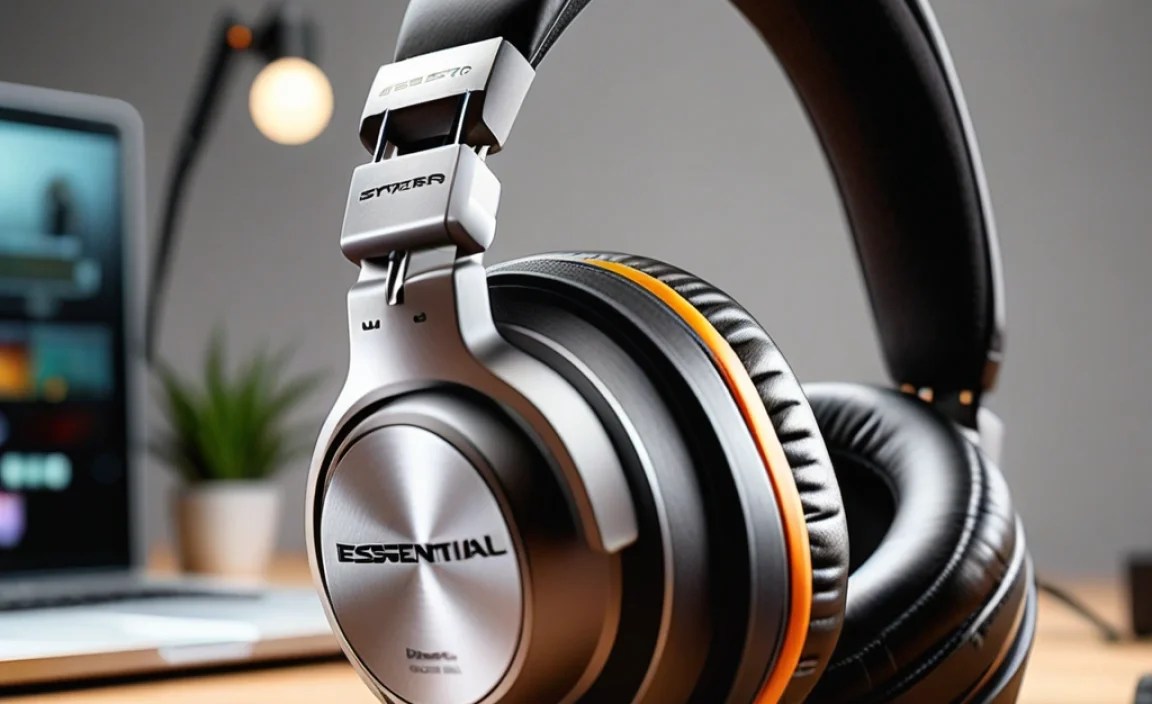
You’ll see terms like “impedance,” “frequency response,” and “driver size.” Don’t let these scare you! Here’s a super simple breakdown:
Driver Size
This is the component inside the headphone that actually produces sound. Larger drivers (measured in millimeters, mm) generally have the potential to produce a wider range of frequencies and more powerful bass, but it’s not a hard and fast rule. Good engineering matters more than sheer size.
Frequency Response
This indicates the range of sound frequencies a headphone can reproduce, measured in Hertz (Hz). The typical human hearing range is from about 20 Hz (low bass) to 20,000 Hz (high treble, or 20 kHz). Most headphones aim to cover this entire range. A spec like “20Hz – 20kHz” is standard and good.
Impedance
Measured in Ohms (Ω), impedance relates to how much electrical resistance the headphone has.
- Low Impedance (under 50 Ohms): These are easy to drive and work well with most devices like smartphones, tablets, and laptops without needing a separate amplifier. This is what most beginners should look for.
- High Impedance (50 Ohms and above): These often require a more powerful source (like a dedicated headphone amplifier) to reach optimal volume and sound quality. They are usually found in professional studio headphones or high-end audiophile gear.
For “best quality price headphones” for everyday use, sticking to lower impedance is usually the most practical choice.
Top Considerations for Smart Buying
When you’re on the hunt, keep these practical points in mind to ensure you’re getting the best bang for your buck:
1. Read Reviews from Reputable Sources
Look for reviews from websites known for their audio expertise. Sites like RTINGS.com, What Hi-Fi?, SoundGuys, and major tech publications often provide detailed, objective measurements and comparisons. Pay attention to reviews that discuss sound signature (how the bass, mids, and treble are balanced), comfort, and build quality.
2. Consider Your Primary Use Case
Where will you use your headphones most?
- Commuting/Travel: Look for portability, good noise isolation (or ANC), and durability. In-ear or compact folding over-ear headphones are often ideal.
- Home Listening: Comfort and sound quality are usually top priorities. Larger over-ear headphones often shine here.
- Exercise: Water/sweat resistance, a secure fit, and good portability are key. True wireless earbuds or sport-focused headphones are best.
- Work/Study: Balance comfort, isolation (to focus), and sound for calls or music.
Choosing headphones based on how you’ll use them ensures their features align with your needs, maximizing their value.
3. Don’t Be Afraid of Mid-Range Brands
While big brands have their merits, many less-hyped companies offer exceptional value. Brands like Anker Soundcore, Audio-Technica, Sennheiser (in their lower-to-mid ranges), Grado (some entry models), and Philips often have headphones that punch well above their weight class in terms of sound quality and build for their price.
4. Check for Sales and Discounts
The tech market is dynamic. Keep an eye out for holiday sales, seasonal promotions, or clearance deals. Sometimes, a model that was premium last year can be found at a significant discount, offering incredible value.
5. Understand Warranties and Return Policies
A good warranty can offer peace of mind. It shows the manufacturer has confidence in their product’s durability. A straightforward return policy also protects you if the headphones don’t meet your expectations.
Recommended Models: Where Quality Meets Price (Examples)
It’s impossible to give a fixed “best” list as it changes with new releases and market availability. However, here are types of headphones and brands that consistently offer great value in different categories, making them excellent candidates for “best quality price headphones.”
Entry-Level Audiophile Over-Ears (Great for Home)
These often provide a taste of high-fidelity sound without the premium price tag. They typically require a wired connection and focus on natural sound reproduction.
| Type | Brand/Model Example | Key Features | Typical Price Range (USD) |
|---|---|---|---|
| Open-Back Over-Ear | Audio-Technica ATH-M40x / ATH-AD700X | Balanced sound, comfortable for long sessions, good detail retrieval. Open-back offers wider soundstage but leaks sound. | $80 – $150 |
| Closed-Back Over-Ear | Sennheiser HD 400S / Beyerdynamic DT 770 PRO (80 Ohm) | Good isolation, punchy bass, durable build. DT 770 is a studio classic. | $70 – $150 |
Value Wireless On-Ear/Over-Ear (For Commuting & Daily Use)
Striking a balance between portability, features, and sound for everyday listening.
| Type | Brand/Model Example | Key Features | Typical Price Range (USD) |
|---|---|---|---|
| Wireless Over-Ear | Anker Soundcore Life Q30/Q35 | Excellent ANC for the price, long battery life, customizable EQ, comfortable. | $60 – $90 |
| Wireless On-Ear | JBL Tune 710BT | Lightweight, good bass response, easy controls, decent battery life. | $50 – $70 |
Budget-Friendly, High-Value In-Ear Monitors (IEMs)
These are fantastic for portability, noise isolation, and often deliver surprisingly good sound quality for their size and price.
| Type | Brand/Model Example | Key Features | Typical Price Range (USD) |
|---|---|---|---|
| Wired IEMs | Moondrop Chu II / KZ ZSN Pro X | Detailed sound, excellent value, comfortable fit with multiple ear tips. Great for music discovery. | $20 – $40 |
| True Wireless Earbuds | Anker Soundcore Liberty 4 NC | Good ANC for the price, adaptive EQ, decent sound, comfortable, long battery life. | $70 – $100 |
Note: Prices are approximate and can vary based on retailer, sales, and region. Always check current pricing and reviews before purchasing.
Simple Maintenance for Longevity
Taking care of your headphones ensures they sound great and last longer. Here are a few easy tips:
1. Keep Them Clean
- Ear Pads and Headbands: Wipe them down regularly with a slightly damp cloth. For fabric pads, you can sometimes use a mild soap solution, but ensure they are completely dry before use.
- Ear Tips (IEMs): Remove and clean these regularly with water and a tiny bit of mild soap. Dry them thoroughly! Earwax buildup can affect sound and hygiene.
- Driver Grilles: For over-ear models, gently brush or use compressed air to remove dust from the headphone grille. Be very gentle.
2. Store Them Properly
When not in use, store your headphones in a case or a safe place where they won’t get crushed, tangled, or exposed to dust and moisture. Many headphones come with a carrying pouch or case – use it!
3. Handle Cables with Care
If you have wired headphones, don’t yank the cable to unplug them; pull from the connector. Avoid wrapping the cable too tightly or with sharp kinks. Detachable cables are a lifesaver – if one gets damaged, you can often buy a replacement instead of the whole headphone. You can learn more about basic electronics care from resources like the U.S. Department of Energy’s consumer tips on electronics, which, while focused on lighting, offer general principles of care and longevity for electronic devices.
4. Avoid Extreme Conditions
Don’t leave your headphones in direct sunlight for extended periods, in a very hot car, or expose them to excessive moisture (unless they are specifically rated as waterproof/sweatproof). Heat and moisture can damage drivers and electronics.
Frequently Asked Questions (FAQ)
Q1: Can I really get good sound quality from headphones under $100?
Absolutely! Many brands like Anker Soundcore, Audio-Technica, and Sennheiser offer fantastic headphones in the $50-$100 range that provide excellent sound, comfort, and build quality. You might not get all the bells and whistles of premium models, but the core listening experience can be superb.
Q2: What’s the difference between a 3.5mm jack and USB-C for headphones?
A 3.5mm jack is the traditional headphone port found on most audio devices. USB-C is a newer, versatile port used for charging and data transfer, and increasingly, audio. USB-C headphones can offer digital audio and sometimes playback controls, bypassing your device’s internal DAC (Digital-to-Analog Converter), which can sometimes lead to cleaner sound. However, not all USB-C ports support audio output, so compatibility is key.
Q3: How important is the “sound signature” when buying?
“Sound signature” refers to how a headphone emphasizes different frequencies: bass, mids, and treble.
- V-shaped: Boosted bass and treble, recessed mids. Popular but can sound unnatural.
- Neutral/Balanced: Even emphasis across frequencies. Great for accuracy and detail.
- Warm: Slightly boosted bass and mids, softer treble. Relaxing sound.
- Bright: Emphasizes higher frequencies, can sound detailed but sometimes harsh.
For beginners, a neutral or slightly warm sound is often the most pleasing and versatile. You can find this information in detailed reviews.
Q4: My Bluetooth headphones keep disconnecting. What can I do?
Try resetting your headphones and re-pairing them with your device. Ensure Bluetooth is enabled on your device and there are no other Bluetooth devices causing interference. Keep your device and headphones relatively close, as distance and obstructions can weaken the signal. Also, ensure your headphones have sufficient battery charge, as low power can sometimes lead to connection issues.
Q5: Are open-back headphones really “better” than closed-back?
Not necessarily better, but different. Open-back headphones have perforated earcups,
