
Quick Summary: Looking for the best quality wired headphones? This guide makes it easy! We’ll help you understand what makes wired headphones great, explore key features to look for, and give you straightforward advice to find your perfect audio upgrade for immersive sound and reliable performance without the fuss of batteries.
Hey audio adventurers, Edward Cavitt here from headphonehorizon! Today, we’re diving into a topic that’s near and dear to my heart: the enduring charm and superior performance of wired headphones. In a world buzzing with wireless options, why stick with wires? Simple: unparalleled sound quality, zero battery anxiety, and a reliability that’s hard to beat. If you’re tired of audio dropouts, looking to truly hear your music the way it was intended, or just want a solid, dependable audio companion, then you’ve come to the right place. Let’s embark on a journey to find the best quality wired headphones that will elevate your listening experience from ordinary to extraordinary.
Why Wired Headphones Are Still Your Best Audio Bet

It might seem old-fashioned, but wired headphones offer significant advantages that many audiophiles and casual listeners alike still cherish. They bypass digital-to-analog conversion steps that can sometimes degrade sound in wireless transmission, leading to a purer, more detailed audio signal. Plus, no charging means they’re always ready when you are. For beginners, this simplicity is a huge plus, eliminating the need to manage battery life or worry about Bluetooth pairing issues.
Unrivaled Sound Fidelity
The direct connection of wired headphones allows for the transmission of audio data with minimal loss. This means you’re getting closer to the original recording, experiencing subtle nuances in music, podcasts, or movies that might be smoothed over by compression required for wireless audio. For anyone serious about sound quality, this direct path is invaluable.
No Battery, No Problem
One of the most practical benefits of wired headphones is their independence from batteries. You’ll never be caught with dead headphones mid-commute, during an important call, or while trying to relax with your favorite album. This reliability is a lifesaver for busy professionals, students, and anyone who just wants their gear to work, every single time.
Rock-Solid Connection
Say goodbye to frustrating dropouts and choppy audio. A wired connection is stable and consistent. This is crucial for activities like gaming where precise audio cues are important, or for professional audio work where interruptions are simply not an option.
Decoding Wired Headphone Features for Beginners
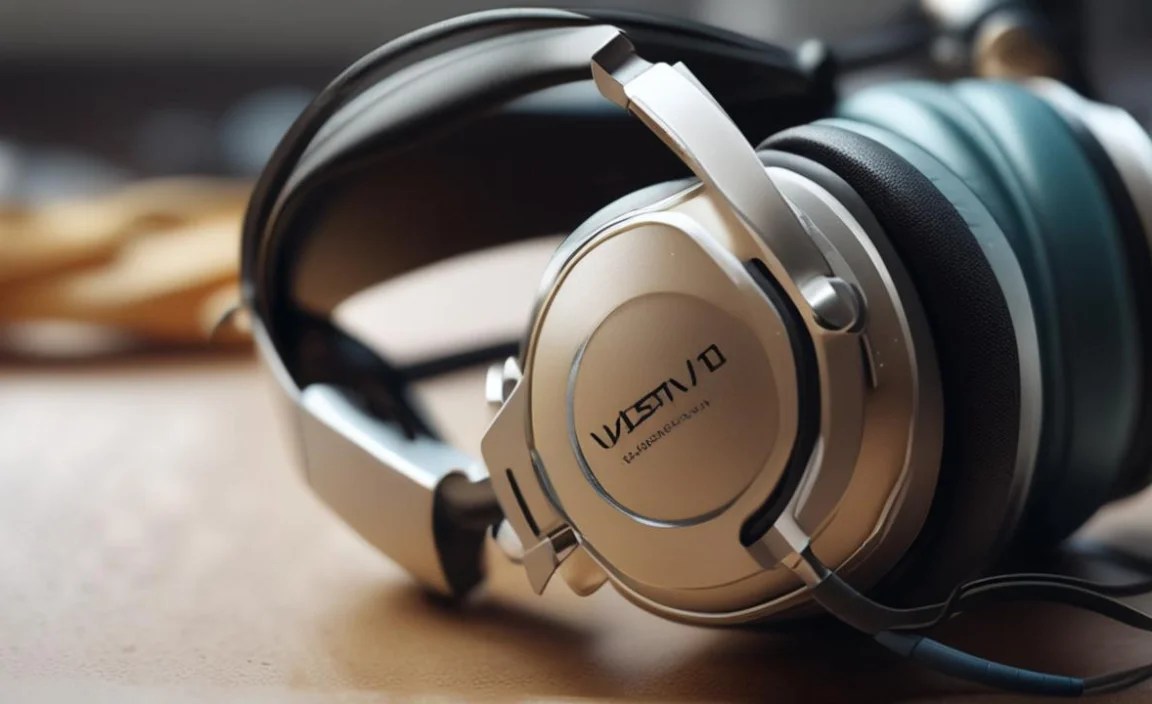
Navigating the world of headphones can sometimes feel like learning a new language. But don’t worry, we’ll break down the essential features you need to know to make an informed decision. Think of this as your friendly audio glossary.
Understanding Headphone Types
The physical design of headphones greatly impacts their sound and how you use them. For wired options, you’ll mainly encounter these:
- Over-Ear Headphones: These cups completely surround your ears. They often provide excellent comfort for long listening sessions and can offer great noise isolation, either passively (by physically blocking sound) or with active noise cancellation (ANC). They tend to deliver a wider soundstage and fuller bass.
- On-Ear Headphones: The earcups rest directly on your ears. They offer a more compact design than over-ear models, making them more portable. However, they can sometimes cause discomfort after extended wear and typically offer less passive noise isolation.
- In-Ear Monitors (IEMs) / Earbuds: These fit inside your ear canal, creating a seal. They are highly portable, offer excellent noise isolation due to the seal, and can deliver surprisingly detailed sound. They are perfect for on-the-go listening and workouts.
Driver Size: The Heart of the Sound
Drivers are the small speakers within your headphones that produce sound. Generally, larger drivers (measured in millimeters) can move more air, which can lead to more impactful bass and a richer overall sound. However, driver quality and design matter more than just size alone. You’ll often see drivers in sizes ranging from 10mm (common in earbuds) to 50mm or even larger (in high-end over-ear headphones).
Impedance: What’s That Mean for Your Ears?
Impedance is a measure of electrical resistance, measured in Ohms (Ω). For wired headphones, this figure is important for compatibility with your audio source.
- Low Impedance (under 32 Ohms): These are ideal for portable devices like smartphones, laptops, and MP3 players. They don’t require a lot of power to reach a satisfactory listening volume.
- High Impedance (over 50 Ohms, often 250-600 Ohms): These headphones require a dedicated headphone amplifier to perform at their best. They’re typically used in professional audio settings or by serious enthusiasts for their clarity and ability to resolve fine detail, but they won’t sound their full potential when plugged directly into a phone.
If you’re primarily using your headphones with a smartphone or laptop, sticking to models with lower impedance (around 16-32 Ohms) is usually the best bet for loudness and clarity without extra equipment.
Frequency Response: The Range of Sound
Frequency response describes the range of sound frequencies (from lowest bass to highest treble) that headphones can reproduce. It’s typically represented by two numbers, like 20Hz – 20,000Hz. The human hearing range is generally considered to be within this spectrum. While a wider range might seem better, the accuracy and balance of reproduction across that range are far more important than merely stating a wide number. Many headphones will claim extended ranges, but what matters is how they sound across the entire usable spectrum.
Sensitivity: How Loud Can They Get?
Sensitivity measures how loud the headphones can get with a given amount of power, measured in decibels (dB). A higher sensitivity (e.g., 100 dB or more) means the headphones will play louder with less power, making them a good match for devices that don’t provide a strong audio signal, like some smartphones or portable music players.
Top Considerations When Choosing Your Wired Headphones

Now that you know the lingo, let’s talk about what really matters when you’re picking out your next pair of best quality wired headphones.
Your Listening Environment
Where will you be using your headphones most often?
- Quiet environments (home, office): Open-back over-ear headphones can be fantastic here, as they offer a natural soundstage and breathability. They do leak sound, so they’re not ideal for shared spaces.
- Noisy environments (public transport, busy streets): Closed-back headphones (over-ear or on-ear) or well-sealing in-ear monitors offer the best passive noise isolation. Active Noise Cancellation (ANC) is also a strong contender for these settings, though it’s more common in wireless models.
- Active/Workout use: In-ear monitors are usually the best choice. Look for secure fit, water/sweat resistance, and a durable cable.
Comfort and Fit
This is paramount. If your headphones aren’t comfortable, you won’t wear them, no matter how good they sound.
- Over-Ear: Check earcup padding, headband adjustability, and clamping force.
- On-Ear: Ensure earpads are soft and don’t press too hard.
- In-Ear: A good seal is crucial for sound quality and noise isolation. Most come with multiple ear tip sizes (silicone, foam) to help you find the perfect fit.
Durability and Build Quality
A well-built headphone will last longer. Look for materials like aluminum, sturdy plastics, and reinforced cable entry points. Consider the cable itself – is it detachable? Is it thick and robust, or thin and flimsy? Detachable cables are a plus, as they can be replaced if they get damaged, extending the life of your headphones considerably.
Budget: Investing in Your Audio
Wired headphones span a huge price range. You can find decent pairs for under $50, and audiophile-grade models that cost thousands. For excellent quality without breaking the bank, you can often find fantastic options in the $100-$300 range. It’s about finding the best value for your needs and ears.
Recommended Features for the Best Quality Wired Headphones

Let’s highlight some specific features that often distinguish a good pair of wired headphones from a truly great one. These are the aspects that contribute to that superior listening pleasure.
Detachable Cables
This is a game-changer for longevity and versatility. If the cable frays or breaks, you can simply unplug it and replace it with a new one, rather than needing to buy a whole new pair of headphones. This is a feature to look for especially in mid-to-high-end models.
Premium Materials
Expect to see things like:
- Metal or quality plastic construction: For the earcups, yokes, and headband.
- Plush earpads: Made from memory foam, velour, or high-quality synthetic leather for long-term comfort.
- Braided or reinforced cables: To resist tangles and wear.
Open-Back vs. Closed-Back Design
As mentioned earlier, this significantly impacts sound and isolation.
- Open-Back: Offers a more natural, spacious, ‘airy’ soundstage. Sound “leaks” out, so they aren’t for public use, and they offer less passive noise isolation. Ideal for critical listening in quiet environments.
- Closed-Back: Provides better noise isolation, prevents sound leakage, and often has more pronounced bass. Better for travel, noisy environments, and recording studios.
For sheer sound quality in a quiet room, many recommend open-back designs. For everyday versatility, closed-back is often the winner.
Balanced Armature vs. Dynamic Drivers
While dynamic drivers are very common (and often larger), balanced armature (BA) drivers are also used, especially in IEMs. BA drivers are smaller, more power-efficient, and excel at producing detailed mid and high frequencies. Some high-end IEMs use a combination of both dynamic and BA drivers to cover the full spectrum exceptionally well.
A Comparison of Popular Wired Headphone Categories

To give you a clearer picture, here’s a look at what you might expect in different price brackets for quality wired headphones. Remember, these are general trends, and there are always exceptions!
| Category | Typical Price Range | Key Strengths | Best For |
|---|---|---|---|
| Entry-Level Quality Audiophile | $50 – $150 | Significant improvement over stock earbuds, decent clarity, good bass response. Easy to drive from most devices. | Casual listeners, students, first-time upgrade, general music listening. |
| Mid-Range Performance | $150 – $300 | Detailed sound, well-balanced frequency response, improved build quality, often detachable cables. Wider soundstage. | Music enthusiasts, podcast lovers, casual professionals, those seeking a noticeable step up. |
| High-End Excellence | $300 – $600+ | Exceptional detail and clarity, very accurate sound reproduction, premium materials, wide soundstage, advanced driver technology. | Serious audiophiles, music creators, critical listening, those who demand the best sound. |
It’s worth noting that professional audio headphones, often made for studio monitoring, also fall into these categories and are known for their flat, accurate sound profiles. You can learn more about audio standards and best practices from organizations like the Audio Engineering Society (AES).
Step-by-Step: How to Choose Your Perfect Pair
Let’s break down the process of finding your ideal wired headphones into simple, manageable steps.
- Assess Your Primary Use Case: What will you use them for most? Commuting? Studying? Gaming? Critical music listening? Your answer will dictate the type, isolation needs, and durability you require.
- Determine Your Budget: Set a realistic price range. Remember that investing a bit more can often lead to a significantly better and longer-lasting product.
- Consider Comfort and Fit: Read reviews specifically mentioning comfort for long sessions. If possible, try headphones on in a store. For IEMs, ensure they come with various ear tip sizes.
- Research Key Specifications (Don’t Get Lost!): Focus on impedance (low for portable devices, high for amps), and driver type/size if it’s a significant factor for the headphones you’re considering. Don’t obsess over frequency response numbers alone.
- Read Reviews and Watch Comparisons: Look for reputable audio reviewers who describe sound quality in ways that resonate with you. Pay attention to build quality and long-term durability comments.
- Check for Detachable Cables: This is a feature that nearly always adds value and longevity.
- Make the Purchase! Once you’ve narrowed down your options and feel confident, take the plunge. Enjoy your new audio upgrade!
Popular Brands Known for Quality Wired Headphones
While we can’t list every great brand, here are some names that consistently deliver excellent quality wired headphones across various price points. They are well-regarded for their sound engineering and build quality:
- Sennheiser: A German giant known for its balanced and detailed sound across a huge range, from budget-friendly to professional models.
- Audio-Technica: Offers a wide array of headphones, many praised for their clarity and value, particularly in the mid-range.
- Beyerdynamic: Another German brand, famous for its durable, well-built headphones, often with a brighter, more analytical sound signature. Great for studio use.
- Grado: Known for their distinctive, lively, and energetic sound, especially their open-back models originating from Brooklyn.
- AKG: (Now part of Harman, owned by Samsung) Offers a range of headphones with a reputation for clarity and neutral sound.
- Shure: Primarily known for their professional audio gear, their IEMs are highly sought after for their durability and detailed sound.
Frequently Asked Questions (FAQ)
Q1: Do I need an amplifier for most wired headphones?
A1: Not necessarily! For headphones with low impedance (typically 16-32 Ohms), your smartphone, laptop, or tablet will have enough power. If you’re looking at headphones with high impedance (50 Ohms or more, especially those 250 Ohms and up) or you want to get the absolute best sound out of them, a dedicated headphone amplifier might be beneficial.
Q2: What’s the difference between audiophile-grade and regular wired headphones?
A2: Audiophile-grade headphones are designed with sound reproduction accuracy and detail as their highest priority. They often use higher-quality components, have more neutral or revealing sound signatures, and are built to reveal subtle nuances in recordings. Regular headphones might focus more on loudness, bass emphasis, or casual listening comfort, sometimes at the expense of fine detail or soundstage.
Q3: How important is the headphone jack type (e.g., 3.5mm vs. 6.35mm)?
A3: The most common is the 3.5mm (1/8-inch) jack, found on almost all mobile devices and laptops. The 6.35mm (1/4-inch) jack is larger and found on audio equipment like amplifiers, mixers, and instruments. Many higher-end headphones come with a detachable cable that terminat
