
The best quality wireless headphones offer unparalleled sound, cutting-edge technology, and seamless connectivity, enhancing every listening experience. Whether you’re a music lover, a gamer, or someone who simply appreciates crystal-clear audio, understanding the top features and how to choose the best option is vital.
Wireless headphones have revolutionized how we consume audio content, offering convenience and freedom from tangled wires. As technology advances, the demand for high-quality wireless headphones continues to rise. With countless brands and models available, selecting the best option can be daunting. This article delves into what makes wireless headphones the best in quality and why they are a worthwhile investment.
Key Takeaways
- Sound Quality: Essential for an immersive listening experience.
- Battery Life: Long-lasting battery ensures uninterrupted usage.
- Comfort: Ergonomic design supports extended wear.
- Connectivity: Reliable Bluetooth or wireless connection.
- Features: Noise-cancellation and voice assistant integration.
- Brand Reputation: Top brands often offer superior performance.
- Price: Consideration of budget versus features offered.
The best quality wireless headphones combine superior sound, extended battery life, and innovative features. Comfort and connectivity are also critical, ensuring a top-notch user experience. Evaluating brand reputation and pricing helps in making an informed purchase decision.
What is best quality wireless headphones?

Best quality wireless headphones are audio devices that offer exceptional sound clarity, comfort, and cutting-edge technology without the need for cables. They are designed for those who demand high fidelity and convenience in their listening experiences.
Key Features of High-Quality Wireless Headphones
- Sound Clarity: Balanced bass, midrange, and treble.
- Noise Cancellation: Active noise-cancelling technology.
- Battery Life: Minimum 20-hour battery life for prolonged use.
- Wireless Range: Supports long-distance connectivity, typically up to 30 feet.
- Comfort and Fit: Lightweight design with adjustable headbands and cushioned ear cups.
True high-quality wireless headphones are distinguished by their superior sound quality and innovative features like noise cancellation. They ensure comfort over prolonged use and offer robust wireless range and battery life, making them ideal for various listening environments.
Why best quality wireless headphones is Important?
Investing in the best quality wireless headphones is crucial for anyone seeking to enhance their audio experiences. These headphones offer more than just sound; they provide a gateway to a world where clarity, freedom, and convenience reign supreme.
Benefits of Using High-Quality Wireless Headphones
- Enhanced Audio Experience: Experience music as intended by artists.
- Portability: Ideal for travel and on-the-go use.
- Convenience: No wires mean less clutter.
- Healthier Listening: Noise-cancelling reduces the need for higher volumes.
- Advanced Features: Integration with smart devices for voice commands.
The best wireless headphones transform your audio experiences by providing exceptional sound quality, portability, and convenience. They reduce the need for high volume thanks to noise cancellation, and often integrate advanced features for a smarter listening experience.
Step-by-Step Guide to best quality wireless headphones

Step 1: Determine Your Needs
- Identify Usage: Casual listening, workouts, or professional.
- Set a Budget: Determine how much you’re willing to spend.
- Feature Preferences: Noise cancellation, water resistance, etc.
Understanding your specific listening needs and budget is crucial in guiding you toward the ideal wireless headphones. Identifying key features that match your lifestyle will narrow down your choices.
Step 2: Research and Compare Models
- Read Reviews: Look for expert opinions and user feedback.
- Compare Specifications: Battery life, range, sound quality.
- Brand Comparison: Consider brand reputation and customer service.
Conduct thorough research to compare different models. Reading expert and user reviews alongside specification comparisons ensures you find a pair that meets your criteria.
Step 3: Test Sound Quality
- Try In-Store: Test models at a local electronics store.
- Listen for Clarity: Ensure clear and balanced sound.
- Test Noise Cancellation: Check its effectiveness in noisy environments.
Testing headphones in person, if possible, provides insight into sound quality and comfort. Pay attention to clarity and how well noise cancellation works in various settings.
Step 4: Evaluate Comfort and Fit
- Check for Adjustability: Ensure a snug yet comfortable fit.
- Material Quality: Look for breathable and durable materials.
- Long-term Wear: Consider comfort during extended periods of use.
Comfort and fit are paramount, especially for long-duration use. Ensure the headphones are adjustable and made from high-quality materials, enhancing overall comfort.
Step 5: Final Purchase Decision
- Weigh Pros and Cons: Consider performance versus cost.
- Look for Warranties: Secure your investment with a solid warranty.
- Purchase from Reputable Sellers: Ensure authenticity and support.
After thorough evaluation, make a confident purchase decision by weighing the advantages and potential drawbacks. Purchasing from reputable sources with a warranty guarantees quality and support.
Alternative Methods / Tools
Method 1: Wired Headphones
- Sound Quality: Often superior due to direct connection.
- No Battery Worries: No need for charging.
- Price: Typically less expensive.
Wired headphones can be an alternative for those prioritizing sound quality over convenience. They offer consistent sound without concerns about battery life.
Method 2: Earbuds
- Compact: Easily portable and discreet.
- Wireless Options: Many models offer Bluetooth connectivity.
- Variety: Available in many styles and fits.
Earbuds provide a compact and often more affordable alternative to full-sized headphones. They are ideal for on-the-go use, often offering wireless convenience.
Troubleshooting Common Issues
Issue: Connectivity Problems
- Check Device Compatibility: Ensure your device supports the headphone’s Bluetooth version.
- Reset Headphones: Follow the manufacturer’s reset procedure.
- Update Firmware: Install the latest updates for improved connectivity.
Connectivity issues can often be resolved by verifying compatibility and updating your device’s firmware. Resetting the headphones is also an effective troubleshooting step.
Issue: Poor Sound Quality
- Inspect for Damage: Check for physical damage to the headphones.
- Adjust Audio Settings: Ensure device settings are optimized for headphones.
- Check Source Quality: Ensure the audio source is of high quality.
Sound quality issues may stem from physical damage, incorrect audio settings, or poor-quality audio sources. Diagnosing these elements helps enhance sound performance.
Advanced Techniques
Clean Install
- Remove Old Pairings: Clear previous connections from the device.
- Re-pair Devices: Reconnect to establish a fresh connection.
- Update Drivers: Ensure device drivers are current.
Performing a clean install by clearing old pairings and updating drivers can resolve persistent connectivity issues.
Audio Optimization
- Use EQ Settings: Adjust equalizer settings for preferred sound.
- Enable Audio Enhancements: Utilize any available audio enhancements.
- Optimize Device Settings: Tailor settings for optimal headphone performance.
Optimizing audio settings enhances listening experiences, allowing users to tailor sound to their preferences.
Prevention & Maintenance Tips
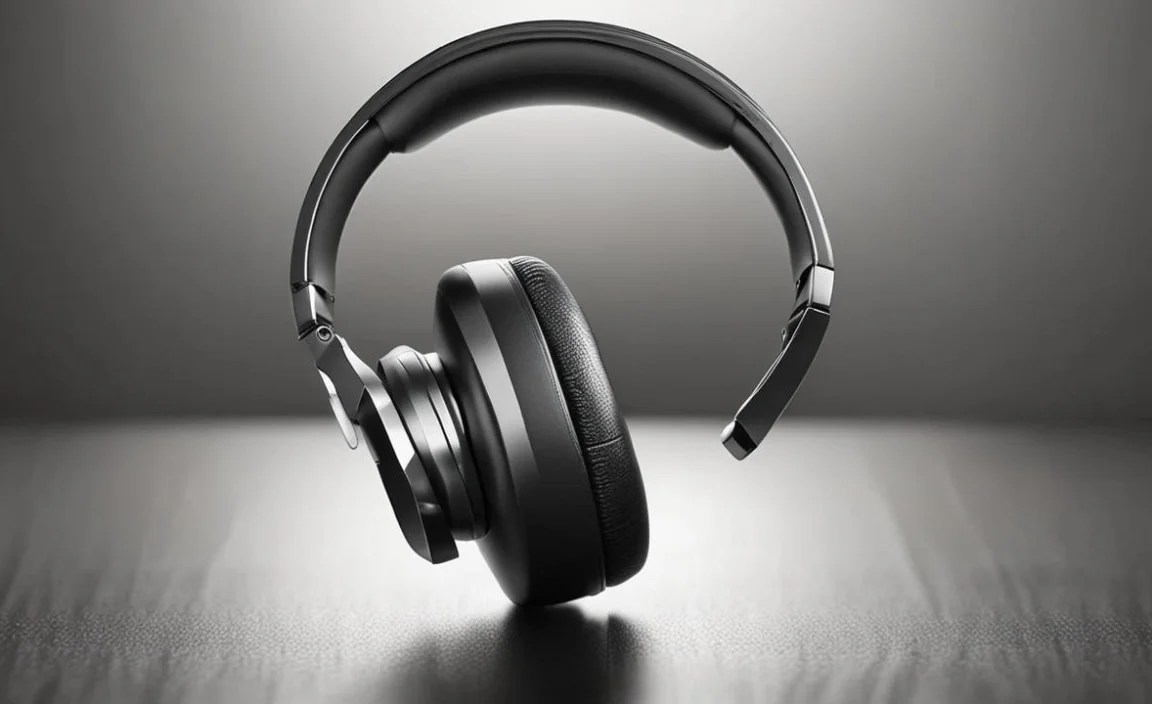
- Regular Cleaning: Clean headphones regularly to prevent buildup.
- Safe Storage: Store in a protective case when not in use.
- Battery Care: Charge only when necessary to extend battery life.
- Firmware Updates: Keep firmware up to date for optimal performance.
Regular maintenance, such as cleaning and safe storage, prolongs the lifespan of wireless headphones. Keeping up with firmware updates ensures they remain in top working condition.
Real-Life Examples
One notable case involved **John, an audiophile who switched to the Bose QuietComfort 45**. He found their noise cancellation superior, enhancing his music experience during flights. Another example is **Sarah, a fitness enthusiast, who chose the Jabra Elite 7 Active**. These provided a secure fit and resistance to sweat, great for her intense workouts.
Stats & Data Section
According to Grand View Research 2025, the global wireless headphones market is expected to grow at a CAGR of 20.3% from 2021 to 2028.
As per Statista 2024, over 80% of headphone users in the US prefer wireless options for convenience.
Research by TechNavio 2024 reveals that noise-cancelling headphones account for 45% of the market demand.
Driver Update Methods Compared
| Method | Difficulty | Speed | Best For | Notes |
|---|---|---|---|---|
| Manual Update | Medium | Slow | Experienced Users | Requires technical knowledge. |
| Automatic Update Software | Easy | Fast | General Users | Recommended for ease of use. |
| Manufacturer’s App | Easy | Fast | Brand Specific | Limited to specific brands. |
Conclusion
Investing in the best quality wireless headphones is an investment in superior sound, comfort, and convenience. By understanding your audio needs and evaluating various models, you can find the perfect headphones to enhance your listening experience. Keep your headphones in optimal condition with regular maintenance and enjoy the sophisticated world of wireless audio technology.
Frequently Asked Questions
Question 1: How Do I Choose the Best Wireless Headphones?
Answer: Consider factors like sound quality, battery life, comfort, and additional features such as noise cancellation.
Question 2: Are Wireless Headphones Better Than Wired?
Answer: Wireless headphones offer convenience and freedom, while wired headphones may provide better sound quality.
Question 3: How Important is Noise Cancellation?
Answer: Noise cancellation is crucial for immersive listening in noisy environments, reducing the need for high volumes.
Question 4: Can I Use Wireless Headphones with Any Device?
Answer: Most wireless headphones are compatible with Bluetooth-enabled devices, but check compatibility before purchasing.
Question 5: How Long Do Wireless Headphones Last?
Answer: With proper care, high-quality wireless headphones can last several years, depending on usage and maintenance.
Question 6: Do All Wireless Headphones Have a Microphone?
Answer: Most models include built-in microphones for calls and voice commands, but always verify if this feature is important.
Question 7: What is the Average Battery Life of Wireless Headphones?
Answer: Battery life varies, but many high-quality models offer 20-30 hours of continuous playback.
Question 8: How Do I Maintain My Wireless Headphones?
Answer: Regular cleaning, proper storage, and timely firmware updates are essential for maintenance.
Question 9: Are Expensive Headphones Worth the Price?
Answer: Often, they provide superior sound, durability, and functionality, making them a worthwhile investment for frequent users.
