
Discover the best range headphones for crystal-clear, uninterrupted audio. This guide simplifies wireless headphone ranges, explains key features, and helps you choose models that offer freedom and exceptional sound quality for music, calls, and more. Get the most out of your wireless audio experience with confidence.
Best Range Headphones: Effortless Audio, Unplugged and Uninterrupted

Hello, audio explorers! Edward Cavitt here from Headphone Horizon, your friendly guide to the wonderful world of sound. Ever found yourself frustratingly close to your device, worried that a single step away will cut off your music or drop your important call? It’s a common frustration, and one that can really break the immersion whether you’re enjoying your favorite tunes, diving into a podcast, or trying to stay connected.
That’s precisely where the magic of “best range headphones” comes in. These aren’t just about good sound; they’re about the freedom to move, to multitask, and to live your life without being tethered. We’re talking about a wireless experience that feels truly effortless. Let’s demystify what makes a headphone “best range” and help you find that perfect pair that lets you roam free.
Understanding Wireless Headphone Range: What “Best Range” Really Means

When we talk about “best range headphones,” we’re essentially referring to wireless headphones that can maintain a stable, high-quality audio connection with your source device (like your phone, laptop, or tablet) over a significant distance.
The primary technology behind most wireless audio today is Bluetooth. The “range” you experience with Bluetooth headphones isn’t a fixed number; it’s influenced by several factors, including the Bluetooth version, the power of your headphones and source device, and the environment.
Bluetooth Versions and Their Impact on Range
Different versions of Bluetooth come with different capabilities, including potential range. Generally, newer versions offer better performance, including improved range and stability.
- Bluetooth 4.x (e.g., 4.0, 4.2): These are older standards. They typically offer a range of around 33 feet (10 meters) in ideal conditions. You might notice more dropouts in crowded areas or through walls.
- Bluetooth 5.x (e.g., 5.0, 5.1, 5.2, 5.3): This is the current standard for most modern devices. Bluetooth 5.x significantly boosts range, theoretically up to 800 feet (240 meters) at lower data rates. However, for typical audio streaming, you can realistically expect a much more robust connection up to 50-100 feet (15-30 meters), even with some obstructions. Bluetooth 5.x also offers better power efficiency and faster data transfer, which contributes to a more stable signal.
When looking for headphones with the best range, prioritize those that support Bluetooth 5.0 or later. This is often advertised directly on the product packaging or in the specifications list.
Factors Affecting Real-World Wireless Range
The advertised theoretical range and what you experience day-to-day can differ. Understanding these factors will help you manage expectations and troubleshoot common issues:
- Obstructions: Walls (especially brick or concrete), furniture, and even people can interfere with the Bluetooth signal. The more physical barriers between your headphones and your device, the shorter the effective range will be.
- Interference: Other wireless devices operating on the same 2.4 GHz frequency band (like Wi-Fi routers, microwaves, and other Bluetooth devices) can cause interference, leading to audio dropouts or reduced range.
- Antenna Quality: The design and quality of the antennas in both your headphones and your source device play a crucial role. Better antennas can pick up and transmit signals more effectively.
- Power Output: Devices with higher Bluetooth power output capabilities can generally transmit signals further.
- Audio Codec: While not directly range-related, the audio codec used (like SBC, AAC, aptX) can affect the stability of the connection, especially at longer distances. Advanced codecs often require a more robust signal.
For optimal range, try to keep your source device within your line of sight of your headphones and minimize the number of physical obstructions. For more in-depth information on Bluetooth technology, the official Bluetooth website offers comprehensive resources.
What to Look for in “Best Range” Headphones

Beyond just the Bluetooth version, several other features and specifications contribute to a superior wireless audio experience with excellent range. Identifying these will help you make a more informed purchase.
Key Features for Extended Wireless Freedom
When shopping for headphones with substantial range, keep an eye out for these:
- Bluetooth 5.0 or Higher: As discussed, this is the baseline for good range. Look for explicit mentions of the Bluetooth version.
- Supported Audio Codecs: While SBC is standard, support for AAC (good for Apple devices) or aptX, aptX HD, or LDAC (often better for Android and offer higher fidelity and potentially more stable performance) can enhance the overall connection quality. A stable connection is often a characteristic of good range.
- Multipoint Connectivity: This feature allows your headphones to connect to two devices simultaneously (e.g., your phone and laptop). While not directly about range, it enhances usability and often relies on a stable connection to manage multiple streams, indirectly benefiting from good range capabilities.
- Active Noise Cancellation (ANC): Many headphones with ANC also invest in robust wireless technology to provide a seamless listening experience. While ANC itself doesn’t increase range, it’s often a feature found on premium models that also prioritize connection stability.
- Brand Reputation: Established audio brands often have more sophisticated antenna designs and firmware optimization, leading to more reliable wireless performance and better range. Researching reviews from trusted sources can reveal which brands consistently deliver on wireless reliability.
- Physical Design and Build: Sometimes, the internal antenna placement and the casing material can affect signal propagation. More premium builds might incorporate better internal antenna solutions.
Understanding Signal Strength Indicators
While most headphones don’t explicitly show a “signal strength” meter like Wi-Fi, you can often infer it:
- Audio Stuttering/Dropouts: This is the most common sign of a weak signal or interference.
- Connection Hiss or Static: Can indicate a weak connection struggling to maintain clarity.
- Device Battery Levels: Both your headphones and your source device need sufficient battery to transmit a strong signal.
For those interested in the technical specifics of Bluetooth and its capabilities, the International Telecommunication Union (ITU) provides relevant standards and RECOMMENDATIONS.
Top Picks for Best Range Headphones (Beginner-Friendly Categories)

Finding the “best range” headphones doesn’t necessarily mean the most expensive. It means finding a pair that fits your needs and budget while offering reliable wireless performance. Here are some categories and examples to get you started. Please note that specific model availability and features can change, so always check the latest specifications.
Category 1: All-Around Performers (Excellent Balance of Range & Features)
These headphones offer a great combination of long-range Bluetooth, good sound quality, comfort, and useful features. They are excellent choices for most users.
| Headphone Model (Example) | Key Range Feature | Typical Use Case | Pros | Cons |
|---|---|---|---|---|
| Sony WH-1000XM5 | Bluetooth 5.2, LDAC support | Commuting, working, immersive listening | Industry-leading noise cancellation, exceptional sound, good multi-device support | Premium price point, can get warm for some in long sessions |
| Bose QuietComfort Ultra Headphones | Bluetooth 5.3, Multipoint | Travel, office, everyday listening | Superb comfort, effective ANC, clear call quality, strong wireless stability | App integration required for some features, battery life could be better than competitors |
| Sennheiser Momentum 4 Wireless | Bluetooth 5.2, aptX Adaptive | Long listening sessions, travel, general use | Outstanding battery life (up to 60 hours), great sound quality, good comfort | ANC not as effective as Sony/Bose, design is a bit plain for some |
Category 2: Budget-Friendly Options with Surprisingly Good Range
You don’t have to break the bank to get decent wireless range. These models offer great value and reliable Bluetooth performance for their price.
| Headphone Model (Example) | Key Range Feature | Typical Use Case | Pros | Cons |
|---|---|---|---|---|
| Anker Soundcore Life Q30/Q35 | Bluetooth 5.0/5.2, multiple codecs | Students, casual listeners, budget-conscious users | Excellent value, good ANC for the price, long battery life, accessible app | Sound quality is good but not audiophile-grade, ANC can be less refined than premium models |
| JBL Tune 760NC | Bluetooth 5.0 | Daily commute, general listening | Solid bass response, decent ANC, comfortable fit, good brand trust | Slightly less refined sound than ANC leaders, ANC might not be as powerful |
| Skullcandy Crusher Evo | Bluetooth 5.0 | Bass lovers, casual listening, gaming | Unique “bass sensory” feature, comfortable, good connectivity | Sound profile is very bass-heavy (can be a pro or con), ANC not a primary focus |
Disclaimer: Specific models and their features are subject to change by manufacturers. Always check the latest product descriptions before purchasing. These are examples to illustrate what to look for in each category.
Setting Up and Maximizing Your Headphone Range
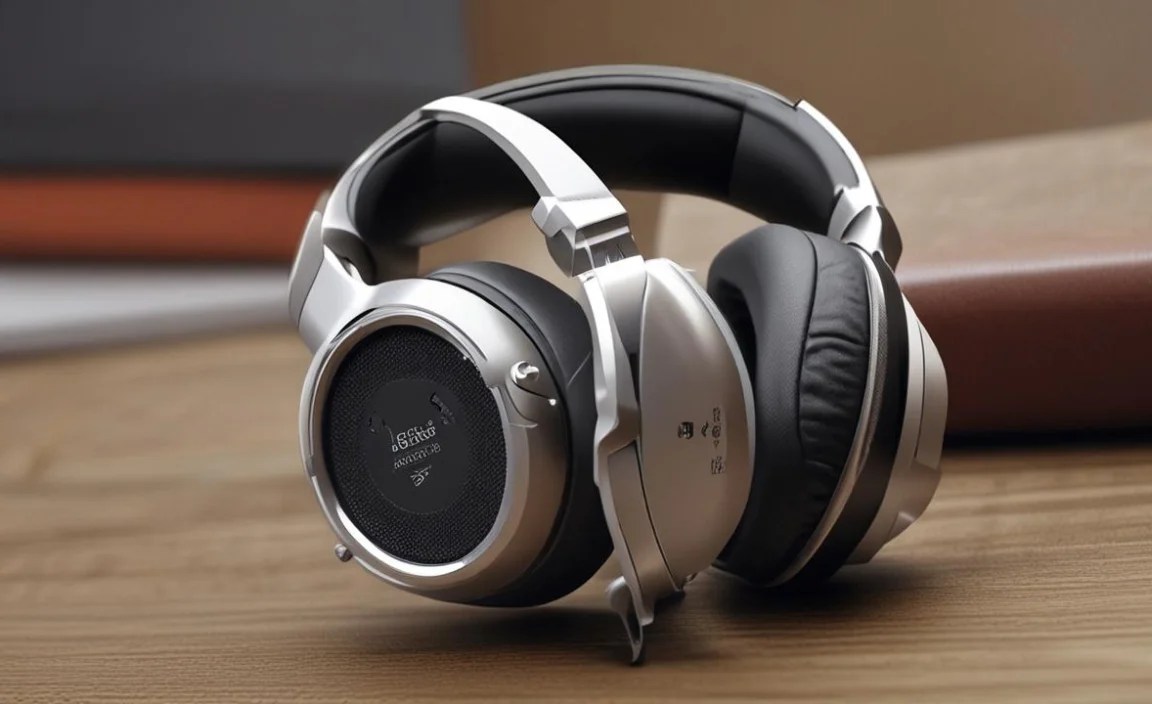
Once you’ve chosen your perfect pair of range-friendly headphones, a few simple steps can help you get the most out of their wireless capabilities.
Step-by-Step: The Initial Connection
- Charge Your Headphones: Ensure your headphones have a sufficient charge. Low battery can sometimes affect Bluetooth performance.
- Turn On Your Source Device: Make sure the device you want to connect to (phone, tablet, computer) is powered on and Bluetooth is enabled.
- Enter Pairing Mode: On your headphones, find the Bluetooth button (often a dedicated button or a function of the power button) and press and hold it until an indicator light flashes or you hear an audio cue (like “pairing”). Consult your headphone’s manual if you’re unsure.
- Find and Select on Source Device: On your smartphone or other device, go to Bluetooth settings. Your headphones should appear in the list of available devices.
- Select to Connect: Tap your headphone’s name in the list. You might be asked to confirm a pairing code (usually “0000” or “1234” if prompted, but often it’s automatic).
- Confirmation: You’ll usually hear a confirmation sound (“connected”) on your headphones and see them listed as connected on your device.
Tips for Maintaining a Strong, Long-Range Connection
Even with the best-range headphones, a little care can go a long way.
- Minimize Obstructions: Try to keep your source device and headphones in relatively clear sight of each other. If you’re moving around your home or office, keep your phone or laptop on a central desk or table.
- Reduce Interference Sources: If you experience dropouts, try moving away from potential interference sources. This includes other Bluetooth devices, Wi-Fi routers, microwave ovens, and even some power adapters. If your computer has both Wi-Fi and Bluetooth, ensure they aren’t causing conflicts.
- Keep Devices Updated: Ensure your smartphone, tablet, or computer’s operating system and Bluetooth drivers are up-to-date. Manufacturers often release updates that improve Bluetooth performance and stability.
- Manage Connected Devices: If you use multipoint connectivity, be mindful of how many devices are actively trying to stream audio. Sometimes, disabling Bluetooth on devices you aren’t currently using can free up bandwidth and improve the primary connection.
- Check Battery Levels: As mentioned, both devices’ battery levels can impact connection strength. Keep them reasonably charged.
- Restarting is Magic: If you experience persistent connection issues, try turning Bluetooth off and on again on your source device, or power-cycling your headphones (turning them off and then on again). A full reboot of both devices can also resolve temporary glitches.
Maintenance and Care for Your Range Headphones
Keeping your headphones in good shape ensures they perform optimally, including their wireless connection. Simple maintenance can extend their lifespan and prevent issues.
Regular Cleaning Tips
Keeping your headphones clean is crucial for both hygiene and performance.
- Earcups/Ear Pads: For over-ear headphones, wipe down the earcups with a slightly damp, soft cloth. Avoid abrasive cleaners or soaking them. For removable pads, check if they can be hand-washed with mild soap and water, but ensure they are completely dry before reattaching.
- Headband: Wipe down the headband similarly to the earcups. If it has fabric, use a slightly damp cloth and air dry.
- Exterior Casing: A dry or slightly damp microfiber cloth is usually sufficient for cleaning the plastic or metal parts of the headphones.
- Charging Port: Gently use a dry cotton swab or a can of compressed air to remove any dust or debris from the charging port. Never insert sharp objects.
Battery Care for Longevity
Proper battery care ensures your headphones maintain their charge and wireless performance for years to come.
- Avoid Extreme Temperatures: Don’t leave your headphones in very hot cars or excessively cold environments, as this can degrade battery health.
- Regular Charging: Lithium-ion batteries (used in most modern headphones) don’t have a “memory effect” like older battery types. It’s generally fine to charge them partially or fully. Avoid letting them sit at 0% for extended periods.
- Use Supplied Chargers: Whenever possible, use the charging cable and adapter that came with your headphones, or a reputable third-party one that meets the power specifications.
Troubleshooting Common Connection Issues
If you’re experiencing problems with your range or connectivity, a few troubleshooting steps can often resolve them.
- Forget and Re-pair: On your source device, “forget” your headphones from the Bluetooth list and then go through the pairing process again. This can clear corrupted connection data.
- Reset Headphones: Many headphones have a factory reset function. This usually involves holding down a combination of buttons for a set period. Check your headphone’s manual for specific instructions.
- Test with Another Device: If possible, try connecting your headphones to a different Bluetooth source device to see if the issue lies with the headphones or your primary device.
- Update Firmware: Some headphones allow firmware updates via a companion app. Check the app for available updates, as these can often include bug fixes and performance improvements for Bluetooth connectivity.
Frequently Asked Questions (FAQ)
Q1: How far can “best range” Bluetooth headphones typically connect?
In ideal, open-air conditions with minimal interference, Bluetooth 5.x headphones can theoretically reach up to 800 feet (240 meters). However, in typical real-world environments with walls and other devices, a stable connection for listening is more commonly found within 30-100 feet (9-30 meters). The key is a stable connection, not just theoretical maximum distance.
Q2: Will using my headphones at maximum range affect sound quality?
Yes, potentially. As you move further away from your source device, the Bluetooth signal weakens. This can lead to audio stuttering, dropouts, or a reduction in audio fidelity as the headphones and device struggle to maintain a robust connection. For the best sound quality, maintaining a moderate distance is recommended.
Q3: What’s the difference between “range” and “sound quality” in headphones?
Range refers to the distance at which a wireless connection remains stable. Sound quality refers to how accurately and pleasingly the headphones reproduce audio—factors like clarity, bass response, detail, and soundstage. While good range relies on strong wireless technology, good sound quality depends on the quality of drivers, tuning, and audio processing within the headphones themselves.
