
Discover the “best review headphones” for an exceptional listening experience. This guide simplifies choosing headphones, explaining key features, and offering maintenance tips to ensure your audio gear delivers genius sound for years to come.
Welcome to Headphone Horizon! As your friendly guide to all things audio, I understand that diving into the world of headphones can feel a bit overwhelming. With so many options and technical terms thrown around, it’s easy to feel lost. But don’t worry! My goal is to make understanding and enjoying your headphones as simple and enjoyable as listening to your favorite song.
Today, we’re talking about how to find the “best review headphones” – not just any headphones, but those that offer truly genius sound. We’ll break down what makes a pair of headphones stand out, guide you through the selection process, and even touch on keeping them in top shape. Let’s get your ears ready for an upgrade!
What Does “Genius Sound” Really Mean?

When we talk about “genius sound” when it comes to headphones, we’re not just talking about loud. It’s about clarity, depth, and an immersive experience that makes you feel like you’re right there with the artist. Think of it as sound that’s so pure and detailed, you can pick out every instrument, every nuance in a vocalist’s voice, and feel the full emotional impact of the music. It’s a balance of:
- Clarity: Every note is distinct and easy to hear, with no muddiness or distortion.
- Soundstage: This refers to how “wide” the sound feels. Good headphones create an expansive soundstage, making it seem like the music is playing all around you, not just inside your head.
- Bass Response: Deep, punchy bass that doesn’t overpower the rest of the audio.
- Treble and Mids: Clear high notes and rich, detailed mid-range frequencies where vocals and many instruments reside.
- Accuracy: How faithfully the headphones reproduce the original recording, without coloring the sound too much.
Finding Your “Best Review Headphones”: A Step-by-Step Guide

Navigating the sea of headphone options can be tricky. But by following these steps, you’ll be well on your way to finding a pair that offers that “genius sound” you’re looking for. We’ll focus on what matters most to everyday listeners, music lovers, and DIY fixers alike.
Step 1: Determine Your Primary Use Case
Before you even look at a product page, ask yourself: What will I mostly use these headphones for? Your answer will heavily influence the type of headphones that are best for you. This is the most crucial step in finding the “best review headphones” for your needs.
- Commuting/Travel: Look for active noise cancellation (ANC) to block out ambient noise. Portability is also key, so consider foldable designs or compact earbuds.
- Home Listening/Critical Listening: Open-back headphones often provide a wider soundstage and more natural sound, but they leak sound. Closed-back headphones offer better isolation.
- Gaming: A good microphone, directional audio accuracy (to pinpoint sound sources), and comfort for long sessions are paramount.
- Exercise: Sweat resistance, a secure fit, and wireless convenience are essential.
- Work/Studying: Comfort, isolation (either passive or active noise cancellation), and a clear microphone for calls are important.
Step 2: Understand Headphone Types
Headphones come in various forms. Each has its pros and cons, impacting how they sound and feel.
Over-Ear Headphones
These fit completely over your ears. They usually offer the most comfort and often the best sound quality due to larger drivers. They can be open-back or closed-back.
- Open-Back: The earcups have perforations or grilles that allow air and sound to pass through. This creates a more natural, spacious sound but offers no noise isolation and leaks sound.
- Closed-Back: The earcups are sealed. They provide excellent noise isolation, preventing outside noise from disturbing you and stopping your music from disturbing others. This can sometimes lead to a slightly less expansive soundstage compared to open-backs.
On-Ear Headphones
These rest on top of your ears. They are generally more compact than over-ear headphones but can sometimes cause discomfort if worn for long periods due to pressure on the ears.
In-Ear Monitors (IEMs) / Earbuds
These fit inside your ear canal or sit in the outer ear. IEMs typically offer excellent noise isolation and portability. True wireless earbuds offer maximum freedom without wires.
Step 3: Key Features to Look For
When you’re reading reviews for the “best review headphones,” keep an eye out for these features that directly impact your listening experience.
- Drivers: These are the speakers within the headphones. Larger drivers (measured in millimeters) can potentially produce a wider frequency range and more powerful sound. Common sizes range from 30mm to 50mm.
- Frequency Response: This is the range of sound frequencies a headphone can reproduce, measured in Hertz (Hz). The human hearing range is typically 20 Hz to 20,000 Hz. A wider frequency response, like 10 Hz to 30,000 Hz, suggests the headphones can reproduce deeper bass and higher treble than claimed human limits, which can contribute to richer sound.
- Impedance: Measured in Ohms (Ω), impedance indicates how much electrical resistance the headphones have. Higher impedance headphones (typically 50Ω and above) require more power and are best suited for use with dedicated amplifiers or high-quality audio sources for optimal performance. Lower impedance (under 50Ω) headphones are generally suitable for direct connection to smartphones and laptops.
- Sensitivity: Measured in decibels (dB/mW), this indicates how loud the headphones can get with a given amount of power. Higher sensitivity means they are more efficient and will play louder with less power.
- Noise Cancellation (ANC): Active Noise Cancellation uses microphones to detect ambient noise and produce an opposite sound wave to cancel it out. This is fantastic for noisy environments. For more on how ANC works, you can check out resources from institutions like the National Institute of Standards and Technology (NIST), which offers insights into acoustics and noise control.
- Wireless Connectivity: Bluetooth versions (e.g., Bluetooth 5.0, 5.2, 5.3) offer different ranges, speeds, and power efficiency. Look for support for high-quality audio codecs like aptX HD or LDAC for wireless listening that rivals wired quality.
- Microphone Quality: If you plan on taking calls or gaming, a clear, sensitive microphone is essential. Read reviews that specifically test microphone performance in different environments.
Step 4: Reading and Interpreting Reviews
When searching for the “best review headphones,” you’ll encounter countless articles and user feedback. Here’s how to cut through the noise:
- Look for Reputable Sources: Consult established audio publications, tech review sites known for detailed testing, and YouTube channels with experienced reviewers.
- Prioritize In-Depth Reviews: Skip reviews that are just a few sentences long. Look for those that discuss sound signature, comfort, build quality, and real-world performance.
- Consider the Reviewer’s Profile: Does the reviewer have a listening profile similar to yours? If they focus on bass-heavy music and you prefer classical, their “best” might not be your “best.”
- Check for Consistency: If multiple reviews highlight the same pros and cons, that’s a strong indicator of the headphone’s actual performance.
- Pay Attention to “Sound Signature”: Reviewers often describe sound as “warm” (more bass and mid-bass), “neutral” (balanced across frequencies), or “bright” (more emphasis on treble).
Step 5: Set Your Budget
Headphones range from under $50 to over $1,000. Determine what you’re comfortable spending. Remember, the “best review headphones” for you might not be the most expensive. Often, a mid-range pair can offer fantastic value and sound quality. It’s about finding the best balance of features, sound, and price.
Top Features for Genius Sound: A Closer Look

Let’s dive a little deeper into what constitutes “genius sound” for different listeners. When reading reviews, pay attention to how these aspects are described.
| Sound Quality Aspect | What to Listen For (Beginner-Friendly) | Why It Matters for Genius Sound |
|---|---|---|
| Soundstage & Imaging | Does the music sound like it’s coming from everywhere around you, or just inside your head? Can you tell where each instrument is placed? | A wide soundstage and good imaging create an immersive, three-dimensional listening experience, making you feel part of the performance. |
| Bass (Low Frequencies) | Is the bass deep and impactful without being muddy or overwhelming the other sounds? Does it have a good ‘thump’ or ‘rumble’ when needed? | Well-defined bass adds power and emotion to music, providing a solid foundation without obscuring other frequencies. |
| Mids (Mid Frequencies) | Are vocals clear and present? Do instruments like guitars and pianos sound natural and full-bodied? | This range is crucial for vocals and most instruments. Rich mids bring out the texture and detail in your favorite tracks. |
| Treble (High Frequencies) | Are cymbals, high hats, and sibilant sounds (like ‘s’ in vocals) clear and crisp, but not harsh or sibilant (hissy)? | Detail in the treble adds sparkle and air to the music, revealing subtle nuances. Too much can be fatiguing. |
| Overall Tonality/Timbre | Does the music sound natural and realistic? Do different instruments sound like themselves? | This refers to the character of the sound. Genius sound is often described as natural, lifelike, and balanced, allowing instruments their unique tone. |
Choosing Between Wired and Wireless
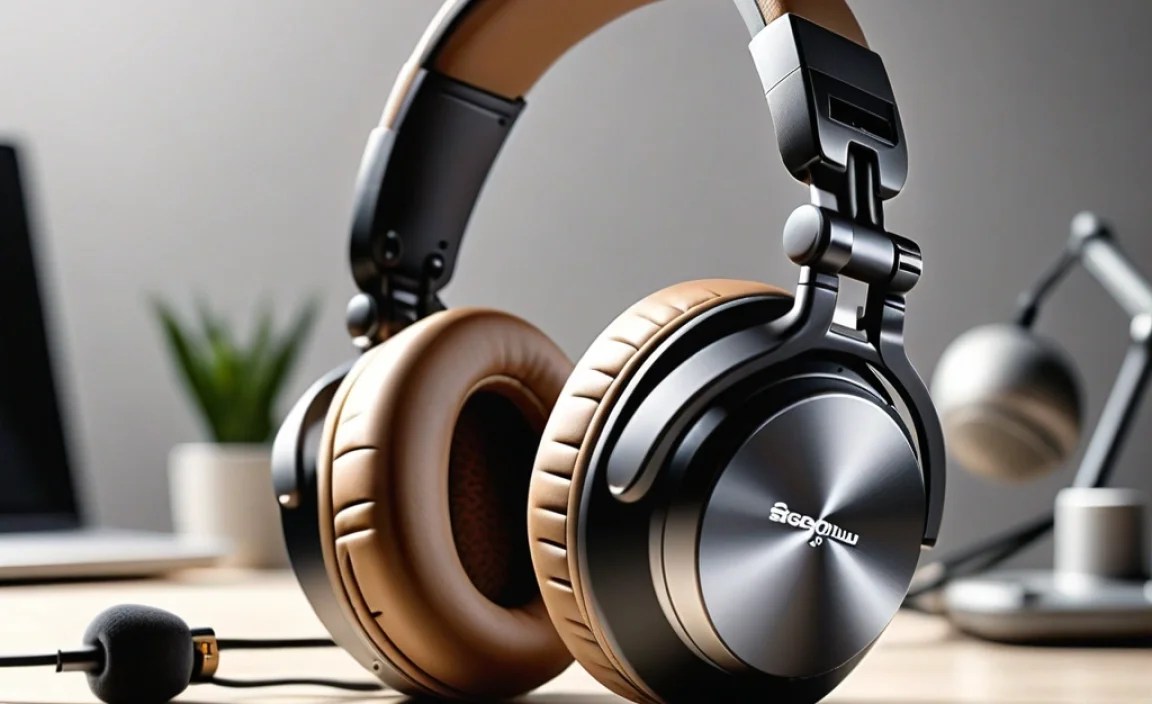
The battle between wired and wireless headphones is ongoing. Both have their place, and the “best review headphones” could easily be in either category.
Wired Headphones
Pros:
- Typically offer superior sound quality for the price.
- No battery to worry about.
- No latency (delay), which is important for gaming and video editing.
Cons:
- Cable can tangle and break.
- Limited freedom of movement.
- Most modern smartphones lack a headphone jack, requiring an adapter.
Wireless Headphones (Bluetooth)
Pros:
- Freedom from wires.
- Convenient for active lifestyles and commuting.
- Many come with charging cases for extended battery life.
Cons:
- Sound quality can be slightly compromised by compression codecs (though high-quality codecs are improving this).
- Requires charging.
- Potential for latency, especially with older Bluetooth versions or basic earbuds.
Recommendation for Beginners:
If you’re new to the audiophile world and prioritize convenience, a good pair of Bluetooth headphones with support for high-quality codecs like aptX Adaptive or LDAC can offer an excellent experience. If pure sound quality at the best possible price is your absolute priority and you don’t mind a wire, wired headphones are often the way to go.
Maintenance for Long-Lasting Genius Sound

Even the “best review headphones” need a little care to keep them sounding their best and lasting a long time. Here are some simple tips:
Cleaning Your Headphones
Regular cleaning prevents earwax and debris from affecting sound quality and can prolong the life of your headphones.
For Over-Ear and On-Ear Headphones:
- Earpads: Most fabric earpads can be gently wiped with a slightly damp cloth. For leather or pleather pads, use a mild soap and water solution on a cloth, then wipe clean with a damp cloth and dry thoroughly. Avoid harsh chemicals.
- Headband: Wipe with a soft, dry cloth. For accumulated grime, use a slightly damp cloth.
- Drivers/Grilles: Use a dry, soft brush (like a clean paintbrush or makeup brush) to gently remove dust. Never push anything into the grille.
For In-Ear Monitors (IEMs) / Earbuds:
- Ear Tips: Remove the ear tips and wash them with mild soap and water. Let them air dry completely before reattaching.
- Nozzle: Use a dry cotton swab or a small, dry brush to gently clean the part of the IEM that goes into your ear. Be very careful not to push earwax into the driver. Some IEMs come with small cleaning tools. A good resource for understanding hygiene for personal audio devices can be found on many public health or electronics safety sites. For instance, the NIOSH (National Institute for Occupational Safety and Health) page on noise and hearing outdoors touches on ear health principles, which indirectly support good ear hygiene for audio devices.
Proper Storage
- When not in use, store your headphones in a protective case or their original box.
- Avoid leaving them in direct sunlight, extreme temperatures, or highly humid environments, as this can damage materials and electronics.
- For wired headphones, avoid tightly coiling the cable as this can stress the internal wires. Use a loose loop.
Battery Care (for Wireless Headphones)
- Avoid completely draining the battery too often.
- Try to keep the battery charged between 20% and 80% for optimal long-term health if possible, though modern batteries are quite forgiving.
- Don’t leave them plugged in indefinitely after they are fully charged, though most devices have protection against overcharging.
When to Consider an Upgrade (or a Repair)
Sometimes, the best way to achieve “genius sound” is to upgrade. Other times, a simple fix can bring your beloved headphones back to life.
Signs It’s Time for an Upgrade:
- Sound quality has noticeably degraded (e.g., crackling, distortion, muffled audio).
- Comfort is significantly compromised (e.g., earpads are worn out and can’t be replaced).
- Features are outdated (e.g., Bluetooth 4.0 connectivity, lack of modern codecs).
- You’ve tried cleaning and basic troubleshooting, and the issues persist.
- Your listening needs have changed dramatically.
Simple DIY Repairs to Consider:
- Replacing Earpads: Many over-ear headphones have easily replaceable earpads. This is a common and effective way to restore comfort and often improve sound isolation.
- Cable Replacement: For many wired headphones, especially audiophile-grade models, the cable is detachable. If the cable is faulty, buying a new one is a straightforward fix.
- Loose Connections: Sometimes, wires inside the headphone jack or driver housing can become loose. This is more advanced and requires careful work, but is often repairable. Always proceed with caution and research specific to your model.
When to Seek Professional Help:
If your headphones are expensive and suffer from complex issues like driver failure or internal circuit board problems, consider contacting the manufacturer for repair options or seeking out a reputable audio repair shop.
Frequently Asked Questions (FAQ)
Q1: What does a “neutral sound signature” mean for the “best review headphones”?
A neutral sound signature means the headphones aim to reproduce audio as accurately as possible, without boosting or cutting certain frequencies. Think of it as a flat, balanced sound across the bass, mids, and treble. This is often preferred by audiophiles and professionals who want to hear the recording exactly as it was intended.
Q2: Can I use gaming headphones for listening to music?
Yes, you generally can! Many gaming headphones offer excellent clarity and soundstage which can be great for music. However, their sound signature might be tuned for gaming (e.g., emphasizing positional audio) which might not be ideal for all music genres compared to headphones specifically designed for music listening.
Q3: How important is the impedance rating for a beginner?
For most beginners using smartphones, laptops, or standard audio players, impedance is usually not a major concern. Headphones with low impedance (under 50 Ohms) are easy to drive and will sound loud enough. Higher impedance headphones (50 Ohms and above) often require an amplifier to reach their full potential, which
