
Quick Summary: Discover the best small over-ear headphones for comfort, portability, and impressive sound. This beginner-friendly guide breaks down what to look for, from ear cup design to crucial audio features, helping you find your perfect pair without the jargon. Enjoy great music, podcasts, or calls with headphones that fit just right.
Best Small Over Ear Headphones: Your Essential Guide
Navigating the world of headphones can sometimes feel like trying to decipher a secret code. But what if you’re looking for something specific, like great sound and comfort in a smaller package? You’re in luck! Small over-ear headphones are a fantastic middle ground, offering a more immersive listening experience than earbuds but without the bulk of some larger models. They’re perfect for commuters, travelers, students, or anyone who appreciates a snug, comfortable fit. In this guide, we’ll walk you through everything you need to know to find the best small over-ear headphones that fit your needs and your wallet, making sure you can enjoy your audio content with clarity and joy. Let’s dive in!
Why Choose Small Over Ear Headphones?

Small over-ear headphones, often referred to as “on-ear” or “supra-aural” headphones (though technically, true over-ear headphones completely enclose the ear, small over-ear models often have smaller ear cups that rest on the ear, or are a more compact version of full over-ear designs), offer a unique set of advantages. They strike a balance between the portability of earbuds and the immersive soundstage of larger, over-ear headphones. For many, the primary draw is comfort; they can be lighter and less prone to making your ears hot than their larger counterparts, while still providing a good seal for passive noise isolation. They are also generally more compact, making them easier to slip into a bag or, in some cases, even a larger pocket.
These headphones are ideal for:
- Casual listening: Enjoy your favorite music, podcasts, or audiobooks on the go.
- Commuting: Block out ambient noise to focus on your audio.
- Travel: Their compact nature makes them great travel companions.
- Home use: A comfortable option for extended listening sessions without ear fatigue.
- Gaming and Calls: Many offer good microphone quality for communication.
What to Look for in Small Over Ear Headphones

When you’re on the hunt for the best small over-ear headphones, a few key features can make a big difference in your listening experience. Don’t get overwhelmed by technical specs; we’ll break it down into easy-to-understand points.
1. Comfort and Fit
This is arguably the most important factor, especially with smaller headphones. Since they rest on or around your ears, the padding and headband design are crucial. Look for:
- Ear Cup Material: Soft, breathable materials like memory foam or plush leatherette prevent irritation and improve comfort during long listening sessions.
- Adjustable Headband: A well-padded and easily adjustable headband ensures a snug, secure fit without excessive pressure.
- Clamping Force: This refers to how tightly the headphones grip your head. Too much can be uncomfortable; too little and they might slip. For small over-ear models, a moderate clamping force is usually best.
- Weight: Lighter headphones are generally more comfortable for extended wear.
2. Sound Quality
This is where personal preference really shines, but here are some basics:
- Driver Size: While smaller headphones might have smaller drivers, size isn’t everything. More important is the tuning and quality of the drivers. Look for balanced sound with clear highs, defined mids, and a satisfying, not overpowering, bass.
- Frequency Response: This indicates the range of sounds the headphones can produce. A wider range (e.g., 20Hz to 20kHz) is generally good, but how that range is presented is more critical.
- Impedance: This is a measure of electrical resistance. For most portable devices (smartphones, laptops), headphones with lower impedance (under 50 ohms) are ideal as they don’t require a powerful amplifier.
3. Connectivity
How do you want to connect your headphones?
- Wired: Often the most reliable and cost-effective. Look for a durable cable that’s not too prone to tangling. A detachable cable is a bonus, making replacement easier if it gets damaged.
- Wireless (Bluetooth): Offers freedom from wires. Consider the Bluetooth version (newer versions are more stable and energy-efficient) and the supported codecs (like aptX or LDAC for higher-quality audio if your device supports them).
- True Wireless: Technically earbuds, but sometimes compact on-ear designs are mistaken for them. If you see “true wireless small over ear,” it’s likely miscategorized. Usually, this refers to earbuds.
4. Noise Isolation and Cancellation
How well do they block out external noise?
- Passive Noise Isolation: This is achieved through the physical design of the earcups and earpads. Good passive isolation from well-fitting, small over-ear headphones can significantly reduce ambient noise.
- Active Noise Cancellation (ANC): Some compact over-ear models include ANC, which uses microphones to detect and cancel out external sounds. This is a premium feature and can significantly enhance immersion, especially in noisy environments.
5. Durability and Build Quality
You want headphones that will last. Inspect:
- Materials: Look for sturdy plastics or metal in the construction.
- Hinge and Swivel Points: These are common points of failure. Ensure they feel robust.
- Cable Quality (for wired): A thicker, braided, or reinforced cable is generally more durable.
6. Extra Features
Consider these if they’re important to you:
- Microphone Quality: Essential if you plan to use them for calls or gaming.
- Controls: Easy-to-access buttons or touch controls for playback, volume, and calls are convenient.
- Battery Life (for wireless): Check how many hours of playback you can expect.
- Portability: Do they fold up? Do they come with a carrying case?
Top Picks for Best Small Over Ear Headphones

Finding the “best” is subjective, as it depends on your priorities (budget, sound preference, features). However, here are a few categories and highly-regarded models that consistently perform well in the “small over-ear” space, keeping in mind that some might lean more towards a compact over-ear design or an exceptionally comfortable on-ear experience.
Best Overall Compact Over-Ear:
For a great blend of sound, comfort, and portability, this category often features models that are a bit smaller than traditional over-ears but still offer a satisfying listening experience.
- Sennheiser HD 450BT: These combine excellent sound quality with active noise cancellation and Bluetooth connectivity. They are relatively compact and comfortable for extended wear, though some might find the clamping force a little snug initially, which often eases with use.
Best Budget-Friendly Small Over-Ear:
Great sound doesn’t always have to break the bank. These options offer solid performance for their price point.
- Audio-Technica ATH-M20x: While often marketed as studio headphones, their relatively compact design and comfortable fit make them a strong contender. They offer a well-balanced sound profile for critical listening, and their build quality is excellent for the price. They are wired, which contributes to their affordability and reliable performance.
Best Wireless Small Over-Ear:
For freedom from wires without sacrificing quality, these wireless options are top-notch.
- Sony WH-CH520: These are lightweight, comfortable, and offer surprisingly good sound for their price and size. They boast excellent battery life and reliable Bluetooth connectivity, making them a superb choice for everyday use.
Best for Travel/Portability:
When space is at a premium, these headphones shine.
- JBL Tune 710BT: These are often praised for their comfortable fit, foldable design, and long battery life. They offer a punchy sound that many users enjoy and are a great option for anyone who needs a reliable, portable pair of headphones.
Comparing Key Features
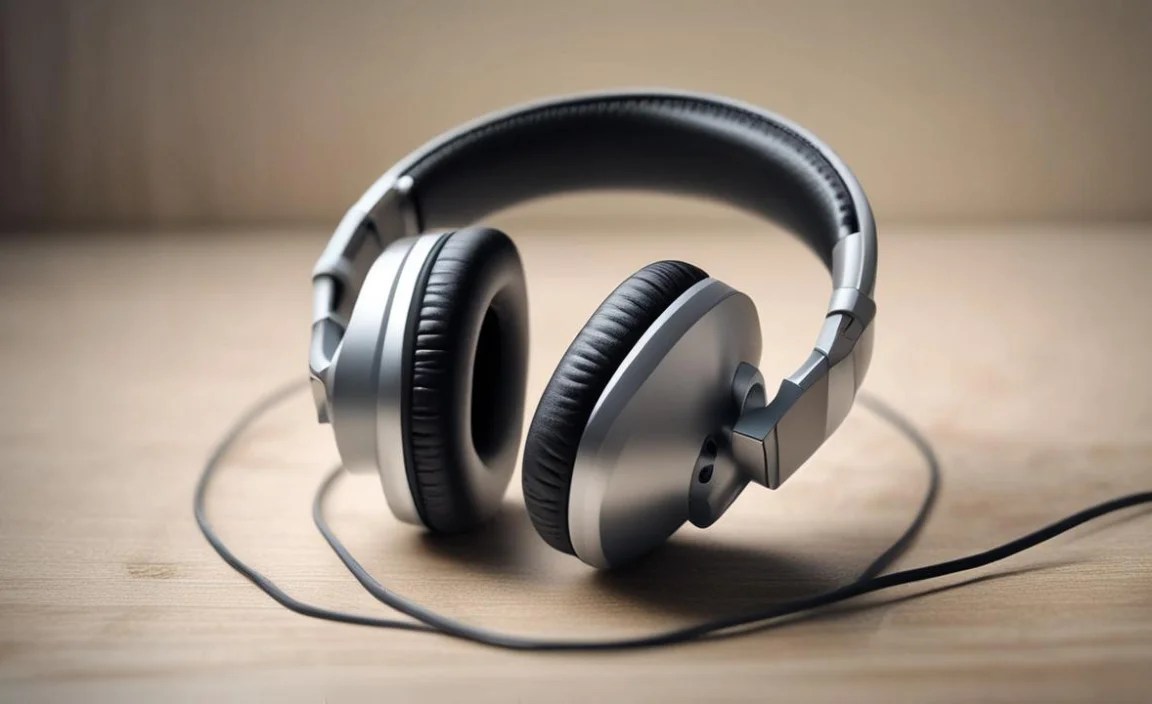
To help you visualize the differences, let’s look at a comparison table. Keep in mind that “small over-ear” can sometimes blend with “compact over-ear” or even very comfortable “on-ear” designs, so these are representative models.
| Model | Type | Connectivity | Active Noise Cancellation | Key Feature Highlight | Typical Price Range |
|---|---|---|---|---|---|
| Sennheiser HD 450BT | Over-Ear (Compact) | Bluetooth 5.0 | Yes | Excellent ANC, balanced sound | $$$ |
| Audio-Technica ATH-M20x | Over-Ear (Studio, Compact) | Wired | No | Great value, neutral sound profile | $ |
| Sony WH-CH520 | On-Ear/Compact Over-Ear | Bluetooth 5.3 | No | Lightweight, long battery life | $$ |
| JBL Tune 710BT | Over-Ear (Compact) | Bluetooth 5.0 | No | Foldable, good bass response, long battery | $$ |
Price ranges are indicative: $ = under $50, $$ = $50-$100, $$$ = $100-$200. Actual prices may vary.
Step-by-Step Guide: Making Your Purchase
Ready to find your perfect pair? Follow these steps to ensure you make a confident buying decision.
Step 1: Define Your Primary Use Case
Before looking at specific models, ask yourself:
- Will I use these mostly at home, commuting, traveling, or for work/study?
- Is portability a major concern?
- Do I need noise cancellation to block out distractions?
- Will I be taking calls frequently?
Answering these questions will help narrow down which features are essential for you. For instance, if you travel frequently, prioritize a foldable design and good passive noise isolation. If you work in a noisy office, ANC might be a must-have.
Step 2: Set Your Budget
Headphones range from very affordable to quite expensive. Having a budget in mind helps filter your options and manage expectations regarding features and build quality. Remember, the “best” headphones are often the ones that offer the best value for your specific needs and budget.
Step 3: Read Reviews (Look for Beginner-Friendly Insights)
Once you have a few potential models, dive into reviews. Look for:
- User reviews on retail sites (Amazon, Best Buy) for real-world long-term experiences.
- Professional reviews from reputable tech sites. Search for terms like “[Headphone Model] review beginner” or “[Headphone Model] sound quality explained.”
- Pay attention to comments about comfort, durability, and ease of use. Avoid reviews that are overly technical unless they explain the implications in simple terms. Sites like Rtings.com offer in-depth testing, but their summaries are usually very helpful.
Step 4: Consider Comfort Above All Else
This is particularly true for small over-ear headphones. If a pair isn’t comfortable, you won’t want to wear them, no matter how good they sound. Look for descriptions that mention “plush earcups,” “lightweight design,” or “comfortable clamping force.” If possible, try them on in a store before buying. Your ear size and head shape are unique!
Step 5: Check for Essential Features
Based on Step 1, ensure your chosen headphones have:
- The right type of connectivity (wired or wireless).
- Adequate battery life if they are wireless.
- A good microphone if calls are important.
- Controls that are intuitive and easy to operate.
Step 6: Make the Purchase and Test
Once you’ve made your decision, purchase from a retailer with a good return policy. When they arrive, spend a few hours listening to different types of audio – music, podcasts, calls. See how they feel after an hour. If they’re not meeting your expectations, don’t hesitate to utilize the return policy. It’s better to exchange them for a pair that truly fits your needs.
Tips for Maximizing Your Small Over Ear Headphone Experience
You’ve got your new headphones! Now, let’s ensure you’re getting the most out of them.
1. Proper Fit Adjustment
Even with small over-ear headphones, a slight adjustment can make a world of difference. Ensure the headband is adjusted so the earcups rest comfortably and evenly on or around your ears. The sound quality can be significantly impacted by a poor seal.
2. Understanding EQ
Many headphones, especially wireless ones, come with companion apps that allow you to adjust equalization (EQ) settings. EQ lets you tweak the bass, treble, and mids to match your sound preferences. If the bass feels too heavy, you can turn it down, or boost the vocals if they sound distant. Experimenting here can help you tailor the sound to your liking. For a deeper dive into how frequency affects sound, check out resources on acoustics.
3. Cable Management (for Wired)
Wired headphones can sometimes have their cables get tangled. Invest in a good cable tie or a velcro strap. For wired Bluetooth headphones, ensure the cable doesn’t rub against your clothing, which can create thumping noises in the earcup (this is known as “microphonics”).
4. Wireless Connectivity Tips
For Bluetooth headphones, keep your device’s firmware up to date. If you experience choppy audio or connection drops, try resetting the headphones and re-pairing them with your device. Ensure there are no major obstructions between your device and the headphones. For tips on Bluetooth troubleshooting, you can often find helpful guides on manufacturers’ websites or general tech support resources.
5. Basic Maintenance for Longevity
Keep your headphones clean! Use a soft, dry cloth to wipe down the earcups and headband. For deeper cleaning, slightly dampen a cloth with water or a mild, non-abrasive cleaner, and carefully wipe the surfaces. Avoid getting moisture inside the drivers. Detachable earpads can often be cleaned more thoroughly or even replaced if they become worn out.
Frequently Asked Questions (FAQ)
Q1: What’s the main difference between on-ear, over-ear, and small over-ear headphones?
Answer: On-ear headphones have earcups that rest directly on your outer ear. Over-ear headphones have larger earcups that completely enclose your ears. Small over-ear headphones are typically a more compact version of over-ear designs, or very well-padded on-ear models that provide a similar level of isolation and comfort without being bulky.
Q2: Are small over-ear headphones good for loud environments?
Answer: They can be, especially if they offer good passive noise isolation or Active Noise Cancellation (ANC). Even without ANC, a good seal from the earcups can help reduce background noise. However, for extreme environments, noise-isolating over-ear headphones or in-ear monitors might be more effective.
Q3: How important is driver size in small over-ear headphones?
Answer: While larger drivers can sometimes produce a fuller sound, driver size is not the only determinant of sound quality. The tuning, materials, and overall design of the headphone matter more. High-quality smaller drivers can often outperform larger, poorly engineered ones. Focus more on reviews of sound quality and clarity.
Q4: Can I use small over-ear headphones for extended periods?
Answer: Yes, many small over-ear headphones are designed for comfort during long listening sessions. Prioritize lightweight designs, adjustable padded headbands, and soft earcup materials. If you experience discomfort, try adjusting the fit or taking short breaks.
Q5: What does “impedance” mean, and why is it important for small over-ear headphones?
Answer: Impedance is a measure of electrical resistance, measured in
