
Quick Summary: Finding the best small headphones for music means balancing portability, comfort, and sound quality. This guide highlights top picks for various needs, from compact earbuds to lightweight on-ear models, ensuring you enjoy great audio without the bulk.
Best Small Headphones For Music: Essential Picks for Everyday Listening
Hello music lovers! Edward Cavitt here from headphonehorizon, ready to help you navigate the wonderful world of personal audio. Today, we’re shrinking things down – literally. If you love your music but dread lugging around bulky gear, you’re in the right place. We’re diving deep into the “best small headphones for music.” This isn’t just about finding tiny gadgets; it’s about discovering compact sound solutions that deliver big on audio quality, comfort, and convenience. Let’s find the perfect fit for your ears and your lifestyle!
Why Size Matters: The Appeal of Small Headphones

In a world where bigger often seems better, there’s a distinct charm and practicality to small headphones. They disappear into your ears, slip easily into a pocket, and are less likely to cause discomfort during long listening sessions. For commuters, gym-goers, students rushing between classes, or anyone who appreciates minimalism, small headphones are a game-changer. They offer a personal audio sanctuary without adding significant weight or bulk to your day.
The benefits aren’t just practical. Smaller designs can sometimes mean less material, potentially leading to more focused acoustics. While not a hard-and-fast rule, the emphasis shifts towards clever engineering and driver technology to deliver impressive sound in a compact form factor. It’s about getting premium audio experiences without the premium physical footprint.
Types of Small Headphones: Finding Your Perfect Match

When we talk about “small headphones,” it can encompass a few different categories. Each has its unique strengths, catering to different preferences and usage scenarios. Understanding these will help you pinpoint exactly what you need.
1. True Wireless Earbuds (TWS)
These are the undisputed kings of compact audio. True wireless earbuds have no wires connecting them to your device or even to each other. They come in a small charging case that easily fits in your pocket or bag. Many feature active noise cancellation (ANC), voice assistant integration, and impressive battery life packed into tiny, ergonomic designs.
- Pros: Ultimate portability, completely wire-free experience, often feature ANC, sleek charging cases.
- Cons: Can be easy to lose, battery life per charge might be shorter than other types (though cases offer multiple recharges), fit can be crucial for comfort and sound.
2. Wireless Neckband Earbuds
A slight variation on true wireless, neckband earbuds have a wire connecting the two earbuds, which rests comfortably around your neck. The earbuds themselves are still very small and lightweight. This design often offers a more secure fit for active use and can house larger batteries than TWS models, leading to longer playtime. Some also offer convenient magnetic clasps to keep the earbuds together when not in use.
- Pros: Secure fit, longer battery life is often possible, harder to lose than TWS, comfortable to wear around the neck.
- Cons: The neckband can sometimes be a minor distraction, not as completely wire-free as TWS.
3. Compact Wired Earbuds
Though wireless is popular, don’t discount good old wired earbuds! They are often the most affordable option, require no charging, and offer a direct, uninterrupted audio connection. Many high-quality wired earbuds are incredibly small and lightweight, providing excellent sound without any battery worries. They are perfect for those who prefer simplicity or have devices with limited Bluetooth capabilities.
- Pros: No charging needed, often more affordable, reliable connection, widely compatible.
- Cons: Wires can tangle, requires a headphone jack or adapter.
4. Mini On-Ear Headphones
While “mini” is relative here, some manufacturers focus on creating on-ear headphones that are significantly smaller and lighter than traditional over-ear models. These rest directly on your ears rather than enclosing them. They offer a good balance between portability and a more open soundstage, often featuring comfortable padding and foldable designs for easier storage.
- Pros: More open sound compared to earbuds, can offer better comfort for some, often foldable.
- Cons: Not as pocket-friendly as earbuds, can be less effective at noise isolation.
Key Features to Consider for Small Headphones

When choosing the best small headphones for music, there are several factors to keep in mind beyond just their size. These features will ensure you get an enjoyable and reliable listening experience.
Sound Quality
This is paramount. Even small headphones can deliver phenomenal audio. Look for reputable brands known for their acoustic engineering. Consider the type of sound you prefer: balanced for all genres, bass-heavy for hip-hop and electronic, or clear and detailed for classical and acoustic. Reading reviews that focus on sound signature is crucial.
Comfort and Fit
For small headphones, especially earbuds, a secure and comfortable fit is non-negotiable. Most true wireless earbuds come with multiple ear tip sizes (silicone or foam) to help you achieve a seal. A proper seal is also vital for bass response and passive noise isolation. For on-ears, check the padding and headband design.
Battery Life
This is a significant consideration, especially for wireless models. For true wireless earbuds, consider both the earbuds’ playback time per charge and the number of charges their case provides. For neckbands and on-ears, look at the continuous playback time. Many models now offer quick charging, which can be a lifesaver.
Durability and Build Quality
Even small things need to be built to last. Check reviews for comments on materials and how well the headphones stand up to daily use. For active users, water and sweat resistance (look for an IPX rating) is highly recommended.
Connectivity (for Wireless)
Bluetooth version matters. Newer versions like Bluetooth 5.0 and above offer more stable connections, better power efficiency, and improved range. If LDAC or aptX HD support is important to you, ensure the headphones and your device are compatible.
Active Noise Cancellation (ANC)
If you frequently listen in noisy environments (public transport, offices, planes), ANC can be a fantastic feature. It uses microphones to detect ambient noise and generates opposing sound waves to cancel it out, creating a quieter listening space. Even smaller earbuds are packing impressive ANC these days.
Our Top Picks for the Best Small Headphones for Music

Based on performance, features, and user feedback, here are some of the best small headphones for music that beginners can trust. We’ve tried to cover different types to suit various needs.
1. Best True Wireless Earbuds: Sony WF-1000XM5
While on the premium side, the Sony WF-1000XM5 earbuds are incredibly compact and deliver industry-leading noise cancellation and superb sound quality. They are remarkably comfortable for extended wear and boast a vast feature set, making them a top choice for audiophiles who want ultimate portability and quiet.
| Feature | Description |
|---|---|
| Type | True Wireless Earbuds |
| Key Strengths | Exceptional ANC, premium sound, comfortable fit, good battery life. |
| Ideal For | Frequent travelers, office workers, music purists seeking silence. |
2. Best Budget True Wireless Earbuds: Anker Soundcore Liberty 4 NC
For those on a tighter budget, the Anker Soundcore Liberty 4 NC offers incredible value. They provide surprisingly effective ANC, very good sound quality with extensive EQ customization via the Soundcore app, and a comfortable fit. The battery life is also a standout feature, easily outlasting many pricier competitors.
3. Best Compact Wireless Neckband: Beats Flex
The Beats Flex offers a fantastic blend of affordability, sound quality, and convenience for those who prefer a neckband style. They are lightweight, have a comfortable fit, and provide a decent battery life. The magnets that hold the earbuds together when not in use are a clever touch, preventing tangles and drops. Sound is punchy and energetic, typical of Beats, but still enjoyable for most genres.
4. Best Small Wired Earbuds: Sennheiser IE 200
If you prefer the reliability and simplicity of wired, the Sennheiser IE 200 are exceptional. They are incredibly small, fit securely, and deliver a refined, detailed sound signature that’s a joy for music lovers. Their miniature size makes them comfortable for hours, and the lack of reliance on batteries means they’re always ready to go. You can learn more about the importance of audio quality from resources like the Audio Engineering Society, an authoritative source for audio professionals and enthusiasts.
5. Best Mini On-Ear Headphones: Koss Porta Pro
A retro classic that still holds its own, the Koss Porta Pro are incredibly lightweight and comfortable for on-ear headphones. They boast an open, vibrant sound that many adore, especially for rock and acoustic music. Their unique temporal cushion design ensures they remain comfortable for long periods, and they fold up neatly for portability, making them a great small option if you dislike earbuds.
Comparing Specs: A Quick Glance
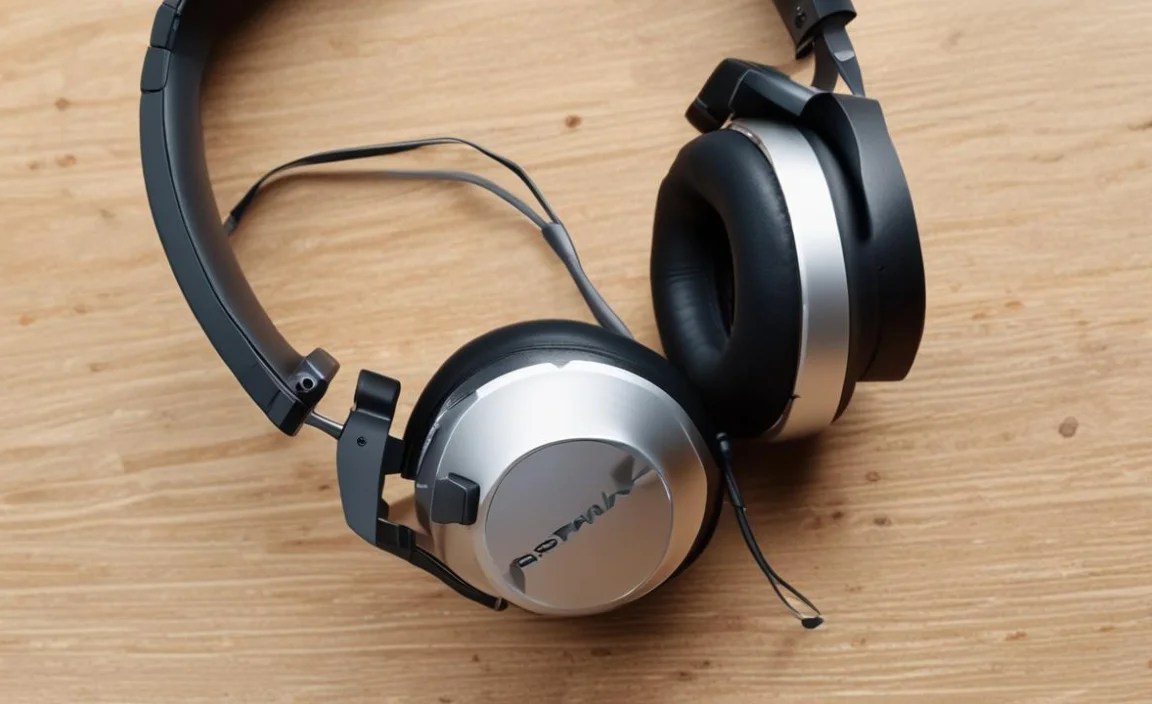
To help you decide, here’s a table summarizing some key specifications of our top picks. Remember that battery life figures can vary greatly depending on volume and features used (like ANC).
| Headphone Model | Type | Avg. Battery Life (Earbuds/Headphones) | ANC | Approx. Price Range |
|---|---|---|---|---|
| Sony WF-1000XM5 | True Wireless Earbuds | 8 hours (earbuds) / 24 hours (with case) | Yes (Industry-leading) | $$$ |
| Anker Soundcore Liberty 4 NC | True Wireless Earbuds | 10 hours (earbuds) / 50 hours (with case) | Yes (Very good for the price) | $ |
| Beats Flex | Wireless Neckband Earbuds | 12 hours | No | $$ |
| Sennheiser IE 200 | Wired Earbuds | N/A (Wired) | No (Passive Isolation) | $$ |
| Koss Porta Pro | Mini On-Ear Headphones | N/A (Wired) | No (Passive Isolation) | $ |
Price Range Key: $ = Under $100, $$ = $100-$200, $$$ = Over $200
Making the Best Small Headphone Choice for YOU
Choosing the “best” small headphones is deeply personal. Ask yourself these questions:
- What is my primary use? Commuting, working out, office use, travel, casual listening at home?
- What is my budget? Prices vary significantly between models and features.
- Do I prefer wireless or wired? Battery life and convenience vs. ultimate simplicity.
- Is noise cancellation a must-have? Essential for noisy environments, less so for quiet home listening.
- What kind of fit is most comfortable for me? Earbuds, neckband, or on-ear?
By answering these, you can narrow down the options and find a pair that perfectly fits your lifestyle and musical preferences. Don’t be afraid to check out reviews from trusted tech sites; many offer in-depth comparisons and sound tests that can be invaluable. For instance, understanding how audio frequencies contribute to sound can be explored through resources like International Telecommunication Union (ITU) standards, which indirectly influence audio quality and perception.
Maintaining Your Small Headphones
No matter how small your headphones are, a little care goes a long way in prolonging their life and maintaining their sound quality. Here are some simple tips:
- Clean Regularly: Earwax and debris can build up, affecting sound and fit. Use a dry, soft brush or a cotton swab lightly dampened with water (never alcohol-based cleaners on drivers) to gently clean the earbuds and ear tips. For larger debris, a toothpick can be used VERY gently, being careful not to pierce any mesh.
- Store Properly: Use the charging case for true wireless earbuds. For wired models, use a small pouch or gently coil them to prevent kinks in the cable. Avoid cramming them into tight pockets with keys or loose change.
- Handle Cables with Care (for Wired): Don’t yank on the cable to disconnect them. Gently grip the plug. Avoid wrapping the cable too tightly around the headphones themselves; use a figure-eight coil method if possible.
- Protect from Elements: Unless they have a high IPX rating, avoid exposing them to rain, excessive sweat, or extreme temperatures.
- Charge Smart (for Wireless): Avoid completely draining the battery whenever possible. Modern lithium-ion batteries perform best when kept between 20% and 80% charge, though most users won’t need to micromanage this for everyday use. Just don’t leave them perpetually plugged in after reaching 100% if you can avoid it.
Frequently Asked Questions (FAQ)
Q1: Are small headphones as good as big ones?
Yes, often they are! Modern technology allows manufacturers to pack incredible sound drivers and features into very small form factors. For example, true wireless earbuds from top brands often match or even surpass larger headphones in sound quality and noise cancellation. It really depends on the specific model and its engineering.
Q2: How do I ensure my earbuds fit comfortably and securely?
Most small earbuds come with multiple sizes of silicone or foam ear tips. Experiment with different sizes until you find one that creates a snug seal in your ear canal without causing pain. The ear tip should gently grip your ear. For active use, some earbuds also include wing tips or ear hooks for added stability.
Q3: What does IPX rating mean for headphones?
The IPX rating (like IPX4 or IPX7) indicates a device’s resistance to water and dust. For example, IPX4 means it’s protected against splashes of water, making it suitable for workouts. IPX7 means it can be submerged in water up to 1 meter for 30 minutes, offering much higher protection. The first digit usually refers to dust resistance (e.g., IP67), but for most small headphones, you’ll mainly see the ‘X’ for water.
Q4: Can I use small headphones for phone calls?
Most small wireless earbuds and many smaller wired headphones now come with built-in microphones designed for taking calls. The quality can vary, but higher-end models typically offer clearer call quality using multiple microphones and noise reduction technology. Check product descriptions or reviews specifically for microphone performance.
Q5: How do I keep track of true wireless earbuds so I don’t lose them?
The charging case is your best friend. Always store them in the case when not in use. Many cases have indicators or apps that can help you locate lost earbuds, though this is less common for budget models. Attaching a tile or similar tracker to the case can also be a good idea if you’re prone to misplacing things.
Q6: Are neckband headphones good for running?
Yes, they can be excellent for running! The neck cord helps prevent individual earbuds from falling out if one becomes loose. They are also less likely to be completely lost if they do fall out. Many neckband headphones are designed with sports in mind, offering sweat resistance and a secure fit.
Conclusion: Your Pocket-Sized Sound Companion Awaits
Finding the best small headphones for music is an exciting journey into a world of convenience and impressive audio technology. Whether you’re drawn to the untethered freedom of true wireless earbuds, the secure comfort of a neckband, the no-fuss reliability of wired buds, or the lightweight charm of mini on-ear models, there’s a perfect compact solution waiting for you. By considering sound quality, comfort, battery life, and your specific needs, you can confidently pick a pair that transforms your daily listening experience.
Remember, great music doesn’t have to come with a large footprint. Happy listening, and enjoy the compact power of amazing sound!
