
Quick Summary: Discover the best studio closed-back headphones for immersive listening and accurate sound. This beginner-friendly guide explains what they are, why they’re great for detailed audio work and distraction-free enjoyment, and helps you choose the perfect pair for your needs.
Best Studio Closed Back Headphones: Your Essential Guide
Hey there, audio adventurers! Edward Cavitt here from headphonehorizon. If you’re looking to dive deeper into your music, make more informed editing decisions, or simply enjoy pure, unadulterated sound without the world intruding, you’ve come to the right place. Today, we’re talking about a truly special kind of headphone: the studio closed-back. They’re your secret weapon for clarity, isolation, and a seriously immersive listening experience. Whether you’re a budding music producer, a dedicated audiophile, or just someone who loves to get lost in their favorite tracks, understanding these headphones is a game-changer. Let’s demystify the world of closed-backs and find the perfect pair for you!
What Exactly Are Studio Closed Back Headphones?
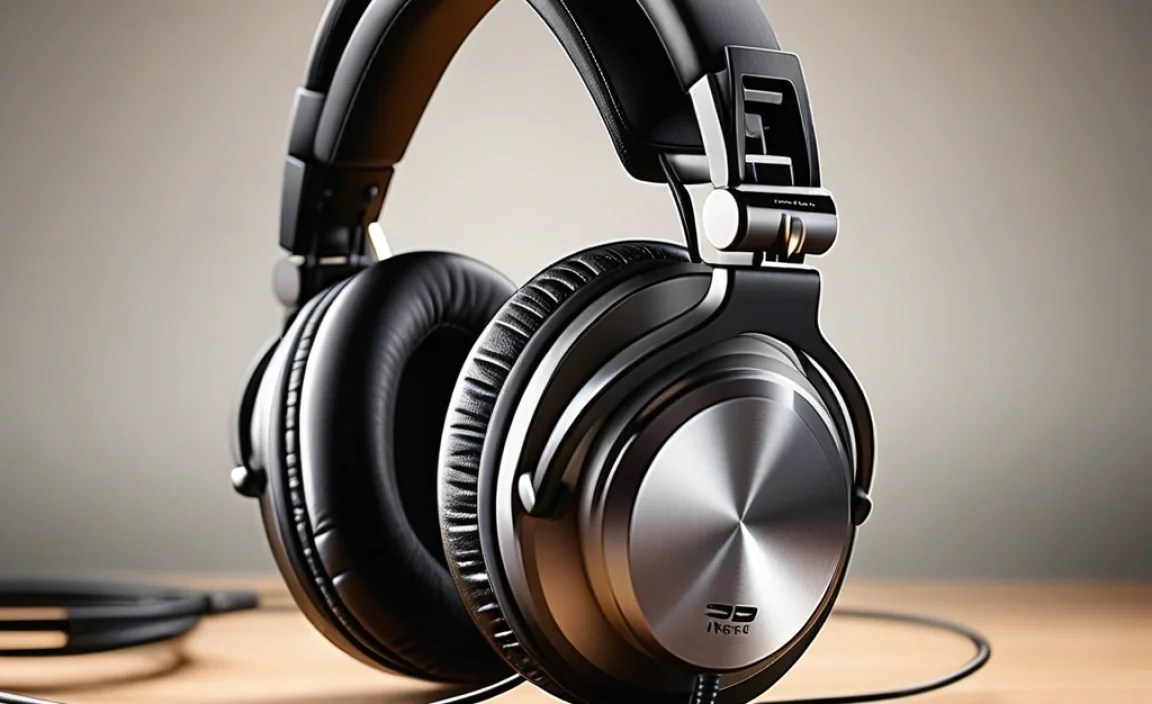
Let’s break down the name itself. “Closed back” refers to the design of the earcups. Unlike open-back headphones, which have vents or grilles allowing sound to escape and enter, closed-back headphones feature solid earcups. This solid enclosure is the key to their defining characteristics: preventing sound leakage and isolating you from external noise.
Think of it like this: open-back headphones are like open windows letting sound in and out, creating a natural, airy soundstage. Closed-back headphones, on the other hand, are like a well-insulated room. They create a seal around your ears, keeping your audio in and distractions out.
The “studio” aspect usually implies a focus on accuracy and detail. Studio headphones, whether open or closed, are designed to reproduce sound as faithfully as possible, without artificially boosting certain frequencies. This means they’re excellent for critical listening, mixing, and mastering music, where hearing every nuance is crucial. When combined with a closed-back design, they offer the best of both worlds: accurate sound reproduction with excellent isolation.
Why Choose Studio Closed Back Headphones? The Key Benefits

So, why would you pick closed-back headphones over other types? The advantages are significant and cater to a wide range of users. Here are the primary reasons:
- Noise Isolation: This is the superstar benefit. The sealed earcups do a fantastic job of blocking out ambient noise. This is invaluable if you’re working in a noisy environment, commuting, or simply want to focus without external sounds pulling your attention away.
- Sound Leakage Prevention: Conversely, the enclosure prevents your music from “leaking” out. This means you can listen at a comfortable volume in quiet places like offices or libraries without bothering others. It also ensures that the sound you’re hearing is primarily what’s coming from the headphones, maintaining a more private listening experience.
- Enhanced Bass Response: The sealed design often allows for a more pronounced and impactful bass response. The drivers are effectively “trapped” with your ear, which can create a tighter, more punchy low-end. While not always the goal in pure studio accuracy, it’s a pleasing characteristic for many listeners.
- Portability and Durability: Generally, closed-back designs can feel more robust and are often better suited for travel due to their enclosed nature, which can offer some protection to the drivers.
- Ideal for Recording: For musicians and podcasters, closed-back headphones are essential for monitoring during recording. They prevent the headphone audio from bleeding into the microphone, which would otherwise ruin a take.
Who Needs Studio Closed Back Headphones?

These headphones aren’t just for a niche group. Their versatility makes them a top choice for many people:
- Home Studio Enthusiasts & Music Producers: For mixing, mastering, and tracking vocals or instruments. The isolation is crucial for clean recordings and accurate listening during editing.
- Audiophiles: Those who appreciate detailed sound but need to manage environmental noise or their partner’s sleeping.
- Commuters & Travelers: Anyone who wants to drown out the drone of public transport, engine noise, or general chatter.
- Office Workers & Students: For focused work sessions in shared or noisy environments.
- Podcasters & Content Creators: Essential for monitoring audio quality during recordings and editing.
- Gamers: For immersive gaming experiences where spatial audio and background noise reduction are key.
Key Features to Look For in Studio Closed Back Headphones
When you start shopping, you’ll encounter a range of specifications and features. Here’s what to focus on to find a great pair:
1. Sound Quality & Accuracy
This is paramount for studio headphones. You want a neutral and balanced sound signature. This means no excessive booming bass or piercing highs. Good headphones will reproduce the sound as the artist and engineer intended.
- Frequency Response: Look for a wide and relatively flat frequency response (e.g., 20Hz – 20kHz). This indicates the range of sounds the headphones can produce. A “flat” response means the volume across all those frequencies is consistent.
- Distortion: Lower Total Harmonic Distortion (THD) is better, meaning the sound is cleaner and more accurate.
- Soundstage: While closed-backs are generally more intimate than open-backs, a good pair can still create a sense of space and depth in the audio.
2. Comfort & Fit
You’ll potentially be wearing these for hours, so comfort is non-negotiable. Studio sessions can be long!
- Earcup Material: Look for soft, breathable materials like velour or high-quality synthetic leather.
- Padding: Sufficient padding on the headband and earcups is essential.
- Clamping Force: The headphones should feel secure but not so tight they cause headaches.
- Weight: Lighter headphones are generally more comfortable for extended wear.
3. Build Quality & Durability
If you’re investing in studio gear, you want it to last. Look for robust materials like metal in the headband and earcups, and sturdy hinges.
4. Impedance & Sensitivity
This is a slightly more technical point, but important for matching with your audio source.
- Impedance (Ohms, Ω): This measures the electrical resistance.
- Low Impedance (under 60 Ω): Easier to drive, meaning your phone, laptop, or standard audio player can power them adequately.
- High Impedance (over 60 Ω): Generally require a headphone amplifier to reach optimal volume and sound quality. These are often found in more professional studio setups.
- Sensitivity (dB/mW): This indicates how loud the headphones can get for a given amount of power. Higher sensitivity means they are more efficient.
For general use and portability, lower impedance (e.g., 32-50 Ω) is often preferred. For serious studio work where you’re using dedicated amps, higher impedance can offer benefits in sound purity.
5. Connectivity & Cables
Consider the cable length and whether it’s detachable. Detachable cables make replacement easier if one gets damaged. Some headphones come with different cable options (e.g., straight or coiled).
Top Studio Closed Back Headphones for Beginners & Beyond
Choosing the “best” is subjective and depends on your budget and specific needs. However, here are some highly regarded and often recommended models perfect for beginners and seasoned users alike, known for their excellent performance and value.
| Model | Key Strengths | Ideal For | Typical Impedance |
|---|---|---|---|
| Audio-Technica ATH-M50x | Balanced sound, excellent build, good isolation, robust. A benchmark for many. | Music production, DJing, critical listening, general use. | 38 Ω |
| Beyerdynamic DT 770 PRO | Comfortable, durable, detailed sound with pronounced bass, excellent isolation. Available in different impedance options (32, 80, 250 Ω). | Recording, mixing, monitoring, gaming, long listening sessions. | 32 Ω, 80 Ω, 250 Ω (choose based on your gear) |
| Sennheiser HD 280 PRO | Very good isolation, accurate and clear sound, durable, relatively affordable. | Entry-level studios, field recording, monitoring. | 64 Ω |
| AKG K371 | Highly accurate sound with a studio-curve tuning, comfortable, good build, foldable design. | Mixing, mastering, critical listening, mobile use. | 32 Ω |
| Shure SRH840A | Detailed, clear sound, good bass, comfortable, foldable for portability. | Critical listening, music production, home studios. | 40 Ω |
Note: Impedance ratings can sometimes vary slightly between sources or revisions. Always check the manufacturer’s specifications.
How to Choose the Right Pair for You: A Step-by-Step Approach
Don’t let the choices overwhelm you! Follow these steps to narrow down your perfect match:
- Define Your Primary Use:
- For Recording: Prioritize excellent isolation and minimal sound leakage (e.g., Beyerdynamic DT 770 PRO, Sennheiser HD 280 PRO).
- For Mixing/Mastering: Accuracy and a neutral sound signature are key (e.g., AKG K371, Audio-Technica ATH-M50x).
- For General Listening/Commuting: Sound quality, comfort, and isolation are important. A good all-rounder works well (e.g., Audio-Technica ATH-M50x, Beyerdynamic DT 770 PRO).
- For Gaming: Look for wide soundstage, clear positional audio, and comfort for long sessions (many studio closed-backs are great, but some gaming-specific ones might offer features like virtual surround).
- Set Your Budget: Studio closed-back headphones range from under $100 to several hundred dollars. Knowing your budget will help you filter options effectively. The models listed above generally fall into the mid-range, offering great value.
- Consider Your Audio Source:
- If you’re using a smartphone, tablet, or laptop without an amplifier, look for headphones with lower impedance (around 32-50 Ω) and higher sensitivity.
- If you have or plan to get a dedicated headphone amplifier, you can explore higher impedance options (80 Ω, 250 Ω, or more), which audiophiles sometimes prefer for their potential for cleaner sound when properly amped.
- Read Reviews (But Take Them with a Grain of Salt): Look for reviews from reputable audio sites and users who have similar listening habits or use cases to yours. Pay attention to comments on comfort, sound, and durability. Remember that personal preference plays a big role!
- If Possible, Try Before You Buy: The absolute best way is to audition headphones yourself. Visit an electronics store or a specialist hifi shop if you can. How they feel on your head and ears, and how they sound to you, is the ultimate test.
Maintain Your Headphones for Longevity
To get the most out of your investment, a little care goes a long way. Here’s how to keep those studio closed-backs in top shape:
1. Cleaning
- Earcups: Gently wipe the earpads with a slightly damp cloth. For tougher grime, use a mild soap solution, but ensure the cloth is just damp, not wet. Avoid harsh chemicals.
- Grilles/Drivers: Use a dry, soft brush (like a clean paintbrush or makeup brush) to gently remove dust from the grilles. Never poke anything into the driver area.
- Cable: Wipe the cable with a dry cloth.
2. Storage
- When not in use, store your headphones in a cool, dry place away from direct sunlight.
- Using the original case or a dedicated headphone stand can protect them from dust and accidental damage.
- Avoid “choking” the cable around the headphones, as this can stress the connection points over time. Wrap cables loosely.
3. Cable Care
The cable is often the most vulnerable part. Avoid:
- Tugging on the cable to unplug them from devices.
- Stepping on the cable.
- Storing them with the cable tightly bent or coiled.
For detachable cables, always unplug by the connector, not by pulling the wire. You can learn more about general electronics care from resources like consumer safety tips from the FCC.
Frequently Asked Questions (FAQ)
Q1: Are closed-back headphones bad for mixing?
Not at all! While open-back headphones are often preferred for their wider soundstage during mixing, many producers successfully mix on closed-back headphones. The key is to use accurate, neutral-sounding closed-backs and always cross-reference your mix on multiple systems (monitors, other headphones, car stereos, etc.). Closed-backs offer a benefit for tracking vocals or instruments in the same room, preventing mic bleed.
Q2: Can I use my studio headphones for everyday listening?
Absolutely! Many people love studio headphones for casual listening because of their clarity and detail. You’ll hear nuances in your music you might have missed before. The isolation also makes them great for travel or noisy environments.
Q3: Do I need a headphone amplifier for closed-back studio headphones?
It depends on the impedance of the headphones and your audio source. If the headphones have low impedance (e.g., 32-50 Ω) and you’re using them with a smartphone, laptop, or standard audio player, you likely won’t need an amp. For higher impedance (e.g., 80 Ω or 250 Ω) or if you want to ensure you’re getting the best possible sound quality and volume, a headphone amplifier is recommended. You can find out more about headphone amplifiers here (this link is to a technical forum, but outlines the importance of matching gear).
Q4: How do I know if the headphones are comfortable enough for long sessions?
Comfort is personal, but good indicators include soft, breathable earpads (like velour), sufficient padding on the headband, and a clamping force that feels secure without causing pressure points or pain. Read reviews that specifically mention comfort for extended periods. If possible, try them on!
Q5: Which is better for noise cancellation: closed-back headphones or active noise-cancelling (ANC) headphones?
This is a common point of confusion. Closed-back headphones provide passive noise isolation through their physical design. They block out sound. Active Noise Cancelling (ANC) headphones use microphones and electronics to generate opposing sound waves that cancel out ambient noise. For blocking consistent, low-frequency noise (like airplane engines), ANC headphones are often superior. For blocking a wide range of noises, including voices and higher frequencies, the passive isolation of well-fitting closed-back headphones can be very effective, and they don’t suffer from the slight audio artifacts that ANC can sometimes introduce.
Q6: Can I wear glasses with closed-back headphones?
Generally, yes. Most closed-back headphones are designed to accommodate glasses. However, some users find that headphones with very thick earpads or very high clamping force can become less comfortable when worn with glasses. If you wear glasses and this is a concern, look for reviews that mention comfort with eyewear.
The Final Sound Decision
Choosing the best studio closed-back headphones is an exciting journey into better sound and a more focused listening experience. By understanding how they work, what features to prioritize, and considering your personal needs and budget, you’re well on your way to finding a pair that will serve you faithfully, whether you’re crafting the next hit song, diving into your favorite podcast, or simply enjoying the pure bliss of undisturbed audio. Don’t be afraid to explore, read, and, if possible, listen. Your ears will thank you for it. Happy listening!
