
Quick Summary: Discover the top studio headphones recommended on Reddit for aspiring producers and audiophiles. We break down essential picks, focusing on sound accuracy, comfort, and features, making it easy for beginners to find the perfect pair for music creation and critical listening.
Finding Your Sound: The Best Studio Headphones Reddit Users Swear By

Hey everyone, Edward Cavitt here from headphonehorizon! You’ve got a musical idea brewing, a podcast to record, or maybe you just want to hear your favorite tunes with breathtaking clarity. But when it comes to studio headphones, the sheer number of options can feel overwhelming. Where do you even start? That’s where the power of community, especially on platforms like Reddit, comes in handy. Music producers, sound engineers, and serious listeners often share their honest experiences and definitive recommendations. Today, we’re diving deep into the buzzing world of Reddit to uncover the best studio headphones that are consistently praised for their accuracy, comfort, and value, making it simpler for you to find your perfect listening companion.
Why Studio Headphones? The Difference is Clarity

Before we jump into the Reddit-raved gems, let’s quickly touch on why studio headphones are different from your everyday consumer pairs. Imagine trying to bake a cake by looking at a blurry photo – you might get close, but you won’t achieve the precise texture and flavor. Studio headphones are like that crisp, high-definition photo for your audio. They are designed for:
- Flat Frequency Response: This means they aim to reproduce sound as accurately as possible, without boosting bass or treble like many consumer headphones. What you hear is truer to the original recording.
- Detail and Resolution: They reveal subtle nuances in the music, like the breath of a vocalist or the subtle strum of a guitar pick. This is crucial for making mixing and mastering decisions.
- Durability and Comfort: Studio sessions can be long. These headphones are built to last and be comfortable for extended wear.
These aren’t necessarily for casual bass-heavy listening, but for anyone serious about creating, editing, or truly appreciating audio, they are an invaluable tool. For more on the science behind accurate sound reproduction, you might find resources like the Audio Engineering Society (AES) articles insightful.
Navigating the Reddit Landscape: What to Look For

Reddit communities like r/headphones, r/audioengineering, and r/musicproduction are goldmines of information. When you see headphones consistently recommended, it’s usually for a few key reasons. Here’s what the Reddit community values:
- Soundstage: How wide and deep the perceived audio space is. A good soundstage can make a mix feel more immersive and natural.
- Imaging: The ability to pinpoint the exact location of instruments and sounds within that soundstage.
- Comfort: For long listening or production sessions, this is paramount. Earcup material, clamping force, and weight are all factors.
- Build Quality: Will they survive a bump or two? Metal construction and robust cables are often praised.
- Price-to-Performance Ratio: Getting excellent sound and features without breaking the bank is always a win.
Understanding these terms helps you see why a particular headphone is praised. It’s not just about “sounding good”; it’s about how and why it sounds good for critical listening and production.
Top Studio Headphones: The Reddit All-Stars

Based on countless discussions, surveys, and user reviews across various Reddit communities, here are some of the consistently top-tier studio headphones that beginners and experienced users alike rave about.
1. Audio-Technica ATH-M50x: The Popular All-Rounder
Perhaps the most frequently recommended headphone for beginners looking for a solid all-around studio experience, the ATH-M50x strikes an excellent balance. They’re known for their strong, punchy sound profile with a slight emphasis on bass, which many find pleasing for both production and casual listening. They’re also comfortable, durable, and come with detachable cables, which is a huge plus for longevity.
- Pros: Excellent value, robust build, great for various genres, widely available, good isolation for tracking.
- Cons: Can be a bit bright or fatiguing for some over very long sessions, bass can be slightly overpowering for pure flat mixing analysis.
You’ll often see the M50x mentioned as the “go-to” recommendation when someone asks “What’s a good starting studio headphone?” The consensus is that its robust build and generally pleasing, energetic sound make it an easy entry point into the critical listening world.
2. Beyerdynamic DT 770 PRO: The Workhorse of the Studio
A true legend in the studio world, the DT 770 PRO is a staple in many professional and home studios. Available in different impedance versions (80 ohm is most common for general use), these closed-back headphones offer exceptional isolation, making them ideal for recording vocals or instruments where you don’t want headphone bleed into the microphone. They are renowned for their detailed, analytical sound and incredible comfort, thanks to their velour ear pads.
A key point of discussion on Reddit is their comfort. Many users report being able to wear these for 8+ hour studio days without issue. Their build quality is also a major selling point, with many users boasting about headphones that have lasted them a decade or more.
- Pros: Superb comfort, excellent build quality, great isolation, detailed and accurate sound reproduction.
- Cons: Non-detachable cable (a common complaint), sound can be fatiguing for some due to the treble emphasis, closed-back design means less natural soundstage than open-back options.
For those needing silence for tracking or a headphone that can handle the grind of constant use, the DT 770 PRO is almost universally praised. You can even find guides online detailing how to replace parts, further cementing its reputation as a long-term investment.
3. Sennheiser HD 600 / HD 650 (HD 6XX): The Audiophile’s Gateway
When the discussion leans towards open-back headphones for mixing, mastering, or pure critical listening enjoyment, the Sennheiser HD 600 and its close cousin the HD 650 (which Massdrop, now Drop, famously re-released as the HD 6XX) are almost always at the top. These are legendary for their incredibly natural, balanced, and detailed sound. Open-back designs offer a more spacious, natural soundstage, mimicking how we hear sound in a room.
Reddit users adore the HD 600/650/6XX for their “speaker-like” listening experience and remarkable detail retrieval. They excel at letting you hear the nuances of a mix, the texture of instruments, and the subtle spatial cues. While not ideal for tracking due to their open design (sound leaks in and out), they are unparalleled for mixing, mastering, and audiophile-grade listening.
| Feature | Sennheiser HD 600 | Sennheiser HD 650/HD 6XX | Audio-Technica ATH-M50x | Beyerdynamic DT 770 PRO |
|---|---|---|---|---|
| Type | Open-Back | Open-Back | Closed-Back | Closed-Back |
| Ideal Use | Mixing, Mastering, Critical Listening | Mixing, Mastering, Critical Listening | Tracking, Mixing, General Use | Tracking, Monitoring, Studio Use |
| Sound Profile | Neutral, Detailed, Natural | Slightly Warmer, Smooth, Detailed | V-shaped, Energetic Bass | Analytical, Bright Treble, Punchy |
| Isolation | Poor | Poor | Very Good | Excellent |
| Comfort | Excellent | Excellent | Good | Excellent |
| Build Quality | Good | Good | Very Good | Excellent |
- Pros (HD 600/650/6XX): Incredibly natural and detailed sound, wide soundstage, very comfortable.
- Cons (HD 600/650/6XX): Open-back means poor isolation, require a decent amplifier to sound their best, build is good but not as tank-like as some competitors.
For those starting to mix and wanting to truly hear their spatial decisions, these are often cited as the best investment you can make. Many producers report that moving to an open-back like these significantly improved their mixing workflow.
4. AKG K240 STUDIO: The Budget-Friendly Legend
If your budget is tight but you still want a taste of professional studio sound, the AKG K240 Studio headphones get a massive amount of love on Reddit. These semi-open-back headphones offer a surprisingly balanced sound profile with good clarity for their price point. They are lightweight and comfortable, making them a great choice for students or those just starting out.
- Pros: Very affordable, lightweight and comfortable, decent soundstage for the price, good for general studio work.
- Cons: Build quality is less robust than higher-end options, bass response isn’t as extended or powerful, can be a bit sibilant for some.
The K240s are praised as an “excellent entry” point. They teach you good listening habits without the cost barrier of more expensive options. It’s a headphone that lets you hear what’s happening in your audio without coloring it too much, and that’s a valuable lesson for any budding engineer or music lover.
5. Focal Clear Mg: The Premium Choice
Stepping into the higher end, the Focal Clear Mg headphones receive consistent praise for their absolutely stunning clarity, detail, and incredibly spacious soundstage. These are open-back headphones designed for the discerning ear, perfect for mixing, mastering, and critical listening sessions where you want to hear every single detail without compromise. Reddit users often describe the sound as “transparent” and “effortless.”
- Pros: Exceptional detail and clarity, wide and realistic soundstage, premium build quality, very comfortable for long sessions.
- Cons: Very expensive, open-back design means no isolation, requires a good quality amplifier to drive them properly.
While certainly a significant investment, if your budget allows, the Focal Clear Mg represents a significant step up in audio fidelity that many on Reddit feel is well worth the cost for professionals and serious enthusiasts.
Open-Back vs. Closed-Back: A Quick Primer
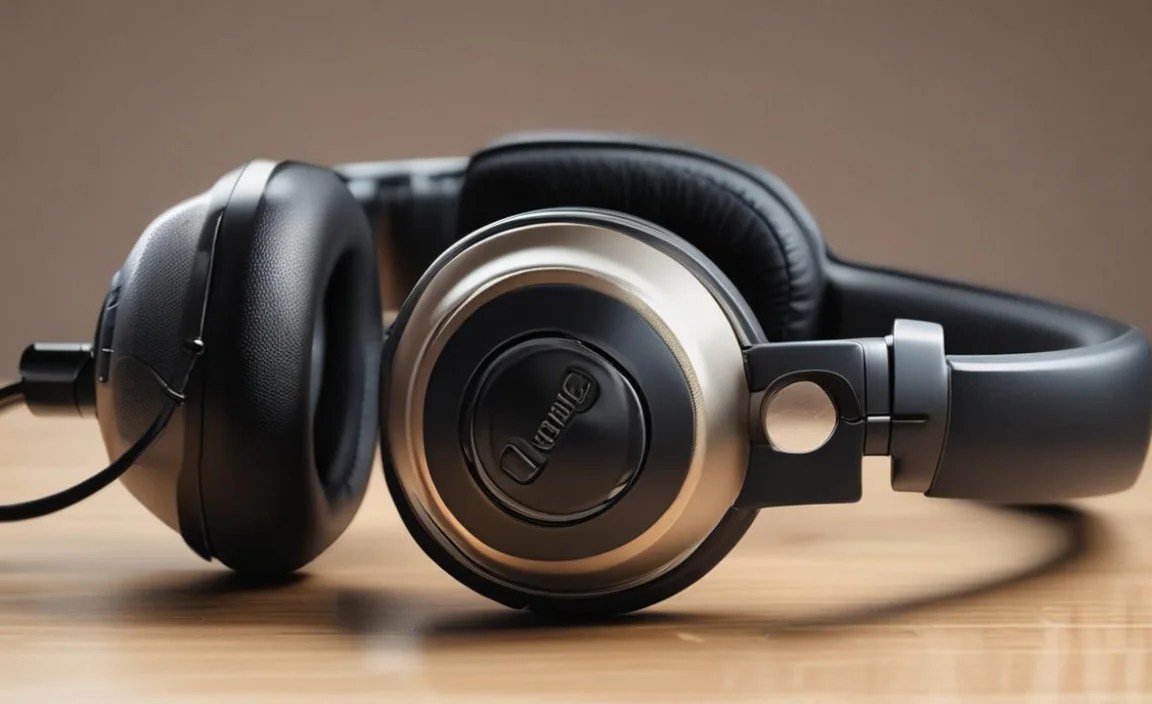
This is a recurring theme on Reddit and crucial for beginners to understand:
- Closed-Back Headphones: These have a solid enclosure around the earcups.
- Pros: Offer great noise isolation (blocking out external sounds and preventing your audio from leaking out). Ideal for recording, noisy environments, or when you need to focus.
- Cons: Can sometimes sound less “open” or natural, the soundstage can feel more compressed, and they can get warmer on your ears over time.
- Open-Back Headphones: These have vents or grilles on the earcups.
- Pros: Produce a more natural, spacious, and immersive soundstage, often described as more “speaker-like.” They tend to be more comfortable and less fatiguing for long listening sessions.
- Cons: Offer virtually no noise isolation. Sound bleeds both in and out, making them unsuitable for recording or noisy environments.
For studio work, you might even find yourself needing both! A closed-back pair for tracking and an open-back pair for mixing and critical listening. This is a common setup recommended even by high-level audio engineers on platforms like Sound On Sound forums and related subreddits.
Beyond the Big Names: What Else Gets Mentioned?
While the headphones above are the most common recommendations, Reddit discussions also frequently highlight other excellent options depending on specific needs and budgets:
- Shure SRH Series (e.g., SRH440, SRH840): Often praised for their balanced sound and good value, especially the SRH440 as a budget-friendly option.
- Sony MDR-7506: A true industry standard, particularly in broadcasting and ENG (Electronic News Gathering). Known for durability and a bright, revealing sound. They’re a bit older but incredibly reliable.
- Neumann NDH 20: A more premium closed-back option that’s gaining traction for its exceptional detail and build quality, though it comes with a higher price tag.
When Do You Need an Amplifier?
A question that often pops up on Reddit is about headphone amplifiers. Most consumer headphones are designed to be driven directly by your phone, computer, or audio interface. However, some studio headphones, particularly higher-impedance or high-end open-back models (like the Sennheiser HD 600/650 or Focal Clear Mg), can benefit significantly from dedicated headphone amplification. An amplifier can provide cleaner power, allowing these headphones to reach their full sonic potential, delivering better dynamics, clearer bass, and a more impactful sound.
If you’re using headphones with an impedance of 250 ohms or higher, or if you find your current headphones aren’t loud enough or lack punch, it might be time to consider an amp. Many affordable USB audio interfaces also have built-in headphone amps that are sufficient for many studio headphones.
Frequently Asked Questions (FAQs)
Q1: Are studio headphones good for everyday listening from my phone?
A: Yes, but it depends on the headphone and your preference. Studio headphones are designed for accuracy, meaning they won’t artificially boost bass or treble. This can make some music sound less “exciting” than on consumer headphones. However, if you appreciate hearing music as it was intended, or if you want to identify subtle details, they can be fantastic for everyday listening!
Q2: What’s the main difference between open-back and closed-back studio headphones?
A: Closed-back headphones have a solid outer casing, isolating you from external noise and preventing sound from leaking out. They’re great for recording. Open-back headphones have vented earcups, allowing sound to escape and enter. This creates a more natural, spacious sound, ideal for mixing and critical listening where isolation isn’t needed.
Q3: Do I really need to spend a lot of money on studio headphones?
A: Not necessarily to start! As we’ve seen with options like the AKG K240 Studio or even the Audio-Technica ATH-M50x, you can get excellent performance and valuable features at beginner-friendly price points. As your skills and needs grow, you can then invest in higher-end models. The important thing is to get a headphone that offers a relatively flat and honest sound reproduction for learning.
Q4: How do I know if a headphone will be comfortable for long sessions?
A: Comfort is subjective, but Reddit discussions often highlight velour ear pads (like on the Beyerdynamic DT 770 PRO) and lighter headphone weight as key indicators of comfort. Look for reviews that specifically mention extended wear. Also, consider the clamping force – too tight can cause headaches.
Q5: Can I use my studio headphones for gaming?
A: Absolutely! Many gamers, especially those interested in competitive play or immersive experiences, prefer studio headphones. Their accuracy can help you pinpoint enemy footsteps or subtle in-game audio cues better than many gaming-specific headsets. Open-back headphones, in particular, can offer a fantastic sense of immersion for single-player games.
Q6: What does “impedance” mean for studio headphones?
A: Impedance, measured in ohms (Ω), relates to how much electrical resistance a headphone has. Generally, lower impedance headphones (e.g., 32-80 Ω) are easier for devices to power and can be loud enough on their own. Higher impedance headphones (e.g., 250 Ω or more) often require more power from a dedicated headphone amplifier to reach their full sonic potential and clarity.
Conclusion: Your Next Step to Better Sound
Diving into the world of studio headphones doesn’t have to be a headache. By sifting through the collective wisdom found on Reddit and understanding what makes these recommended pairs so special, you’re well on your way to making a confident purchase. Whether you’re a budding music producer mixing your first track, a podcaster fine-tuning your audio, or simply an audiophile seeking unspoiled sound, there’s a pair of headphones out there for you. Remember to consider whether you need the isolation of closed-back or the spaciousness of open-back, and don
