
Quick Summary: Discover exceptional audio without breaking the bank. This guide highlights the best sub $300 headphones, offering premium sound quality, comfort, and features for every listener. Explore top picks and essential tips for finding your perfect pair and unlocking exclusive audio experiences.
Best Sub 300 Headphones: Your Gateway to Exclusive Audio Experiences
Hello, audio enthusiasts and curious newcomers! Edward Cavitt here, your friendly guide from Headphone Horizon. Are you ready to dive into the wonderful world of high-quality sound without making a dent in your wallet? Many believe that incredible audio experiences are reserved for those who spend afortune on headphones. I’m here to tell you that’s simply not true! The market is brimming with fantastic headphones priced under $300, offering sound that’s rich, detailed, and truly immersive. Whether you’re a budding audiophile, a student needing focus, or just someone who loves to get lost in their music, finding a pair of “best sub 300 headphones” is more achievable than you might think. Let’s explore how to make smart choices and unlock that exclusive audio bliss.
Why Headphones Under $300 Offer Incredible Value

It might surprise you to learn just how much audio engineering goes into headphones. Brands invest heavily in driver technology, material science, and acoustic tuning to deliver superior sound. When you look at the sub-$300 price point, manufacturers are able to incorporate excellent components and design principles that deliver a significant leap in sound quality compared to budget options, without reaching the lofty heights of cutting-edge, ultra-premium models. This sweet spot offers a fantastic balance of performance, features, and build quality. You’re not just buying headphones; you’re investing in an experience that can transform your daily listening, from your commute to your critical music sessions.
Decoding Headphone Types: What’s Right for You?
Before we dive into specific recommendations, it’s helpful to understand the basic types of headphones available. Each type has its own strengths and is suited for different listening environments and preferences.
1. Over-Ear Headphones
These are the complete circumaural cups that fully enclose your ears. They generally offer the most comfort for long listening sessions and can provide excellent passive noise isolation. They’re often favored for home listening or for those who want a wide soundstage.
- Open-Back: These headphones have earcups that are not sealed, allowing air and sound to pass through. This creates a more natural, spacious, and immersive sound, often preferred by audiophiles for critical listening. However, they leak sound in and out, making them less ideal for noisy environments or quiet offices.
- Closed-Back: These have sealed earcups, which effectively block out external noise and prevent sound from leaking out. They offer better isolation and stronger bass response, making them versatile for various environments, including commutes and office use.
2. On-Ear Headphones
As the name suggests, these rest directly on your ears. They are generally more compact and portable than over-ear models but may not offer the same level of comfort or passive noise isolation. They can sometimes cause ear fatigue for some users during extended wear.
3. In-Ear Monitors (IEMs) / Earbuds
These fit directly into your ear canal, providing a secure seal and excellent noise isolation. IEMs are highly portable and great for active lifestyles or for those who prefer a more discreet listening option. Higher-end IEMs can deliver surprisingly sophisticated sound profiles.
Key Features to Consider in Your Search for the Best Sub 300 Headphones
When evaluating headphones in this price range, keep an eye out for these crucial features. They can significantly impact your listening experience.
- Sound Quality: This is paramount. Look for terms like “balanced sound,” “detailed mids,” “clear highs,” and “punchy bass.” Reviews often mention the sound signature (e.g., neutral, V-shaped, warm).
- Comfort and Fit: Especially for over-ear and on-ear models, ensure the earpads are comfortable and the headband is well-padded. For IEMs, different ear tip sizes are essential for a proper seal and comfort.
- Build Quality: Headphones at this price point should feel durable. Look for quality materials like metal components, sturdy plastics, and well-constructed hinges.
- Connectivity: For wireless models, check the Bluetooth version (e.g., 5.0 or higher for better stability and efficiency) and supported codecs (e.g., LDAC, aptX HD for higher audio quality). For wired, ensure a standard connector like 3.5mm or USB-C.
- Noise Cancellation (ANC): Active Noise Cancellation uses microphones to detect and neutralize ambient sound. This is a game-changer for commuters and frequent travelers. Some ANC headphones offer transparency modes to let you hear your surroundings.
- Battery Life: For wireless headphones, a good battery life (20+ hours is common) is essential for convenience. Fast charging capabilities are also a big plus.
- Portability: Do they fold up? Do they come with a carrying case? This matters if you plan to take them on the go.
Top Picks: The Best Sub 300 Headphones for Every Listener
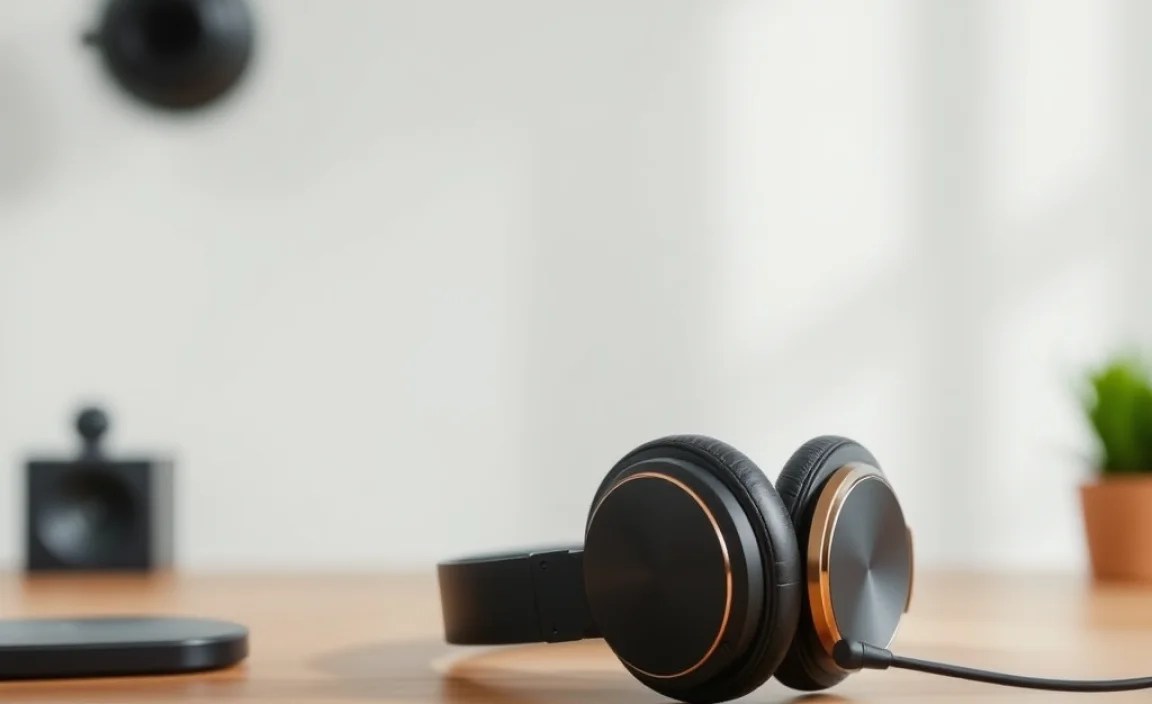
Now, let’s get to the exciting part: the actual headphones! This list represents some of the most consistently praised and value-packed options available under the $300 mark. Prices can fluctuate, so always double-check current pricing.
1. Sennheiser HD 560S (Open-Back/Wired)
For the purists who crave an uncolored and incredibly detailed listening experience at home, the Sennheiser HD 560S are a revelation in the sub-$300 category. They deliver a remarkably neutral soundstage that lets you hear every nuance of your music. Ideal for critical listening, mixing, or simply enjoying music as the artist intended. Their open-back design ensures a spacious and natural sound.
Pros:
- Exceptional sound clarity and detail
- Flat, neutral frequency response
- Comfortable for extended listening
- Relatively easy to drive (don’t necessarily need a powerful amplifier)
Cons:
- Open-back design means poor noise isolation and sound leakage
- Wired only
- Can be revealing of poor-quality recordings
2. Sony WH-1000XM4 (Closed-Back/Wireless with ANC)
Even with newer models out, the Sony WH-1000XM4 remains a benchmark for wireless noise-canceling headphones, easily fitting into the sub-$300 bracket during sales or if you consider slightly used options. They offer industry-leading Active Noise Cancellation, supreme comfort, and a sound profile that’s engaging and pleasing for most listeners. The feature set is also robust, including Speak-to-Chat and multipoint connection.
Pros:
- Superb Active Noise Cancellation
- Excellent wireless sound quality with LDAC support
- Comfortable for long-haul flights and commutes
- Smart features like Speak-to-Chat and multipoint pairing
- Long battery life
Cons:
- Can be prone to overheating earcups for some users
- Call quality is good but not exceptional
- ANC can slightly affect sound quality for purists
3. Beyerdynamic DT 770 PRO (Closed-Back/Wired)
A long-standing favorite in studios and among audiophiles, the Beyerdynamic DT 770 PRO (available in various impedance options like 80 ohm) offers professional-grade sound and robust build quality. They deliver a detailed, slightly V-shaped sound signature with punchy bass and clear treble. Their closed-back design provides good isolation, making them versatile for home, studio, or even travel.
Pros:
- Durable, studio-grade build
- Clear, impactful sound with good bass
- Excellent comfort with plush velour earpads
- Good noise isolation for a closed-back design
- Replaceable parts for longevity
Cons:
- Wired only
- Sound can be a bit bright for some ears
- Cable is non-detachable, which can be less convenient
4. HiFiMan Sundara (Open-Back/Wired)
For those seeking planar magnetic driver technology without the four-figure price tag, the HiFiMan Sundara is a brilliant choice. Planar magnetic drivers are known for their speed, detail, and accuracy. The Sundara delivers an incredibly balanced and natural sound that’s highly sought after. They provide a wide soundstage and exceptional clarity, making them a top contender for music lovers who appreciate fidelity.
Pros:
- Exceptional detail, speed, and accuracy due to planar magnetic drivers
- Well-balanced and natural sound signature
- Comfortable, lightweight design
- Excellent value for planar magnetic performance
Cons:
- Open-back design means no noise isolation and sound leakage
- Wired only
- May require a decent amplifier to be fully driven
5. Anker Soundcore Liberty 4 NC (True Wireless Earbuds with ANC)
If true wireless convenience is paramount but you don’t want to compromise on sound or ANC, the Anker Soundcore Liberty 4 NC are a standout performer in the sub-$100 category (and thus well within our sub-$300 budget). They offer surprisingly effective ANC for their price, enjoyable sound quality with app customization, and impressive battery life. They are a fantastic all-rounder for everyday use.
Pros:
- Excellent Active Noise Cancellation for the price
- Customizable sound via the Soundcore app
- Comfortable and secure fit for most users
- Long battery life and USB-C charging
- Affordable, offering immense value
Cons:
- Soundstage is not as expansive as open-back over-ear headphones
- Touch controls can sometimes be overly sensitive
- No wireless charging (in most standard versions)
Headphone Comparison Table
Here’s a quick side-by-side look to help you compare some of our top picks:
| Headphone Model | Price Range (Approx.) | Type | Primary Use Case | Key Strength | Noise Cancellation |
|---|---|---|---|---|---|
| Sennheiser HD 560S | $150 – $200 | Open-Back, Over-Ear, Wired | Critical Listening, Home Audio | Neutral, Detailed Soundstage | None |
| Sony WH-1000XM4 | $250 – $300 (often discounted) | Closed-Back, Over-Ear, Wireless | Travel, Commuting, General Use | Industry-Leading ANC, Comfort | Active Noise Cancellation |
| Beyerdynamic DT 770 PRO | $150 – $180 | Closed-Back, Over-Ear, Wired | Studio Monitoring, General Listening | Durable Build, Punchy Bass | Good Passive Isolation |
| HiFiMan Sundara | $300 – $350 (can sometimes be found under $300) | Open-Back, Over-Ear, Wired | Audiophile Listening, Home Use | Planar Magnetic Detail & Speed | None |
| Anker Soundcore Liberty 4 NC | $80 – $100 | True Wireless Earbuds, Wireless | Daily Commuting, Workouts, Portability | Excellent ANC Value, App Customization | Active Noise Cancellation |
Tips for Maximizing Your Listening Experience

Once you’ve chosen your new headphones, there are a few things you can do to ensure you get the most out of them.
- Proper Fit is Key: For over-ear headphones, ensure the earcups create a good seal around your ears. For IEMs, experiment with the different included ear tips (silicone or foam) to find the one that provides the best comfort and the most effective seal in your ear canal. A good seal is crucial for bass response and noise isolation.
- EQ for Your Taste: Many modern headphones, especially wireless ones, come with companion apps that offer EQ (Equalizer) settings. Don’t be afraid to experiment! You can adjust the sound to your preference – boost bass for a more energetic feel, tame sharp treble, or aim for a perfectly balanced sound. Resources like the University of New South Wales’ Acoustics Lab offer insights into how we perceive sound.
- Consider Your Source: The quality of the audio file or stream you’re listening to makes a big difference. Lossless formats (like FLAC or WAV) or high-bitrate streaming services (like Tidal HiFi, Apple Music Lossless, or Spotify Premium at its highest setting) will sound better than heavily compressed MP3s.
- Break Them In (Sometimes): While the concept is debated in audio circles, some believe headphones, like new tires or speakers, can sound subtly better after a period of use (often called “burn-in” or “break-in”). Playing music through them at moderate volumes for a few dozen hours will allow the drivers to move more freely.
- Protect Your Hearing: It’s vital to listen at safe volumes. The World Health Organization recommends limiting exposure to loud sounds to prevent hearing damage. If you’re consistently turning the volume up to overcome background noise, consider headphones with better noise isolation or ANC. You can find more information on safe listening levels at the National Institute for Occupational Safety and Health (NIOSH).
Troubleshooting Common Headphone Issues
Even the best headphones can sometimes present minor issues. Here are a few common problems and simple solutions:
- No Sound in One Ear Cup: Check the audio source and volume. Ensure the cable is securely plugged into both the headphone and the device. If it’s wired, try wiggling the cable connector at both ends. For Bluetooth headphones, try forgetting the device and re-pairing.
- Buzzing or Static Sound: This could be due to a loose cable connection, interference (especially with wireless), or a problem with the audio source. Try a different audio source or cable. For wireless, move closer to your device or turn off other nearby transmitting devices.
- Bluetooth Connectivity Issues: Ensure your headphones are in pairing mode and within range. Restart both the headphones and your Bluetooth device. Clear the Bluetooth cache on your device if the problem persists. Check that your device’s Bluetooth is enabled and not connected to too many other devices simultaneously.
- Uncomfortable Fit / Ear Pain: For over-ear headphones, adjust the headband and earcup position. If you have smaller ears or wear glasses, try different earpad materials if possible (e.g., velour can be softer than pleather). For earbuds, try different sizes and types of ear tips for the best seal and comfort.
Frequently Asked Questions (FAQ)
Q1: Are headphones under $300 truly “audiophile-grade”?
A1: While the term “audiophile-grade” can be subjective, many headphones under $300 offer sound quality that is excellent and can satisfy even seasoned listeners looking for detail, accuracy, and a pleasing sound signature. They provide a significant jump in performance over budget options and can be considered “high-fidelity” or excellent value for discerning ears.
Q2: What’s the difference between ANC and passive noise isolation?
A2: Passive noise isolation is achieved through the physical design of the headphones – the materials, the seal of the earcups, or the fit of earbuds – to block out external sound. Active Noise Cancellation (ANC) uses microphones to detect ambient noise and generates opposite sound waves to cancel it out, effectively quieting things like airplane engines or office chatter.
Q3: Do I need a special amplifier to use headphones under $300?
A3: Most headphones in this price range are designed to be driven by standard smartphones, laptops, or audio players. However, some higher-impedance models (like certain Beyerdynamic DT 770 PRO versions or the HiFiMan Sundara) can benefit from a dedicated headphone amplifier to reach their full sonic potential and deliver a more dynamic and robust sound.
<
