
Quick Summary: Discover essential headphones for every need! This guide simplifies choosing top-rated audio gear, from comfortable everyday listening to immersive sound experiences. Learn what makes headphones great and find your perfect match, so you can enjoy your music, podcasts, or calls with confidence and clarity.
Best Top Headphones: Proven Essential Gear for Everyday Listeners
Welcome to headphonehorizon! As Edward Cavitt, I’m thrilled to guide you through the exciting world of headphones. Choosing the “best” can feel overwhelming with so many options, but it doesn’t have to be! Think of this as your friendly roadmap to finding audio gear that’s not just good, but truly essential for your daily life. Whether you’re a music aficionado, a busy student needing focus, or someone who simply wants crisper calls, we’ll break down what matters most. Get ready to discover headphones that will enhance your listening experience and become your reliable audio companions.
Why Investing in Quality Headphones Matters

You might be wondering, “Why bother with high-quality headphones when cheap ones do the job?” It’s a fair question! The truth is, the right pair of headphones can dramatically improve your day-to-day. They’re not just for listening; they’re about experiencing sound, finding focus, and even protecting your hearing. Poorly made headphones can sound tinny, lack comfort, and, in the long run, might not be as durable. Top-tier headphones offer superior audio fidelity, meaning you’ll hear nuances in your music you never noticed before. They often provide better noise isolation or cancellation, creating personal sanctuaries in noisy environments. Plus, comfortable designs mean you can wear them for hours without discomfort. Think of it as an investment in your listening pleasure and well-being.
Key Features to Look For in Top Headphones

Shopping for headphones can feel like navigating a maze of technical terms. Let’s demystify the most important features that define great audio gear:
1. Sound Quality: The Heart of the Matter
This is, of course, paramount. Sound quality encompasses several aspects:
- Clarity: Do the highs, mids, and lows sound distinct and clean?
- Balance: Is the sound profile even, or does one frequency range overpower others?
- Soundstage: This refers to how “wide” or “spacious” the audio feels. Can you pinpoint where different instruments are coming from?
- Bass Response: Is the bass deep and impactful without sounding muddy or overpowering?
Reputable brands often invest heavily in acoustic engineering to achieve a pleasing and accurate sound signature. For the latest research on audio quality and perception, you might find resources from institutions like the Audio Engineering Society (AES) insightful.
2. Comfort and Fit: For Extended Listening Sessions
Headphones are often worn for hours, so comfort is non-negotiable. Consider these points:
- Earcups: Are they soft, plush, and do they fit comfortably over or in your ears?
- Headband: Is it adjustable and padded to avoid pressure points?
- Weight: Lighter headphones are generally more comfortable for long periods.
- Materials: Breathable materials can prevent your ears from getting too hot.
Different headphone types, like on-ear, over-ear, and in-ear, will offer varying levels of comfort and fit, so try to understand which style suits your preference best.
3. Noise Isolation vs. Noise Cancellation
These terms are often used interchangeably, but they mean different things:
- Noise Isolation: This is a passive feature. It’s achieved simply by how well the headphones physically block out external sound. Over-ear and well-fitting in-ear headphones typically excel at this.
- Active Noise Cancellation (ANC): This is an electronic feature. Microphones on the headphones detect ambient noise, and the headphones generate inverse sound waves to cancel it out. This is incredibly effective for low-frequency noises like airplane engines or air conditioning hums.
ANC is a game-changer for commuters and frequent flyers. You can learn more about the science behind active noise cancellation from resources like the International Noise Awareness Association.
4. Durability and Build Quality: Built to Last
You want headphones that can withstand daily use. Look for:
- Materials: Sturdy plastics, metal accents, and robust hinges contribute to longevity.
- Cable Quality: Detachable and braided cables are often more durable and easier to replace if damaged.
- Construction: Check for any flex or potential weak points.
Well-built headphones feel solid and can be a great long-term investment.
5. Connectivity: Wired vs. Wireless
This is often a matter of personal preference and use case:
- Wired: Generally offer the best audio quality without the need for charging. They’re reliable and have no latency issues.
- Wireless (Bluetooth): Offer freedom of movement. Look for the latest Bluetooth codecs (like aptX HD or LDAC) for better wireless audio quality. Battery life is a key consideration here.
6. Battery Life (for Wireless)
If you opt for wireless headphones, battery life is crucial. Aim for headphones that offer at least 15-20 hours of playback on a single charge, especially if you plan to use them for long commutes or travel days. Many also feature quick-charge capabilities, giving you hours of listening from just a few minutes of charging.
Top Contenders: Proven Essential Headphone Categories

While “best” is subjective, certain headphones consistently meet high standards across various categories. Here are some exemplary types and why they stand out:
Over-Ear Headphones: For Immersive Sound and Comfort
These headphones fully enclose your ears, offering excellent passive noise isolation and a potentially larger soundstage. They are often the most comfortable for long listening sessions.
What makes them essential:
- Superior comfort for extended wear.
- Often deliver the richest, most detailed sound.
- Excellent passive noise isolation blocks out distractions.
- Ideal for audiophiles, gamers, and home listening.
Pros:
- Exceptional sound quality.
- Comfortable for long durations.
- Great for immersive listening.
Cons:
- Can be bulky and less portable.
- May cause ears to get warm.
- Open-back designs offer poor noise isolation.
Example Recommendation: While specific models change, brands like Sony (WH-1000XM Series), Bose (QuietComfort Series), and Sennheiser are consistently praised for their over-ear offerings, blending comfort, ANC, and sound quality.
On-Ear Headphones: A Balance of Portability and Sound
These rest directly on your ears. They offer a more compact design than over-ear models but can sometimes sacrifice comfort and isolation.
What makes them essential:
- More portable than over-ear headphones.
- Can offer a good balance of sound quality and comfort.
- Less isolating than over-ear, which can be a plus in some environments.
Pros:
- More compact and portable than over-ear.
- Can provide a more natural listening experience for some.
- Generally lighter.
Cons:
- Can press uncomfortably on ears for some users.
- Less effective at blocking external noise.
- May leak more sound.
Example Recommendation: Look for models known for their cushioned earcups and well-designed headbands. Brands like Sennheiser and Koss have historically offered strong on-ear options.
In-Ear Headphones (Earbuds): For Ultimate Portability and Convenience
Small and discreet, in-ear headphones (or earbuds) go directly into your ear canal. True wireless earbuds have revolutionized this category.
What makes them essential:
- Unmatched portability and ease of use.
- Many offer excellent active noise cancellation and sound quality now.
- Great for workouts, commutes, and everyday on-the-go listening.
- Many come with multiple ear tip sizes for a secure, comfortable fit.
Pros:
- Extremely portable and discreet.
- Good noise isolation with proper fit.
- Ideal for active lifestyles and travel.
Cons:
- Can be less comfortable for some than over-ear.
- Soundstage might feel less expansive.
- Small size means they can be easier to lose.
Example Recommendation: Apple’s AirPods Pro, Sony’s WF-1000XM Series, and Bose’s QuietComfort Earbuds are benchmarks for premium true wireless experience, offering great ANC, sound, and features.
How to Choose the Right Type for You: A Quick Guide
To help you narrow down your choice, consider your primary use cases:
| Use Case | Recommended Headphone Type | Key Features to Prioritize |
|---|---|---|
| Frequent Travel / Commuting | Over-Ear (ANC) or True Wireless Earbuds (ANC) | Active Noise Cancellation, Battery Life, Portability, Comfort |
| Home Listening / Audiophile | Over-Ear (Wired or High-Quality Wireless) | Sound Quality, Comfort, Open-back (for soundstage) or Closed-back (for isolation) |
| Workouts / Active Lifestyle | True Wireless Earbuds (Secure Fit) or Sport-Specific Headphones | Secure Fit, Sweat/Water Resistance, Durability, Lightweight |
| Office / Work Calls | Over-Ear (Comfort, Mic Quality) or True Wireless Earbuds (Mic Quality) | Clear Microphone, Comfort, Noise Isolation/Cancellation |
| Casual Everyday Use | Any type based on preference | Comfort, Balance of Sound & Portability, Durability |
Essential Gear Maintenance: Keeping Your Headphones in Top Shape
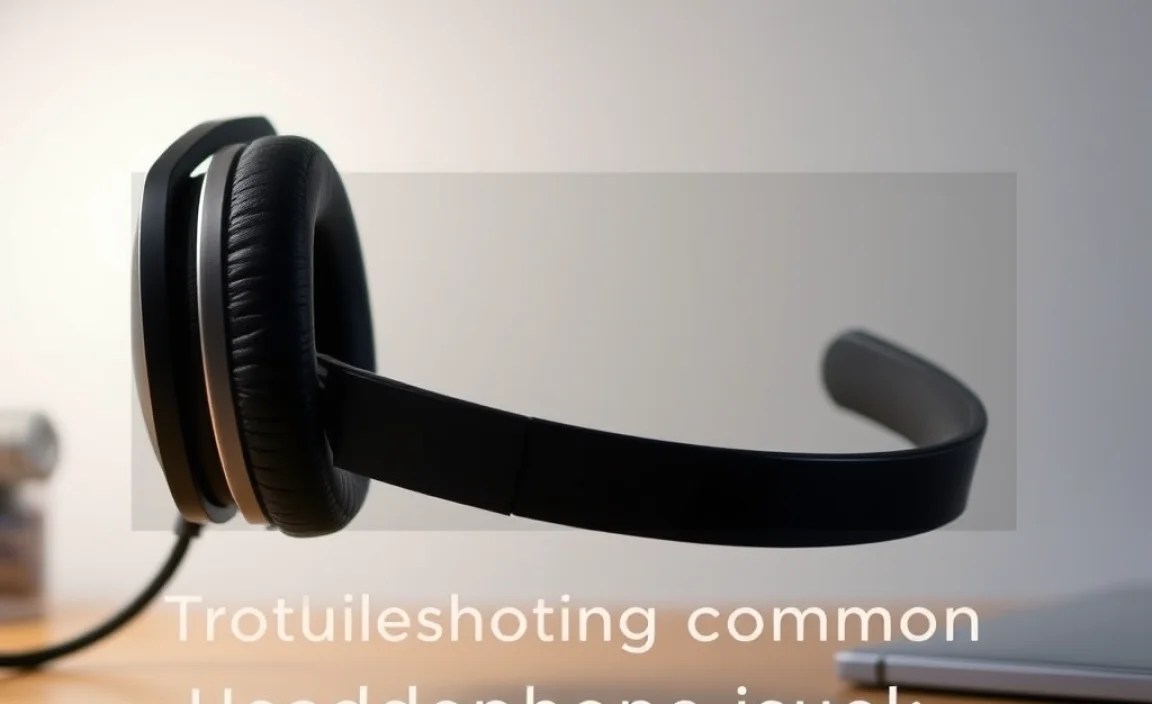
Your headphones are an investment, and a little care goes a long way in extending their lifespan and ensuring they sound their best.
Cleaning Your Headphones: Simple Steps for Longevity
Regular cleaning prevents debris buildup and keeps them feeling fresh.
For Over-Ear and On-Ear Headphones:
- Earcups: Gently wipe the earcups with a slightly damp, soft microfiber cloth. For stubborn grime, use a mild soap and water solution on the cloth, never directly on the headphones. Avoid harsh chemicals or abrasive materials.
- Headband: Wipe with a dry or slightly damp microfiber cloth.
- Exterior: Clean the plastic or metal parts with a dry or slightly damp cloth.
- Grilles: Use a dry, soft brush (like a clean toothbrush or makeup brush) to gently remove dust from speaker grilles.
For In-Ear Headphones (Earbuds):
- Ear Tips: Remove the ear tips and wash them gently with mild soap and water. Ensure they are completely dry before reattaching. Many brands offer replacement ear tips.
- Earbud Body: Use a dry cotton swab or a soft, dry microfiber cloth to wipe down the earbuds. Be careful around the charging contacts and charging case.
- Charging Case: Wipe the exterior and interior of the case with a dry microfiber cloth. Use a dry cotton swab for any nooks and crannies.
Important Note: Always ensure your headphones are completely dry before using them again or charging them. Refer to your manufacturer’s manual for specific cleaning instructions, as materials can vary.
Caring for Cables and Connections
Wired headphones? Treat those cables with care!
- Avoid tightly coiling cables; loop them loosely.
- Don’t let cables hang and bear the weight of the headphones when plugged into a device.
- Store them in a case or pouch to prevent tangling and damage.
- Inspect the jack and cable for any fraying or damage regularly.
Battery Health for Wireless Headphones
To maximize battery life:
- Avoid fully depleting the battery too often.
- Don’t store them in extreme temperatures (hot or cold).
- Use the provided charger or a reputable alternative.
- If storing for a long period, charge them to around 50%.
Troubleshooting Common Headphone Issues
Even the best gear can sometimes present minor hiccups. Here’s how to fix common problems:
- One Earbud Not Working:
- Wireless Earbuds: Try cleaning the charging contacts on both the earbuds and the case. Re-pair the earbuds with your device. Some earbuds have a reset function – check your manual.
- Wired Earbuds: Check the connection at the jack for debris. Gently wiggle the jack to see if sound returns, which might indicate a loose connection inside the headphone cable (a harder fix).
- No Sound:
- Ensure volume is up on both your device and headphones (if they have inline controls).
- Check that the headphones are correctly selected as the audio output device on your phone/computer.
- For wireless, ensure they are paired and connected. Try restarting your device and the headphones.
- Try plugging them into a different device to rule out a device issue.
- Bluetooth Pairing Issues:
- Make sure Bluetooth is enabled on your device and turned on for the headphones.
- Turn off and on Bluetooth on your device.
- Delete the headphones from your device’s Bluetooth list and try pairing them again.
- Ensure the headphones are in pairing mode (usually indicated by a flashing light). Check your manual.
- Sound Distortion or Static:
- For wireless, move closer to your device to rule out interference or distance.
- Check for any firmware updates for your headphones.
- Clean the ear tips and speaker grilles (as described above).
- If it persists, it might be a driver issue within the headphones, which can be harder to fix without professional help.
Frequently Asked Questions (FAQ)
Q1: How do I know what Hz and dB levels are good for headphones?
For everyday listening, you generally don’t need to worry too much about specific Hz (frequency response) and dB (decibel) numbers. Instead, focus on reviews that describe the sound as “balanced,” “clear,” or “warm,” indicating a pleasant listening experience. The human hearing range is typically 20 Hz to 20,000 Hz. Most decent headphones aim to cover this span. Regarding volume, it’s safest to listen at around 60-80% of the maximum volume to protect your hearing. Prolonged exposure to sounds above 85 decibels can cause damage.
Q2: Should I get open-back or closed-back headphones for music?
This depends on your listening environment and preference! Closed-back headphones isolate you from external sounds and prevent your music from being heard by others, making them great for noisy environments or shared spaces. Open-back headphones, however, offer a more natural, spacious soundstage and better airflow, which can be more comfortable for long sessions. They are ideal for critical listening in quiet, private settings because they leak sound both ways.
Q3: Are expensive headphones worth the money for a beginner?
It depends on your budget and how much you value your audio experience. While you don’t necessarily need the most expensive pair to start, investing in a well-regarded mid-range set can make a significant difference in sound quality, comfort, and durability compared to very cheap options. Look for reputable brands and read reviews to find the best value for your needs and budget.
Q4: How long should headphones realistically last?
With proper care, good quality headphones can last anywhere from 3 to 10 years or more. Over-ear and on-ear headphones often have a longer lifespan than earbuds due to their construction and less frequent handling. Wired headphones might outlast wireless ones if the battery in the wireless model degrades over time, but modern batteries are quite robust.
Q5: What’s the difference between wired and wireless headphones for audio quality?
Traditionally, wired connections offered superior audio quality because they could transmit uncompressed audio signals. However, with advancements in Bluetooth technology and codecs like
