
Quick Summary: Discover the best wired bone conduction headphones for an open-ear listening experience. This guide breaks down what to look for, ideal use cases, and top picks for beginners, ensuring you find a comfortable, safe, and high-quality audio solution.
Hey there, fellow audio adventurers! Edward Cavitt here from Headphone Horizon. If you’re curious about a different way to experience your music, podcasts, or even calls, you’ve landed in the right spot. Today, we’re diving into the fascinating world of wired bone conduction headphones. Unlike traditional headphones that seal your ears, these gems transmit sound through vibrations directly to your inner ear, leaving your ear canals completely open. This means you can stay aware of your surroundings while enjoying your audio. Whether you’re a runner, cyclist, or someone who just wants to be more present, wired bone conduction headphones offer a unique and essential sound experience. Let’s explore how to find the ones that are perfect for you!
Understanding Wired Bone Conduction Headphones

Before we jump into picking the “best,” it’s crucial to understand what makes these headphones tick. Bone conduction technology works by sending sound waves through the bones in your skull. Tiny transducers pressed against your cheekbones send these vibrations to your cochlea, bypassing your eardrum entirely. This “open-ear” design is the core appeal, offering distinct advantages for certain activities and users.
How Bone Conduction Works
Imagine tapping a tuning fork and holding its base to your head. You’d hear the sound, right? Bone conduction headphones do something similar, but with much more sophisticated technology. They don’t produce airborne sound waves like regular headphones or earbuds. Instead, they generate vibrations that travel through your jawbone and skull to reach your auditory system. This process is remarkably efficient and allows your ears to remain unobstructed.
Why Choose Wired Over Wireless?
While wireless bone conduction headphones are incredibly popular, wired options still hold a special place for many users. Here’s why you might consider the wired route:
- Reliability: No Bluetooth pairing issues or battery anxiety. A wired connection is generally more stable and less prone to interference.
- Simplicity: Just plug them in and go. There’s no need to worry about charging, pairing, or firmware updates.
- Cost-Effectiveness: Wired models are often more affordable than their wireless counterparts, making them a great entry point into bone conduction technology.
- Consistent Power: They draw power directly from your device, meaning no separate charging is required for the headphones themselves.
Key Features to Look For
When you’re on the hunt for the best wired bone conduction headphones, a few key features will help you make a smart choice:
- Sound Quality: While bone conduction isn’t designed for audiophile-grade bass, look for clear mids and highs. Some models offer better sound reproduction than others.
- Comfort and Fit: These headphones typically wrap around the back of your head. Ensure the band is adjustable, lightweight, and comfortable for extended wear.
- Durability: If you plan to use them during physical activity, look for sweat and water resistance (IP ratings are important here!).
- Cable Length and Connector: A comfortable cable length (usually around 3-4 feet) and a standard connector (like 3.5mm or USB-C) will ensure compatibility with your devices.
- Microphone Quality: If you plan to take calls, a clear microphone is essential for good communication.
Who Benefits Most from Wired Bone Conduction Headphones?

The unique design of bone conduction headphones makes them ideal for specific scenarios where situational awareness is paramount. Let’s explore who can get the most out of this technology:
1. Athletes and Outdoor Enthusiasts
This is perhaps the most well-known use case. For runners, cyclists, hikers, and anyone exercising outdoors, staying aware of traffic, approaching people, or environmental sounds is crucial for safety. Wired bone conduction headphones allow you to enjoy your playlist or podcast without completely blocking out the world around you. This significantly reduces the risk of accidents.
2. Commuters and Pedestrians
Navigating busy streets, public transport, or simply walking around a city can be made safer and more enjoyable. You can listen to important announcements, hear approaching vehicles, or converse with someone you meet without removing your headphones. It’s a balance between personal audio and public awareness.
3. Individuals with Certain Hearing Impairments
For people who have difficulty hearing with their eardrums (conductive hearing loss), bone conduction can be a game-changer. It bypasses the damaged part of the auditory system and delivers sound directly to the inner ear. While not a substitute for medical advice, it can be an effective way to experience sound.
4. Office Workers and Multitaskers
Need to stay focused on your work while still being interruptible by colleagues or important alerts? Bone conduction headphones allow you to have background music or a podcast playing without completely isolating yourself from your work environment. This can boost productivity while maintaining accessibility.
Top Picks: Best Wired Bone Conduction Headphones

Finding the absolute “best” is subjective and depends on your specific needs and budget. However, based on user reviews, technological implementation, and brand reputation, here are a few categories and potential contenders for the best wired bone conduction headphones:
Best All-Around Wired Bone Conduction Headphones
For a solid balance of sound quality, comfort, and value, some brands consistently deliver. While the wired market is smaller than wireless, certain models stand out.
Shokz (formerly AfterShokz) Sportz Titanium: This model has been a fan favorite for its robust build and reliable performance. It uses a traditional wired connection, making it a straightforward choice for many. It’s known for its comfortable fit and durability, making it a great companion for active lifestyles. The sound is clear for its class, and the open-ear design is, of course, its defining feature.
Best Budget-Friendly Wired Bone Conduction Headphones
If you’re looking to try out bone conduction technology without breaking the bank, there are more affordable options available. These might compromise slightly on premium features but still offer the core bone conduction experience.
Generic or Lesser-Known Brands: A quick search on major online retailers will reveal numerous wired bone conduction headphones from less prominent brands. While specific model recommendations can change rapidly, look for those with good user ratings focusing on sound clarity and comfort. Always read recent reviews carefully here.
Best for Durability and Sport
If your headphones will face the elements, sweat, and maybe a few tumbles, durability is key. Look for robust materials and high IP (Ingress Protection) ratings.
Brands focusing on sports accessories often have models that are built to last. The Shokz Sportz Titanium, mentioned earlier, is a strong contender here due to its titanium frame, offering both lightness and resilience. Always check the IP rating – an IP55 or higher is generally good for sweat and light rain.
Comparison Table: Key Features at a Glance
To help you compare, here’s a look at some common features you might find across different models:
| Feature | Typical Range/Expectation | Importance for Beginners |
|---|---|---|
| Sound Quality | Clear mids and highs, some bass presence. Not for audiophiles. | Moderate – Focus on clarity for voice and music. |
| Connectivity | 3.5mm audio jack, USB-C. | High – Ensure compatibility with your devices. |
| Comfort & Fit | Lightweight, adjustable neckband. | High – Essential for extended use. |
| Durability | Sweat and water resistance (IP rating). Robust materials. | Moderate to High – Depends on intended use. |
| Microphone | Integrated, varies in quality. | Moderate – Important for calls and voice commands. |
| Price Point | $30 – $100 (for wired models) | Variable – Depends on budget. |
Setting Up and Using Your Wired Bone Conduction Headphones

Getting started with your new wired bone conduction headphones is refreshingly straightforward. Since they rely on a physical connection, the setup is minimal!
Step 1: Understand Your Device’s Port
Most wired headphones use a standard 3.5mm headphone jack. Newer devices, especially smartphones, might use USB-C or have removed the headphone jack altogether. Identify what your device uses. If your device only has USB-C or Lightning, you might need an adapter (e.g., a USB-C to 3.5mm adapter) to connect your wired headphones. These are widely available and inexpensive.
Step 2: Connect the Headphones
Simply plug the headphone jack (or USB-C connector) directly into the corresponding port on your device. Make sure the connection is firm.
Step 3: Adjust for Comfort
Place the headphones so the transducers rest comfortably on your cheekbones, just in front of your ears. The band should rest at the back of your head, providing a secure but not too tight fit. Experiment with the positioning to find the sweet spot for clear sound and comfort. You might need to wear them slightly differently depending on your head shape.
Step 4: Control Your Audio
Wired bone conduction headphones often have an in-line remote or control button on the cable. This typically allows you to:
- Press once to Play/Pause.
- Press twice to skip to the next track.
- Press and hold for voice assistant activation (if supported).
- Answer/End calls.
Refer to your headphone’s specific manual for exact control functions.
Step 5: Manage Your Cables
To prevent tangles and damage, gently coil the cable when not in use. Some headphones come with a small carrying pouch, which is ideal for storage. Avoid yanking the cable when disconnecting; gently pull the plug itself.
Tips for Optimal Sound and Longevity
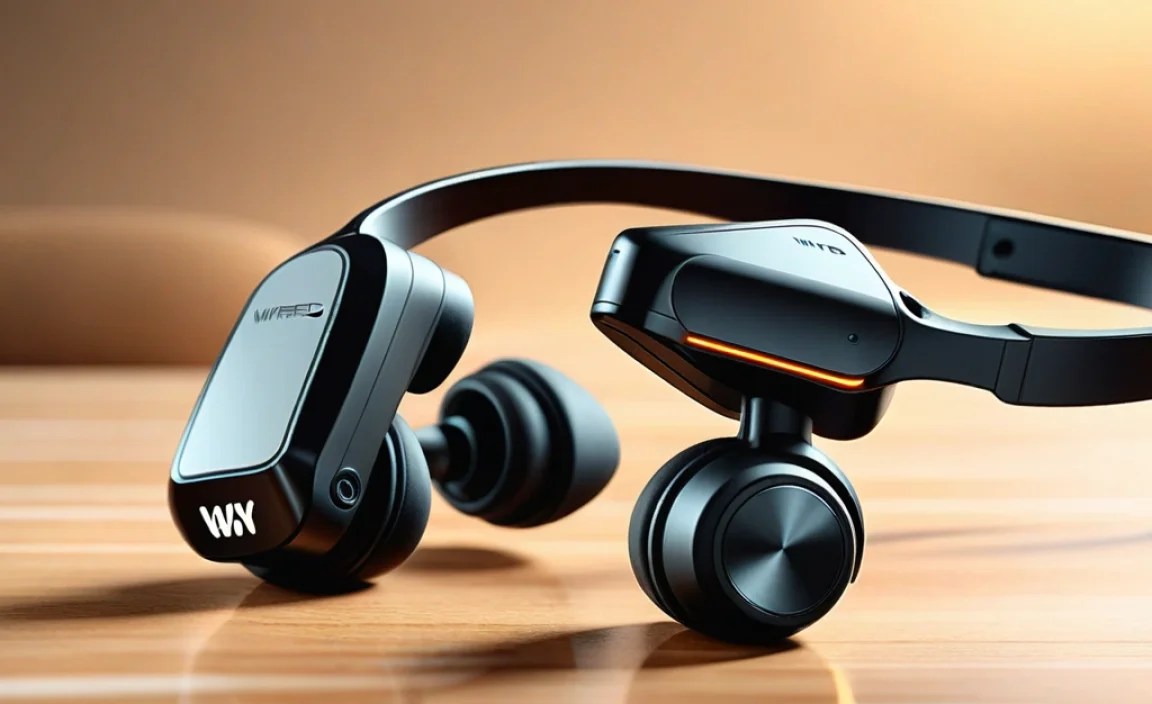
To get the best experience from your wired bone conduction headphones and ensure they last, follow these simple tips:
Maintaining Sound Quality
- Clean the Transducers: Over time, dirt and earwax can accumulate on the transducers. Gently wipe them with a dry, soft cloth. For stubborn residue, a slightly damp cloth (water only) can be used, but ensure they are completely dry before use. Avoid harsh chemicals.
- Check Connections: Ensure the headphone jack or USB connector is clean and free of debris. A can of compressed air can be useful for this. A dirty connector can cause crackling or intermittent sound.
- Experiment with Placement: As mentioned, the precise placement of the transducers on your cheekbones can significantly impact sound clarity. Try adjusting the position slightly forward or backward, or tilting them, to find what works best for you.
- Consider Ambient Noise Levels: Bone conduction is not as loud as sealed headphones. In very noisy environments, you might still struggle to hear your audio clearly. They are best utilized in moderately noisy or quiet environments where situational awareness is more critical than absolute volume.
Ensuring Longevity
- Protect the Cable: Avoid bending the cable sharply at the plug or at the headphones. Treat the cable with care to prevent internal breaks, which are common points of failure for wired headphones.
- Store Properly: When not in use, coil the cable loosely or use a protective pouch. Never shove them into a pocket or bag with keys or other sharp objects that could damage the cable or frame.
- Avoid Extreme Conditions: While many bone conduction headphones have some sweat and water resistance, they are not designed for prolonged submersion or extreme weather conditions unless explicitly stated. Always check the IP rating.
- Handle with Care: Although many are built to be durable, they are still electronic devices. Avoid dropping them or subjecting them to unnecessary stress.
Frequently Asked Questions (FAQ)
Can I hear music and ambient sound at the same time?
Yes, that’s the primary benefit of bone conduction headphones! The design leaves your ears open, so you can listen to your audio while still being fully aware of everything happening around you.
Will bone conduction headphones work for people with hearing loss?
For some types of hearing loss, particularly conductive hearing loss where the outer or middle ear is affected, bone conduction can be beneficial. It bypasses the eardrum to deliver sound directly to the inner ear. However, it’s not a universal solution for all hearing issues, and consulting an audiologist is recommended.
Is the sound quality as good as traditional headphones?
Bone conduction sound quality is different. It’s often described as less immersive than traditional headphones that seal your ears. You’ll typically get clear mids and highs, suitable for podcasts and music, but the bass frequencies might not be as deep or impactful. For critical listening or audiophile-grade sound, traditional headphones are usually preferred.
Are wired bone conduction headphones safe for my ears?
Yes, they are generally considered safe. They don’t amplify sound directly into your ear canal, which can reduce the risk of noise-induced hearing loss associated with high volumes in traditional headphones. However, it’s always good practice to listen at moderate volumes.
How do I clean my bone conduction headphones?
Gently wipe the transducers and frame with a dry, soft cloth. For tougher grime, use a slightly damp cloth (water only) and ensure the headphones are completely dry before wearing or storing. Avoid abrasive cleaners or solvents.
Can I swim with wired bone conduction headphones?
Most wired bone conduction headphones are not designed for swimming. While some might have a decent IP rating for sweat and rain, they typically lack the waterproofing needed for submersion. Look for dedicated waterproof bone conduction headphones (usually wireless) if swimming is your goal.
What is an IP rating?
IP stands for Ingress Protection. It’s a standard that rates how well an electronic device is protected against solid objects (like dust) and liquids (like water). For headphones, an IP rating of IPX4 means they are protected against splashes of water, while IP55 or higher indicates protection against dust and more significant water jets. The higher the numbers, the better the protection.
Conclusion: Your Open-Ear Audio Journey
Wired bone conduction headphones offer a unique and often essential way to stay connected to both your audio and your environment. They are simple, reliable, and cost-effective, making them an excellent choice for athletes, commuters, or anyone seeking a more aware listening experience. By understanding how they work, what features to prioritize, and how to care for them, you can confidently choose a pair that enhances your daily life. Whether you’re hitting the trails, navigating the city, or just want to stay mindful at your desk, the right pair of wired bone conduction headphones can truly be an essential sound companion. So go ahead, explore the world of open-ear audio, and enjoy the essential sound that keeps you connected!
