
Quick Summary: Discover the best wired headphones for your travels. This guide breaks down essential features like portability, durability, and sound quality, helping you find reliable audio companions for any journey without the hassle of charging batteries or Bluetooth pairing issues.
The Best Wired Headphones for Travel: Your Essential Guide

Hey there! Edward Cavitt here, your guide to all things audio at headphonehorizon. Traveling can be an adventure, but keeping your soundtrack, podcasts, or audiobooks clear and enjoyable shouldn’t be a challenge. While wireless headphones are popular, sometimes the simplicity and reliability of wired headphones are unbeatable, especially when you’re on the go. No dead batteries, no complicated pairing – just plug in and go! This guide is designed to demystify choosing the best wired headphones for your next trip, whether you’re soaring at 30,000 feet or exploring a new city. Let’s find you some audio companions that won’t let you down.
Why Wired Headphones Still Rule for Travel

In a world buzzing with Bluetooth and wireless convenience, you might wonder why anyone would still reach for wired headphones, especially for travel. The answer is simple: reliability and consistency. For frequent travelers, the anxieties of a dead battery or signal drop can be a real buzzkill. Wired headphones bypass these issues entirely. They’re often more budget-friendly, generally offer excellent sound quality for their price, and require virtually no setup. Plus, with advancements in driver technology and materials, many wired options can rival their wireless counterparts in comfort and sound immersion. They are a tried-and-true companion for the journey.
Key Features to Look for in Travel-Ready Wired Headphones
When you’re heading out, your headphones need to be more than just great-sounding; they need to be practical. Here are the key features that make a pair of wired headphones ideal for travel:
- Durability and Build Quality: Look for robust materials like metal and reinforced plastics. Hinges, yokes, and the cable itself should feel sturdy. Travel means your headphones might get tossed in a bag, so they need to withstand some abuse.
- Portability and Compactness: Can they fold? Do they come with a protective case? Headphones that fold flat or inwards are much easier to pack and prevent damage.
- Comfort for Long Sessions: Airplane rides, train journeys, and even long bus trips can mean hours of listening. Soft, breathable earcups and an adjustable, well-padded headband are crucial for sustained comfort.
- Sound Isolation/Noise Isolation: While active noise cancellation (ANC) is usually a feature of premium wireless headphones, good passive noise isolation from properly fitting earcups can significantly reduce cabin noise and city bustle, letting you enjoy your audio without cranking the volume.
- Cable Management: A detachable cable is a huge plus. It’s easier to replace if damaged and less prone to tangling. A straight cable is generally preferred over a coiled one for everyday use.
- Sound Quality: This is subjective, but for travel, a balanced sound profile that handles various genres is ideal. You want clarity for spoken word and a pleasant, non-fatiguing sound for music.
- Connector Type: Most modern devices use a 3.5mm audio jack. However, many smartphones have ditched this. Consider if you’ll need an adapter (like USB-C or Lightning) and if the headphones include one or if it’s easily obtainable. You can read more about common audio connectors at RTINGS.com’s guide to audio jacks.
Types of Wired Headphones for Travel

The world of wired headphones can seem vast, but for travel, most users will find themselves choosing between two main categories:
1. Over-Ear Headphones
These headphones completely enclose your ears with earcups. They often provide the best sound quality and passive noise isolation due to their larger size and ability to create a seal around your ears.
Pros of Over-Ear Headphones for Travel:
- Superior comfort for long listening sessions.
- Excellent passive noise isolation.
- Typically offer fuller, richer sound profiles.
- Often feature more robust build quality.
Cons of Over-Ear Headphones for Travel:
- Bulkier and take up more space in luggage.
- Can feel warm or cause sweating after extended use in hot environments.
- May not be ideal for very active travel where they can shift easily.
2. On-Ear Headphones
On-ear headphones rest directly on your ears. They are generally smaller and lighter than over-ear models.
Pros of On-Ear Headphones for Travel:
- More compact and lightweight than over-ear models.
- Allow for more ambient awareness if needed.
- Can be more comfortable in warmer climates.
Cons of On-Ear Headphones for Travel:
- Can cause “ear fatigue” or pressure for some users over long periods.
- Less effective passive noise isolation compared to over-ear.
- Sound quality can sometimes be less immersive than over-ear.
While in-ear monitors (IEMs) or earbuds are also wired and incredibly portable, this guide focuses on over-ear and on-ear models for travelers seeking a more substantial listening experience and comfort for extended journeys. IEMs deserve their own dedicated guide!
Top Picks: Best Wired Headphones for Travel

Finding the perfect pair involves balancing features, comfort, and price. Here are some excellent wired headphone options that are well-suited for travel:
For the Budget-Conscious Traveler: Sennheiser HD 206
The Sennheiser HD 206 is a fantastic entry-level option that punches well above its weight. They offer a comfortable fit, decent sound quality, and good passive noise isolation for their price, making them a solid choice for those who want reliable audio without breaking the bank. They are surprisingly sturdy for their cost.
Key Features:
- Lightweight and comfortable
- Good passive noise attenuation
- Clear, balanced sound
- Affordable price point
For Balanced Performance and Portability: Audio-Technica ATH-M20x
While often marketed towards budding producers, the ATH-M20x offers exceptional value for the everyday listener. They deliver clear, robust sound and decent isolation in a foldable design. They are comfortable for moderate listening periods and feel well-built for everyday use. The earcups swivel and fold flat, making them packable.
Key Features:
- Foldable design for portability
- Clear and defined sound signature
- Comfortable earcups
- Durable construction
- Detachable cable (though not on all models, check specific listing)
For Durability and Decent Isolation: Koss Porta Pro
A classic for a reason, the Koss Porta Pro are incredibly lightweight, foldable, and have a unique comfort zone adjustment. While they are on-ear, their sound is surprisingly impressive for their size and price. They offer minimal noise isolation, but their open design can be less fatiguing for some. They might not be the best for noisy environments, but their sheer portability and unique character make them a favorite for many light travelers.
Key Features:
- Extremely lightweight and foldable
- Unique comfort zone adjustment
- Warm, enjoyable sound
- Iconic, retro design
- Very affordable
For Enhanced Comfort on Long Journeys: Sony MDR-7506
A staple in the professional audio world, the MDR-7506 are renowned for their durability, comfort, and accurate sound reproduction. They offer excellent passive noise isolation, allowing you to hear your audio clearly even in noisy environments. They fold flat and come with a protective pouch, making them travel-friendly. Their robust build means they can handle the rigors of travel with ease.
Key Features:
- Professional-grade durability
- Excellent passive noise isolation
- Comfortable, over-ear design
- Clear, neutral sound
- Foldable design
It’s always a good idea to check reviews and specifications for the most current models. Resources like CNET’s headphone reviews can offer independent insights.
Making Your Choice: A Comparison Table
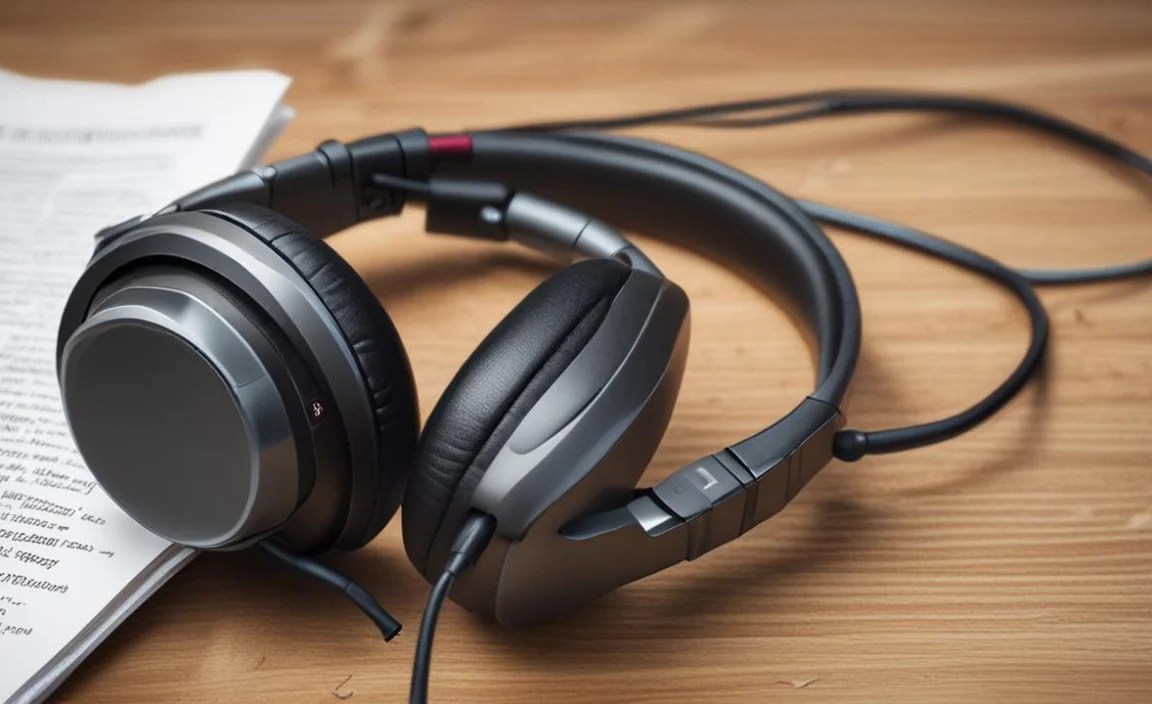
To help you visualize the differences, here’s a quick comparison table of some popular travel-friendly wired headphone models:
| Headphone Model | Type | Portability | Comfort | Noise Isolation | Typical Price Range |
|---|---|---|---|---|---|
| Sennheiser HD 206 | Over-Ear | Folds flat | Good | Good (Passive) | $ |
| Audio-Technica ATH-M20x | Over-Ear | Foldable & Swivel | Very Good | Good (Passive) | $$ |
| Koss Porta Pro | On-Ear | Foldable | Good (Unique adjustment) | Low (Open Design) | $ |
| Sony MDR-7506 | Over-Ear | Folds flat | Excellent | Excellent (Passive) | $$$ |
Price Range Key: $ = Under $50, $$ = $50-$100, $$$ = $100+
Tips for Using Wired Headphones While Traveling
Once you’ve picked your perfect travel headphones, here are some tips to make your listening experience even smoother:
- Invest in a Good Carrying Case: Even if your headphones come with one, a sturdy, padded case will protect them from drops, pressure, and dust when they’re packed away.
- Cable Management is Key: Use Velcro ties or small pouches to keep the cable neatly coiled. This prevents tangles and reduces stress on the cable connectors.
- Check Your Device’s Audio Output: If you’re using a newer smartphone, you’ll likely need a dongle or adapter for the 3.5mm jack. Ensure you have the correct one, and maybe pack a spare!
- Clean Your Earcups Regularly: Especially if you travel frequently, keeping your earcups clean ensures hygiene and can prolong their lifespan. A damp cloth is usually sufficient. Check manufacturer recommendations.
- Test Before You Travel: Always plug your headphones in and test them with your device before you leave home. This way, you won’t discover a faulty cable at the airport.
- Learn to Love the Silence (Sometimes): While headphones are great, remember to be aware of your surroundings, especially when navigating busy airports or stations, or if you need important announcements. This is a recommendation from organizations like the U.S. Department of Transportation regarding air travel safety.
Basic Maintenance for Longevity
Your travel headphones are tools that need a little care to perform their best. Here’s how to keep them in top shape:
Cleaning Your Headphones
Wipe down the (earcups) and headband with a slightly damp, soft cloth after each trip or regularly. Avoid harsh chemicals. For the drivers (the part that makes sound), a dry, soft brush can gently remove dust. If your earcups are removable, you might be able to clean them more thoroughly following manufacturer instructions.
Cable Care
Avoid yanking the cable from the (headphone) or device. Always pull from the connector. Don’t wrap the cable too tightly around the (headphones). Instead, use a loose figure-eight or over-under wrap. Inspect the cable periodically for any kinks or damage, especially near the connectors.
Storage
When not in use, store your (headphones) in their case. This protects them from dust, moisture, and physical damage. Avoid storing them in direct sunlight, as heat can damage the materials over time.
Frequently Asked Questions (FAQ)
Here are some common questions beginner travelers might have about wired headphones:
What is passive noise isolation?
Passive noise isolation is the physical barrier created by the headphones’ earcups and design that blocks out external sound. It’s different from active noise cancellation (which uses microphones and electronics to counteract noise). Good passive isolation relies on a snug fit and dense materials.
Do I really need an adapter for my phone?
Many newer smartphones and tablets have removed the traditional 3.5mm headphone jack to make devices thinner and often to encourage the use of wireless audio. If your device lacks this port, you will need a USB-C or Lightning to 3.5mm adapter to use wired headphones. Check your device’s specifications.
Can wired headphones sound better than wireless ones?
Often, yes. Without the need for audio compression or battery power for digital processing, wired headphones can deliver a more direct and potentially higher-fidelity audio signal, especially at a similar price point. However, premium wireless headphones have closed the gap significantly.
Are wired headphones safe for my hearing?
All headphones can be unsafe if used at excessive volumes. It’s generally recommended to keep the volume at or below 60% of the maximum level for extended listening. Organizations like the National Institute on Deafness and Other Communication Disorders offer excellent resources on preventing hearing loss.
How do I prevent my headphone cable from tangling?
The best methods involve careful wrapping. Avoid the “wraparound everything” method. Instead, try a loose figure-eight wrap or the over-under method. Using a small Velcro strap or a dedicated cable organizer can also keep it neat. Store them in a case when possible, as this often prevents tangling.
What if my headphone jack gets stuck in my phone?
This can be frustrating! First, ensure there isn’t any debris in the port. If it’s truly stuck, you can try gently using a wooden toothpick (avoid metal which can damage pins) or a small, non-metallic probe to carefully dislodge it. If that doesn’t work, seeking professional repair might be the safest option to avoid damaging your device.
Conclusion
Choosing the best wired headphones for travel doesn’t need to be overwhelming. By focusing on durability, comfort, and portability, you can find a pair that reliably enhances your journeys without the fuss of batteries or Bluetooth. Whether you opt for the classic comfort of over-ear or the compact convenience of on-ear, these audio companions are ready to go the distance with you. Remember to take good care of them, and they’ll repay you with countless hours of enjoyable listening, wherever your adventures take you. Happy travels and happy listening!
