
Best Wired Workout Headphones: Essential Gear
Quick Summary: Discover the best wired workout headphones for reliable, high-quality audio during your fitness routines. This guide breaks down essential features like secure fit, sweat resistance, and sound quality, helping beginners choose durable, untethered companions for every exercise. Get ready to power your workouts with the perfect sound!
Hey there, fitness fanatics and music lovers! Edward Cavitt here from Headphone Horizon, ready to talk about something close to my audio-loving heart: keeping the tunes flowing while you crush your fitness goals. We all know how a great playlist can transform a tough workout, right? But sometimes, those wireless earbuds can be a bit… finicky. That’s where the unsung heroes of the workout audio world come in: the best wired workout headphones. They offer a steady connection, often better sound for the price, and a reliability that’s hard to beat. Whether you’re a seasoned athlete or just starting your fitness journey, finding the right pair can make all the difference. Let’s dive in and make sure your soundtrack never skips a beat!
Why Wired Headphones Still Rule for Workouts

In an age dominated by Bluetooth and wireless everything, you might be wondering if wired headphones are still relevant for your gym sessions. The answer is a resounding yes! Wired connections offer some significant advantages, especially when you’re pushing your limits. They eliminate the worry of battery life dying mid-run, the frustration of dropped connections, and often provide a more stable, secure listening experience without the bulk of a charging case or the need to constantly re-pair. For many, the simplicity and dependability of a good pair of wired earbuds or headphones are exactly what they need to stay focused on their workout, not their gear.
The core appeal of wired headphones for exercise lies in their unwavering connection. Unlike wireless options that rely on Bluetooth signals which can be interrupted by interference or distance, a wired connection is direct and consistent. This means no sudden silence when you’re hitting that final sprint or lifting that last heavy weight. Furthermore, the audio quality can often be superior at a given price point because the money goes directly into the sound drivers rather than the wireless components and battery. Reliability is key during a workout, and wired headphones deliver it in spades. Plus, for those who are budget-conscious, wired options often present incredible value.
For a deeper understanding of how audio signals are transmitted and how that impacts sound quality, you might find it helpful to explore resources on basic audio engineering principles. While we won’t get too technical here, understanding the journey of sound from your device to your ears can highlight why a direct wired connection is so robust. Many reputable educational sites, such as those associated with universities or scientific organizations, offer accessible explanations on signal processing that can provide a fascinating backdrop to this discussion.
Key Features to Look For in Wired Workout Headphones

When you’re pounding the pavement or hitting the weights, your headphones need to keep up. Here are the essential features that make a pair of wired workout headphones truly shine:
1. Secure and Comfortable Fit
This is arguably the most critical factor. Headphones that constantly slip out or cause discomfort are a major distraction. Look for:
- Ear Hooks/Wingtips: These are fantastic for keeping earbuds firmly in place, especially during high-impact activities. They provide extra points of contact to secure the headphone to your ear.
- Multiple Ear Tip Sizes: A good seal is crucial for both comfort and sound quality (especially bass response). Most good workout earbuds come with several sizes of silicone or foam tips so you can find your perfect fit.
- Lightweight Design: You don’t want heavy headphones dragging you down or causing fatigue.
- Secure Cable Management: While wired, the cable itself can be a nuisance if it bounces around. Look for features like a Y-split that sits comfortably or clips to keep the cable in place.
2. Sweat and Water Resistance
Your workout headphones will inevitably encounter sweat, and potentially rain. Look for:
- IPX Ratings: This is a standardized measure of a device’s resistance to dust and water. For workouts, look for at least an IPX4 rating (splash-proof), but IPX5 or IPX7 offer even better protection against sweat and water jets. You can find detailed explanations of IP ratings on websites like the International Electrotechnical Commission (IEC) or consumer electronics review sites that break them down clearly.
- Durable Materials: Built with materials that can withstand exposure to moisture and the rigors of exercise.
3. Sound Quality
While we’re not aiming for audiophile perfection during a workout, good sound is essential for motivation. Consider:
- Balanced Audio Profile: You want a sound that isn’t too bass-heavy or tinny. A good balance will make your music enjoyable and energizing.
- Clear Mids and Highs: For vocals and instruments to cut through during dynamic music, clear mid and high frequencies are important.
- Decent Noise Isolation: This helps block out gym chatter or street noise, allowing you to immerse yourself in your music. This is often achieved through a good seal from the ear tips.
4. Durability and Build Quality
Workout gear needs to be tough. Look for:
- Robust Cable: A reinforced cable that is less prone to fraying or tangling is a plus.
- Sturdy Connectors: The headphone jack should be well-built and able to withstand being plugged and unplugged regularly.
- Quality Earbud/Headphone Construction: The housing should feel solid and able to take a few bumps.
5. Inline Controls and Microphone
Convenience is key when you’re in motion. Features to appreciate include:
- Easy-to-Use Buttons: For play/pause, skipping tracks, and adjusting volume without fumbling.
- Built-in Microphone: So you can take calls without interrupting your flow (if that’s something you do during workouts).
Types of Wired Workout Headphones

Not all wired workout headphones are created equal. Let’s break down the common types you’ll encounter:
In-Ear Monitors (IEMs) / Earbuds
These are the most popular choice for workouts, and for good reason. They sit directly in the ear canal, offering a snug fit and good passive noise isolation. When designed for sports, they often come with those crucial ear hooks or wingtips.
Pros:
- Excellent portability.
- Great for high-impact activities due to secure fit (especially with sport-specific designs).
- Good bass response and noise isolation with a proper seal.
- Generally more affordable than over-ear options.
Cons:
- Can cause ear fatigue for some after long sessions.
- Requires finding the right ear tip size for optimal comfort and seal.
- Some people find any in-ear sensation uncomfortable.
On-Ear Headphones
These rest on your outer ear. While less common for intense workouts compared to earbuds due to potential slippage and heat build-up, some lighter, sport-focused on-ear models exist.
Pros:
- Can be more comfortable for longer listening sessions for some, compared to in-ears.
- Allow some ambient awareness, which can be good for outdoor activities.
Cons:
- Prone to slipping during vigorous movement.
- Can get hot and sweaty.
- Less effective noise isolation.
- Bulkier than earbuds.
Over-Ear Headphones
These completely enclose your ears. While fantastic for immersive listening and noise cancellation, they are generally not the best choice for most workouts. They can be bulky, hot, and the earcups can trap a lot of sweat. However, for low-impact activities like yoga or a leisurely walk, a secure-fitting, sport-oriented pair might work, but it’s uncommon and their primary design is for comfort and soundstage, not athletic performance.
Pros:
- Superior soundstage and immersion for some.
- Comfortable for extended wear for many.
Cons:
- Very bulky and impractical for most sports.
- Can be extremely hot and cause excessive sweating.
- Likely to slip unless specifically designed with a very secure fit.
- Not ideal for high-impact or intense cardio.
Our Top Picks for Best Wired Workout Headphones (Examples)
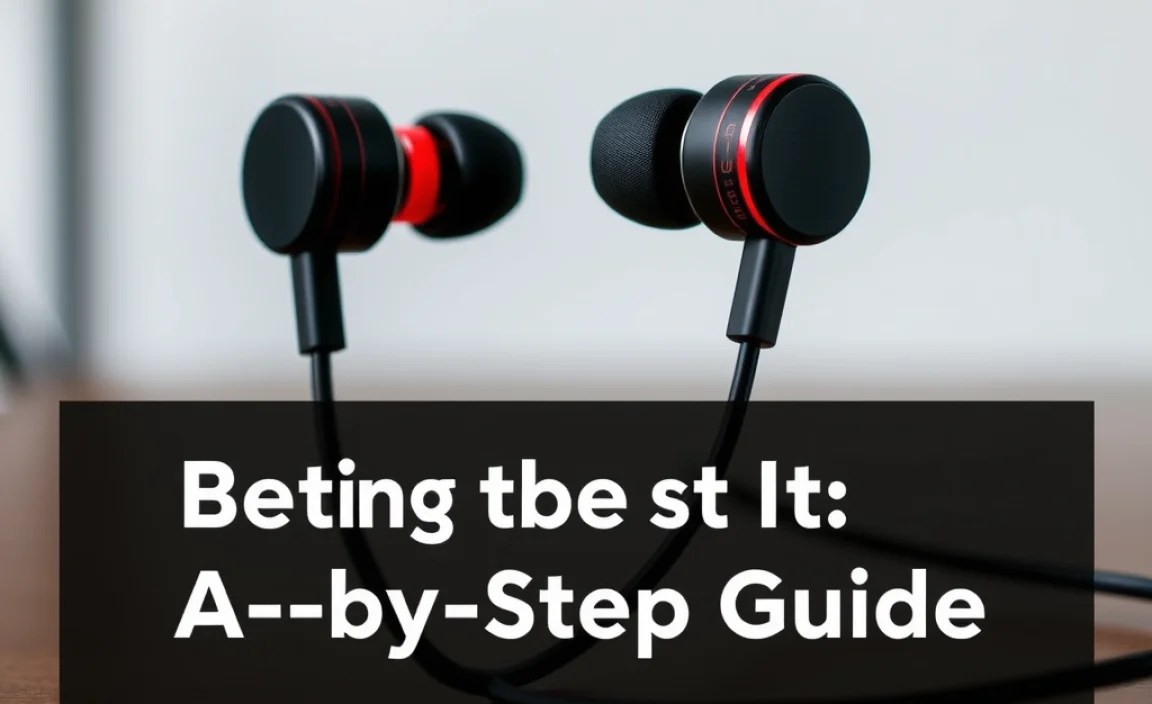
Based on common recommendations and user feedback for durability, sound, and secure fit, here are a few types of wired workout headphones that consistently get high marks. Always check for the latest models and reviews, as product lines evolve!
| Category | Example Model/Brand Type | Key Strengths for Workouts | Considerations |
|---|---|---|---|
| Sport-Focused IEMs | Shure SE Series (e.g., SE215) | Excellent sound isolation, durable build, secure over-ear fit with included ear hooks for many models. Great for isolating you in your music. | Can have a slightly more analytical sound profile which might not be for everyone seeking booming bass. Replaceable cables are a plus for durability. |
| Budget-Friendly & Durable IEMs | KZ ZS Series (e.g., ZST X) | Incredible value for money, surprisingly good sound quality for the price, often come with detachable (and thus replaceable) cables. | Build quality can be more variable than premium brands. Fit might require experimentation with aftermarket tips for some users. |
| Sport-Specific Wired Earbuds | JVC Gumy Sport (e.g., HA-ENR30) | Designed with sweat resistance (often IPX5), secure fit options (like ear clips), and a focus on durability for active use. Generally very affordable. | Sound quality is typically functional rather than exceptional, but gets the job done for motivation. |
| Wired Earbuds with Inline Controls | Sony MDR-AS210 / MDR-AS203 | Lightweight with adjustable ear loops for a secure fit, sweat-resistant, and feature an inline microphone and remote for easy control, often with 3.5mm jack. | These are great all-rounders but may not offer the absolute best sound isolation or bass response compared to IEMs designed for critical listening. |
Note: Specific model numbers change frequently. When looking for JVC, KZ, or Sony sport earbuds, search for their sport or “active” lines featuring sweat resistance and secure fit designs. Shure is a more premium brand, but their IEMs are renowned for durability and sound, making them a long-term investment for serious users.
Getting the Best Fit: A Step-by-Step Guide
A perfect fit is non-negotiable for workout headphones. Here’s how to ensure yours stay put and feel comfortable:
Step 1: Choose the Right Ear Tips
Most good wired workout earbuds come with a selection of ear tips. These can be made of silicone or foam. Foam tips generally expand to fill your ear canal for a more secure seal and better passive noise isolation, while silicone tips can be more durable and easier to clean.
- Inspect the Tips: See which sizes are provided. You’ll usually have small, medium, and large.
- Start with Medium: For most people, the medium size is a good starting point.
- Insert Correctly: For silicone tips, gently pull your earlobe up and back while inserting the earbud to straighten your ear canal. For foam tips, you’ll usually need to compress them with your fingers before insertion, allowing them to expand naturally into your ear.
- Test the Seal: You should feel a snug fit. If you can easily wiggle the earbud out, or if outside noise is readily apparent, try a different size.
- Experiment: If one size doesn’t feel right, try the next larger or smaller one. Achieving a good seal is paramount for both fit and sound.
Step 2: Utilize Ear Hooks or Wingtips (If Available)
If your headphones have ear hooks or wingtip attachments, this is where they come into play for secure workouts.
- Ear Hooks: These are usually flexible and designed to curve over the top of your ear. Gently loop them over your ear before or after inserting the earbud. Adjust the hook’s position for a comfortable but firm hold.
- Wingtips: These are small fins or protrusions that tuck into the natural folds of your ear, providing an extra anchor. Locate the small notch or slot on the earbud where the wingtip attaches and push it on. Ensure the wingtip sits snugly in your ear’s concha.
- Secure Them Down: Once the ear tip is in place and the hook/wingtip is engaged, gently push the earbud inwards to ensure it’s fully seated and secure.
Step 3: Manage the Cable
A bouncing cable can be equally as annoying as ill-fitting earbuds.
- Over-Ear Wearing Style: For IEMs with pliable cables, wearing them over your ears (cable going up and back) often significantly reduces microphonics (cable noise) and improves the fit by keeping them in place. Practice this technique; it makes a huge difference.
- Cable Clips: Some headphones come with small clips that can attach the cable to your shirt collar or waistband. Use these to keep the cable from flailing.
- Tucking: For shorter cables, learn to tuck them neatly under your shirt.
Step 4: Test During Movement
The real test is during activity!
- Light Cardio: Start with a brisk walk or light jog on a treadmill. See how they feel.
- Dynamic Movements: Try some jumping jacks, high knees, or a few burpees. Do they stay put?
- Wear Them for a Full Workout: Only after a full session can you truly tell if the fit is comfortable and secure for the duration.
- Readjust if Needed: Don’t be afraid to take a moment to readjust if something feels off. It’s better than enduring discomfort for an hour.
Maintenance Tips for Your Wired Workout Headphones
To keep your trusted wired workout headphones in top shape and performing their best, a little regular care goes a long way:
1. Clean Them Regularly
Sweat, earwax, and general grime can degrade sound quality and even cause irritation. This is especially important for ear tips and the nozzle of the earbuds.
- Ear Tips: Remove them from the earbuds. Wash them gently with mild soap and water. Ensure they are completely dry before reattaching them. For foam tips, a damp cloth is usually sufficient, as excessive water can damage them.
- Earbud Nozzle: Use a dry, soft brush (like a clean toothbrush or a dedicated headphone cleaning brush) to gently dislodge any debris from the mesh or openings. For stubborn grime, you can use a slightly dampened cotton swab with water. Be very careful not to push debris further into the nozzle.
- Earbud Housing: Wipe down the outside of the earbuds with a slightly damp cloth. Avoid getting moisture into any openings.
- Cable: Wipe the cable down with a dry or slightly damp cloth to remove sweat and dirt.
2. Dry Them Thoroughly After Each Use
Never put away damp headphones. Moisture is the enemy of electronics.
- Airing Out: After every sweaty workout, let your headphones air dry completely in a well-ventilated area away from direct heat or sunlight before storing them.
- Wipe Down: Use a dry, soft cloth to gently wipe away visible moisture from the earbuds, cable, and jack.
3. Store Them Properly
Avoid stuffing them into pockets or bags where they can get tangled or damaged.
- Carrying Pouch: Many headphones come with a small pouch or case. Use it! It protects them from dust, damage, and tangles.
- Avoid Extreme Temperatures: Don’t leave them in a hot car or a freezing locker, as extreme temperatures can damage the materials and electronics over time.
4. Inspect the Cable and Jack
The cable and headphone jack are common points of failure.
- Gentle Bends: Avoid sharply bending or kinking the cable, especially near the earbud or the jack.
- Strain Relief: Ensure the cable’s strain relief (the flexible rubbery part where the cable meets the jack and earbuds) isn’t stretched or frayed. If it is, treat the headphones with extra care.
- Clean the Jack: Occasionally, you can gently clean the metal part of the 3.5mm jack with a dry cotton swab or a special electronic contact cleaner for optimal signal transfer.
