
Quick Summary: Discover the best wireless headphones with proven noise-cancelling technology to immerse yourself in pure audio. This guide breaks down key features, offers top recommendations, and provides tips to find your perfect, distraction-free listening companion.
Hey everyone, Edward Cavitt here from Headphone Horizon! Are you tired of the world’s distractions interrupting your favorite music, podcasts, or important calls? I get it. Sometimes, you just want a bubble of pure sound, a personal sanctuary where the chatter of the city, the hum of an airplane, or even the clatter from your own home fades away. That’s where the magic of noise-cancelling wireless headphones comes in. They’re not just about better sound; they’re about creating your own peaceful audio space. Today, we’re diving deep into the world of the best wireless headphones with proven noise-cancelling technology, making it easy for you to find a pair that truly fits your needs.
Why Choose Wireless Noise-Cancelling Headphones?

In our increasingly connected and often noisy world, the appeal of headphones that can silence distractions is pretty strong. Wireless technology liberates you from tangled cords, offering freedom of movement whether you’re commuting on a crowded train, flying thousands of feet in the air, or simply trying to focus at your desk. But when you combine that wireless convenience with Active Noise Cancellation (ANC), you unlock a whole new level of audio immersion. ANC uses clever technology to actively counteract ambient sounds, giving you a clearer, more focused listening experience.
Think about it: no more struggling to hear your audiobook over the roar of the bus engine, no more background office noise creeping into your important conference call, and no more airplane cabin hum ruining your movie. Beyond just blocking noise, ANC can actually allow you to listen at lower volumes, which is better for your hearing in the long run. According to the National Institute on Deafness and Other Communication Disorders (NIDCD), listening to very loud sounds can damage your hearing permanently. By using noise-cancelling headphones, you might not need to crank the volume as high.
Understanding Noise Cancellation Technology
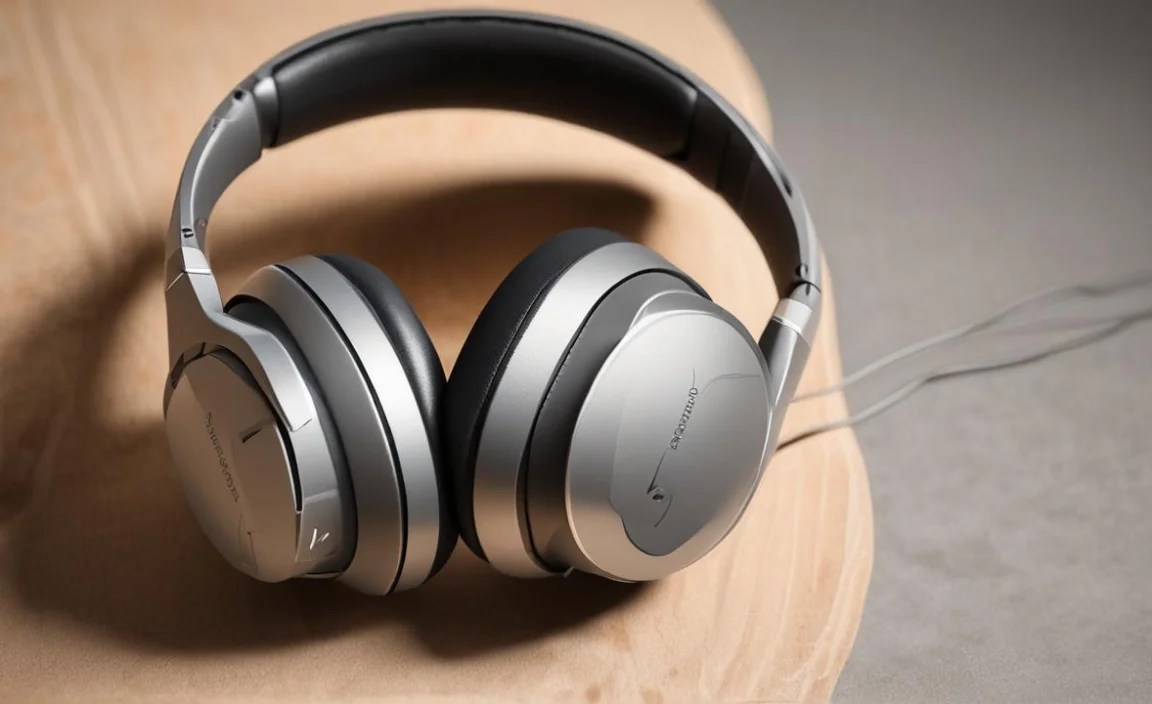
It’s easy to just say “noise cancelling,” but what actually makes it happen? There are two main types:
- Passive Noise Cancellation (Isolation): This is the most basic form. It relies on the physical design of the headphones – the earcups, the materials, and how well they seal around your ears – to block out sound. Think of it like good earplugs; they just physically prevent sound from entering. Over-ear (circumaural) headphones generally offer better passive isolation than on-ear (supra-aural) or in-ear (earbuds) designs due to their nature of enclosing the ear.
- Active Noise Cancellation (ANC): This is where the magic happens. ANC works by using microphones to detect ambient sounds and then generating inverse sound waves to cancel them out. It’s like having tiny, smart noise bouncers in your headphones. When a loud truck passes by, the microphones pick up that sound. The headphones then create an “anti-sound” wave that meets the truck noise and effectively neutralizes it before it reaches your ears. This is particularly effective against low-frequency, constant sounds like engine noise, fan hums, and HVAC systems.
For the purpose of this guide, we’ll be focusing on headphones that excel in Active Noise Cancellation, as this is typically what people mean when they refer to “noise-cancelling headphones” for ultimate distraction-free listening.
Key Features to Look For in Wireless Noise-Cancelling Headphones

When you’re on the hunt for the best wireless headphones with proven noise cancelling, a few key features will make a big difference in your satisfaction. Let’s break them down:
1. Noise Cancellation Effectiveness
This is the star of the show. Not all ANC is created equal. Some headphones might mute a few low rumbles, while others can create an almost unnerving silence. Look for reviews that specifically test how well headphones handle different types of noise – from airplane hums to office chatter. Features like adaptive ANC, which adjusts the level of cancellation based on your environment, are also a big plus.
2. Sound Quality
Noise cancellation is fantastic, but it shouldn’t come at the expense of great audio. You want headphones that deliver clear highs, rich mids, and satisfying bass. Reading reviews that discuss the sound signature (e.g., balanced, bass-heavy, V-shaped) can help you find a sound profile that matches your musical preferences.
3. Comfort and Fit
You might be wearing these for hours on end – on a long flight, during a study session, or while working. Over-ear headphones should have plush earcups and a comfortable headband. In-ear models need to come with multiple ear tip sizes to ensure a good seal and prevent discomfort. A secure fit is also crucial, especially if you plan to use them while exercising.
4. Battery Life
Wireless means you’re relying on battery power. For noise-cancelling headphones, look for a solid battery life, especially when ANC is active. Most good pairs will offer anywhere from 20 to 30 hours of playback with ANC on, and often much more with it turned off. Fast charging capabilities are also a lifesaver, giving you a few hours of playback with just a short charge.
5. Connectivity and Features
Bluetooth Version: Newer Bluetooth versions (like 5.0, 5.2, or 5.3) offer more stable connections, better power efficiency, and can support higher quality audio codecs.
Multipoint Pairing: This allows you to connect to two devices simultaneously (e.g., your phone and laptop). Handy for switching between calls and music seamlessly.
Companion App: Many premium headphones come with apps that let you customize EQ settings, adjust ANC levels, manage device settings, and update firmware.
Transparency Mode (Ambient Sound): This is the opposite of ANC. It uses the external microphones to let you hear your surroundings without taking off your headphones. Great for quick conversations or hearing announcements.
Voice Assistant Integration: Easy access to Google Assistant, Siri, or Alexa.
6. Durability and Build Quality
You want headphones that feel solid and are built to last. Check for sturdy materials, a reliable hinge design (for over-ear models), and good overall construction.
Top Wireless Headphones for Proven Noise Cancelling (2024)

Alright, let’s get down to the exciting part: recommendations! Based on extensive testing and reviews, these are some of the top contenders for the best wireless headphones with proven noise cancelling. Prices can vary, so it’s always good to shop around!
1. Sony WH-1000XM5
Sony has consistently set the bar high with its WH-1000X series, and the WH-1000XM5 continues this tradition with exceptional noise cancellation. They boast industry-leading ANC that impressively silences a wide range of ambient sounds, from the deepest rumbles to higher-pitched chatter. The sound quality is rich and detailed, with a pleasing bass response that can be further customized via Sony’s excellent companion app. Comfort is top-notch, with plush earcups and a lightweight design perfect for long listening sessions.
- Pros: Superb ANC, excellent sound quality, comfortable for long wear, long battery life (approx. 30 hours with ANC), great app support, multipoint pairing.
- Cons: Not foldable for more compact storage, higher price point.
2. Bose QuietComfort Ultra Headphones
Bose is synonymous with noise cancellation, and the QuietComfort Ultra headphones deliver on that legacy with sophisticated and effective ANC. Bose’s Immersive Audio technology adds a new dimension, creating a wider soundstage that can feel quite spatial. They offer a balanced, clear sound profile that appeals to a broad audience. The comfort is, as expected from Bose, outstanding – they feel light and the padding is incredibly soft. Battery life is respectable, around 24 hours with ANC on.
- Cons: ANC can sometimes create a slight pressure feeling for sensitive users, no foldable design.
- Pros: World-class ANC, excellent comfort, immersive audio features, clear and balanced sound, intuitive controls.
3. Apple AirPods Max
For those deeply invested in the Apple ecosystem, the AirPods Max offer a premium noise-cancelling experience. Their ANC is incredibly effective, and the transparency mode is arguably the best on the market. Sound quality is phenomenal, very detailed and balanced without being overly processed. The unique design, with its aluminum earcups and mesh canopy headband, stands out. Comfort is good, though their weight is noticeable. They provide around 20 hours of listening time with ANC or spatial audio enabled.
- Pros: Superior ANC and transparency mode, fantastic audio fidelity, premium build quality, seamless Apple integration, spatial audio.
- Cons: Very expensive, not foldable, heavy, Smart Case isn’t for everyone, no 3.5mm headphone jack without an adapter.
4. Sennheiser Momentum 4 Wireless
Sennheiser’s Momentum series is renowned for its audio performance, and the Momentum 4 Wireless headphones don’t disappoint. They offer very strong ANC performance that rivals the top contenders, effectively quieting a wide range of background noise. The sound signature is engaging and detailed, with a pleasing punch. Battery life is a standout feature, offering an incredible 60 hours of playback with ANC on, which is practically unmatched. They are also comfortable with a modern, minimalist design.
- Pros: Remarkable battery life (up to 60 hours with ANC), excellent sound quality, strong ANC, comfortable design, support for high-quality codecs like aptX Adaptive.
- Cons: The design isn’t foldable, some may find the ANC slightly less potent than Sony or Bose in specific scenarios.
5. Bowers & Wilkins Px7 S2e
Bowers & Wilkins brings a touch of audiophile prestige to the wireless ANC market. The Px7 S2e offers sophisticated noise cancellation that is highly effective against everyday distractions. The sound quality is superb, characterized by its natural, detailed, and dynamic presentation. They are built with premium materials, offering a luxurious feel and excellent comfort. Battery life is rated at around 30 hours with ANC enabled. The design is elegant and feels robust.
- Pros: Refined and engaging sound, strong noise cancellation, premium materials and build, excellent comfort, good battery life.
- Cons: ANC might not be as absolute as some competitors, can be on the pricier side.
How to Test Noise Cancellation at Home

While professional reviews give us great insights, you might want to test noise cancellation yourself, either in-store or with a friend’s pair. Here’s a simple way to gauge its effectiveness:
- Find a noisy environment: Turn on your TV with some dialogue or background music, or head to a busy street (for in-store testing, a bustling mall can work).
- Put on the headphones: First, without any music playing, just wear the headphones. Notice how much ambient noise is immediately reduced by the passive seal.
- Activate ANC: Turn on the noise cancellation feature. Listen for the change. The low-frequency hums (like air conditioners or traffic) should significantly diminish or disappear. Higher-pitched sounds (like voices) might still be audible but should be much less intrusive.
- Play music at a low volume: With ANC on and music playing at a comfortable, low volume, try to focus on the ambient noise. Ideally, you shouldn’t be able to hear much of it. If you can easily hear conversations or strong background noises, the ANC might not be as effective as you’d like.
- Test Transparency Mode: If the headphones have a transparency or ambient sound mode, activate it. You should be able to hear your surroundings clearly, as if you weren’t wearing headphones, without excessive amplification or distortion.
Comparing Top Wireless Noise-Cancelling Headphones
To help you visualize the differences, here’s a comparison table of some of the top models discussed:
| Feature | Sony WH-1000XM5 | Bose QuietComfort Ultra | Apple AirPods Max | Sennheiser Momentum 4 | Bowers & Wilkins Px7 S2e |
|---|---|---|---|---|---|
| Noise Cancellation Quality | Industry-leading | World-class | Exceptional | Very Strong | Strong and Sophisticated |
| Sound Quality | Rich, detailed, customizable | Clear, balanced, immersive audio | Superb, natural, detailed | Engaging, detailed, punchy | Refined, natural, dynamic |
| Comfort | Excellent | Outstanding | Good (but heavy) | Very Comfortable | Excellent |
| Battery Life (ANC On) | ~30 hours | ~24 hours | ~20 hours | ~60 hours | ~30 hours |
| Design/Portability | Doesn’t fold | Doesn’t fold | Doesn’t fold (unique case) | Doesn’t fold | Folds flat |
| Best For | Overall best ANC & features | Ultimate comfort & classic ANC | Apple users, pristine audio | Longest battery life, great sound | Premium sound & build |
Troubleshooting Common Wireless Nose-Cancelling Headphone Issues
Even the best headphones can sometimes act up. Here are a few common issues and simple fixes:
- ANC Not Working Effectively:
- Ensure ANC is actually turned on via the button or app.
- Check for a proper seal around your ears. A loose fit can significantly reduce ANC effectiveness.
- Clean the microphones on the outside of the earcups (refer to your manual). Dust or debris can interfere.
- Update the headphone firmware via the companion app.
- Bluetooth Connectivity Problems:
- Restart your headphones and the device you’re trying to connect to.
- “Forget” the headphones in your device’s Bluetooth settings and re-pair them.
- Ensure devices are within range (usually about 30 feet or 10 meters).
- Check if your headphones support multipoint pairing and are already connected to another device, which might prevent a new connection.
- Update your device’s operating system.
- Poor Sound Quality:
- Check if you’re using a suitable audio format or codec (e.g., aptX, LDAC). Some headphones default to a lower-quality codec for stability.
- Adjust EQ settings in the companion app.
- Ensure debris isn’t blocking the speaker drivers (carefully clean with a dry brush or soft cloth).
- Reset your headphones to factory settings.
- Headphones Not Charging:
- Ensure the charging cable is securely plugged into both the headphones and the power source.
- Try a different USB port or charging adapter.
- Clean the charging port on the headphones with compressed air or a dry, non-metallic tool if you see visible debris.
- If your headphones have a removable battery, ensure it’s inserted correctly (though this is rare for modern wireless ANC headphones).
Frequently Asked Questions About Noise-Cancelling Headphones
Here are some common questions beginners have:
1. Will noise-cancelling headphones completely block out all sound?
No, active noise cancellation is most effective against consistent, low-frequency sounds like airplane engines, train hums, or air conditioning. They are less effective against sudden, sharp noises or voices, though they will significantly reduce their intensity. The physical seal of the earcups (passive isolation) also plays a crucial role in blocking higher-frequency sounds.
2. Is active noise cancellation bad for my hearing?
No, in fact, ANC can be beneficial for hearing health. By reducing ambient noise, you’re less likely to need to turn your music up to high volumes to overcome distractions. Listening at lower volumes helps protect your ears from damage. The NIDCD recommends avoiding prolonged exposure to very loud sounds.
3. Can I use noise-cancelling headphones for calls?
Yes! Most modern wireless noise-cancelling headphones are designed with microphones to pick up your voice clearly while also using ANC to reduce background noise for whoever you’re talking to. The quality of call handling can vary between models.
4. Do I need a special app to use noise-cancelling headphones?
While the basic noise cancellation and audio playback functions usually work without an app, companion apps offer significant advantages. They allow you to fine-tune ANC levels, customize EQ settings for sound quality, manage Bluetooth connections, enable features like multipoint pairing, and update firmware. It’s highly
